22 Japanese ways to say “I’ve had it up to here”
Ever had one of those days where you just feel like shouting, “I’ve had it up to here!”? We all do, and luckily, Japanese has a ton of colorful and expressive ways to say just that.
Whether you’re venting to a friend or just want to express frustration with a little flair, these phrases will come in handy. Some are casual and fun, others are more polite or formal, and a few even sound like something a native speaker would say naturally.
Learning these expressions not only helps you sound more fluent, but also lets you understand the cultural nuance behind everyday frustration.
So, get ready to level up your Japanese and add some spice to your language skills with these 22 ways to say “I’ve had it up to here”!
Each phrase comes with a handy pronunciation guide and a little explanation so you can use it confidently. Let’s dive in!
By the end, you’ll have plenty of options to express your limits in Japanese, whether you’re joking around or seriously fed up.
Getting Started with Expressing Frustration in Japanese
Before we jump into the list, it’s good to know that Japanese often uses body-related metaphors or vivid imagery to express feelings.
For example, talking about the “top of the head” or “overflowing” emotions is a common way to say you’ve reached your limit.
These phrases feel natural and relatable, and they can be adapted depending on how casual or formal you want to sound.

Sometimes, starting with a great Japanese phrasebook can give you a perfect starting point for understanding how these expressions fit into everyday conversation.
Once you get the hang of the common patterns, it’s easier to mix and match phrases to suit your mood.
Keep in mind that some expressions are super casual, so you might want to save those for close friends or informal settings.
Part 1: Casual Suggestions
1. もう我慢できない! (Mou gaman dekinai!) – “I can’t take it anymore!”

This is a straightforward and very common way to say you’ve reached your limit.
“もう (Mou)” means “already,” “我慢 (gaman)” is “patience” or “endurance,” and “できない (dekinai)” means “cannot do.” Put together, it means “I can’t endure it anymore!”
It’s perfect for casual conversations when you just want to vent your frustration.
Short and punchy, it really gets your feelings across.
If you want to sound a bit softer, you can add “よ (yo)” at the end for emphasis: もう我慢できないよ!
Try using it next time you feel overwhelmed with work or life’s little annoyances!
2. いい加減にして! (Ii kagen ni shite!) – “Cut it out already!”

This phrase is great when you want to tell someone to stop bothering you or when a situation has gone too far.
“いい加減 (ii kagen)” means “enough already” or “to a reasonable degree,” and “にして (ni shite)” means “do it” or “make it.” Together it’s like saying “Enough is enough!”
It’s casual but can sound a bit strong, so use it carefully with close friends or family.
Don’t confuse it with a polite request—it’s more like a sharp command.
Example: If a friend keeps teasing you, say “いい加減にしてよ!” to show you’ve had enough.
This phrase helps you sound natural and direct when expressing limits.
3. 頭にきた! (Atama ni kita!) – “I’m pissed off!” (literally: “It came to my head!”)
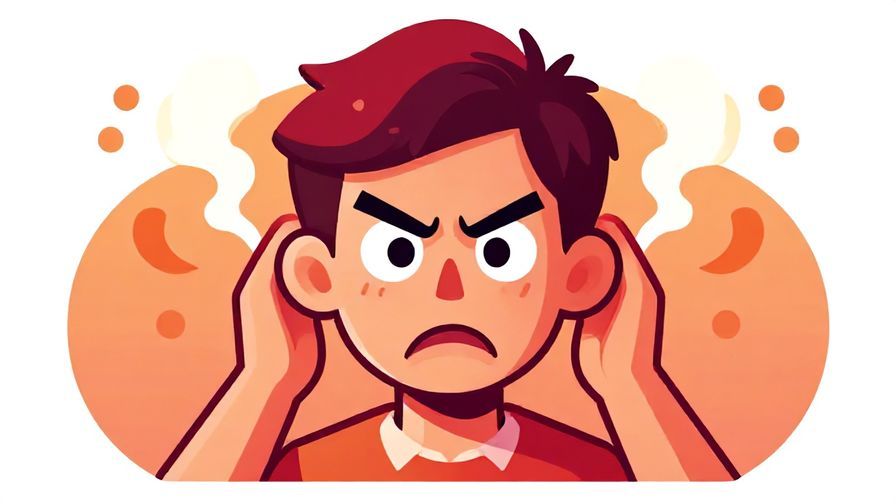
This expression is perfect for showing sudden anger or irritation.
“頭 (atama)” means “head,” and “にきた (ni kita)” means “came to.” Together, it literally means “it came to my head,” implying anger has peaked.
It’s casual and often used among friends when you’re really frustrated.
It’s a good way to say you’ve reached your emotional limit quickly.
Related phrase: “頭に来る (Atama ni kuru),” which means “to get angry.”
Use it when something’s just pushed you over the edge, like a rude comment or bad news.
4. 限界だ! (Genkai da!) – “That’s my limit!”

“限界 (genkai)” means “limit” or “boundary.” Adding “だ (da)” makes it a declarative statement.
It’s a simple, strong way to announce you’ve reached your breaking point.
Use it when you want to make it clear you can’t take any more.
It works in casual conversations but can also sound dramatic.
Great for moments when you feel mentally or physically exhausted.
Try it out when you’re swamped with too many tasks or responsibilities!
5. もうたくさん! (Mou takusan!) – “Enough already!”
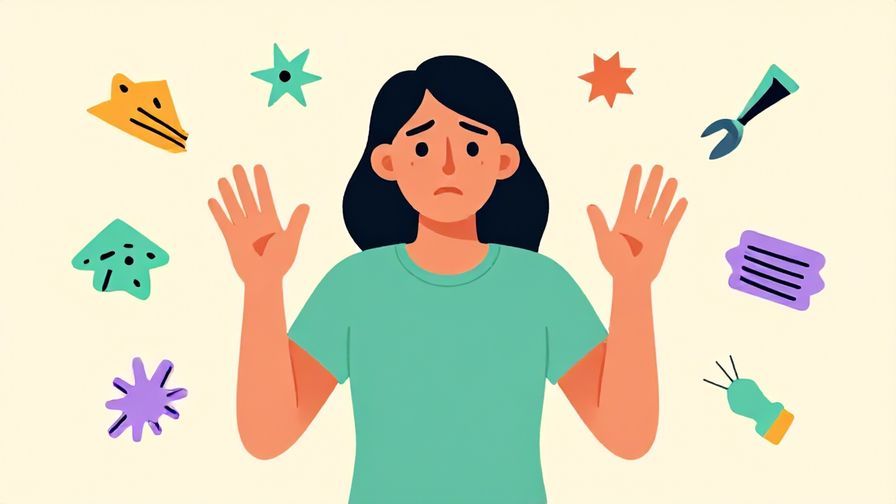
“もう (mou)” means “already,” and “たくさん (takusan)” means “a lot” or “enough.”
Put together, it’s a quick and casual way to say you’ve had enough of something.
It’s often used when you want to stop annoying behavior or overwhelming situations.
Keep it short and sweet for natural sounding frustration.
It’s less harsh than some other phrases, making it good for light complaints.
Use this when a conversation or task just won’t end and you want it to.
6. うんざりだ! (Unzari da!) – “I’m fed up!”

“うんざり (unzari)” means “fed up” or “tired of something.”
Adding “だ (da)” turns it into a statement: “I’m fed up.”
It conveys deep frustration or boredom with a situation.
It’s a handy phrase for showing you’ve had enough without being angry.
Be mindful it’s casual and can sound a bit strong depending on tone.
Try this when dealing with repetitive annoyances or ongoing problems.
7. 頭が痛い (Atama ga itai) – “My head hurts” (figuratively meaning: “I’m fed up”)

Literally, this means “My head hurts,” but it’s often used figuratively to express frustration or mental exhaustion.
“頭 (atama)” is “head,” “が (ga)” is the subject marker, and “痛い (itai)” means “painful” or “hurts.”
It’s a polite but relatable way to say you’re overwhelmed or fed up.
People use it when they’re too tired to deal with something annoying.
It’s a softer expression compared to blunt “I’ve had it!” phrases.
Use it when you want to sound a little more subtle about your frustration.
8. もう限界! (Mou genkai!) – “Enough! I’ve reached my limit!”

This is a strong yet casual phrase to declare you’re done.
“もう (mou)” means “already” or “enough,” and “限界 (genkai)” means “limit.”
It’s like saying, “That’s it, I can’t handle anymore!”
Great for expressing frustration in conversations or social media.
It’s simple, direct, and easy to remember.
Perfect to use when you want to vent emphatically but casually.
Part 2: Polite & Formal Suggestions
9. もう耐えられません。 (Mou taeraremasen.) – “I can no longer endure it.”

This is a polite and formal way to say you’ve reached your limit.
“耐えられません (taeraremasen)” means “cannot endure.”
It’s perfect for work or formal settings where you want to express frustration respectfully.
It sounds serious, so use it carefully.
You might say this to a supervisor or in written communication.
It conveys clear boundaries without being rude.
10. もう限界に達しております。 (Mou genkai ni tasshite orimasu.) – “I have reached my limit.”

This phrase is very polite and formal, suitable for business or respectful conversation.
“限界に達しております (genkai ni tasshite orimasu)” means “have reached the limit.”
Adding “おります” increases politeness.
It’s great for official emails or meetings to express limits professionally.
It helps maintain respect while stating your position clearly.
Use this when you want to be firm but courteous.
11. これ以上は困難です。 (Kore ijou wa konnan desu.) – “Anything more than this is difficult.”

This phrase is a polite way to say you can’t handle more than what you already are.
“困難 (konnan)” means “difficult” or “troublesome.”
It’s less emotional and more factual than “I’ve had it.”
Useful in formal settings when you want to express limits clearly.
It shows professionalism and restraint.
Great for politely refusing extra work or requests.
12. もうこれ以上耐えられません。 (Mou kore ijou taeraremasen.) – “I can’t endure any more than this.”

This is a more formal version of expressing frustration or limits.
“これ以上 (kore ijou)” means “any more than this,” and “耐えられません” means “cannot endure.”
It’s respectful but clear about your boundaries.
Perfect for professional or serious conversations.
It helps you avoid sounding emotional while still getting your point across.
Use it to maintain dignity when stating you’ve reached your limit.
13. 申し訳ございませんが、もう無理です。 (Moushiwake gozaimasen ga, mou muri desu.) – “I’m sorry, but it’s impossible now.”

This phrase combines an apology with a clear statement of limits.
“申し訳ございません (moushiwake gozaimasen)” is very polite for “I’m sorry,” and “もう無理です (mou muri desu)” means “it’s impossible now.”
Use it when you need to refuse politely but firmly.
It’s great for customer service or formal social situations.
Shows respect while setting clear boundaries.
Helps soften the impact of refusing or expressing limits.
14. これ以上の対応は難しいです。 (Kore ijou no taiou wa muzukashii desu.) – “Further handling is difficult.”

This is a polite, somewhat indirect way to say you can’t do more.
“対応 (taiou)” means “handling” or “dealing with,” and “難しい (muzukashii)” means “difficult.”
It’s useful when you want to sound reasonable and avoid confrontation.
Often used in negotiations or customer interactions.
Shows you’ve done your best but reached your limit.
Good for maintaining professionalism and respect.
15. もう我慢の限界です。 (Mou gaman no genkai desu.) – “I’ve reached the limit of my patience.”

This phrase explicitly mentions patience (“我慢 (gaman)”) hitting its limit.
“限界 (genkai)” means limit, so it’s a clear, polite way to say you can’t tolerate any more.
Useful in both formal and casual contexts, depending on tone.
Conveys a serious but controlled frustration.
Try it when explaining why you can’t continue with a difficult situation.
It’s strong but respectful, great for discussions requiring firmness.
16. 正直、もう限界かもしれません。 (Shoujiki, mou genkai kamoshiremasen.) – “Honestly, I might be at my limit.”

This phrase is polite and adds a touch of humility.
“正直 (shoujiki)” means “honestly,” and “かもしれません (kamoshiremasen)” means “might be.”
It softens the statement, making it less confrontational.
Good for expressing limits in sensitive conversations.
Shows openness to dialogue while stating your feelings.
Great when you want to suggest limits without sounding absolute.
Part 3: Very Casual / Native-like Expressions
17. もうムリ! (Mou muri!) – “No way! I’ve had it!”

“ムリ (muri)” means “impossible” or “no way,” and it’s often used casually to say you can’t handle something.
It’s a short, punchy way to express frustration, very common among younger people.
Perfect for texting or informal chats.
It’s like saying “I’m totally done with this!”
Be careful not to use it in formal situations.
It’s a go-to phrase when you want to sound natural and native-like.
18. もうお手上げ! (Mou oteage!) – “I give up!” (literally: “Hands up!”)

“お手上げ (oteage)” literally means “hands up,” like surrendering.
It’s a fun and casual way to say you’ve had enough and give up.
Often used humorously among friends.
It carries a lighthearted tone even when frustrated.
Try it when you want to add humor to your complaints.
This phrase makes your frustration feel relatable and less harsh.
19. もう限界突破! (Mou genkai toppa!) – “I’ve broken through my limit!”
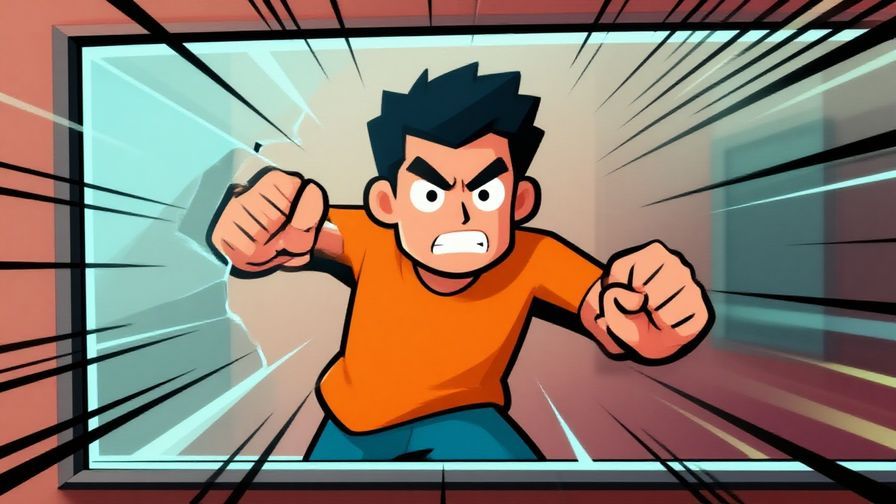
“限界突破 (genkai toppa)” means “limit break” and is popular in anime and gaming culture.
It’s a fun, exaggerated way to say you’ve totally had it.
Used mostly among young people or fans of pop culture.
It adds a dramatic, almost heroic flair to your frustration.
Perfect for playful venting.
Great phrase to impress friends with your Japanese pop culture knowledge!
20. もうたまんない! (Mou tamannai!) – “I can’t stand it anymore!”

“たまんない (tamannai)” is a slang contraction of “たまらない (tamaranai),” meaning “unbearable.”
It’s casual and very expressive, often used to show extreme feelings.
It can be positive or negative, but here it means “I’m fed up!”
Use it with close friends or informal situations.
It really conveys that you’ve reached your emotional or mental limit.
Try it when you want your frustration to sound very natural and colloquial.
21. もう嫌だ! (Mou iya da!) – “I hate this! I’ve had enough!”

“嫌だ (iya da)” means “I hate it” or “I don’t want to.”
Adding “もう (mou)” makes it “I’ve had enough” or “I hate this now.”
It’s casual and straightforward, often used in everyday complaints.
It’s a great phrase to express honest frustration without being rude.
Perfect for venting to friends or family.
Helps you sound genuine and relatable.
22. いい加減にしろ! (Ii kagen ni shiro!) – “Enough already! Cut it out!” (strong command)

This is a very strong and direct way to tell someone to stop.
“いい加減にしろ” is a command form, so it’s quite forceful.
It literally means “Do it reasonably!” but is understood as “Cut it out!”
Only use this with close friends or in situations where you want to sound tough.
It’s not polite and can come across as rude if used improperly.
Great for expressing serious frustration or anger with someone’s behavior.
Concluding Thought
Expressing frustration is a natural part of any language, and Japanese offers a rich variety of ways to say “I’ve had it up to here.”
From casual slang to polite expressions, you have plenty of options to fit your mood and situation.
Next time you feel overwhelmed, try one of these phrases to vent or communicate your limits clearly—and watch your Japanese conversations become more colorful and real!