22 Japanese ways to say “It’s your decision”
When it comes to encouraging someone to make their own choice, Japanese offers a rich palette of expressions that match different moods and contexts.
Whether you want to be casual, polite, or just sound like a native, there’s a phrase for every situation.
Learning these can make your conversations feel more natural and warm.
It’s like handing over the reins with kindness and respect—important in any culture, but especially in Japanese.
Plus, mastering these phrases can boost your confidence when chatting with friends or colleagues.
So, let’s dive into 22 Japanese ways to say “It’s your decision” and see which one fits your style best!
Understanding the Basics
Before jumping into expressions, it helps to know a bit about how Japanese handles decision-making phrases.
Many rely on verbs like 決める (kimeru) meaning “to decide” or nouns like 自由 (jiyuu) meaning “freedom,” combined with polite or casual endings.
Context and relationship really shape which phrase fits best.
Sometimes, using a great beginner phrasebook can give you a perfect starting point for a cohesive understanding.
Now, let’s explore the different ways to say “It’s your decision” in Japanese, starting with casual options.
These are great for friends and everyday chats.
Part 1: Casual Suggestions
1. 君の自由だよ (Kimi no jiyuu da yo) – “It’s your freedom.”

This phrase literally means “It’s your freedom,” gently reminding the other person they have the choice.
“Kimi” (君) means “you” in a casual way, “no” (の) is a possessive particle, and “jiyuu” (自由) means “freedom.” “Da yo” adds emphasis and friendliness.
It’s a relaxed way to give someone space to decide.
Perfect for friends or close acquaintances when you want to sound supportive but informal.
Be mindful that “kimi” is casual and should be used with people you’re close with.
Try this phrase next time you want to encourage a friend to follow their own path!
2. 自分で決めて (Jibun de kimete) – “Decide for yourself.”

This is a straightforward, casual way to say “Decide for yourself.”
“Jibun” (自分) means “oneself,” “de” (で) is a particle here meaning “by,” and “kimete” (決めて) is the te-form of “kimeru” (to decide), used to make a request.
It’s a clear and friendly phrase encouraging personal choice.
It’s easy to use and sounds natural in everyday situations.
Just be careful to use it in appropriate casual settings to avoid sounding rude.
Great for when you want to give a gentle nudge to someone who’s unsure.
3. 任せるよ (Makaseru yo) – “I leave it to you.”

“Makaseru yo” means “I leave it to you,” showing trust in the other person’s decision.
“Makaseru” (任せる) means “to entrust,” and “yo” adds a friendly emphasis.
It’s casual but warm, great for friends or family.
It conveys confidence without pressure.
You can use it when you want someone to feel responsible but supported.
It’s a lovely way to say “It’s your call” with kindness.
4. 好きにしていいよ (Suki ni shite ii yo) – “You can do as you like.”

This phrase literally means “You can do as you like,” giving full freedom.
“Suki ni” (好きに) means “as you like,” “shite” (して) is the te-form of “suru” (to do), “ii” (いい) means “good” or “okay,” and “yo” adds emphasis.
It’s very casual, great among close friends.
Make sure the context is relaxed to avoid sounding dismissive.
It’s perfect for situations where you want to show you really don’t mind their choice.
Try it when you’re ready to let someone make their own call without fuss.
5. 自由にしていいよ (Jiyuu ni shite ii yo) – “Feel free to decide.”

This expression means “Feel free to decide,” combining freedom with permission.
“Jiyuu ni” (自由に) means “freely,” “shite” (して) is “do,” “ii” (いい) means “okay,” and “yo” adds friendliness.
It’s casual and kind, showing you’re open to their choice.
Great for friends or younger people when you want to be supportive.
It’s a nice way to make someone feel comfortable about deciding.
Use it to create a relaxed atmosphere where decisions can be made freely.
6. 好きに決めて (Suki ni kimete) – “Decide as you like.”

“Suki ni kimete” means “Decide as you like,” encouraging personal preference.
“Suki ni” (好きに) means “as you like” and “kimete” (決めて) is “decide” in the request form.
This phrase is casual and friendly, perfect for informal chats.
It highlights that their preference matters most.
Use it with close friends or family to gently urge decision-making.
It’s a smooth way to say “It’s your call” without pressure.
7. 決めるのは君だよ (Kimeru no wa kimi da yo) – “You’re the one who decides.”

This phrase clearly puts the decision on the other person’s shoulders.
“Kimeru” (決める) means “to decide,” “no wa” (のは) highlights the subject, “kimi” (君) is “you,” and “da yo” adds friendly emphasis.
It’s casual but direct, great for encouraging responsibility.
Use it with friends who need a little push to decide.
It’s firm but supportive, acknowledging their power in the choice.
Try this when you want to be clear but kind.
8. 君次第だよ (Kimi shidai da yo) – “It’s up to you.”

“Kimi shidai da yo” is a common casual way to say “It’s up to you.”
“Kimi” (君) means “you,” “shidai” (次第) means “depending on,” and “da yo” softens the tone.
It’s friendly and familiar, perfect among peers.
Just remember “kimi” is casual, so use appropriately.
This phrase conveys trust in the other’s judgment.
Use it when you want to hand over the choice smoothly and warmly.
Part 2: Polite & Formal Suggestions
9. お任せします (Omakase shimasu) – “I leave it to you.” (polite)

“Omakase shimasu” is a polite way to say “I leave it to you.”
“Omakase” (お任せ) is the honorific form of “makaseru” (to entrust), and “shimasu” is the polite verb form.
This phrase fits formal or business settings.
It shows respect and trust without overstepping.
Commonly used in restaurants or professional situations.
Using this phrase builds goodwill and shows professionalism.
10. ご自由にどうぞ (Gojiyuu ni douzo) – “Please feel free.”
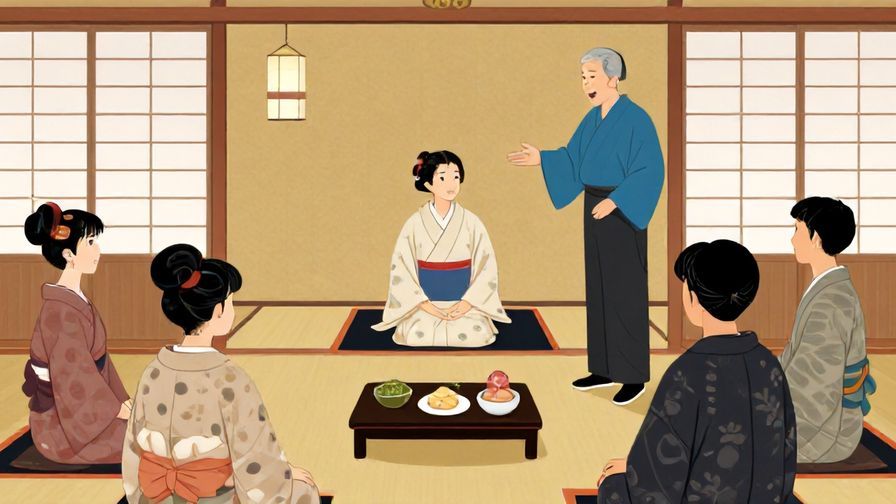
“Gojiyuu ni douzo” politely invites someone to feel free to make a choice.
“Go” (ご) is honorific, “jiyuu” (自由) means “freedom,” “ni” (に) is a particle, and “douzo” (どうぞ) means “please.”
It’s polite and warm, suitable for strangers or formal situations.
Use this when you want to offer freedom with a respectful tone.
It softens the invitation and makes the listener comfortable.
Perfect for hosts or service roles.
11. お決めください (Okime kudasai) – “Please decide.”

“Okime kudasai” is a polite command meaning “Please decide.”
“Okime” (お決め) is the honorific stem of “kimeru” (to decide), and “kudasai” (ください) is a polite request.
It’s often heard in shops or restaurants when staff ask for a customer’s choice.
This phrase is formal but gentle.
Use it when you want to politely prompt a decision.
It fits well in customer service or formal conversations.
12. ご判断はお任せします (Gohandan wa omakase shimasu) – “I leave the judgment to you.”

This formal phrase means “I leave the judgment to you.”
“Gohandan” (ご判断) is the honorific for “judgment,” “wa” (は) marks the topic, and “omakase shimasu” (お任せします) means “I entrust.”
It’s respectful and suitable for business or official contexts.
Use it to show deference while handing over decision-making.
The phrase conveys professionalism and trust.
Great for emails or meetings.
13. ご自身でお決めください (Gojishin de okime kudasai) – “Please decide for yourself.”

“Gojishin de okime kudasai” politely says “Please decide for yourself.”
“Gojishin” (ご自身) is the honorific for “yourself,” “de” (で) means “by,” and “okime kudasai” (お決めください) is “please decide.”
It’s very polite and formal.
Use it when you want to respect the listener’s autonomy in a refined way.
This phrase fits professional or official conversations.
It shows both respect and encouragement.
14. お好きにどうぞ (Osuki ni douzo) – “Feel free as you like.”
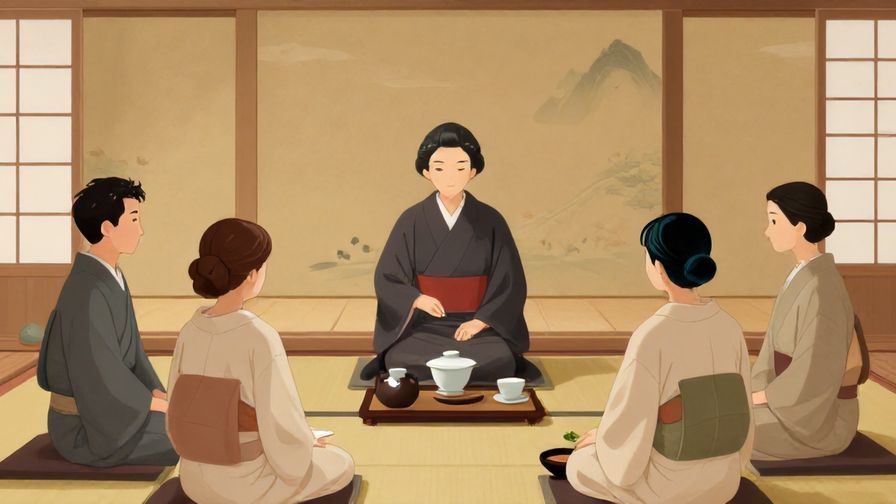
“Osuki ni douzo” means “Feel free as you like” in a polite tone.
“O” (お) is honorific, “suki ni” (好きに) means “as you like,” and “douzo” (どうぞ) means “please.”
It’s polite yet warm, often used in hospitality.
Use it when you want to grant freedom with a gentle touch.
This phrase makes listeners feel welcomed to choose.
Perfect in formal social gatherings.
15. ご判断はお任せいたします (Gohandan wa omakase itashimasu) – “I humbly leave the judgment to you.”

This is a very formal, humble version of leaving the decision to someone.
“Itashimasu” (いたします) is the humble form of “shimasu,” adding politeness.
Use it in very respectful situations or with superiors.
It shows utmost respect and trust.
Perfect for formal letters or speeches.
It’s an excellent phrase for professional settings requiring humility.
16. どちらでもお好きな方で (Dochira demo osuki na hou de) – “Either way, whichever you like.”

This phrase means “Either way, whichever you like,” politely giving options.
“Dochira demo” (どちらでも) means “either way,” “osuki na” (お好きな) is “favorite” with honorific, and “hou de” (方で) means “in the direction of” or “choice.”
It’s polite and neutral.
Use it when presenting options without pressure.
It’s a gentle way to say “It’s your choice.”
Great for customer service or polite conversations.
Part 3: Very Casual / Native-like Expressions
17. 任せた!(Maketa!) – “It’s up to you!” (very casual)

“Maketa!” is a super casual and energetic way to say “It’s up to you!”
It comes from “makaseru” (to entrust), shortened and with an exclamation.
Used among close friends or younger people.
It’s upbeat and trusting.
Don’t use it in formal settings.
Great for boosting a friend’s confidence with enthusiasm.
18. 自分でどうにかして (Jibun de dounika shite) – “Handle it yourself.”

This phrase means “Handle it yourself,” often used jokingly or casually.
“Jibun de” (自分で) means “by yourself,” and “dounika shite” (どうにかして) means “do something about it.”
It’s informal and can be playful or slightly blunt.
Use carefully among close friends who understand your tone.
It’s a fun way to say “It’s your decision” with a cheeky edge.
Perfect for teasing but not for serious talks.
19. 好きにやれば? (Suki ni yareba?) – “Why don’t you do as you like?”

“Suki ni yareba?” is a casual, slightly challenging way to say “Why don’t you do as you like?”
“Suki ni” (好きに) means “as you like,” and “yareba” (やれば) is the conditional form of “yaru” (to do), roughly “if you do.”
It’s very informal and can sound a bit sassy.
Use carefully to avoid sounding rude.
It’s common among close friends or siblings.
Great for playful, confident chats.
20. 決めてよ! (Kimete yo!) – “You decide!”

“Kimete yo!” is a casual, upbeat way to say “You decide!”
“Kimete” (決めて) is the request form of “kimeru” (to decide), and “yo” adds emphasis.
It’s friendly and inviting.
Use with friends or peers to encourage a quick decision.
It’s warm and a little playful.
Try it when you want to nudge someone gently.
21. 好きにしなよ (Suki ni shina yo) – “Do as you like.”

“Suki ni shina yo” means “Do as you like” in a very casual tone.
“Suki ni” (好きに) means “as you like,” “shina” (しな) is a casual imperative of “suru” (to do), and “yo” adds friendliness.
It’s informal and relaxed.
Use with close friends to show freedom.
It can sound a little indifferent, so use with care.
Perfect for laid-back settings.
22. どっちでもいいよ (Docchi demo ii yo) – “Either way is fine.”

“Docchi demo ii yo” means “Either way is fine,” letting the other person know you’re flexible.
“Docchi demo” (どっちでも) means “either,” and “ii yo” (いいよ) means “it’s okay” with a friendly tone.
It’s casual and reassuring.
Use it when you want to remove pressure from the decision.
Great for friends or informal chats.
This phrase helps keep things easygoing and stress-free.
Concluding Thought
Exploring these 22 Japanese ways to say “It’s your decision” gives you a toolkit for every occasion, from casual chats to formal meetings.
Choosing the right phrase shows respect for the other person’s autonomy and deepens your connection.
So go ahead, try these out in your conversations, and enjoy the warmth and nuance they bring to your Japanese communication!