22 Japanese ways to say “It’s your call”
Sometimes in life, making decisions can feel like passing the ball to someone else. You want to let them decide, but you want to be supportive, too.
In Japanese, there are many warm and casual ways to say “It’s your call,” perfect for different situations and moods.
Whether you’re chatting with friends, colleagues, or loved ones, knowing these phrases can help you sound natural and thoughtful.
Let’s explore 22 ways to express “It’s your call” in Japanese, from casual to polite, with easy pronunciation guides.
Learning these will add a fun and authentic touch to your conversations, making your Japanese even more relatable.
Ready to pass the decision-making baton gracefully? Let’s dive in!
Understanding “It’s Your Call” in Japanese
Before jumping into the phrases, it’s good to know that Japanese often expresses this idea by focusing on the listener’s freedom or responsibility to choose.
Many expressions revolve around words like “あなた (anata)” meaning “you,” or verbs like “決める (kimeru)” meaning “to decide.”
Some phrases are casual, others polite, so you can match the tone to your situation.

Sometimes, using a great beginner phrasebook can give you a perfect starting point for a cohesive understanding.
These phrases make it easier to communicate your trust in someone else’s judgment.
Keep these handy for your next conversation!
Part 1: Casual Suggestions
1. 任せるよ (Makaseru yo) – “I leave it to you.”

This is a classic casual phrase meaning you trust the other person to decide.
“任せる (makaseru)” means “to entrust,” and “よ (yo)” adds a friendly emphasis. It’s like saying, “I’m counting on you!”
Use it when you want to sound supportive but relaxed.
It works great among friends or teammates.
A related phrase is “全部任せるよ (Zenbu makaseru yo)” meaning “I leave everything to you.”
Try this one next time you want to hand over the reins with warmth.
2. 君次第だよ (Kimi shidai da yo) – “It’s up to you.”

“君次第 (kimi shidai)” literally means “depending on you.”
“君 (kimi)” is a casual “you” and “次第 (shidai)” means “depending on” or “it’s your choice.”
This phrase is easy to say and very common among peers.
Be careful not to use “君 (kimi)” with strangers or superiors as it can sound too informal.
Example: “明日の予定は君次第だよ (Ashita no yotei wa kimi shidai da yo)” – “Tomorrow’s plans are your call.”
It’s a friendly way to give decision power without pressure.
3. 好きにして (Suki ni shite) – “Do as you like.”

This phrase means “do whatever you want” or “do as you please.”
“好き (suki)” means “like,” and “にして (ni shite)” roughly means “to do.”
It’s casual and sometimes playful, perfect among close friends.
Use it when you genuinely don’t mind what the other person decides.
Just remember, it’s informal and might sound blunt in serious situations.
Example: “飲み物は好きにしていいよ (Nomimono wa suki ni shite ii yo)” – “The drink is your call.”
4. お任せします (Omakase shimasu) – “I leave it to you.” (Polite but often casual in restaurants)
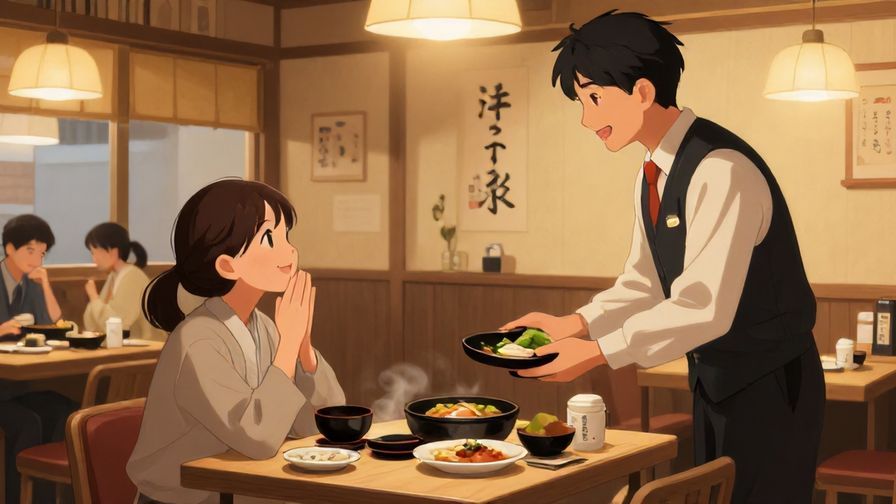
Though polite, this phrase is so common in casual dining, especially when you want the chef to pick your meal.
“お任せ (omakase)” means “leaving it to someone,” and “します (shimasu)” is a polite “do.”
It’s a respectful way to say “It’s your call,” especially in service settings.
Great for moments when you want to show trust and politeness.
Example: “今日はお任せします (Kyou wa omakase shimasu)” – “I’ll leave it to you today.”
Try it when dining out or in formal casual conversations.
5. 決めていいよ (Kimete ii yo) – “You can decide.”
“決めて (kimete)” is the te-form of “決める (kimeru),” meaning “to decide.”
“いいよ (ii yo)” means “it’s okay.” Together, it’s a friendly way to say “Go ahead and choose.”
It’s simple, direct, and casual.
Perfect for encouraging friends or family to take the lead.
Example: “どこに行くか決めていいよ (Doko ni iku ka kimete ii yo)” – “You can decide where to go.”
Easy to remember and very useful!
6. あなた次第だよ (Anata shidai da yo) – “It’s your choice.”

This is a polite but still casual way to tell someone that the decision is theirs.
“あなた (anata)” means “you,” and “次第 (shidai)” means “depending on.”
“だよ (da yo)” adds a friendly tone.
It’s often used in everyday conversation with people you’re close to but not too informal.
Example: “行くかどうかはあなた次第だよ (Iku ka dou ka wa anata shidai da yo)” – “Whether you go or not is your call.”
This phrase balances respect and casual friendliness.
7. あなたの自由だよ (Anata no jiyuu da yo) – “It’s your freedom.”

This phrase highlights that the choice is entirely up to the other person.
“自由 (jiyuu)” means “freedom,” so you’re basically saying, “You’re free to decide.”
It’s casual and friendly, perfect for encouraging independence.
Use when you want to gently emphasize personal freedom.
Example: “どうするかはあなたの自由だよ (Dousuru ka wa anata no jiyuu da yo)” – “What you do is your freedom.”
A nice way to empower someone politely but warmly.
8. 好きに決めていいよ (Suki ni kimete ii yo) – “You can decide however you like.”

This phrase combines “好きに (suki ni)” meaning “as you like” with “決めていいよ (kimete ii yo)” meaning “you can decide.”
It’s casual, very friendly, and conveys complete freedom to choose.
Perfect for informal chats with friends or family.
Example: “プレゼントは好きに決めていいよ (Purezento wa suki ni kimete ii yo)” – “You can decide the gift however you like.”
Great for showing openness and trust.
Part 2: Polite & Formal Suggestions
9. ご自由にどうぞ (Gojiyuu ni douzo) – “Please feel free.”
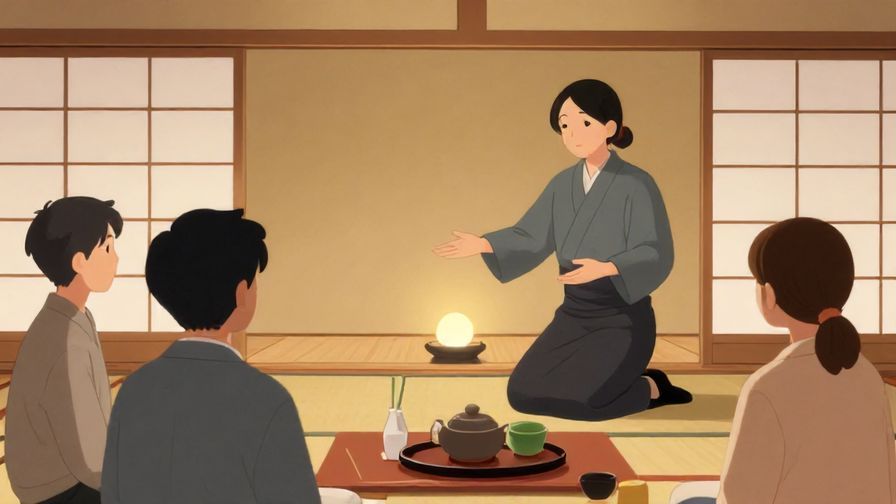
This phrase is polite and often used in formal or semi-formal contexts.
“ご自由に (gojiyuu ni)” means “freely,” and “どうぞ (douzo)” means “please.”
It’s a gentle way to say “It’s your call” or “Make yourself comfortable.”
Perfect in business or customer service settings.
Example: “ご自由にお選びください (Gojiyuu ni o-erabi kudasai)” – “Please feel free to choose.”
This phrase shows respect while giving freedom.
10. お決めください (Okime kudasai) – “Please decide.”

“お決め (okime)” is the polite stem of “決める (kimeru),” and “ください (kudasai)” is “please.”
Used formally to encourage someone to make a decision politely.
Great for business or respectful requests.
Example: “こちらからお決めください (Kochira kara okime kudasai)” – “Please decide from this.”
It’s formal but warm.
11. ご判断にお任せします (Gohandan ni omakase shimasu) – “I leave it to your judgment.”

“ご判断 (gohandan)” means “your judgment,” and “お任せします (omakase shimasu)” means “I entrust.”
A very polite and respectful phrase ideal for professional or formal situations.
Shows you value the other’s decision-making skills.
Example: “最終決定はご判断にお任せします (Saishuu kettei wa gohandan ni omakase shimasu)” – “I leave the final decision to your judgment.”
Perfect phrase to express trust and respect.
12. ご自由にお決めください (Gojiyuu ni okime kudasai) – “Please decide freely.”
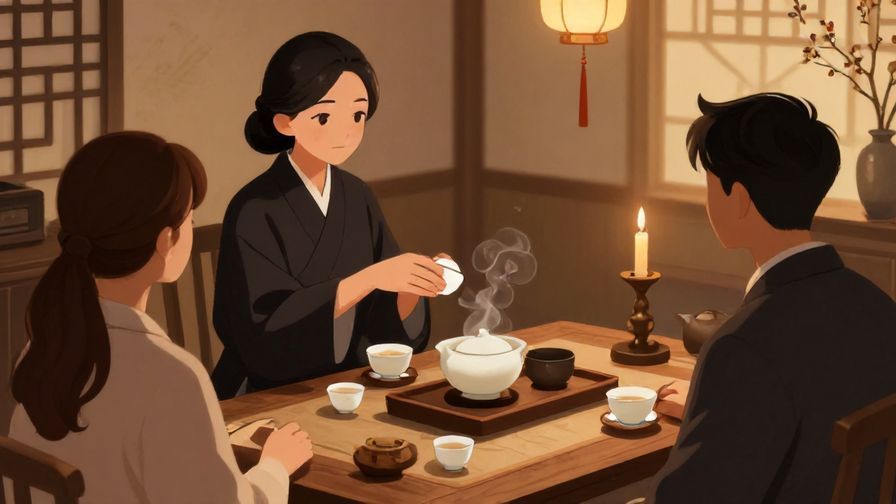
A polite way to give someone complete freedom to make a choice.
“ご自由に (gojiyuu ni)” means “freely,” and “お決めください (okime kudasai)” means “please decide.”
Good for polite invitations and customer service.
Example: “メニューはご自由にお決めください (Menyuu wa gojiyuu ni okime kudasai)” – “Please decide on the menu freely.”
Use this to sound courteous and respectful.
13. お好きにどうぞ (Osuki ni douzo) – “Please do as you like.”

“お好きに (osuki ni)” is the polite way of “好きに (suki ni),” and “どうぞ (douzo)” means “please.”
It’s a polite, gentle way to say “It’s your call.”
Perfect for formal or casual polite settings.
Example: “お好きにどうぞお選びください (Osuki ni douzo o-erabi kudasai)” – “Please choose as you like.”
Use this to give freedom with grace.
14. ご判断ください (Gohandan kudasai) – “Please make your judgment.”

A polite request for the other person to make a decision.
“ご判断 (gohandan)” means “your judgment,” and “ください (kudasai)” means “please.”
Common in business or official contexts.
Example: “こちらの件はご判断ください (Kochira no ken wa gohandan kudasai)” – “Please make your judgment on this matter.”
Shows respect and professionalism.
15. ご自由にお任せします (Gojiyuu ni omakase shimasu) – “I leave it to your freedom of choice.”

A polite phrase combining freedom and entrusting the decision.
“ご自由に (gojiyuu ni)” means “freely,” and “お任せします (omakase shimasu)” means “I entrust.”
Perfect for formal but warm delegation.
Example: “このプロジェクトはご自由にお任せします (Kono purojekuto wa gojiyuu ni omakase shimasu)” – “I leave this project to your freedom of choice.”
Use it to show trust and politeness simultaneously.
16. お決めになるのはあなたです (Okime ni naru no wa anata desu) – “The one who decides is you.”

This phrase clearly states that the decision is up to the other person in a polite way.
“お決めになる” is the honorific form of “decide,” and “あなたです” means “it’s you.”
Good for respectful reminders of the decision-maker.
Example: “最終的にお決めになるのはあなたです (Saishuuteki ni okime ni naru no wa anata desu)” – “Ultimately, the one who decides is you.”
Use when emphasizing responsibility politely.
Part 3: Very Casual / Native-like Expressions
17. お前に任せるわ (Omae ni makaseru wa) – “I’ll leave it to you.” (Very casual, masculine)

“お前 (omae)” is a very casual, sometimes rough “you,” mostly used by men.
“任せるわ (makaseru wa)” is a casual “I leave it to you” with a masculine tone.
Use this with close male friends but not in formal settings.
Example: “この試合はお前に任せるわ (Kono shiai wa omae ni makaseru wa)” – “I’ll leave this game to you.”
Sounds very natural and native among guys.
18. どうぞご勝手に (Douzo go katte ni) – “Do as you please.” (Sarcastic or casual)

This phrase literally means “please do as you please.”
“ご勝手に (go katte ni)” can sound a bit sarcastic or resigned depending on tone.
Use carefully in casual contexts, often among close friends.
Example: “もうどうぞご勝手に (Mou douzo go katte ni)” – “Well, do as you please then.”
It’s a native-like expression with nuance.
19. 好きにやれば? (Suki ni yareba?) – “Why don’t you do as you like?”

“やれば (yareba)” is “if you do,” so the phrase is like “If you want, do as you like.”
It’s casual and sometimes teasing.
Great for informal, playful conversations.
Example: “遅刻しても好きにやれば? (Chikoku shitemo suki ni yareba?)” – “If you’re late, go ahead and do as you like.”
Sounds very natural and native.
20. お前の好きにしろ (Omae no suki ni shiro) – “Do whatever you want.” (Rough, masculine)

This is a rough, masculine way to say “It’s your call.”
“しろ (shiro)” is the imperative form “do!”
Use only among very close friends or in casual male speech.
Example: “明日の予定はお前の好きにしろ (Ashita no yotei wa omae no suki ni shiro)” – “Tomorrow’s plans are up to you.”
Very direct and informal.
21. よし、任せた! (Yoshi, makaseta!) – “Alright, it’s your call!”

“よし (yoshi)” means “alright” or “okay,” and “任せた (makaseta)” is past tense “left it to you.”
It’s a casual, upbeat way to say “It’s your call.”
Great for encouraging friends confidently.
Example: “メニューはよし、任せた!(Menyuu wa yoshi, makaseta!)” – “Alright, it’s your call on the menu!”
Sounds very natural and supportive.
22. まあ、お好きにどうぞ (Maa, osuki ni douzo) – “Well, do as you like.”

“まあ (maa)” adds a soft “well” or “I guess,” making the phrase gentle and flexible.
“お好きにどうぞ (osuki ni douzo)” means “please do as you like.”
Use it when you want to sound laid-back and polite casually.
Example: “その問題はまあ、お好きにどうぞ (Sono mondai wa maa, osuki ni douzo)” – “Well, it’s your call on that issue.”
Perfect for relaxed conversations with friends or family.
Concluding Thought
Exploring these 22 ways to say “It’s your call” in Japanese shows just how rich and nuanced the language is when expressing trust and freedom.
From casual to formal, each phrase carries a unique tone that adds warmth and personality to your conversations.
So next time you want to pass the decision-making to someone else, you’ll know just the right phrase to make it feel natural and thoughtful. Go ahead, try them out and watch your Japanese sound more human and relatable!