22 Japanese ways to say “It’s up to fate”
Sometimes in life, we just have to accept that some things are beyond our control. Fate has a way of guiding us in mysterious directions, and the Japanese language has many beautiful ways to express this idea.
Whether you’re chatting with friends or reflecting quietly to yourself, these phrases capture the gentle acceptance that “It’s up to fate.”
Learning these expressions can help you connect more deeply with Japanese culture and add a poetic touch to your conversations.
From casual sayings to more formal expressions, this listicle covers 22 ways to say “It’s up to fate” in Japanese, complete with pronunciation guides and little nuggets of meaning.
Mastering a few of these will not only broaden your vocabulary but also give you a glimpse into how the Japanese view destiny and chance.
Let’s dive in and explore these lovely phrases together!
Getting Ready to Embrace Fate
Before we jump into the list, it’s good to know that many Japanese expressions about fate involve words like 運 (un, “luck/fate”), 縁 (en, “connection/fate”), and 定め (sadame, “destiny”).
These kanji often pop up in phrases that talk about things being “meant to be” or “written in the stars.”
Understanding these key words will give you a great foundation.
If you want to explore more about fate-related expressions, a handy Japanese idioms and expressions guide can be a fantastic resource.
These little phrases can make your conversations feel warm and thoughtful.
Plus, they offer a glimpse into a worldview that embraces both mystery and acceptance.
Part 1: Casual Suggestions
1. 行けたら行く (Iketara iku) – “I’ll come if I can.”
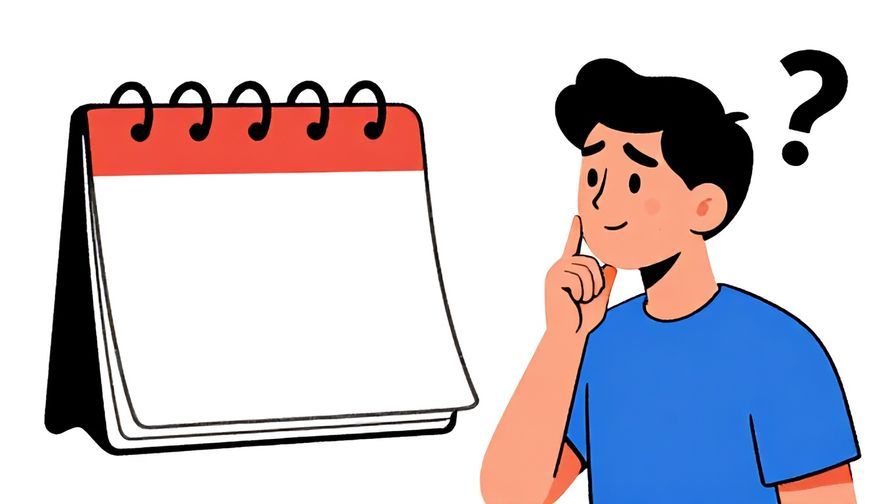
This phrase is a soft way to leave things open to chance without committing fully.
“行けたら” (iketara) means “if I can go,” and “行く” (iku) means “I’ll go.” Together, it’s a gentle way to say “It depends on how things go.”
It’s perfect for casual plans when you’re not sure if fate will allow it.
Using this phrase shows you’re flexible and realistic.
A related phrase is “タイミング次第” (taimingu shidai), meaning “depends on timing.”
It’s a friendly way to keep your options open without pressure.
2. どうなるか分からない (Dō naru ka wakaranai) – “I don’t know what will happen.”

This phrase expresses uncertainty about the future, implying that fate will decide.
“どうなるか” means “how things will turn out,” and “分からない” means “I don’t know.”
It’s a casual way to admit that outcomes are unpredictable.
Be careful not to sound too negative; it’s more about open-mindedness.
In conversation, you might say, “まだ決まってないよ、どうなるか分からない” (“It’s not decided yet, I don’t know what will happen”).
It’s a humble way to accept whatever fate brings.
3. 運次第 (Un shidai) – “Depends on luck/fate.”
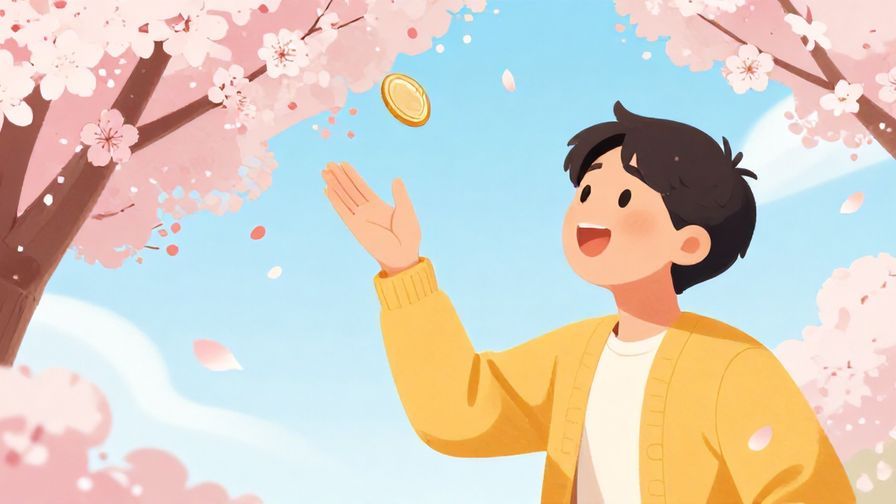
“運” (un) means “luck” or “fate,” and “次第” (shidai) means “depending on.”
This phrase straightforwardly says, “It’s up to fate.”
It’s short, common, and easy to slip into conversation.
Use it when you want to acknowledge that you can’t control the outcome.
For example: “結果は運次第だね” (“The result depends on fate”).
It’s practical and gets the point across clearly.
4. 縁があれば (En ga areba) – “If there is fate/connection.”

“縁” (en) means a destined connection or bond, often between people or events.
This phrase suggests that if fate allows it, something will happen.
It’s poetic and often used in romantic or meaningful contexts.
Be cautious to use it appropriately—it’s deeper than just “luck.”
For example: “また縁があれば会いましょう” (“If fate allows, let’s meet again”).
It reflects a warm, hopeful attitude toward destiny.
5. なるようになる (Naru yō ni naru) – “What will be, will be.”
This phrase embraces fate with a relaxed “let it be” vibe.
“なるように” means “in the way it will become,” and “なる” is “to become.”
It’s a comforting phrase to remind yourself not to stress over the uncontrollable.
People use it to encourage acceptance.
For example: “心配しないで、なるようになるよ” (“Don’t worry, what will be, will be”).
It’s simple and deeply calming.
6. 天命だね (Tenmei da ne) – “It’s destiny.”

“天命” (tenmei) refers to a heavenly mandate or destiny.
This phrase is a bit stronger and more formal, implying something is meant to happen by divine will.
It’s often used to express acceptance of fate’s grand design.
Use it when you want to acknowledge a serious or important destined event.
Example: “この出会いは天命だね” (“This meeting is destiny”).
It adds a spiritual flavor to fate.
7. 運命のいたずら (Unmei no itazura) – “Fate’s mischief.”
This phrase playfully suggests that fate can be tricky or mischievous.
“運命” (unmei) means “fate,” and “いたずら” (itazura) means “mischief” or “prank.”
It’s great for lighthearted conversations when things don’t go as planned.
It adds humor to the idea of fate being unpredictable.
For example: “また運命のいたずらだね” (“It’s fate’s mischief again”).
It’s a charming way to shrug off setbacks.
8. 流れに任せる (Nagare ni makaseru) – “Leave it to the flow.”

This phrase means to surrender to the natural flow of events.
“流れ” (nagare) means “flow,” and “任せる” (makaseru) means “to entrust.”
It’s a relaxed way to say you’re letting fate take its course.
Perfect for moments when you want to express calm acceptance.
Example: “あまり考えずに流れに任せよう” (“Let’s leave it to the flow without overthinking”).
It’s a refreshing mindset to adopt.
Part 2: Polite & Formal Suggestions
9. 運命に任せる (Unmei ni makaseru) – “Entrust it to fate.”

This is a polite and respectful way to say you leave things to destiny.
“任せる” (makaseru) means “to entrust,” so it shows humility and acceptance.
It’s suitable for formal conversations or writing.
Avoid using it in overly casual contexts to keep the tone appropriate.
For example: “結果は運命に任せます” (“I entrust the result to fate”).
It sounds thoughtful and sincere.
10. 仕方がない (Shikata ga nai) – “It can’t be helped.”

This phrase expresses acceptance that some things are beyond control.
Literally, “仕方” (shikata) means “way/method,” and “がない” (ga nai) means “there isn’t.”
It’s very common and polite enough for many situations.
Don’t confuse it with frustration—it’s more about peaceful acceptance.
Example: “今回は仕方がないですね” (“This time, it can’t be helped”).
It’s a practical phrase that fits many moments.
11. 天の配剤 (Ten no haizai) – “Heaven’s arrangement.”
This very formal phrase expresses that fate is like a divine plan.
“天” (ten) means “heaven,” and “配剤” (haizai) means “arrangement” or “dispensation.”
It sounds poetic and respectful, often used in literature or formal speeches.
It’s not common in everyday talk but great to know for deeper understanding.
Example: “すべては天の配剤です” (“Everything is heaven’s arrangement”).
It adds a noble tone to the idea of fate.
12. 時の運 (Toki no un) – “Luck of the moment.”
This phrase focuses on the “luck” or “fate” of timing.
“時” (toki) means “time,” and “運” (un) means “luck/fate.”
It’s a formal yet accessible way to talk about fate’s timing.
Use it when emphasizing that timing plays a big role in outcomes.
Example: “成功は時の運だと言われています” (“Success is said to be the luck of the moment”).
It highlights the importance of fate’s timing.
13. 人知を超えたもの (Jinchi o koeta mono) – “Something beyond human knowledge.”

This phrase is a poetic way to acknowledge fate as beyond human control.
“人知” (jinchi) means “human knowledge,” and “超えたもの” (koeta mono) means “thing that surpasses.”
It’s often used philosophically or spiritually.
Not for casual chats but great for deep discussions.
Example: “それは人知を超えたものです” (“That is something beyond human knowledge”).
It honors the mystery of fate.
14. 定められた道 (Sadamerareta michi) – “The destined path.”

This phrase speaks about a path predetermined by fate.
“定められた” (sadamerareta) means “determined” or “destined,” and “道” (michi) means “road/path.”
It’s formal and often used in storytelling or reflective moments.
Use it to describe life’s journey as guided by destiny.
Example: “彼は定められた道を歩んでいる” (“He is walking the destined path”).
It adds a sense of purpose and acceptance.
15. 夢のまた夢 (Yume no mata yume) – “A dream within a dream.”

This phrase suggests that what we hope for might be just fate’s illusion.
“夢” (yume) means “dream,” and “また” (mata) means “again.”
It’s often used to express something that’s unlikely or out of reach, but tied to fate’s whimsy.
Use it with a poetic twist in conversations.
Example: “それは夢のまた夢だね” (“That’s a dream within a dream”).
It’s a beautiful, bittersweet way to talk about fate.
16. 巡り合わせ (Meguriai) – “Chance encounter/destiny.”

“巡り合わせ” (meguriai) means a fated meeting or encounter.
It’s a polite and common phrase for describing fate’s role in bringing people together.
Use it in social or romantic contexts.
Example: “彼との出会いは巡り合わせだと思う” (“I think meeting him was fate”).
It’s warm and heartfelt.
Part 3: Very Casual / Native-like Expressions
17. なるようになれ (Naru yō ni nare) – “Let what will be, be.”

This is a casual, confident way to say “It’s up to fate.”
“なれ” is a command form encouraging fate to do its thing.
It’s used among friends to shrug off worries.
Be mindful it can sound a bit rough if used in formal settings.
Example: “心配しすぎないで、なるようになれ!” (“Don’t worry too much, let what will be, be!”).
It’s a lively, native-like phrase.
18. 仕方ないっしょ (Shikata nai ssho) – “Can’t be helped, right?”

A very casual and slightly slangy way to say “It can’t be helped.”
Adding “っしょ” makes it sound friendly and informal.
Perfect for chatting with close friends.
Don’t use it in formal or professional situations.
Example: “まあ、仕方ないっしょ” (“Well, can’t be helped, right?”).
It adds a laid-back vibe to fate acceptance.
19. 気にすんな (Ki ni sunna) – “Don’t worry about it.”

This phrase is a casual way to encourage someone to let go and accept fate.
“気にする” means “to worry,” and “すんな” is a slangy negative command.
It’s very common among young people.
Use it when comforting friends.
Example: “そんなこと、気にすんなよ” (“Don’t worry about that”).
It’s friendly and supportive.
20. まあ、なるようになるよ (Mā, naru yō ni naru yo) – “Well, what will be, will be.”

This phrase combines casual speech with a gentle acceptance of fate.
“まあ” is like “well” or “anyway,” and “よ” adds friendliness.
It’s perfect for everyday chats.
Example: “大丈夫、まあ、なるようになるよ” (“It’s okay, well, what will be, will be”).
It’s comforting and easy to use.
21. 人事を尽くして天命を待つ (Jinji o tsukushite tenmei o matsu) – “Do your best and wait for fate.”

This phrase is a native proverb emphasizing effort plus acceptance of fate.
“人事を尽くす” means “to do everything humanly possible,” and “天命を待つ” means “wait for destiny.”
It’s a bit long but very meaningful.
Use it to express a balanced mindset.
Example: “努力はしたから、あとは人事を尽くして天命を待つだけだ” (“I’ve done my best, now I just wait for fate”).
It’s wise and deeply Japanese.
22. 仕方がねえな (Shikata ga nee na) – “Can’t be helped” (very casual, masculine)

This is a very casual, masculine slang version of “仕方がない.”
It’s commonly used among male friends or in informal settings.
Be careful with tone; it can sound rough if used inappropriately.
Example: “もう仕方がねえな” (“Well, can’t be helped”).
It’s blunt but natural in casual talk.
Concluding Thought
Exploring these 22 Japanese ways to say “It’s up to fate” opens a window into how deeply the concept of destiny is woven into everyday language and culture.
From casual expressions to poetic phrases, each one carries a unique shade of acceptance, hope, or humor about the unpredictable flow of life.
So next time you face the unknown, try using one of these phrases to share a little of that warm, human feeling that comes with trusting fate’s gentle hand.