22 Japanese ways to say “It’s now or never”
Sometimes life throws those moments at us, where we have to take a leap or miss the chance forever.
In Japanese, there are many warm and expressive ways to say “It’s now or never.”
Whether you’re gearing up to make a bold move or encouraging a friend, the right phrase can capture that urgency perfectly.
Let’s dive into 22 Japanese expressions that mean “It’s now or never,” each with its own flavor and nuance.
Learning these will not only boost your Japanese but also help you connect deeply with moments of decision and courage.
Ready to seize the moment? Let’s get started!
Understanding the Urgency in Japanese
Expressing urgency or the feeling of “now or never” in Japanese can range from casual to formal, and sometimes poetic.
There’s a lot of richness in how context shapes these expressions, and knowing when to use each is key.
From everyday slang to formal sayings, it’s all about capturing that spark of decisive action.

For a handy guide to Japanese phrases, consider checking out a beginner phrasebook to start building your confidence.
With practice, these expressions will flow naturally, fitting perfectly into your conversations.
Let’s explore the first batch of casual and useful ways to say “It’s now or never.”
Part 1: Casual Suggestions
1. 今しかない (Ima shika nai) – “There’s only now.”
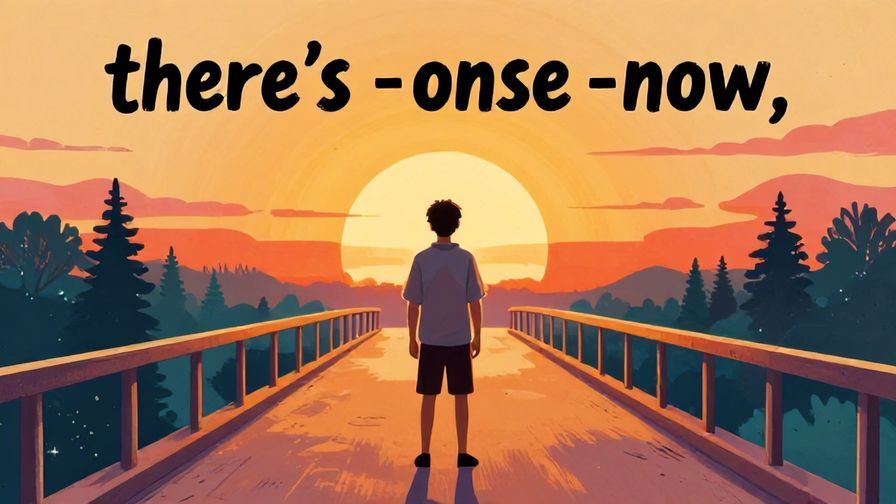
This phrase is one of the most straightforward ways to say “It’s now or never.”
“今” (Ima) means “now,” “しか” (shika) means “only,” and “ない” (nai) means “not” or “there isn’t.” Together, it literally says “only now exists.”
It’s casual but packed with meaning, perfect for encouraging someone to act immediately.
It’s a great go-to when you want to remind yourself or others that the moment won’t wait.
A similar phrase is “今がチャンス” (Ima ga chansu) meaning “Now is the chance.”
Using “今しかない” is like telling yourself, “No more delays, this is it!”
2. 思い切って (Omoikitte) – “Make up your mind and go for it.”

“思い切って” means to “decide boldly” or “go all out.”
It carries an energetic push to take the plunge, making it perfect for “now or never” moments.
It’s often used as an adverb, like “Think it through and then just do it!”
One common mistake is to hesitate after using this phrase; it’s meant to motivate decisive action.
In conversation, you might hear “思い切ってやってみよう!” (Omoikitte yatte miyou!) – “Let’s boldly try it!”
It’s a phrase full of positive energy and courage.
3. 逃したら終わり (Nogashitara owari) – “If you miss it, it’s over.”

This phrase is a bit more dramatic but very effective.
“逃したら” (Nogashitara) means “if you miss,” and “終わり” (owari) means “the end.”
It emphasizes that missing this chance means no second chances.
It’s perfect for serious situations where urgency is critical.
Use it to stress the importance of acting now, like “逃したら終わりだよ!” (Nogashitara owari dayo!) – “If you miss it, that’s it!”
This one really drives home the “never again” feeling.
4. 今が勝負 (Ima ga shoubu) – “Now is the showdown.”

“今が勝負” literally means “Now is the match” or “Now is the fight.”
It’s used when you’re at a critical point and must give your all.
It’s casual but carries a strong sense of urgency and challenge.
People often say this before exams, job interviews, or competitions.
Try it out: “今が勝負だ、頑張ろう!” (Ima ga shoubu da, ganbarou!) – “Now is the time, let’s do our best!”
It’s motivational and action-oriented.
5. 後がない (Ato ga nai) – “There’s no way back.”

This phrase means “There’s no future left” or “No backup plan.”
It stresses that you must act now because there’s no turning back.
It’s often used in tense situations to highlight the stakes involved.
People use it to express decisive moments, like “後がないから頑張るしかない” (Ato ga nai kara ganbaru shika nai) – “There’s no way back, so I have to do my best.”
It’s a powerful reminder that the moment is urgent and final.
Perfect for those “do or die” moments.
6. チャンスは一度きり (Chansu wa ichido kiri) – “Chance comes only once.”

This phrase means “You only get one chance.”
“チャンス” (Chansu) is “chance,” “一度” (ichido) means “once,” and “きり” (kiri) means “only.”
It’s a gentle but firm way to say “Don’t miss this chance.”
It’s often used to encourage people to take advantage of rare opportunities.
Example: “チャンスは一度きりだから、挑戦しよう!” (Chansu wa ichido kiri dakara, chousen shiyou!) – “Chance comes only once, so let’s challenge ourselves!”
This phrase is great for motivating friends or yourself.
7. 今すぐやらないと (Ima sugu yaranai to) – “If you don’t do it now…”

This phrase literally means “If you don’t do it right now…” and implies urgency.
It’s a common way to stress the importance of immediate action.
It’s casual and often used in everyday conversations.
Be careful not to overuse it, or it can sound pushy.
Example: “今すぐやらないと間に合わないよ!” (Ima sugu yaranai to maniawanai yo!) – “If you don’t do it now, you won’t make it!”
It’s a simple and effective phrase for quick motivation.
8. ここが勝負どころ (Koko ga shoubu dokoro) – “This is the critical moment.”

“勝負どころ” (shoubu dokoro) means “critical point” or “moment of truth.”
“ここが勝負どころ” means “This is the critical moment.”
It highlights the importance of the current moment to decide or act.
It’s a phrase that encourages focus and commitment.
Example: “ここが勝負どころだから、全力を出そう!” (Koko ga shoubu dokoro dakara, zenryoku o dasou!) – “This is the critical moment, so let’s give it our all!”
Use it to pump yourself or others up.
Part 2: Polite & Formal Suggestions
9. 今を逃すわけにはいかない (Ima o nogasu wake ni wa ikanai) – “I can’t afford to miss now.”

This phrase is more formal and polite, perfect for professional or serious contexts.
“今を逃す” (Ima o nogasu) means “to miss now,” and “わけにはいかない” (wake ni wa ikanai) means “cannot afford to.”
It expresses a strong determination to seize the moment.
It’s useful in business meetings or formal speeches.
Example: “このプロジェクトは今を逃すわけにはいきません。” (Kono purojekuto wa ima o nogasu wake ni wa ikimasen.) – “We can’t afford to miss this project now.”
It’s a respectful yet firm phrase to signal urgency.
10. 今こそ決断の時です (Ima koso ketsudan no toki desu) – “Now is truly the time to decide.”

This phrase is formal and often used in speeches or serious discussions.
“今こそ” (Ima koso) means “now indeed,” “決断の時” (ketsudan no toki) means “the time to decide.”
Use it to emphasize that this is the moment for a big decision.
It carries a sense of encouragement and leadership.
Example: “今こそ決断の時です。皆さん、力を合わせましょう。” (Ima koso ketsudan no toki desu. Minasan, chikara o awasemashou.) – “Now is the time to decide. Everyone, let’s unite our strength.”
This phrase inspires confidence and action.
11. 今を逃すと二度とない (Ima o nogasu to nido to nai) – “If you miss now, there won’t be a second time.”

A formal way to express “It’s now or never.”
“二度とない” (nido to nai) means “never again.”
This phrase stresses the uniqueness of the current chance.
It’s great for polite reminders or formal advice.
Example: “今を逃すと二度とないので、慎重に行動しましょう。” (Ima o nogasu to nido to nai node, shinchou ni koudou shimashou.) – “If we miss now, there won’t be a second time, so let’s act carefully.”
It balances urgency with caution.
12. ここで決めなければならない (Koko de kimenakereba naranai) – “We must decide here.”

This formal phrase means “We have to decide at this moment.”
It’s direct and suitable for group settings where decisions are made.
It conveys the necessity of making a choice now.
Example: “ここで決めなければならないことが多いです。” (Koko de kimenakereba naranai koto ga ooi desu.) – “There are many things we must decide here.”
It’s useful in professional or organizational environments.
Use it to emphasize urgency without sounding aggressive.
13. 今を大切にしよう (Ima o taisetsu ni shiyou) – “Let’s cherish the present.”

This polite and gentle phrase encourages valuing the current moment.
It’s less direct but carries the same “now or never” spirit through appreciation.
Great for heartfelt conversations or motivational talks.
Example: “今を大切にしよう。未来は自分で作るものだ。” (Ima o taisetsu ni shiyou. Mirai wa jibun de tsukuru mono da.) – “Let’s cherish the present. The future is something we create ourselves.”
It’s inspiring and hopeful.
14. 今がその時です (Ima ga sono toki desu) – “Now is that moment.”

A formal and poetic way to say “It’s now or never.”
“その時” (sono toki) means “that time” or “the moment.”
It’s elegant and often used in speeches or writing.
Example: “今がその時です。ためらわず進みましょう。” (Ima ga sono toki desu. Tamerawazu susumimashou.) – “Now is that moment. Let’s move forward without hesitation.”
It adds a sense of destiny to the idea of urgent action.
15. 今、決断しなければなりません (Ima, ketsudan shinakereba narimasen) – “We must decide now.”

This phrase is direct, formal, and leaves no room for delay.
Great for business or formal situations where decisions are time-sensitive.
It’s clear, polite, and authoritative.
Example: “今、決断しなければなりません。時間がありません。” (Ima, ketsudan shinakereba narimasen. Jikan ga arimasen.) – “We must decide now. There is no time.”
It’s a solid phrase to communicate urgency respectfully.
16. 時は待ってくれない (Toki wa matte kurenai) – “Time won’t wait.”

This phrase is a poetic reminder that time is fleeting.
It’s polite but carries a strong sense of urgency.
Use it to inspire action before it’s too late.
Example: “時は待ってくれない。今すぐ動こう。” (Toki wa matte kurenai. Ima sugu ugokou.) – “Time won’t wait. Let’s move right now.”
A great phrase for speeches or advice.
Part 3: Very Casual / Native-like Expressions
17. 今やらなきゃ意味ない (Ima yaranakya imi nai) – “If you don’t do it now, it’s pointless.”

This super casual phrase is common among friends.
“やらなきゃ” (yaranakya) is a contracted form of “やらなければ” meaning “if you don’t do.”
It’s blunt and emphasizes immediate action.
Example: “今やらなきゃ意味ないよ!” (Ima yaranakya imi nai yo!) – “If you don’t do it now, it’s meaningless!”
Perfect for informal encouragement or teasing.
18. 今行かなきゃ損 (Ima ikanakya son) – “If you don’t go now, you lose out.”

This is a casual phrase meaning “You’ll miss out if you don’t act now.”
“損” (son) means “loss” or “disadvantage.”
It’s often used to hype up spontaneous decisions.
Example: “今行かなきゃ損だよ!” (Ima ikanakya son da yo!) – “You’ll lose out if you don’t go now!”
Great for inviting friends or making quick plans.
19. 今がチャンスだよ (Ima ga chansu da yo) – “Now is the chance.”
Simple and direct, this phrase is very common in casual speech.
It encourages seizing the moment with a friendly tone.
Example: “今がチャンスだよ、やってみよう!” (Ima ga chansu da yo, yattemiyou!) – “Now’s your chance, let’s try it!”
Easy to remember and use in everyday talk.
20. 今すぐ決めちゃおう (Ima sugu kimechaou) – “Let’s decide right now.”

Using the casual and friendly “ちゃおう” ending makes this phrase feel upbeat and spontaneous.
It’s perfect when you want to push a group to make a quick choice.
Example: “もう迷ってないで、今すぐ決めちゃおう!” (Mou mayottenaide, ima sugu kimechaou!) – “Stop hesitating, let’s decide right now!”
Great for casual gatherings or quick plans.
21. 今しかないんだって (Ima shika nain datte) – “They say there’s only now.”

This phrase uses “んだって” to report something heard, adding a conversational nuance.
It’s casual and often used to boost motivation by sharing info.
Example: “今しかないんだって、急ごう!” (Ima shika nain datte, isogou!) – “They say there’s only now, let’s hurry!”
It’s a fun way to create excitement and urgency.
22. チャンスを逃すなよ (Chansu o nogasu na yo) – “Don’t miss the chance.”

This is a direct, casual command to seize the chance.
It’s friendly but firm, often used among peers.
Example: “チャンスを逃すなよ、絶対やろう!” (Chansu o nogasu na yo, zettai yarou!) – “Don’t miss the chance, let’s definitely do it!”
Perfect for motivating friends before a big moment.
Concluding Thought
Exploring these 22 Japanese expressions shows how beautifully nuanced urgency and decisive moments can be.
From polite to casual, each phrase offers a warm way to say “It’s now or never” and inspire action.
So next time you face a big decision, try one of these phrases to capture the spirit of the moment and take that leap with confidence!