22 Japanese ways to say “It’s not you, it’s me”
Breaking up is never easy — especially when you want to soften the blow with kindness and care. The classic English phrase “It’s not you, it’s me” is a gentle way to take responsibility, but how do you say that in Japanese?
Japanese has many nuanced ways to express this sentiment, each with its own tone and level of formality. From casual to polite, from straightforward to heartfelt, there’s something here for every situation.
Whether you’re learning Japanese or just curious about how different cultures handle sensitive conversations, this list has got you covered.
We’ll explore 22 warm and relatable ways to say “It’s not you, it’s me” that feel natural and respectful.
Along the way, you’ll pick up pronunciation tips and little insights that make these phrases easy to remember and use.
Ready to learn some Japanese break-up wisdom? Let’s dive in!
Understanding the Nuance: Why So Many Ways?
Japanese communication often values harmony and subtlety, which means there are many ways to soften a message like “It’s not you, it’s me.”
Depending on your relationship, setting, and personality, you might choose a casual phrase with close friends or a more formal one for delicate situations.
Each expression carries its own flavor, from lighthearted to sincere, so knowing a few options helps you sound both natural and thoughtful.
Sometimes, using a great cultural guidebook can deepen your understanding of these nuances.
Remember, the key is not just what you say, but how you say it.
With that in mind, here are 22 ways to express “It’s not you, it’s me” in Japanese.
Part 1: Casual Suggestions
1. 私のせいだよ (Watashi no sei da yo) – “It’s my fault.”
This is a simple and honest way to take responsibility.
“Watashi” (わたし) means “I,” “no” (の) is a possessive particle, “sei” (せい) means “fault,” and “da yo” (だよ) adds a casual, friendly tone.
It’s a straightforward phrase that feels sincere without being too heavy.
Perfect for casual conversations where you want to acknowledge your part gently.
A related phrase is “Boku no sei da” (ぼくのせいだ) if you want to sound more masculine.
Using this phrase shows maturity and respect for the other person’s feelings.
2. 君のせいじゃない (Kimi no sei janai) – “It’s not your fault.”

To reassure someone gently, this phrase shifts the focus away from them.
“Kimi” (きみ) means “you” (casual), “no” (の) is possessive, “sei” (せい) means “fault,” and “janai” (じゃない) means “is not.”
It’s a kind way to make sure they know they aren’t to blame.
This phrase is often paired with “Watashi no sei da” to balance responsibility.
Be careful not to sound too formal; it’s best used in close relationships.
It’s a compassionate way to ease tension and keep things friendly.
3. 自分の問題なんだ (Jibun no mondai nan da) – “It’s my problem.”
This phrase emphasizes that the issue lies within yourself.
“Jibun” (じぶん) means “myself,” “no” (の) is possessive, “mondai” (もんだい) means “problem,” and “nan da” (なんだ) adds explanation.
It’s a humble way to admit your part without blaming others.
Great for moments when you want to express introspection.
Pair it with soft body language to convey sincerity.
It helps keep the conversation gentle and respectful.
4. 私の気持ちの問題だよ (Watashi no kimochi no mondai da yo) – “It’s an issue with my feelings.”
This phrase reflects emotional responsibility.
“Kimochi” (きもち) means “feelings” or “emotions.”
It shows you’re aware that the problem comes from within your emotional state.
It’s a gentle, heartfelt way to explain why things aren’t working.
Use it when you want to be honest but kind.
This phrase invites understanding without assigning blame.
5. あなたのせいじゃないよ (Anata no sei janai yo) – “It’s not your fault.”

“Anata” (あなた) means “you” in a slightly more polite way than “kimi.”
Adding “yo” (よ) at the end makes the phrase sound more reassuring.
This phrase is perfect if you want to be gentle and clear.
It works well in both casual and semi-formal settings.
Be mindful of tone, as “anata” can sometimes feel distant.
Use it to comfort someone when you want to emphasize no blame.
6. 自分のせいだから (Jibun no sei dakara) – “Because it’s my fault.”
This phrase states you’re accepting responsibility straightforwardly.
“Dakara” (だから) means “because,” adding a reason.
It’s a clear, honest way to say the breakup is on you.
Great for avoiding misunderstandings.
Keep your tone soft to convey warmth.
It’s a simple phrase that shows accountability.
7. 私の問題だね (Watashi no mondai da ne) – “It’s my problem, you know.”
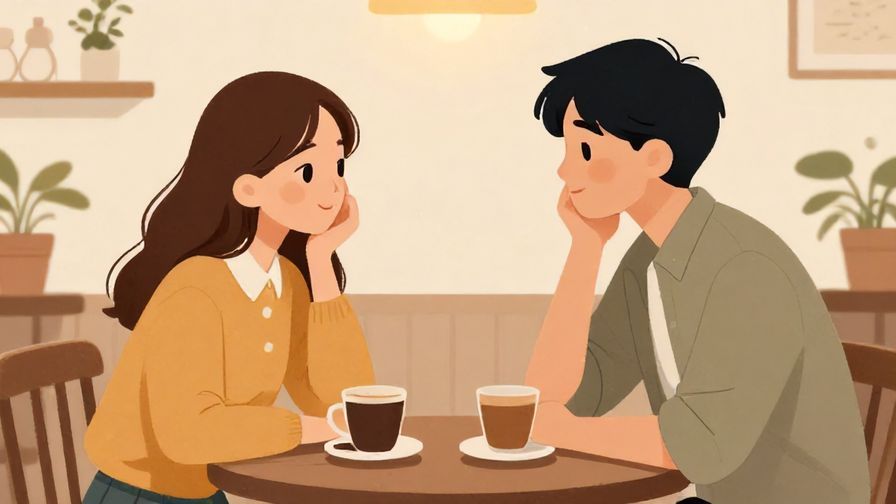
Adding “ne” (ね) makes the phrase sound softer and inviting agreement.
This phrase gently expresses that the issue is yours.
It’s casual and friendly, suitable for close relationships.
Use it to share your feelings in a non-confrontational way.
It helps keep communication open and honest.
“Ne” encourages empathy from the listener.
8. 自分のせいなんだ (Jibun no sei nan da) – “It’s my fault.”
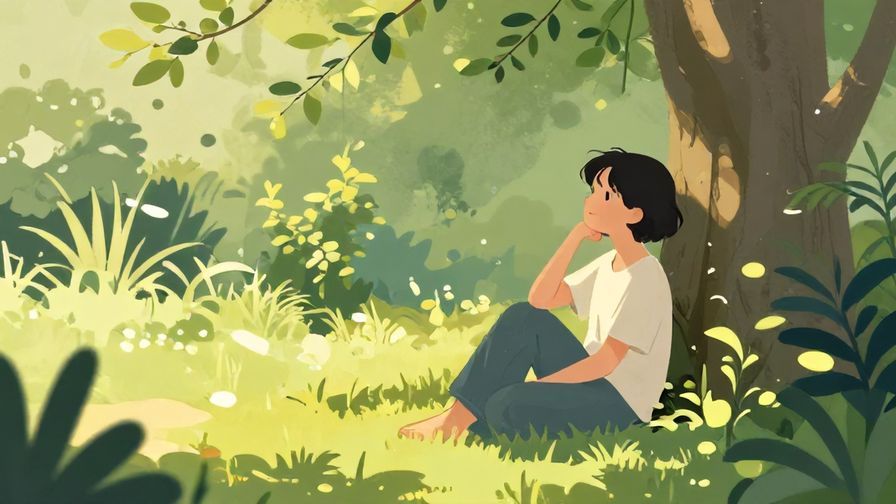
Similar to “Watashi no sei da,” but with “nan da” for a slightly explanatory tone.
It feels personal and sincere.
Good for moments when you want to clarify your responsibility.
Use this phrase to avoid hurting the other person’s feelings.
It’s a humble way to say “It’s me, not you.”
Practice saying it with a gentle tone for best effect.
Part 2: Polite & Formal Suggestions
9. 私に問題があります (Watashi ni mondai ga arimasu) – “There is a problem with me.”

This phrase is polite and formal, great for respectful conversations.
“Arimasu” (あります) means “there is,” making it more neutral and less direct.
It’s a good choice when you want to keep distance but be honest.
Helps avoid harshness in difficult talks.
Works well in professional or formal breakups.
Using this shows maturity and respect for the other person.
10. 私の問題でございます (Watashi no mondai de gozaimasu) – “It is my problem.” (Very formal)
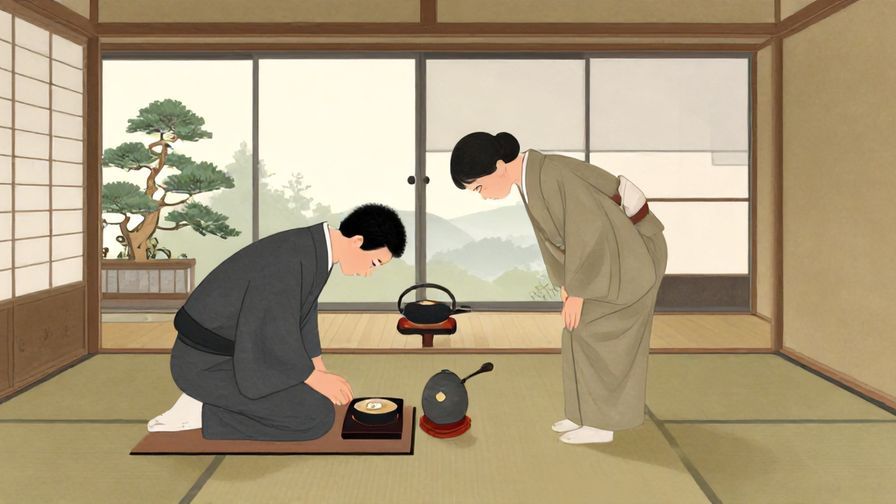
This phrase uses “de gozaimasu,” a super polite form.
It’s ideal for very formal or official situations.
Shows deep respect and takes full responsibility.
May feel distant for personal relationships but perfect for formal apologies.
Usually reserved for business or very polite contexts.
Using this phrase signals seriousness and humility.
11. 私の責任です (Watashi no sekinin desu) – “It is my responsibility.”
“Sekinin” (せきにん) means “responsibility.”
This phrase carries weight and shows you’re owning the situation.
Polite and appropriate for mature conversations.
It’s a respectful way to say “It’s me, not you.”
Helps maintain dignity on both sides.
Use it if you want to sound accountable without blaming.
12. 私に問題がございます (Watashi ni mondai ga gozaimasu) – “There is a problem with me.” (Very formal)
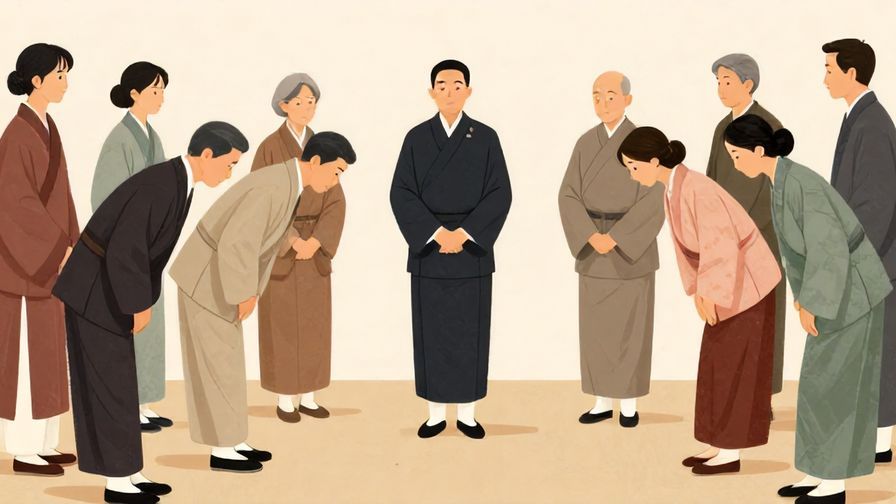
“Gozaimasu” is the most polite form of “to be.”
Even more formal than “arimasu,” useful in very respectful situations.
Shows humility and deference.
Good for formal apologies or serious conversations.
May feel too stiff in casual contexts.
Use when you want to be extremely polite and take full responsibility.
13. 私の考え方の問題です (Watashi no kangaekata no mondai desu) – “It’s a problem with my way of thinking.”
This phrase is polite and introspective.
“Kangaekata” (かんがえかた) means “way of thinking.”
It suggests the issue is internal and personal.
Shows self-awareness in a respectful way.
Good for formal or heartfelt conversations.
It helps soften the impact by focusing on personal growth.
14. 私の感情の問題です (Watashi no kanjō no mondai desu) – “It’s a problem with my emotions.”
This phrase politely addresses emotional issues.
“Kanjō” (かんじょう) means “emotion.”
It’s a delicate way to explain your feelings are the cause.
Good for formal situations where emotions are involved.
Conveys sincerity and respect.
Use this to express vulnerability with politeness.
15. 私の都合で申し訳ありません (Watashi no tsugō de mōshiwake arimasen) – “I’m sorry because of my circumstances.”
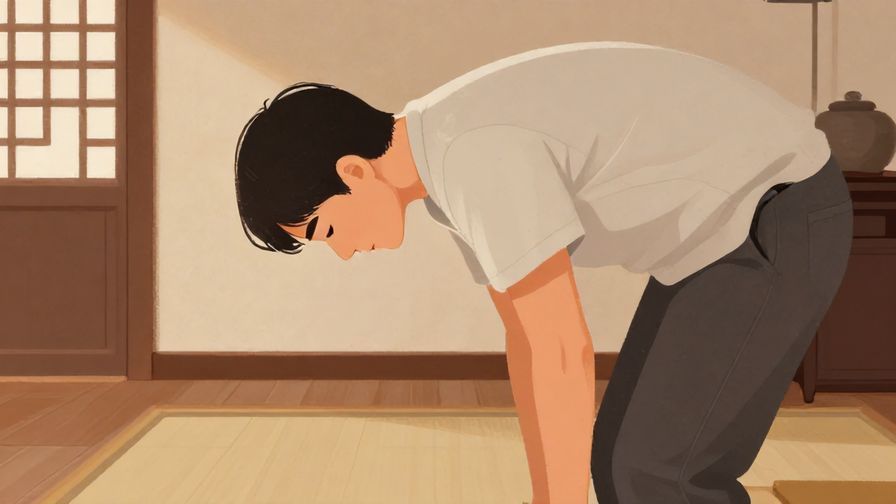
“Tsugō” (つごう) means “circumstances” or “convenience.”
“Mōshiwake arimasen” is a very polite apology.
It’s a formal way to say the breakup is due to your situation.
Good for respectful, serious conversations.
Avoid using this casually; it’s quite formal.
Shows deep regret and responsibility.
16. 私の問題で、ごめんなさい (Watashi no mondai de, gomen nasai) – “Sorry, it’s my problem.”
This phrase combines responsibility with a polite apology.
“Gomen nasai” is a polite “sorry.”
It’s good for semi-formal contexts where you want to be sincere and gentle.
Helps soften the message while owning the problem.
Keep your tone warm to avoid sounding too stiff.
It’s a nice balance of accountability and kindness.
Part 3: Very Casual / Native-like Expressions
17. オレのせいだ (Ore no sei da) – “It’s my fault.” (Masculine, casual)

“Ore” (オレ) is a masculine way to say “I.”
This phrase is casual and straightforward.
It’s common among men in informal settings.
Use with close friends or partners.
Shows you’re owning up without being overly formal.
It’s a natural, native-like way to express responsibility.
18. 俺の問題だな (Ore no mondai da na) – “It’s my problem, huh.”

The “na” (な) adds a casual, reflective tone.
It’s very informal and conversational.
Good for close relationships where you want to sound natural.
Be mindful: too casual for formal contexts.
It’s like saying “Yeah, it’s my problem.”
Use it to sound more native and laid-back.
19. 俺のせいなんだよ (Ore no sei nan da yo) – “It’s my fault, you know.”
This phrase adds “yo” to make it sound friendly and explanatory.
Great for softening the message while taking responsibility.
Perfect in casual, heartfelt conversations.
Helps express regret without harshness.
Use it to show sincerity in close relationships.
It feels very natural and easygoing.
20. 俺が悪い (Ore ga warui) – “I’m the one at fault.”
“Warui” (悪い) means “bad” or “wrong.”
This phrase is very casual and direct.
It’s a humble way to admit fault.
Use only with people you’re close to.
Shows clear ownership of the problem.
It’s a strong but warm expression.
21. 自分が原因だ (Jibun ga gen’in da) – “I am the cause.”
“Gen’in” (原因) means “cause” or “origin.”
This phrase is direct and native-like.
It clearly states you’re the reason for the issue.
Good for honest, casual talks.
It avoids blaming others and shows humility.
Use it to sound sincere and straightforward.
22. 俺のせいにして (Ore no sei ni shite) – “Blame it on me.”

This phrase is a bit playful and casual.
It literally means “Make it my fault.”
It can lighten the mood when breaking up.
Use only with people who understand your humor.
Shows a warm, self-deprecating attitude.
Great for keeping things friendly and less tense.
Concluding Thought
Learning how to say “It’s not you, it’s me” in Japanese opens a window into how relationships and emotions are expressed with care and nuance.
From casual to formal, these 22 phrases help you navigate difficult conversations with empathy and responsibility.
Remember, the right words combined with genuine tone can make all the difference in keeping respect and kindness alive, even in tough moments.