22 Japanese ways to say “It’s not me, it’s you”
Breaking up is never easy, especially when you want to say “It’s not me, it’s you” without sounding harsh. Luckily, Japanese offers a variety of ways to express this sentiment, from casual to polite, and even some native-like phrases that add a bit of flair.
Whether you’re learning Japanese or just want to know how to say it in a warm yet honest way, this list will guide you through 22 phrases that get the message across with style and nuance.
We’ll explore everything from straightforward expressions to subtle hints and polite ways to soften the blow. Plus, each phrase comes with pronunciation guides to help you speak like a local!
Ready to expand your Japanese breakup vocabulary? Let’s dive in and discover how to say “It’s not me, it’s you” in 22 different ways.
These phrases will not only help you communicate clearly but also give you insight into Japanese culture and language subtleties.
By the end, you’ll have plenty of options to express your feelings gracefully and authentically.
Understanding the Nuance: Why So Many Ways?
Japanese language thrives on subtlety and context, especially when dealing with sensitive topics like breakups.
Each phrase reflects a different tone or social setting, from blunt honesty to polite distance.
Knowing these variations can help you choose the best way to express yourself without offending or sounding cold.

Sometimes, using a great beginner phrasebook can give you a perfect starting point for a cohesive understanding.
Mastering these expressions can boost your confidence and emotional intelligence in conversations.
Let’s start with some casual, everyday ways to gently tell someone, “It’s not me, it’s you.”
Part 1: Casual Suggestions
1. あなたのせいだよ (Anata no sei da yo) – “It’s your fault.”

This is a straightforward way to say “It’s your fault” in a casual setting.
“あなた (Anata)” means “you,” “の (no)” is a possessive particle, and “せい (sei)” means “fault” or “blame.” Adding “だよ (da yo)” makes it more informal and conversational.
Great for when you want to be direct but keep the tone light with “よ (yo).”
Just be mindful—it can sound a bit blunt, so use with close friends or in less formal situations.
You might hear a softer alternative like “ちょっとあなたのせいかも (Chotto anata no sei kamo)” meaning “It might be a little your fault.”
Remember, tone of voice matters a lot in Japanese; soften your words to avoid sounding too harsh.
2. 私じゃない、あなたよ (Watashi janai, anata yo) – “It’s not me, it’s you.”

This phrase literally means “It’s not me, it’s you,” and is the closest direct translation.
“私 (Watashi)” means “I” or “me,” “じゃない (janai)” negates it to “not,” and “あなた (anata)” means “you.”
Adding “よ (yo)” at the end emphasizes the statement in a friendly way.
It’s clear, simple, and effective for casual breakups or honest conversations.
Be careful not to sound accusatory; soften it with your tone or follow up with a gentle explanation.
For a softer approach, try “私は悪くないけど、あなたが原因かも (Watashi wa warukunai kedo, anata ga gen’in kamo)” meaning “It’s not my fault, but maybe you’re the cause.”
3. 君が問題だよ (Kimi ga mondai da yo) – “You’re the problem.”

“君 (Kimi)” is a casual way to say “you,” often used among friends or in romantic contexts.
“問題 (mondai)” means “problem,” so this phrase points out “You’re the problem.”
It’s casual and a bit blunt but can be softened with a warm tone or smile.
Useful when you want to be honest but still keep things lighthearted.
Watch out for sounding too harsh; follow this phrase with a reason to explain your feelings.
Related phrase: “君には期待していたけどね (Kimi ni wa kitai shiteita kedo ne)” meaning “I had hopes for you, though…”
4. 私は悪くないよ (Watashi wa warukunai yo) – “It’s not my fault.”

This phrase focuses on denying blame on yourself.
“悪くない (warukunai)” means “not bad” or “not at fault.”
It’s a gentle way to say “It’s not me” without directly accusing the other person.
Perfect for situations where you want to stay neutral but firm.
Adding “よ (yo)” makes it feel more confident and less defensive.
Pair it with a polite explanation to keep the conversation respectful.
5. 君のせいにするわけじゃないけど (Kimi no sei ni suru wake janai kedo) – “I’m not blaming you, but…”
This phrase is a polite way to start expressing blame without sounding accusatory.
“君のせいにするわけじゃないけど” literally means “I’m not blaming you, but…”
It’s great for easing into a difficult conversation.
The phrase softens the blow and shows you’re trying to be fair.
Good for casual or semi-formal situations where feelings are delicate.
Use it before explaining the reasons behind your feelings.
6. 私は変わってないよ、君が変わったんだ (Watashi wa kawattenai yo, kimi ga kawattan da) – “I haven’t changed; you have.”
This phrase shifts the focus onto the other person’s change.
“変わってない (kawattenai)” means “haven’t changed,” and “変わった (kawatta)” means “changed.”
It’s a gentle way to say the problem isn’t with you but with them.
Perfect when you want to express your feelings without blame.
Use “よ (yo)” to add a soft emphasis and keep it friendly.
Follow up with examples of what’s changed to make it clear.
7. 私はそのままだよ、君が違う (Watashi wa sono mama da yo, kimi ga chigau) – “I’m the same; you’re different.”

This is another way to express that you haven’t changed, but the other person has.
“そのまま (sono mama)” means “just as I am,” and “違う (chigau)” means “different.”
It’s a soft, indirect way to hint the issue lies with them.
Use in casual or semi-formal conversations to stay gentle.
Adding “よ (yo)” keeps it conversational and warm.
Helps maintain respect while being honest.
8. 私たちは合わないんだね (Watashitachi wa awanain da ne) – “We just don’t match.”

This phrase says “We don’t fit together,” a gentle way to say “It’s you, not me.”
“合わない (awanai)” means “don’t match” or “don’t fit.”
It’s perfect for ending things on a mutual note without harsh blame.
“ね (ne)” at the end invites agreement or softens the statement.
Good for keeping the door open to friendship or future goodwill.
Try this when you want to be kind but clear.
Part 2: Polite & Formal Suggestions
9. 私の責任ではありません (Watashi no sekinin dewa arimasen) – “It is not my responsibility.”

This formal phrase is perfect for polite or professional situations.
“責任 (sekinin)” means “responsibility,” and the phrase clearly denies fault.
Useful when you want to stay respectful but set boundaries.
It’s a neutral way to say “It’s not me” without sounding accusatory.
Often used in business or formal breakups.
Try pairing it with a respectful apology or explanation.
10. 私には問題はありません (Watashi ni wa mondai wa arimasen) – “I have no problem.”
This phrase politely states that you are not the problem.
“問題 (mondai)” means “problem,” and “ありません (arimasen)” is the negative polite form of “to exist.”
It’s useful to keep the tone formal and respectful.
Good for difficult conversations where you want to stay composed.
It subtly shifts responsibility without direct blame.
Use with a soft expression to avoid sounding cold.
11. 私の過ちではありません (Watashi no ayamachi dewa arimasen) – “It is not my fault.”

This phrase is a formal way to say “It’s not my fault.”
“過ち (ayamachi)” means “fault” or “mistake.”
It’s polite, serious, and useful in formal or sensitive discussions.
Perfect when you want to be clear but respectful.
Can be used in writing or spoken language.
Pair it with a calm tone to maintain harmony.
12. あなたの行動が原因です (Anata no koudou ga gen’in desu) – “Your actions are the cause.”

This formal phrase carefully assigns responsibility to the other person’s actions.
“行動 (koudou)” means “actions,” and “原因 (gen’in)” is “cause.”
It’s firm but polite, great for mature conversations.
Good when you want to clearly explain the reason behind the breakup.
Make sure to use a calm voice to avoid sounding accusatory.
Can be paired with “申し訳ありません (moushiwake arimasen)” to apologize for the situation.
13. 私は変わっていません、あなたが変わりました (Watashi wa kawatte imasen, anata ga kawarimashita) – “I haven’t changed; you have.”

This is a formal, polite version of the phrase about change.
“変わっていません (kawatte imasen)” is the polite negative form of “changed,” and “変わりました (kawarimashita)” is the polite past form of “changed.”
It’s respectful and non-accusatory.
Works well in serious conversations.
Helps maintain dignity on both sides.
Add “申し訳ありませんが (moushiwake arimasen ga)” to soften even more.
14. 私たちは合わないと思います (Watashitachi wa awanai to omoimasu) – “I think we don’t match.”
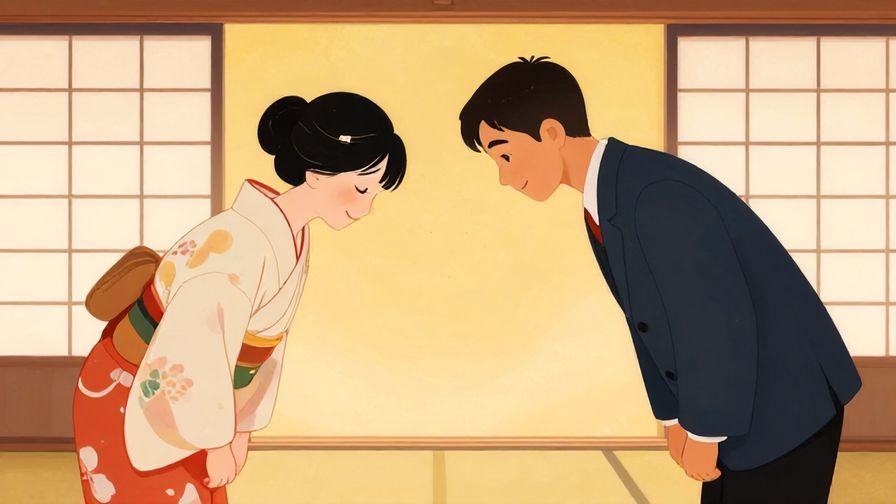
This polite expression gently states a mismatch between people.
“思います (omoimasu)” means “I think,” adding humility and softness.
Perfect for avoiding direct blame and preserving respect.
Great in formal or semi-formal breakups.
Shows you’ve thought it through carefully.
Can be followed by “これからもお元気で (korekara mo ogenki de)” meaning “I wish you well.”
15. 離れるほうがいいと思います (Hanareru hou ga ii to omoimasu) – “I think it’s better to part ways.”

This phrase suggests parting ways is the best option.
“離れる (hanareru)” means “to separate,” “ほうがいい (hou ga ii)” means “better to.”
It’s polite and thoughtful, ideal for mature conversations.
Shows concern for both parties’ well-being.
Use “と思います (to omoimasu)” to soften and express personal opinion.
Good for ending on a considerate note.
16. お互いのために別れましょう (Otagai no tame ni wakaremashou) – “Let’s break up for each other’s sake.”

This phrase is very polite and shows mutual respect.
“お互いのために (otagai no tame ni)” means “for each other’s sake,” and “別れましょう (wakaremashou)” is the polite “let’s break up.”
Great for keeping things kind and mature.
It implies that the decision benefits both sides.
Use in formal or serious breakups.
Helps end the relationship on good terms.
Part 3: Very Casual / Native-like Expressions
17. あんたのせいだよ (Anta no sei da yo) – “It’s your fault.”

“あんた (Anta)” is a very casual and sometimes rough way to say “you.”
This phrase is blunt but often used jokingly among close friends.
“せい (sei)” means “fault,” making it a direct “It’s your fault.”
Use only with people who understand your tone.
It can come off as rude if not careful.
Great for native-level casual conversations or humor.
18. お前のせいだ (Omae no sei da) – “It’s your fault.”

“お前 (Omae)” is another casual “you,” often rough or masculine.
The phrase means “It’s your fault” and is very direct.
Use with caution, mostly among close male friends or in heated moments.
Can come off as aggressive if misused.
Useful in storytelling or movies to capture native speech.
Not recommended for polite or sensitive situations.
19. それ、お前のせいだろ (Sore, omae no sei daro) – “That’s your fault, right?”

This phrase adds a casual question tone with “だろ (daro),” expressing “right?” or “isn’t it?”
It’s very conversational and common among friends.
It implies blame but in a teasing way.
Good for light teasing after a mistake.
Use only with people who know you well.
It’s a fun way to soften serious blame.
20. お前が全部悪いんだよ (Omae ga zenbu warui n da yo) – “You’re completely at fault.”

This phrase is strong and blunt, saying “You’re entirely at fault.”
“全部 (zenbu)” means “all” or “completely,” and “悪い (warui)” means “bad” or “at fault.”
Use only in very casual or emotional contexts.
It can sound harsh, so be careful with tone.
Good for venting frustration among close friends.
Not suitable for serious or polite conversations.
21. お前のせいでこんなことになった (Omae no sei de konna koto ni natta) – “Because of you, things ended up like this.”

This very casual phrase points blame directly at the other person for the situation.
“こんなことになった (konna koto ni natta)” means “things ended up like this.”
It’s a strong expression of frustration or disappointment.
Use only in informal settings with close people.
It’s expressive and native-like but can hurt feelings.
Be mindful of the emotional impact when using it.
22. 俺のせいじゃなくて、お前のせいだ (Ore no sei janakute, omae no sei da) – “It’s not my fault, it’s yours.”

This phrase uses “俺 (ore),” a masculine “I,” giving it a casual, tough feel.
“じゃなくて (janakute)” means “not,” contrasting “mine” with “yours.”
It’s a strong, direct statement of blame.
Suitable for casual conversations among men or close friends.
Not recommended in formal or sensitive situations.
Use with caution, as it can escalate conflict.
Concluding Thought
Expressing “It’s not me, it’s you” in Japanese can vary widely depending on your relationship and the context.
From casual to formal, and even native-like expressions, there’s a phrase for every situation and tone.
Choosing the right phrase helps you communicate honestly while respecting feelings and cultural nuances. Keep practicing, and you’ll master this delicate art in no time!