22 Japanese ways to say “It’s my turn”
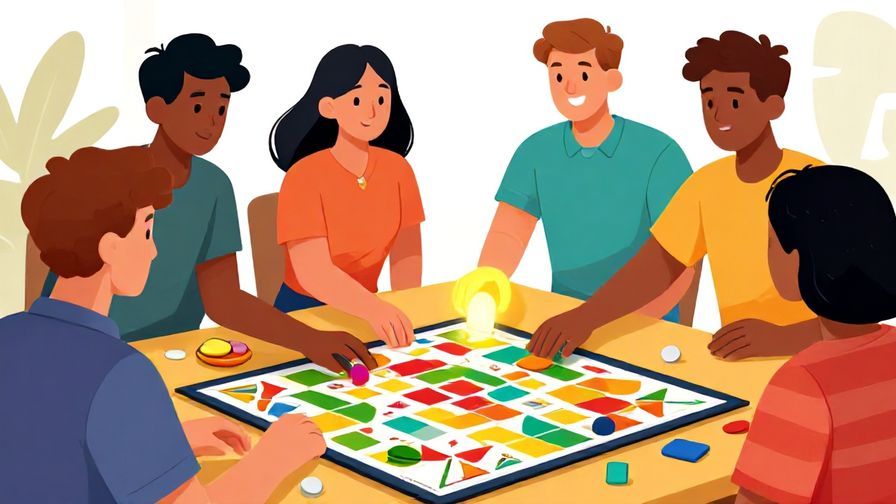
Have you ever been in a game or conversation and wanted to say “It’s my turn” in Japanese but didn’t know how? Whether you’re playing board games, taking turns in a meeting, or just chatting casually, there are plenty of ways to express it.
Japanese has lots of nuances depending on formality, context, and tone. Some phrases are super casual, others polite, and a few are just fun native-like expressions you’ll love.
This list breaks down 22 different ways to say “It’s my turn,” complete with pronunciation guides and simple explanations, so you can sound natural and confident.
Learning these phrases will boost your conversational skills and make your interactions smoother and more enjoyable.
Plus, mixing them up keeps your Japanese fresh and interesting!
Ready to jump in? Let’s explore these 22 ways, from casual to formal and everything in between.
Understanding Turns in Japanese
Before diving into the list, it’s good to know that “turn” in Japanese can be expressed by words like 順番 (junban) meaning “order” or “turn,” or simply by indicating “now it’s my time” with phrases involving 私 (watashi) for “I” and 来る (kuru) for “come.”
Depending on the setting, you might want to sound polite, casual, or very natural. This flexibility lets you fit right in with friends, family, or colleagues.
Mastering these phrases will give you a handy toolkit for any situation.
For a solid start, consider grabbing a Japanese language learning book that covers everyday expressions and conversational skills.
These resources can help you practice natural phrasing and pronunciation.
Let’s get started with some casual ways to say “It’s my turn” that you can use with friends or family.
Part 1: Casual Suggestions
1. 私の番だよ (Watashi no ban da yo) – “It’s my turn.”

This is a straightforward way to say “It’s my turn.”
私 (watashi) means “I” or “me,” 番 (ban) means “turn,” and だよ (da yo) adds a friendly, casual tone.
It’s perfect for informal situations like games with friends or family.
Simple and easy to remember!
You might hear this in board games or casual conversations when taking turns.
It’s a great phrase to start practicing your turn-taking expressions.
2. 次は僕の番だ (Tsugi wa boku no ban da) – “Next is my turn.”

次 (tsugi) means “next,” and 僕 (boku) is a casual male way to say “I.”
This phrase is casual and slightly masculine, often used by men or boys.
It’s a nice way to indicate your turn is coming up.
Try this when you want to politely but informally announce your upcoming turn.
It can also help you signal readiness in a playful way.
Good for games or group activities with friends.
3. そろそろ俺の番だ (Sorosoro ore no ban da) – “It’s almost my turn.”

そろそろ (sorosoro) means “soon” or “it’s about time.”
俺 (ore) is a very casual, masculine way to say “I.”
This phrase is casual and often used among close friends.
It’s a fun way to hint that your turn is coming soon.
Be mindful this is informal and better with people you know well.
Great for informal games or conversations.
4. 今度は私の番 (Kondo wa watashi no ban) – “Next time, it’s my turn.”

今度 (kondo) means “next time” or “this time.”
私 (watashi) is a neutral way to say “I.”
This phrase is polite-casual and works well in mixed or neutral company.
It’s useful to announce your upcoming turn clearly and politely.
Try it at casual meetups or game nights.
It’s friendly and respectful without being too formal.
5. 自分の番だね (Jibun no ban da ne) – “It’s my turn, huh.”
自分 (jibun) means “oneself,” so this phrase emphasizes “my own turn.”
ね (ne) at the end softens the statement, seeking agreement or shared feeling.
This is casual and friendly, great with close friends.
You can use it when you want to sound relaxed and approachable.
It’s also a subtle way to say “It’s my turn” without being too direct.
Perfect for game nights or casual conversations.
6. 俺の番来た! (Ore no ban kita!) – “My turn’s here!”

来た (kita) means “came” or “arrived,” making this phrase energetic and lively.
俺 (ore) is casual, masculine “I.”
This phrase is great to express excitement that your turn has come.
Use it when you want to show enthusiasm in informal settings.
It’s perfect for games or moments of high energy.
Just remember it’s very casual and best with close friends.
7. 次、俺だ! (Tsugi, ore da!) – “Next, it’s me!”

次 (tsugi) means “next,” and 俺 (ore) means “I” casually.
だ (da) is the casual copula “is.”
This phrase is short, punchy, and perfect for informal announcements.
Use it to quickly claim your upcoming turn in a playful way.
It’s easy to remember and sounds very natural among friends.
Great for game nights or casual team activities.
8. そろそろ私の番かな (Sorosoro watashi no ban kana) – “I guess it’s about my turn soon.”

かな (kana) adds a wondering or soft questioning tone.
This phrase is polite-casual and perfect for gently indicating your turn’s coming.
It’s a nice way to sound considerate and not too pushy.
Use it in group settings where you want to be polite but still casual.
It’s great for conversations or games with acquaintances.
Try it to sound thoughtful and natural.
Part 2: Polite & Formal Suggestions
9. 私の番です (Watashi no ban desu) – “It’s my turn.” (polite)
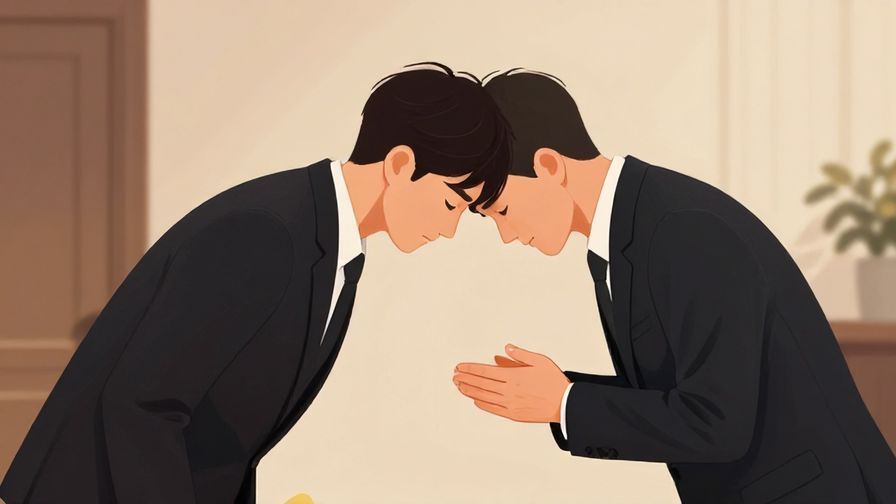
This is a very polite and straightforward way to say “It’s my turn.”
です (desu) is the polite copula, making the sentence respectful.
Use this in formal settings, meetings, or with people you don’t know well.
It sounds clear and professional.
Perfect for business or formal occasions.
It’s a great phrase to have ready for polite conversations.
10. 私の順番になります (Watashi no junban ni narimasu) – “It becomes my turn.”

順番 (junban) means “turn” or “order.”
なります (narimasu) means “becomes” politely.
This phrase is formal and polite, perfect for meetings or careful announcements.
It politely indicates the turn is now yours.
You can use it in work or formal social settings.
It sounds respectful and calm.
11. 私の番が来ました (Watashi no ban ga kimashita) – “My turn has come.”
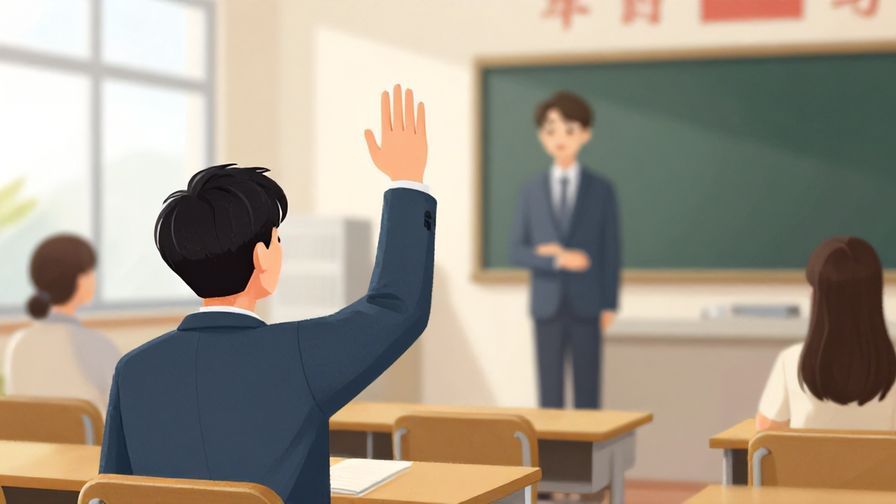
来ました (kimashita) is the polite past tense of “come,” making this phrase formal.
This is a polite way to announce your turn has arrived.
Ideal for situations where you want to be clear and courteous.
It can be used in presentations, meetings, or formal games.
It sounds natural and respectful.
Great for practicing polite Japanese communication.
12. 私の順番となります (Watashi no junban to narimasu) – “It will be my turn.”

となります (to narimasu) is a polite way to say “will become.”
This phrase is very formal and is often used in announcements or official settings.
Use it when you want to sound professional and courteous.
It’s perfect for work meetings or formal group activities.
It signals your turn clearly and politely.
Good for business Japanese learning.
13. 私が担当いたします (Watashi ga tantō itashimasu) – “I will take my turn.” (very formal)
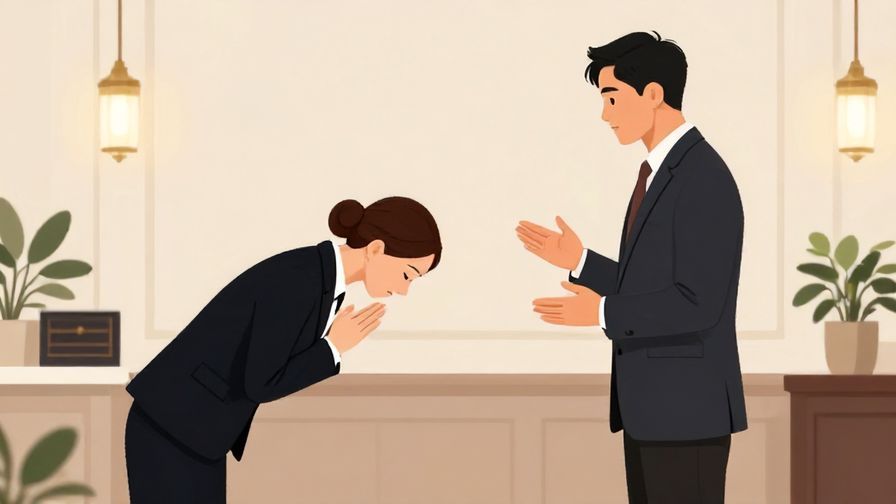
担当 (tantō) means “in charge” or “responsible.”
いたします (itashimasu) is the humble form of “to do,” adding very polite tone.
This phrase indicates you’re taking responsibility for your turn.
It’s used in very formal or business contexts.
Perfect for meetings or official events.
Use it when you want to sound humble and professional.
14. 私に順番が回ってきました (Watashi ni junban ga mawatte kimashita) – “My turn has come around.”
回ってきました (mawatte kimashita) means “has come around,” emphasizing the natural order.
This polite phrase is good for formal or polite casual settings.
It shows respect for the process or flow.
Great for presentations or group discussions.
It sounds natural and considerate.
Try this for smooth, respectful turn-taking.
15. 私にお話しする番が来ました (Watashi ni ohanashi suru ban ga kimashita) – “It’s my turn to speak.”
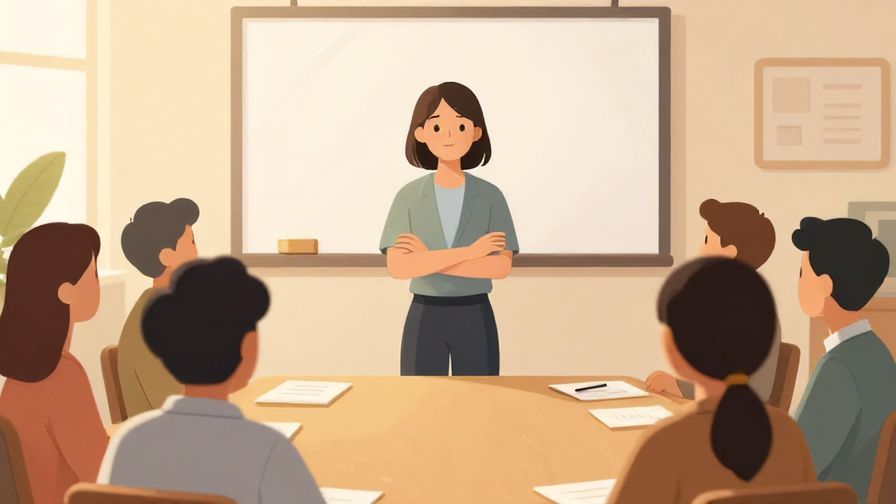
お話しする (ohanashi suru) means “to speak,” adding clarity to what turn you mean.
This phrase is polite and perfect for formal discussions or meetings.
Use it to clearly indicate your speaking turn.
It sounds professional and courteous.
Great for presentations or group conversations.
Helps keep meetings organized and respectful.
16. 私の出番でございます (Watashi no deban de gozaimasu) – “It is my turn.” (very formal)

出番 (deban) means “one’s turn” or “appearance.”
でございます (de gozaimasu) is a very formal copula.
This phrase is extremely polite and often used in ceremonies or formal events.
Use it when you want to sound very respectful and refined.
It’s less common in everyday speech but good to know.
Perfect for formal presentations or announcements.
Part 3: Very Casual / Native-like Expressions
17. オレの番! (Ore no ban!) – “My turn!” (very casual)

This is the shortest and most casual way to say “It’s my turn.”
俺 (ore) is a very casual masculine “I.”
It’s perfect among close friends or informal settings.
Use it when you want to sound confident and upbeat.
It’s easy to say and sounds natural.
Great for casual games or sports.
18. 今、俺の番だぜ! (Ima, ore no ban da ze!) – “Now it’s my turn!”

今 (ima) means “now.”
ぜ (ze) adds a masculine, rough emphasis.
This phrase is very casual and masculine.
Use it for fun, informal announcements of your turn.
It’s energetic and expressive.
Perfect for sports or friendly competitions.
19. 俺、いくぜ! (Ore, iku ze!) – “I’m going!” (implying “my turn”)

行く (iku) means “to go,” so this phrase implies “It’s my turn to do something.”
It’s very casual and masculine.
Use this to announce confidently you’re about to act.
It’s short and very natural in casual speech.
Great for sports, games, or any action-taking moment.
Easy to remember and fun to say!
20. 俺がやる番だ! (Ore ga yaru ban da!) – “It’s my turn to do it!”

やる (yaru) means “to do.”
This phrase is casual and shows readiness.
Use it to claim your turn in an active way.
It’s natural and fits informal contexts.
Good for group projects or games.
Sounds confident and clear.
21. 俺の番が来たな! (Ore no ban ga kita na!) – “My turn has come, huh!”

This phrase adds the sentence-ending particle な (na) for a friendly, confirming tone.
Very casual and masculine expression.
Use it to playfully acknowledge your turn has arrived.
It’s great with close friends or teammates.
Sounds natural and expressive.
Perfect for informal, fun environments.
22. 俺のターンだ! (Ore no tān da!) – “It’s my turn!” (using katakana “turn”)

ターン (tān) is the katakana version of “turn,” borrowed from English.
This phrase sounds very casual and modern.
Use it to sound trendy and natural in informal settings.
It’s popular among younger speakers.
Great for games, sports, or casual conversations.
Easy to remember and fun to say!
Concluding Thought
Exploring these 22 ways to say “It’s my turn” in Japanese shows how rich and adaptable the language is. From polite business meetings to casual game nights, there’s a phrase for every occasion.
By practicing these expressions, you’ll not only speak Japanese more naturally but also connect better with people in various social settings.
So next time it’s your turn, say it confidently in Japanese and enjoy the moment!