22 Japanese ways to say “It’s a small world”
Ever had one of those moments when you bump into someone you know in the most unexpected place and think, “Wow, it’s a small world”? It’s a phrase we all use, but expressing it in Japanese adds a sweet, cultural twist.
Japanese offers a variety of ways to say “It’s a small world,” each with a slightly different flavor depending on context and tone. From casual chit-chat to polite conversations, there’s something for every situation.
Learning these phrases can make your Japanese feel more natural and warm, especially when you want to comment on those surprising coincidences that life throws your way.
Whether you’re chatting with friends or making new acquaintances, knowing a few of these will make your conversations sparkle with authenticity and charm.
Plus, it’s a fun way to dive deeper into how Japanese speakers express surprise and connection, helping you appreciate the language’s nuances.
Ready to discover 22 Japanese ways to say “It’s a small world”? Let’s dive right in!
Understanding the Context
Before we jump into the phrases, it’s good to understand when and how to use them.
Most Japanese expressions for “It’s a small world” revolve around the idea of coincidence, surprise, or fate — often conveyed subtly with warmth or humor.
Many of these phrases will be handy in everyday conversations, especially when you meet someone unexpectedly or find surprising connections.

If you want to start practicing right away, a Japanese conversation practice book can be a great companion to this list.
It’s all about recognizing those moments of surprise and turning them into memorable language practice.
With these phrases, you’ll get better at expressing those moments naturally and with a native touch.
Part 1: Casual Suggestions
1. 世間は狭いね (Seken wa semai ne) – “The world is narrow, isn’t it?”

This is probably the most common casual way to say “It’s a small world” in Japanese.
世間 (seken) means “world” or “society,” and 狭い (semai) means “narrow” or “small.” Adding ね (ne) at the end softens the sentence and invites agreement.
It’s simple and warm, perfect for casual conversations when you meet someone unexpectedly.
Try saying it with a smile to convey friendly surprise.
A related phrase is 世間は広い (seken wa hiroi) meaning “The world is big,” which you might hear when talking about vast possibilities.
Use this often and you’ll sound effortlessly natural in those surprise moments!
2. こんなところで会うなんて (Konna tokoro de au nante) – “To meet in a place like this!”

This phrase emphasizes the surprise of meeting someone in a particular place.
こんなところで (konna tokoro de) means “in a place like this,” 会う (au) means “to meet,” and なんて (nante) adds a sense of wonder or disbelief.
It’s a great phrase when you’re caught off guard by a coincidence.
Practice it with a cheerful tone to express genuine surprise.
Note that なんて (nante) can sound casual or slightly informal, so use it with friends or peers.
Next time you bump into someone unexpectedly, this phrase will help you share that warm wow moment perfectly.
3. 世界は狭いよね (Sekai wa semai yo ne) – “The world is small, isn’t it?”
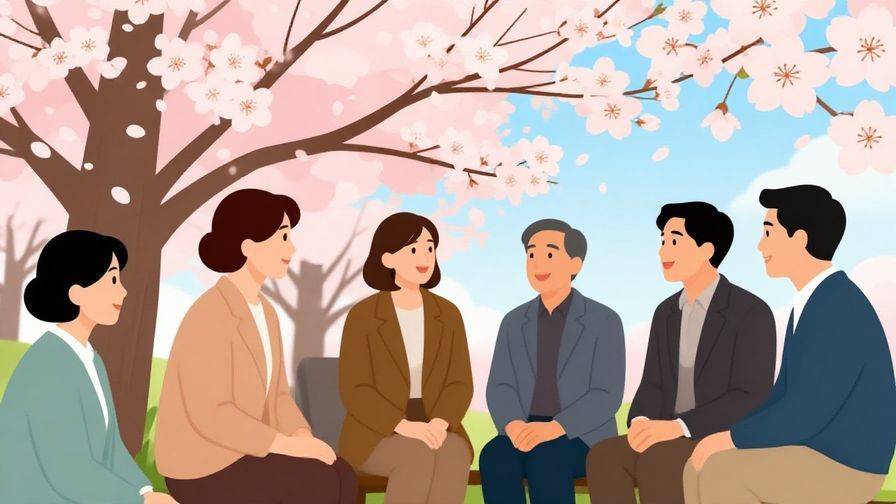
Similar to 世間は狭いね but using 世界 (sekai), which means “world” more globally or literally.
狭い (semai) again means “small,” and よね (yo ne) adds emphasis and seeks agreement.
This phrase feels a bit more neutral but still casual and friendly.
It’s great for expressing amazement at coincidence in a light-hearted way.
Try pairing it with a story about how small life can feel sometimes.
It’s a lovely phrase to deepen casual conversations.
4. 偶然だね (Gūzen da ne) – “What a coincidence!”

While this phrase literally means “coincidence,” it’s often used in the same situations as “It’s a small world.”
偶然 (gūzen) means “coincidence,” and だね (da ne) adds casual affirmation.
It’s short, sweet, and very easy to remember.
Great for expressing surprise without any extra fluff.
Be aware it focuses more on the coincidence itself rather than the size of the world.
Use it when you want to sound natural and casual in surprise situations.
5. まさかこんなところで (Masaka konna tokoro de) – “No way, in a place like this?”
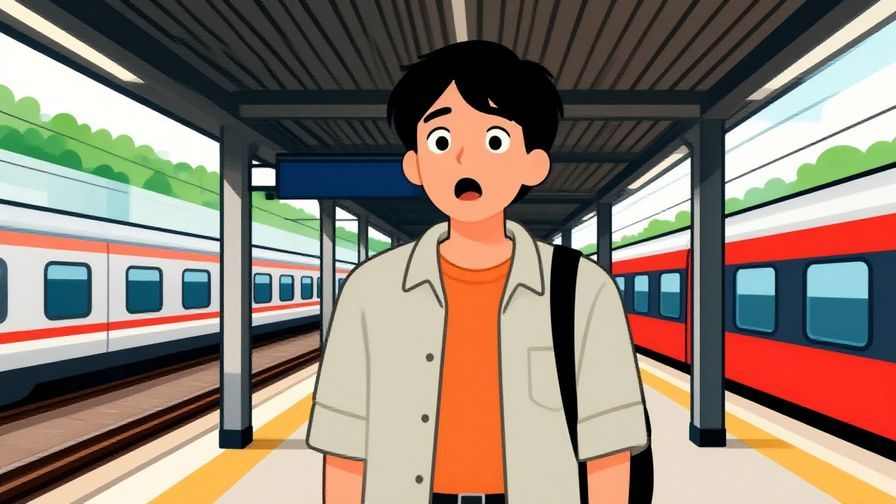
This phrase conveys a stronger sense of surprise or disbelief about meeting somewhere unexpected.
まさか (masaka) means “no way” or “unbelievable,” こんなところで (konna tokoro de) is “in a place like this.”
It’s slightly more dramatic and fun to use with close friends.
Perfect to add excitement to your surprise.
Don’t overuse it in formal settings as it’s quite informal and expressive.
It’s a great phrase to spice up your casual conversations.
6. こんな偶然ある? (Konna gūzen aru?) – “Is there such a coincidence?”

This phrase questions the coincidence, emphasizing the unexpectedness.
こんな (konna) means “such,” 偶然 (gūzen) is “coincidence,” and ある? (aru?) means “is there?” or “does it exist?”
It’s casual and playful, great with friends or close colleagues.
Use it to show you’re genuinely surprised and amused.
It’s a fun way to engage others in the surprise moment.
Try practicing it in light conversations to sound more native-like.
7. 狭い世界だね (Semai sekai da ne) – “It’s a small world, huh?”

This is a straightforward variation of “It’s a small world.”
狭い世界 (semai sekai) literally means “small world,” and だね (da ne) adds a friendly tone.
Very easy to remember and use in everyday speech.
Good for casual and semi-formal situations.
It’s a nice phrase to build your conversational toolkit around surprise.
Pair it with stories about unexpected meetings for a natural flow.
8. こんな偶然ってすごいね (Konna gūzen tte sugoi ne) – “Such a coincidence is amazing, isn’t it?”

This phrase adds a bit more enthusiasm and admiration to the coincidence.
こんな偶然 (konna gūzen) means “such a coincidence,” って (tte) emphasizes the topic, すごい (sugoi) means “amazing,” and ね (ne) invites agreement.
It’s a lively expression perfect for happy or excited moments.
Use it to highlight how special the coincidence feels.
Great for casual chats where you want to sound cheerful and engaged.
It’s a wonderful way to share your joy about unexpected meetings.
Part 2: Polite & Formal Suggestions
9. 世間は狭いものですね (Seken wa semai mono desu ne) – “The world really is small, isn’t it?”

This is a polite and slightly formal way to express “It’s a small world.”
Adding ものです (mono desu) gives the phrase a reflective and respectful tone.
Perfect for business or formal encounters when you want to comment on coincidence.
Practice it to impress colleagues or new acquaintances.
It subtly expresses shared understanding and surprise.
Use in polite conversations and listen for it to get a feel for formal nuances.
10. 偶然の出会いですね (Gūzen no deai desu ne) – “It’s a chance encounter, isn’t it?”
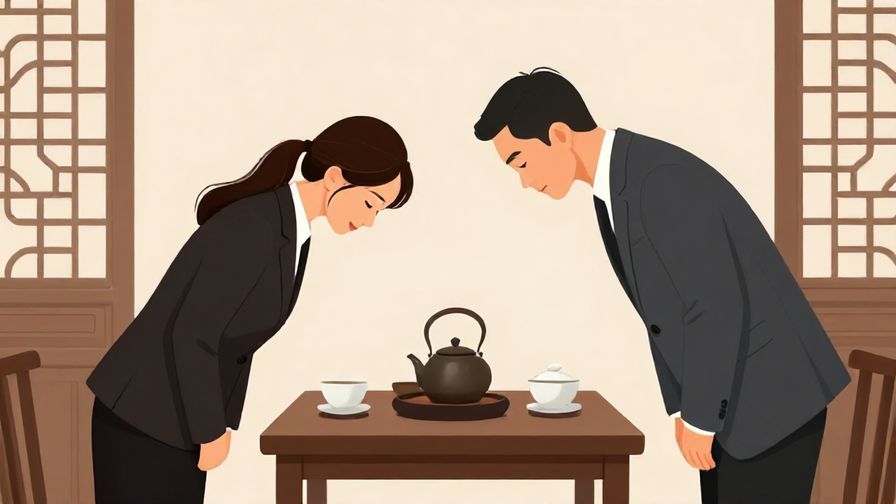
This phrase highlights the chance nature of the meeting politely.
偶然 (gūzen) means “coincidence,” 出会い (deai) means “encounter,” and ですね (desu ne) softens and confirms politely.
It’s great for formal introductions or when meeting clients.
Easy to remember with the “no” particle linking the words smoothly.
Try pairing it with a smile to keep the mood friendly yet respectful.
It’s a phrase that balances politeness with warmth.
11. 世間は本当に狭いですね (Seken wa hontō ni semai desu ne) – “The world really is small, isn’t it?”
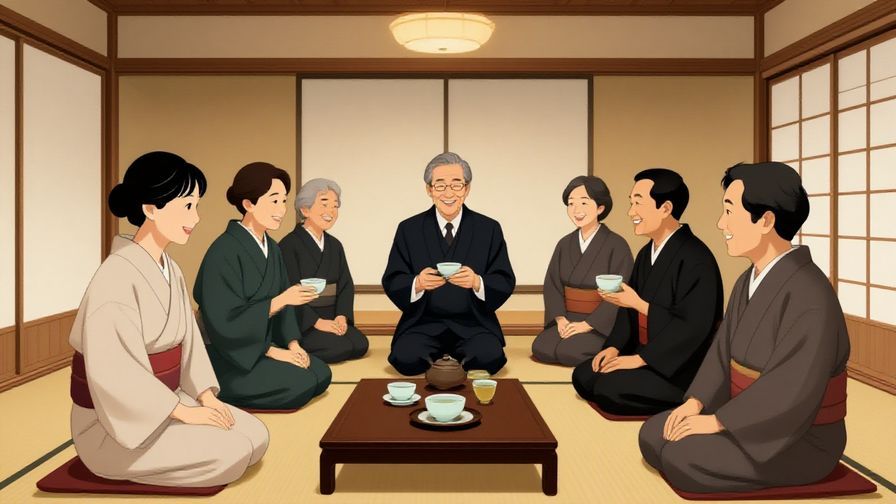
This variation adds 本当に (hontō ni) to stress “really” or “truly.”
It sounds sincere and polite, suitable for formal or semi-formal settings.
Use it to emphasize the surprise factor in a respectful way.
It’s perfect for making thoughtful remarks during meetings or social events.
Memorize it by focusing on the rhythm of the phrase.
It’s a great phrase to show cultural sensitivity and awareness.
12. 偶然の一致ですね (Gūzen no icchi desu ne) – “It’s a coincidence, isn’t it?”

This phrase uses 一致 (icchi) meaning “agreement” or “match,” highlighting coincidence politely.
Great for formal conversations where you want to acknowledge coincidence carefully.
It sounds thoughtful and less casual than other phrases.
Use it in emails or meetings to express surprise professionally.
It’s a phrase that conveys respect and mild amazement.
Practice it along with other polite expressions for well-rounded fluency.
13. このご縁はすごいですね (Kono goen wa sugoi desu ne) – “This connection is amazing, isn’t it?”
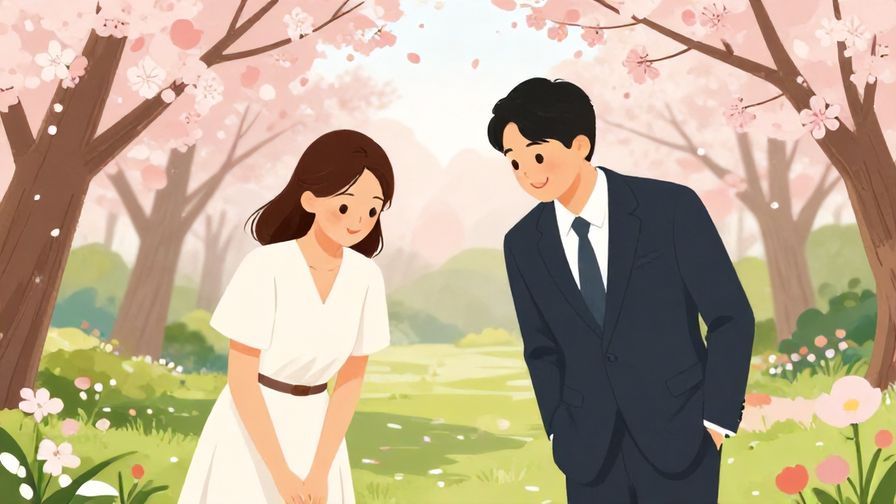
ご縁 (goen) means “fate” or “connection,” often used to describe meaningful encounters.
すごい (sugoi) means “amazing,” and ですね (desu ne) softens it politely.
This phrase is great for formal or semi-formal situations when you want to express gratitude or admiration for the connection.
It adds a deeper, almost spiritual layer to the small world idea.
Perfect for networking events or thoughtful conversations.
Use it to leave a positive impression about the encounter.
14. 思いがけない出会いですね (Omoigakenai deai desu ne) – “An unexpected encounter, isn’t it?”
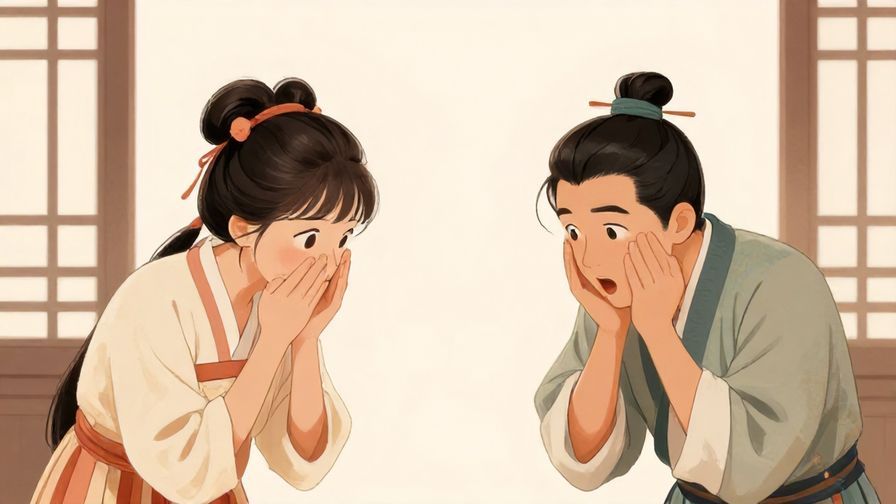
This phrase describes an unplanned or unexpected meeting politely.
思いがけない (omoigakenai) means “unexpected,” 出会い (deai) means “encounter,” and ですね (desu ne) makes it polite.
Useful in formal or polite conversations to express genuine surprise.
It’s a phrase that respects the moment’s significance.
Try it in social events or professional meetings.
It sounds thoughtful and sincere, perfect for mature conversations.
15. こんな偶然は珍しいですね (Konna gūzen wa mezurashii desu ne) – “Such a coincidence is rare, isn’t it?”

This phrase highlights the rarity of the coincidence politely.
珍しい (mezurashii) means “rare,” emphasizing how special the encounter is.
Great for formal or polite contexts when you want to express admiration.
Use it when meeting someone unexpectedly at an event or conference.
It adds a touch of elegance to your surprise.
Perfect for building rapport politely and warmly.
16. 偶然の素晴らしいご縁ですね (Gūzen no subarashii goen desu ne) – “A wonderful coincidence and connection, isn’t it?”
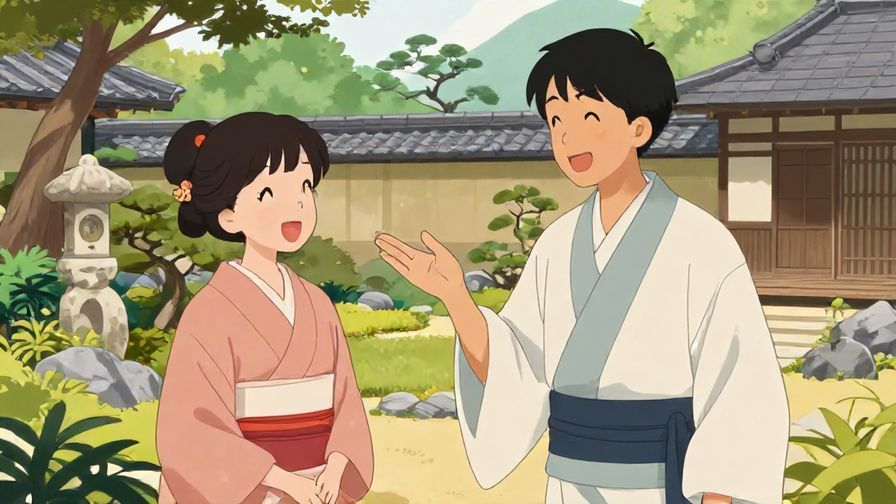
This phrase combines the ideas of coincidence and a meaningful connection politely.
素晴らしい (subarashii) means “wonderful,” and ご縁 (goen) again means “connection.”
It’s a very positive and respectful phrase.
Perfect for formal occasions or when you want to express heartfelt appreciation.
Use it to show you value the encounter deeply.
This phrase can help you sound polished and sincere.
Part 3: Very Casual / Native-like Expressions
17. マジで世間狭い! (Maji de seken semai!) – “Seriously, the world’s so small!”

This is a very casual and youthful phrase.
マジで (maji de) means “seriously” or “really,” adding emphasis and slang flavor.
世間狭い (seken semai) means “small world.”
Great for texting or chatting with close friends.
It’s energetic and feels very native-like.
Use it when you want to sound fun and informal.
18. まじかよ、世界狭すぎ! (Majika yo, sekai semasugi!) – “No way, the world’s too small!”

This phrase is slangy and very casual.
まじかよ (majika yo) is an exclamation like “No way!” and 狭すぎ (semasugi) means “too small.”
It’s playful and perfect for informal group chats.
Use it among peers to express disbelief joyfully.
It’s a phrase that really captures youthful energy.
Great for social media posts or casual meetups.
19. 世間狭いわー (Seken semai waa) – “Small world, huh!”

This is a relaxed and natural expression often used in conversation.
Adding わー (waa) softens and lengthens the phrase for a casual tone.
Easy to say and very native-like.
Great for everyday chats about coincidences.
Use it to sound laidback and friendly.
It’s a phrase you’ll hear often from younger speakers.
20. こんな偶然、信じられない! (Konna gūzen, shinjirarenai!) – “Such a coincidence, I can’t believe it!”
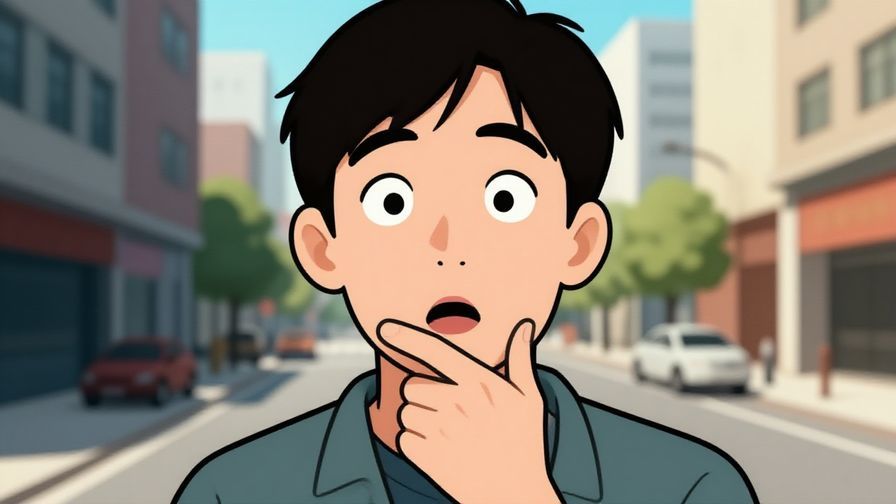
This phrase expresses disbelief and surprise strongly.
信じられない (shinjirarenai) means “I can’t believe it.”
Use it when the coincidence feels especially shocking or rare.
It’s casual but can sound dramatic and fun.
Great for storytelling or emphasizing surprise.
Practice it with expressive facial cues for full effect.
21. まさかの再会だね! (Masaka no saikai da ne!) – “An unexpected reunion, huh!”

This phrase is perfect for those surprise meetings with someone you know.
再会 (saikai) means “reunion,” and まさかの (masaka no) means “unexpected.”
It’s casual and filled with warmth.
Great for close friends or family encounters.
Use it to express happiness and surprise simultaneously.
It’s a phrase that feels heartfelt and genuine.
22. 世間は本当に狭いよね (Seken wa hontō ni semai yo ne) – “The world really is small, you know?”

This phrase is a friendly, casual way to express the small world idea with emphasis.
Adding よね (yo ne) makes it sound conversational and inviting.
Use it in friendly chats to express shared surprise.
It’s warm, natural, and easy to remember.
Great for ending a story about surprise meetings.
Practice it often to sound like a native speaker.
Concluding Thought
Exploring these 22 Japanese ways to say “It’s a small world” gives you a glimpse into how language captures the magic of coincidence and surprise.
From casual expressions to polite phrases, each one carries warmth and a sense of connection that feels uniquely Japanese.
So next time you experience one of those “small world” moments, try one of these phrases—you’ll sound natural, thoughtful, and maybe even a little more connected to the people around you.