22 Japanese ways to say “It’s a date
Planning a date in Japanese? Saying “It’s a date” can be sweeter and more fun than you think. Let’s dive into 22 warm, informal ways to express this.
Whether you’re confirming plans or just excited about hanging out, these phrases will help you sound natural and genuine. They’re easy to remember and perfect for everyday conversations.
Each phrase comes with simple pronunciation guides and little explanations to make learning smooth and enjoyable.
From casual chats with friends to polite invitations, you’ll find expressions that fit every vibe and situation.
Mastering these will not only boost your Japanese skills but also help you connect more deeply with people.
Ready? Let’s make your next “date” a memorable moment in Japanese!
Setting the Stage
Before jumping into the list, it’s good to know that context matters a lot in Japanese. Casual phrases work great with friends, while polite ones suit formal situations.
Also, many expressions use simple verbs and particles that are easy to mix and match as you get more comfortable.
Remember, practice is key, and hearing these in real conversations makes a huge difference.
Sometimes, using a great beginner phrasebook can give you a perfect starting point for a cohesive understanding.
It also helps to focus on the rhythm and tone because Japanese is as much about feeling as it is about words.
Let’s get started with some casual ways to say “It’s a date!”
Part 1: Casual Suggestions
1. 行けたら行く (Iketara iku) – “I’ll come if I can.”
This phrase is a casual way to say you’ll try to make it. “Iketara” means “if I can go,” and “iku” means “go.”
It’s simple and polite enough for friends and acquaintances. Use it when you’re not 100% sure but want to show interest.
It’s a soft yes, perfect when you want to keep plans flexible.
Think of it as an open invitation with a hopeful tone.
Similar phrases include “行けそう (ikesou)” meaning “looks like I can go.”
Use it to keep your schedule casual and friendly without pressure.
2. 楽しみにしてるよ (Tanoshimi ni shiteru yo) – “I’m looking forward to it.”
This phrase expresses warm excitement about the upcoming date. “Tanoshimi” means “looking forward to,” and “shiteru” is the casual form of “doing.”
It’s natural and easy to say, perfect when confirming plans with close friends or someone special.
It adds a positive vibe and shows you care.
Be careful not to overuse it in very formal settings where more polite forms are expected.
Example: “来週の飲み会、楽しみにしてるよ!” (“I’m looking forward to next week’s drinking party!”)
Use this to build anticipation and warm connection.
3. 約束ね!(Yakusoku ne!) – “It’s a promise!”

Short and sweet, this phrase seals the deal. “Yakusoku” means “promise,” and “ne” softens it like “right?” or “okay?”
It’s great for casual confirmation and sounds enthusiastic.
It’s easy to remember because it’s just two words.
It works best after you’ve already talked about plans.
Don’t confuse it with serious promises—it’s lighthearted.
Say it with a smile to make your commitment clear.
4. じゃあ、決まり! (Jaa, kimari!) – “Alright, it’s settled!”

This phrase is perfect when plans are finalized. “Jaa” means “well then,” and “kimari” means “decision” or “settled.”
It’s casual and upbeat, great for enthusiastic agreement.
It’s memorable because it feels like a little celebration.
Use it to wrap up planning with friends happily.
Note that it’s informal, so avoid in very formal conversations.
This phrase pumps up the energy and makes everyone feel included.
5. デートしよう! (Deeto shiyou!) – “Let’s have a date!”

Simple and direct, this phrase is an invitation. “Deeto” is “date,” and “shiyou” means “let’s do.”
It’s casual but confident—perfect for expressing your intention clearly.
It’s easy to say and remember for learners of any level.
Don’t overthink it; it’s friendly and straightforward.
Use it when you want to initiate plans in a warm way.
Great for texting or face-to-face talks.
6. いつにする? (Itsu ni suru?) – “When shall we do it?”
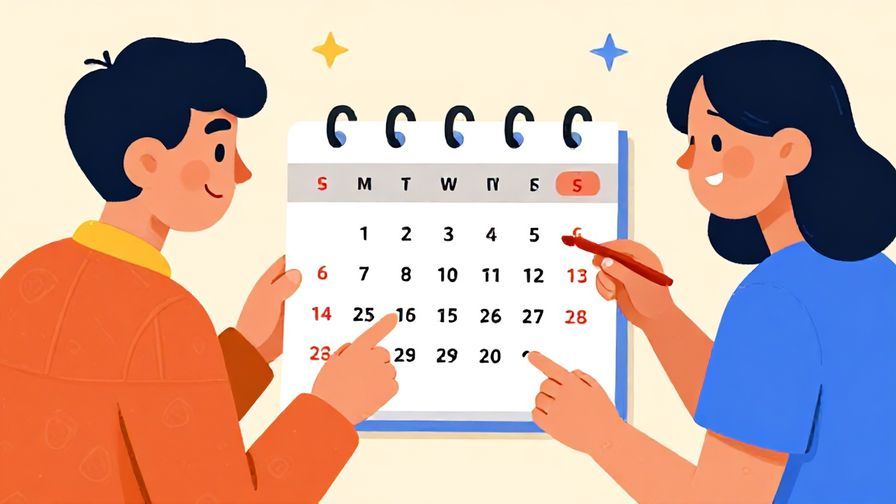
This phrase helps move the conversation forward. “Itsu” means “when,” and “ni suru” means “decide on.”
It’s casual and invites the other person to pick a time.
It’s memorable because of its question form and friendly tone.
Use it to show initiative and excitement about setting the date.
Be prepared to suggest some options!
This phrase helps keep plans clear and smooth.
7. 楽しもうね! (Tanoshimou ne!) – “Let’s have fun!”

This phrase adds a playful touch to your date plans. “Tanoshimou” is the volitional form of “to enjoy,” meaning “let’s enjoy.”
It’s casual, warm, and inclusive.
Great for encouraging a relaxed, happy mood.
Say it when you want to lighten the atmosphere and bond.
It works well with friends or romantic partners alike.
Use it to set positive expectations for your time together.
8. またね! (Mata ne!) – “See you then!”

This is a casual and friendly way to end a date confirmation. “Mata” means “again,” and “ne” softens the phrase like “right?”
It’s very common and easy to say.
Perfect for wrapping up a conversation with warmth.
Don’t confuse it with formal goodbyes—it’s very informal.
Use it to leave a positive last impression.
Great for texts and casual face-to-face chats.
Part 2: Polite & Formal Suggestions
9. お約束しましょう (Oyakusoku shimashou) – “Let’s make a promise.”

This phrase is polite and respectful. “Oyakusoku” is the honorific form of “promise,” and “shimashou” means “let’s do.”
It’s suitable for formal settings or when you want to show sincerity.
Use it when making plans with colleagues or new acquaintances.
It’s a bit more serious than casual phrases but still friendly.
Practice the polite tone to sound natural and warm.
This phrase helps build trust and respect.
10. ご都合はいかがですか? (Gotsugou wa ikaga desu ka?) – “How is your schedule?”

This respectful question checks availability. “Gotsugou” means “your convenience,” and “ikaga desu ka?” means “how is it?”
It’s formal and perfect for professional or polite personal contexts.
Use it before suggesting a date to be considerate.
Avoid using this phrase with close friends to keep the tone natural.
It’s a great way to show you value the other person’s time.
Practice the pronunciation to make your politeness clear.
11. お時間をいただけますか? (Ojikan o itadakemasu ka?) – “May I have your time?”
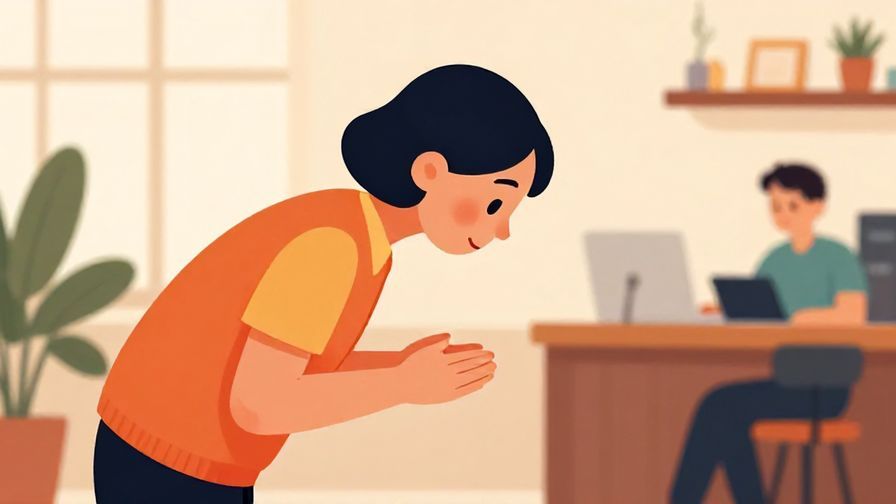
This phrase is a polite request to meet. “Ojikan” means “time,” and “itadakemasu ka?” is a humble way to ask “may I receive?”
It’s formal and shows respect for the other person’s schedule.
Great for first-time meetings or professional dates.
Use it carefully to avoid sounding too stiff in casual settings.
It’s often followed by suggesting a date or time.
Practice the humble tone to sound sincere and polite.
12. ご一緒にいかがですか? (Goissho ni ikaga desu ka?) – “Would you like to join me?”
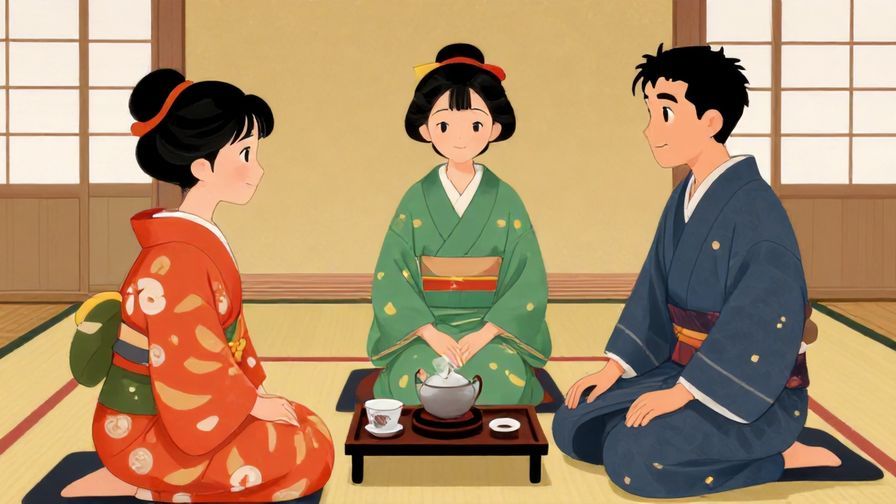
This is a courteous way to invite someone. “Goissho ni” means “together,” and “ikaga desu ka?” means “how about?”
It’s formal and warm, perfect for inviting someone respectfully.
Use it for business lunches or formal social invitations.
It can be softened with a smile to sound friendly.
Avoid using it in very casual chats to keep natural flow.
This phrase balances politeness with friendliness.
13. ご予定はいかがでしょうか? (Goyotei wa ikaga deshou ka?) – “How are your plans?”

This phrase politely inquires about someone’s plans. “Goyotei” means “schedule” or “plans,” and “ikaga deshou ka?” is a respectful “how is it?”
It’s ideal for confirming availability before suggesting a date.
Use it to show consideration in formal contexts.
It can sound too stiff for casual friends, so use wisely.
Practice the intonation to avoid sounding robotic.
It’s a subtle way to express interest while respecting boundaries.
14. お目にかかれますか? (Ome ni kakaremasu ka?) – “Can we meet?”

This humble phrase is a polite way to ask for a meeting. “Ome ni” refers respectfully to “seeing someone,” and “kakaremasu ka?” is a polite potential form.
It’s suitable for business or formal social settings.
Use it when you want to sound respectful and considerate.
It may sound too formal for casual friends.
Practice the phrasing to sound natural and warm.
This phrase conveys respect and interest simultaneously.
15. 楽しい時間を過ごしましょう (Tanoshii jikan o sugoshimashou) – “Let’s have a fun time.”

This polite phrase invites shared enjoyment. “Tanoshii jikan” means “fun time,” and “sugoshimashou” means “let’s spend.”
It’s formal but warm, good for polite invitations.
Use it to set a positive tone for the date.
It’s a great phrase for invitations that balance politeness and friendliness.
Practice the flow to sound inviting and sincere.
This phrase creates a welcoming atmosphere for new connections.
16. ご都合の良い時に (Gotsugou no yoi toki ni) – “At a convenient time for you.”

This phrase shows flexibility and respect. “Gotsugou” means “convenience,” “yoi” means “good,” and “toki ni” means “at the time.”
It’s polite and useful when suggesting meetings.
Use it to emphasize you’re happy to adjust to their schedule.
Avoid sounding vague by following it with a clear suggestion.
Practice the polite tone for smooth conversation.
This phrase helps build goodwill and ease scheduling stress.
Part 3: Very Casual / Native-like Expressions
17. オッケー、デートな! (Okkee, deeto na!) – “Okay, it’s a date!”

This is a super casual, native-sounding phrase. “Okkee” is “okay,” and “deeto na” adds a casual, friendly emphasis.
It’s perfect for close friends or playful conversations.
It’s easy to say and feels very natural.
Use it when you want to confirm plans with enthusiasm.
Avoid using it in formal or new relationships.
This phrase captures casual confidence and closeness.
18. じゃあ、そこで! (Jaa, soko de!) – “Alright, let’s meet there!”

This phrase confirms a meeting spot casually. “Jaa” means “well then,” and “soko de” means “there.”
It’s informal and commonly used among friends.
It’s great for quickly sealing plans.
Use it after agreeing on a place to meet.
Be mindful it’s too casual for formal contexts.
This phrase feels immediate and natural in conversation.
19. 楽しみだね! (Tanoshimi da ne!) – “I’m excited!”

This phrase is a casual way to share excitement. “Tanoshimi” is “looking forward,” and “da ne” adds a friendly confirmation.
It’s simple and widely used among native speakers.
Perfect for expressing genuine enthusiasm.
Use it to build positive vibes before a date.
Don’t use it in overly formal settings.
This phrase keeps conversations lively and heartfelt.
20. 行こうぜ! (Ikou ze!) – “Let’s go!”

This phrase is energetic and casual. “Ikou” means “let’s go,” and “ze” adds a masculine, emphatic tone.
It’s great for close friends or casual outings.
Easy to remember and fun to say.
Use it to pump up the mood before meeting.
Avoid in formal or mixed-gender polite contexts.
This phrase embodies youthful energy and camaraderie.
21. いつでもいいよ! (Itsudemo ii yo!) – “Anytime is fine!”

This phrase offers flexibility and friendliness. “Itsudemo” means “anytime,” and “ii yo” means “it’s good.”
It’s casual and reassuring when planning dates.
Helps ease scheduling pressure.
Use it to show you’re easy-going and considerate.
It’s perfect for friends or close acquaintances.
This phrase keeps plans stress-free and positive.
22. 楽しんでこよう! (Tanoshinde koyou!) – “Let’s go have fun!”

This phrase is casual and encouraging. “Tanoshinde” is the te-form of “to enjoy,” and “koyou” means “let’s come/go.”
It’s perfect for hyping up before a date.
Simple to say and full of positive energy.
Use it to motivate your friends or partner.
Avoid in very formal contexts.
This phrase wraps up your date plans with joy and excitement.
Concluding Thought
Learning these 22 ways to say “It’s a date” in Japanese opens up new ways to connect warmly and naturally.
From casual chats to polite invitations, each phrase adds a special touch to your conversations and shows your growing fluency.
Keep practicing, have fun with the language, and enjoy every new connection you make. Your next “date” in Japanese is just a phrase away!