22 Japanese ways to say “It is what it is”
Ever found yourself stuck trying to say “It is what it is” in Japanese? You’re not alone! This phrase captures a universal feeling—accepting things as they are, no matter what.
It’s that little nod to reality when things don’t go your way, but you just roll with it. Luckily, Japanese has a bunch of cool ways to express this vibe, ranging from casual to more formal.
Whether you’re chatting with friends or trying to sound a bit more polished, there’s a phrase here for every mood and moment.
Learning these expressions not only boosts your Japanese skills but also helps you connect on a deeper cultural level.
Some of these phrases might surprise you with their nuance, and others will feel just like what you say in English.
Ready to dive in and add some authentic Japanese flavor to your everyday conversations? Let’s get started!
Getting Comfortable with the Concept
Before we jump into specific phrases, it’s helpful to understand the mindset behind “It is what it is” in Japanese.
Often, it’s about acceptance, letting go, or simply acknowledging reality without resistance. This is a key part of Japanese communication style—keeping harmony and avoiding unnecessary conflict.
So, when you hear these phrases, think of them as gentle, sometimes resigned ways to say “that’s just how things are.”

Sometimes, exploring a phrasebook focused on mindset can help you get the feel for these expressions.
With an open mind, you’ll find yourself naturally using these phrases in no time.
It’s all about embracing the flow and understanding cultural shades of meaning.
Part 1: Casual Suggestions
1. 仕方がない (Shikata ga nai) – “It can’t be helped.”

This is probably the most common way to say “It is what it is” in everyday Japanese.
“仕方 (shikata)” means “way” or “method,” and “がない (ga nai)” means “there is none.” So, together, it literally means “there is no way” to change something.
It’s perfect for situations where you accept something disappointing but can’t do anything about it.
People use it all the time, so it’s a great phrase to know early on.
You might also hear “仕方ない (shikata nai)” without the particle, which is just a casual variation.
Keep this phrase handy—it’s a go-to for showing calm acceptance.
2. しょうがない (Shou ga nai) – “It can’t be helped.”
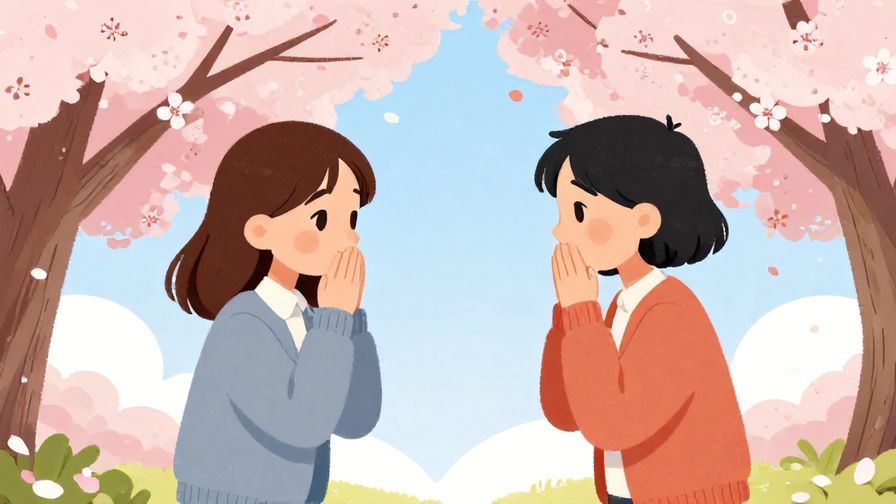
This phrase is almost a twin to “仕方がない” and used interchangeably in casual speech.
“しょう (shou)” is a colloquial form related to “仕方,” making it sound softer and more conversational.
It’s a handy phrase when you want to express something is out of your control.
Try using it in relaxed settings with friends or family.
Just like “仕方がない,” it’s a cultural staple that reflects a laid-back attitude toward inevitable situations.
Remember, mastering this phrase will help you sound natural and native-like.
3. そんなもんだ (Sonna mon da) – “That’s just how it is.”
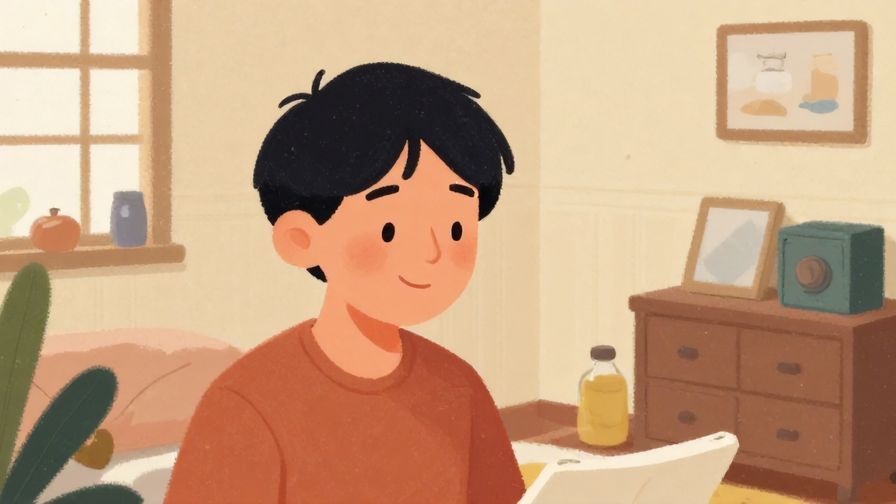
Literally meaning “It’s that kind of thing,” this phrase casually accepts reality as it is.
“そんな (sonna)” means “that kind of,” “もん (mon)” is a colloquial form of “もの (mono),” meaning “thing,” and “だ (da)” is the copula “is.”
Use this when you want to shrug off a situation with a friendly, resigned tone.
It’s perfect for everyday small frustrations.
You might hear it when something didn’t go perfectly, but it’s no big deal.
It’s a great phrase to sound laid-back and relatable.
4. 仕方ないね (Shikata nai ne) – “It can’t be helped, huh?”

This is just a softer, more conversational version of “仕方がない.”
Adding “ね (ne)” at the end invites agreement or empathy, like saying “right?” or “isn’t it?”
It’s a nice way to bond with someone over acceptance.
Try this when chatting with friends about a shared situation you both can’t change.
It’s casual and warm, making conversations flow naturally.
Using “ね” adds a friendly tone that’s very common in Japanese daily talk.
5. なるようになる (Naru you ni naru) – “What will be, will be.”

This phrase is a bit more poetic and philosophical.
“なる (naru)” means “to become,” and “ように (you ni)” means “in the way of.” So, it roughly means “It will become what it will become.”
It’s a great way to express trusting the process or fate.
Use it when you want to sound optimistic yet accepting.
It’s often used when people face uncertainty and decide to just let things unfold.
Perfect for encouraging someone who worries too much!
6. 仕方がないさ (Shikata ga nai sa) – “It can’t be helped, you know.”

Adding “さ (sa)” at the end gives a masculine, casual emphasis to “仕方がない.”
This version is often used by men to sound a bit more relaxed or confident about acceptance.
It’s great in informal conversations among friends.
Be aware it’s less common in formal or polite settings.
It’s a friendly way to say “It is what it is” without fuss.
Try this if you want to sound easygoing and down-to-earth.
7. しょうがないよね (Shou ga nai yo ne) – “It can’t be helped, you know?”

Here, “よ (yo)” adds a gentle assertiveness, and “ね (ne)” invites the listener’s agreement.
This phrase is perfect for friendly chats where you both acknowledge a situation’s inevitability.
It combines warmth with acceptance.
Use it to soften the mood when something’s disappointing.
It sounds natural and caring—like saying, “We can’t change it, but it’s okay.”
Great for comforting friends in casual talks.
8. そういうものだ (Sou iu mono da) – “That’s just the way it is.”

This phrase breaks down as “そういう (sou iu)” meaning “that kind of” and “もの (mono)” meaning “thing.”
It’s a direct way to express acceptance of a fact or reality.
Use it when you want to sound a bit more neutral and factual.
It’s common in conversations explaining why things are the way they are.
It’s a good phrase for learners because it’s straightforward.
Use it to sound matter-of-fact without frustration.
Part 2: Polite & Formal Suggestions
9. 仕方がありません (Shikata ga arimasen) – “There is no way (formal).”
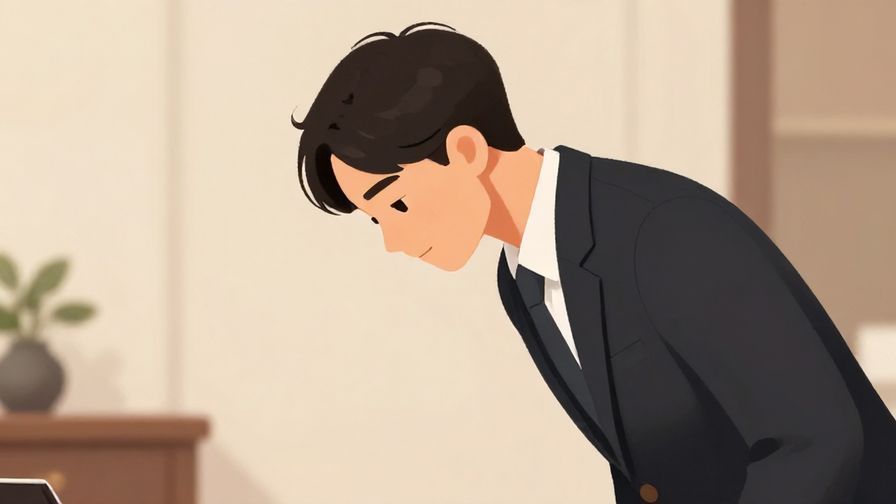
This is the polite/formal version of “仕方がない.”
“ありません (arimasen)” is the negative polite form of “ある (aru),” meaning “to be.”
It’s perfect in business or respectful conversations.
Use this when you want to show acceptance respectfully.
It’s commonly heard in customer service or formal apologies.
Mastering this will help you sound professional and courteous.
10. 仕方がございません (Shikata ga gozaimasen) – “There is no way (very formal).”

Even more formal than “ありません,” this uses “ございます (gozaimasu),” a very polite verb form.
It’s used in highly formal or official contexts.
Ideal for formal letters, speeches, or very respectful talk.
It shows deep politeness and humility in acceptance.
Use it when you want to be very careful with your language.
It’s a great phrase to impress in formal Japanese settings.
11. 仕方がないことでございます (Shikata ga nai koto de gozaimasu) – “It is a matter that can’t be helped (very formal).”

This phrase adds “ことでございます” to express “it is a matter” politely.
It’s excellent for formal speeches or written communication.
Shows a respectful acknowledgment of facts beyond control.
Use it in official documents or when addressing superiors.
It’s longer but polite and precise.
Perfect for serious, business, or ceremonial contexts.
12. そういうことです (Sou iu koto desu) – “That’s how it is (polite).”

“ことです (koto desu)” means “that is the case,” making this phrase polite and clear.
It’s a straightforward way to say “It is what it is” in formal conversation.
Good for explaining things calmly and clearly.
Use it when you want to keep it polite but not overly stiff.
Works well in meetings or polite discussions.
Nice phrase to practice for balanced formality.
13. 仕方ありませんね (Shikata arimasen ne) – “It can’t be helped, isn’t it?” (polite)

This polite phrase adds “ね (ne)” for a soft, inclusive tone.
It’s perfect for polite conversations where you want to acknowledge a situation gently.
Encourages empathy and agreement.
Use it in professional but friendly settings.
Shows you’re considerate even when accepting facts.
Great for building rapport in formal conversations.
14. 仕方がありませんでした (Shikata ga arimasen deshita) – “It couldn’t be helped (past polite).”

This is the past tense polite form, useful when reflecting on past events.
Helps express acceptance of something that already happened and couldn’t be changed.
Use it in apologies or explanations about past situations.
It’s polite but shows thoughtful reflection.
Good phrase for formal storytelling or reports.
Practice this to sound respectful and clear about past acceptance.
15. 仕方がございませんでした (Shikata ga gozaimasen deshita) – “It couldn’t be helped (very formal past).”

The very formal past tense of “仕方がございません.”
Use it when addressing serious, formal occasions about past events.
Shows utmost politeness and humility.
Ideal for official statements or formal apologies.
It’s a respectful way to express past acceptance.
Learning this will boost your formal Japanese skills.
16. そうせざるを得ない (Sou sezaru wo enai) – “I have no choice but to do so.”

This phrase literally means “there’s no way but to do so.”
It expresses acceptance of a necessity rather than a preference.
Use it when you reluctantly accept a situation or decision.
Common in formal and business contexts.
Shows a thoughtful acceptance of unavoidable circumstances.
Good phrase for showing maturity in difficult situations.
Part 3: Very Casual / Native-like Expressions
17. まあ、しょうがないね (Maa, shou ga nai ne) – “Well, it can’t be helped, huh?”
This is a very casual, friendly way to acknowledge something you can’t change.
“まあ (maa)” adds a relaxed “well” to soften the phrase.
Great for everyday chats when you want to sound native and chill.
Use it to keep things light and easygoing.
It’s a perfect phrase to use with close friends or family.
Give it a try to sound more natural and approachable.
18. それが人生さ (Sore ga jinsei sa) – “That’s life, you know.”

This phrase literally means “That’s life.”
It’s a casual, sometimes philosophical way to accept situations beyond control.
“さ (sa)” adds a laid-back, masculine tone.
Perfect for moments when you want to shrug off troubles with a smile.
Use it to sound native and insightful.
It’s a classic phrase to express life’s unpredictability.
19. 仕方ないっしょ (Shikata nai ssho) – “It can’t be helped, obviously.”

This is a super casual, slangy way to say “It can’t be helped.”
“っしょ (ssho)” is a casual contraction of “でしょう (deshou),” adding “right?” or “obviously.”
Use this around close friends or in relaxed settings.
It’s informal and very native sounding.
Be careful not to use it in formal situations.
Great for sounding cool and casual.
20. そんなもんだよね (Sonna mon da yo ne) – “That’s just how it is, right?”

This phrase adds “よね (yo ne)” for a friendly, confirming tone.
It’s perfect for casual conversations where you want to bond over shared acceptance.
Use it to sound warm and relatable.
It’s a versatile phrase you’ll hear often.
Great for daily life chats with friends.
Practice this one to sound like a native speaker!
21. 仕方ねぇなあ (Shikata nee naa) – “Can’t be helped, huh.”

This is a very casual, masculine way to say “仕方ない.”
“ねぇなあ (nee naa)” is a relaxed pronunciation that adds emotional nuance.
Use it to sound informal and cool among peers.
Not suitable for formal contexts.
Great for casual storytelling or venting with friends.
Helps you sound like a native speaker in chill situations.
22. しょうがねーよ (Shou ga nee yo) – “It can’t be helped, man.”

This is a very informal, rougher version of “しょうがない.”
“ねー (nee)” replaces “ない (nai),” and “よ (yo)” adds emphasis.
Used mostly by young people and men in casual speech.
Use it with close friends who understand this tone.
It’s great for sounding very natural but avoid in polite situations.
Perfect for giving your Japanese a real conversational edge.
Concluding Thought
Exploring these 22 ways to say “It is what it is” in Japanese shows just how rich and nuanced the language can be.
From formal business settings to casual chats with friends, you now have plenty of options to express acceptance gracefully.
Keep practicing these phrases, and you’ll find yourself sounding more natural and connected in your Japanese conversations. Remember, sometimes the best thing to say is just a warm, understanding “仕方がない.”