22 Japanese ways to say “I’m too young to die”
Feeling invincible and full of life is something many of us relate to, especially when it comes to the idea of being “too young to die.”
Japanese offers a variety of ways to express this sentiment, from casual to poetic, polite to native-like.
Whether you’re learning Japanese or just love cool phrases, this list will give you fresh ways to say “I’m too young to die” with warmth and flair.
Each phrase captures a different nuance—some straightforward, some emotional, some with a hint of youthful rebellion.
Dive in and enjoy discovering these expressions, complete with pronunciation and helpful tips!
Let’s get started and add some colorful Japanese phrases to your language toolkit.
Expressing the Feeling of Being Too Young to Die in Japanese
Before jumping into the phrases themselves, it’s good to know how Japanese expresses age, life, and death softly and strongly.
Most phrases will include words like 若い (wakai, “young”) or 死ぬ (shinu, “to die”), but the way they are combined can change the tone dramatically.
Many expressions also lean on natural images or emotional states to soften or emphasize the feeling.

Sometimes, using a great Japanese language book can give you a perfect starting point for understanding these nuances.
It’s all about context, emotion, and how you want to express yourself.
Let’s explore some phrases you can use in different situations.
Part 1: Casual Suggestions
1. まだ死ぬには若すぎる (Mada shinu ni wa wakasugiru) – “I’m still too young to die.”

This is a straightforward way to say “I’m too young to die.”
“まだ” (mada) means “still,” “死ぬ” (shinu) means “to die,” “には” (ni wa) is a particle combination indicating the target or condition, and “若すぎる” (wakasugiru) means “too young.”
It’s clear and direct, perfect for expressing your youthful spirit.
Use this phrase to assert your readiness to live more.
It’s a great phrase for casual conversations or even dramatic moments in stories.
Pair it with expressions of hope or energy for a fuller effect.
2. こんなに若いのに死ねない (Konna ni wakai noni shinenai) – “I can’t die when I’m this young.”
This phrase has a casual but emotional tone.
“こんなに” (konna ni) means “this much” or “this,” “若い” (wakai) is “young,” “のに” (noni) means “although,” and “死ねない” (shinenai) means “can’t die.”
It’s useful to express that you feel your youth is a reason to keep going.
It’s great for conversations with friends or in moments of motivation.
Remember not to confuse “死ねない” with “死にたい” (shinitai), which means “want to die.”
Use this phrase to emphasize your strong will to live.
3. 若すぎてまだ死ねない (Wakasugite mada shinenai) – “I’m too young and can’t die yet.”

This expression combines youth and the inability to die in a poetic way.
“若すぎて” (wakasugite) means “too young,” “まだ” (mada) is “yet,” and “死ねない” (shinenai) is “can’t die.”
It’s a great phrase for expressing resilience.
It can be used in casual or slightly dramatic contexts.
Good for storytelling or self-encouragement.
Try saying it with a confident tone to really bring out the meaning.
4. まだ死ぬには早すぎる (Mada shinu ni wa hayasugiru) – “It’s too early to die yet.”

This phrase emphasizes timing and youth.
“早すぎる” (hayasugiru) means “too early,” giving a slightly different flavor than “too young.”
It’s a common expression to say you’ve got a long way to go.
Perfect for motivational conversations or reassuring a friend.
Useful in both casual and slightly formal settings.
Try pairing it with phrases about dreams or future plans.
5. まだまだ生きたい (Mada mada ikitai) – “I still want to live a lot more.”

Saying “I still want to live a lot more” indirectly communicates being too young to die.
“まだまだ” (mada mada) means “still a lot,” “生きたい” (ikitai) is “want to live.”
This is a warm, hopeful phrase easy to use in daily life.
Great for expressing positive feelings about life.
Use it when talking about your goals or future.
It’s an uplifting alternative to the direct “too young to die” phrases.
6. 死ぬにはまだ早いよ (Shinu ni wa mada hayai yo) – “It’s still too early to die, you know.”

This phrase uses a casual “you know” (よ, yo) for a friendly tone.
It’s a great way to comfort someone or yourself.
“まだ早い” (mada hayai) means “still early,” and “死ぬには” (shinu ni wa) sets the topic.
It’s less about age and more about timing.
Use it in conversations meant to encourage or cheer someone up.
Perfect for casual chats with close friends.
7. 若い命を燃やし続けたい (Wakai inochi o moyashi tsuzuketai) – “I want to keep burning my young life.”

This poetic phrase expresses an intense desire to live fully.
“若い命” (wakai inochi) means “young life,” “燃やし続けたい” (moyashi tsuzuketai) means “want to keep burning.”
It’s vivid and emotional, great for artistic or heartfelt moments.
Perfect for writing or deep conversations.
It captures the spirit of youth and vitality.
Use it when you want to inspire or reflect on life’s energy.
8. まだ死ぬには負けない (Mada shinu ni wa makenai) – “I’m not ready to lose to death yet.”
This phrase has a fighting spirit.
“負けない” (makenai) means “won’t lose,” giving it a defiant edge.
It’s great for motivational talks or expressing inner strength.
Use it when you want to show you’re still in the game.
This phrase can pump you up or inspire others.
Perfect for times when you feel challenged but ready to fight on.
Part 2: Polite & Formal Suggestions
9. 私はまだ死ぬには若すぎます (Watashi wa mada shinu ni wa wakasugimasu) – “I am still too young to die.”
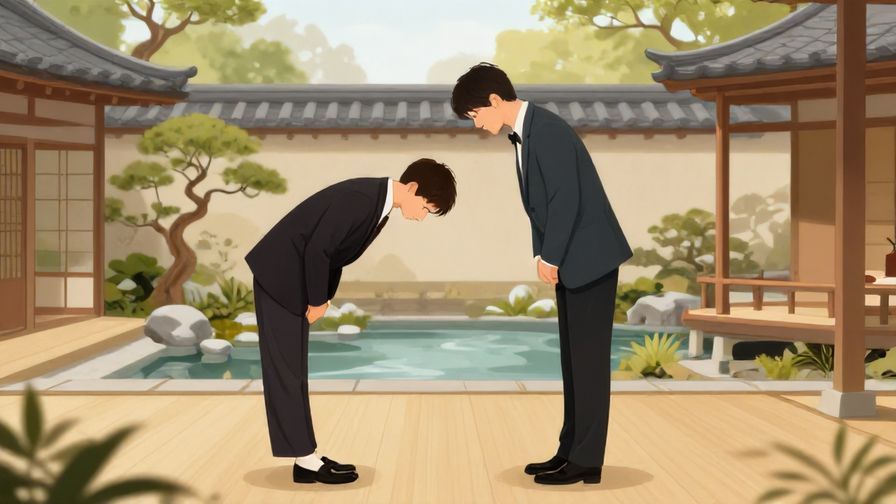
This is a polite and formal way to say “I’m too young to die.”
“私は” (watashi wa) means “I” formally, and the ending “ます” (masu) makes it polite.
Great for formal speeches or serious conversations.
Useful when you want to sound respectful but firm.
You can use this in business or public settings.
It’s a clear and respectful way to express the idea.
10. まだ人生を終えるには早すぎます (Mada jinsei o oeru ni wa hayasugimasu) – “It’s still too early to end my life.”
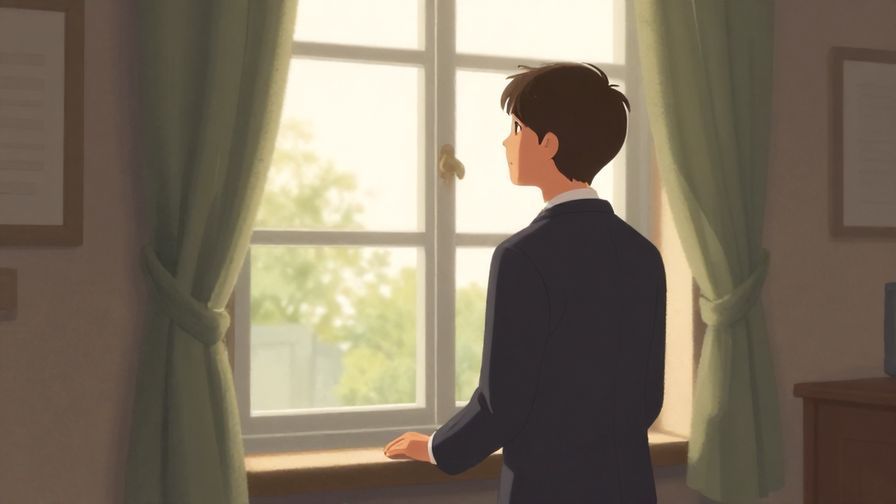
This phrase uses “人生” (jinsei), meaning “life” or “human life,” for a formal touch.
“終える” (oeru) means “to end,” giving a softer way to talk about death.
It’s appropriate for serious or official contexts.
This phrase sounds dignified and thoughtful.
Use it when discussing life in a more philosophical or respectful manner.
It’s a gentle way to express resilience or hope.
11. まだ死ぬには時期尚早です (Mada shinu ni wa jiki shousou desu) – “It’s premature to die yet.”

This phrase uses a common Japanese idiom “時期尚早” (jiki shousou), meaning “premature.”
It’s very formal and often used in written or official communication.
Great for emphasizing that it’s too soon for death.
Useful in medical, legal, or formal discussions.
It adds a layer of sophistication and seriousness.
Perfect when you want to make a strong but polite statement.
12. まだ若くて死ぬには早いと思います (Mada wakakute shinu ni wa hayai to omoimasu) – “I think I’m still young and it’s too early to die.”

This combines politeness with a personal opinion.
“と思います” (to omoimasu) means “I think,” softening the statement.
Great for polite conversations or when you want to express your feelings respectfully.
Use it to share your perspective gently.
It’s an excellent way to express hope without sounding too direct.
Perfect for polite discussions or when speaking with elders.
13. 私の命はまだ終わりではありません (Watashi no inochi wa mada owari dewa arimasen) – “My life is not over yet.”

This is a formal yet hopeful phrase.
“命” (inochi) means “life,” and “終わりではありません” (owari dewa arimasen) means “is not over.”
It sounds dignified and positive.
Use it when you want to affirm life’s continuation.
Great for speeches or serious conversations.
It’s a strong but polite way to express being too young to die.
14. 私はまだ死ぬべき年齢ではありません (Watashi wa mada shinu beki nenrei dewa arimasen) – “I am not yet of the age to die.”

This phrase uses “べき” (beki) meaning “should” or “ought to,” combined with “年齢” (nenrei), meaning “age.”
It’s formal and slightly philosophical.
Good for thoughtful discussions or reflective moments.
Use it to indicate you’re too young in terms of societal or natural expectation.
It carries a respectful tone and clear meaning.
Great for mature or serious conversations.
15. まだ死ぬには相応しくありません (Mada shinu ni wa fusawashiku arimasen) – “I’m not suitable to die yet.”

This is a formal and slightly poetic phrase.
“相応しい” (fusawashii) means “suitable” or “appropriate.”
It implies you’re not ready or worthy of death yet.
Great for expressing dignity and youthful pride.
Use it in formal writing or speeches.
It’s a powerful statement of self-worth.
16. まだ死ぬことはできません (Mada shinu koto wa dekimasen) – “I can’t die yet.”

This phrase states inability to die in a polite way.
“ことはできません” (koto wa dekimasen) means “cannot do.”
It’s straightforward and formal.
Good for serious or hopeful declarations.
Use it to assert your will to keep living.
Simple but effective in many contexts.
Part 3: Very Casual / Native-like Expressions
17. 死ぬにはまだ早いぜ! (Shinu ni wa mada hayai ze!) – “It’s still too early to die, man!”

The “ぜ” (ze) ending adds a masculine, casual, and confident tone.
Perfect among close friends or in casual speech.
It’s energetic and a bit rebellious.
Use it to hype yourself or others up.
It’s informal, so avoid in polite contexts.
Great for expressing youthful bravado.
18. まだ死ねるかよ! (Mada shineru ka yo!) – “Like I could die yet!”

This phrase is very casual and expressive.
“かよ” (ka yo) adds emphasis and a bit of disbelief.
It’s perfect for casual banter or joking.
Use it when feeling strong or defiant.
Not suitable for formal or serious talks.
Great for native-like, spontaneous speech.
19. 死ぬなんてまだ早いっしょ! (Shinu nante mada hayaissho!) – “Dying? That’s way too early!”

“なんて” (nante) expresses disdain or surprise, and “っしょ” (ssho) is a casual ending like “right?”
This phrase is very informal and friendly.
Use it to dismiss the idea of dying with humor and spirit.
Great for conversations with peers.
It feels natural and native.
Perfect for lighthearted defiance.
20. まだ死ぬわけないじゃん! (Mada shinu wake nai jan!) – “There’s no way I’m dying yet!”

This phrase uses “わけない” (wake nai) meaning “no way,” plus “じゃん” (jan) for casual emphasis.
It’s an energetic and very informal way to say you’re too young to die.
Great for expressing disbelief or confidence.
Use it among friends or in casual speech.
A fun phrase to show youthful energy.
Perfect for lively conversations.
21. 俺、まだ死ぬには早すぎるぜ! (Ore, mada shinu ni wa hayasugiru ze!) – “I’m still way too young to die, dude!”

“俺” (ore) is a casual masculine “I,” and “ぜ” (ze) adds emphasis.
This is a strong, confident way to say it.
Perfect for male speakers in casual settings.
Shows pride and determination.
Use it to assert your youth and will.
Great for storytelling or informal talk.
22. まだ死ぬなんて考えられないよ (Mada shinu nante kangaerarenai yo) – “I still can’t even think about dying.”

This phrase expresses disbelief or refusal to accept death.
“考えられない” (kangaerarenai) means “can’t think of.”
It’s casual but emotional.
Great for expressing your desire to live strongly.
Use it in conversations about future or dreams.
It’s relatable and heartfelt.
Concluding Thought
Exploring these 22 ways to say “I’m too young to die” in Japanese shows just how rich and varied the language is when it comes to expressing life and youth.
Whether casual, polite, or poetic, each phrase carries a unique emotional weight that connects deeply with human feelings.
Keep these phrases handy, and you’ll not only sound more natural but also feel more connected to the vibrant spirit of Japanese language and culture. Stay young at heart!