22 Japanese ways to say “I’m sleepy”
Feeling sleepy is one of those universal experiences that everyone shares — no matter where you come from. In Japanese, there are so many charming and expressive ways to say “I’m sleepy” that go beyond the usual phrase.
Whether you’re chatting with friends, texting, or just letting someone know you need some rest, these phrases will help you sound natural and relatable. Plus, they add some fun flavor to your conversations!
Learning different ways to say something simple like “I’m sleepy” can deepen your understanding of Japanese culture and everyday life. It’s a neat way to connect with locals or impress your language buddies.
In this article, you’ll discover 22 warm, casual, polite, and native-like expressions for “I’m sleepy.” Each one comes with pronunciation tips and little notes so you can use them confidently.
By the end, you’ll have a whole toolbox of sleepy phrases ready for any situation. Sweet dreams and happy learning!
Let’s dive in and explore these cozy Japanese expressions together.
Casual & Friendly Ways to Say “I’m Sleepy”
Starting with some easy-going and everyday phrases you can use with friends or family. These expressions are warm and informal, perfect for relaxed moments.
They show how expressive Japanese can be, even for something as simple as feeling tired. Plus, they’re great to practice and remember!
Let’s get comfortable and start with these cozy sleepy phrases.

Sometimes a simple Japanese phrasebook for casual conversation can help you build up your fluency in these everyday expressions.
Try using these phrases when you’re hanging out or messaging with people you know well — they’ll sound natural and sweet.
Practice makes perfect, so don’t be shy to say these out loud!
Part 1: Casual Suggestions
1. 眠い (Nemui) – “Sleepy.”
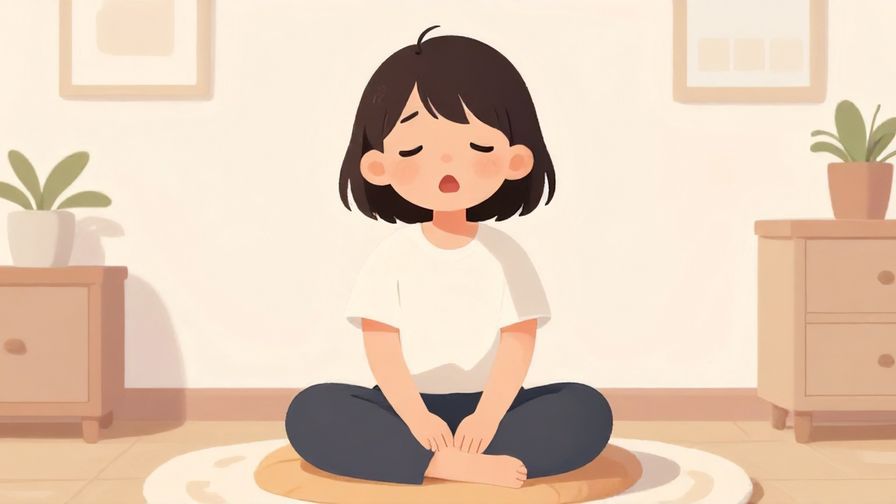
Start with the simplest and most direct way to say “I’m sleepy.”
眠い (Nemui, neh-moo-ee) literally means “sleepy” and is used commonly in casual speech. Just saying “眠い” can imply “I feel sleepy.”
This word is easy to remember and very useful when chatting with friends or family.
It’s a quick way to let someone know you’re ready to relax or nap.
Related phrase: “眠たくなった (Nemutaku natta)” means “I’ve become sleepy.”
Use “眠い” anytime you want to sound natural and casual expressing tiredness.
2. もう寝たい (Mou netai) – “I want to sleep already.”

This phrase expresses a strong desire to go to sleep.
“もう (Mou, moh)” means “already,” and “寝たい (netai, neh-tie)” means “want to sleep.” Put together, it’s like saying, “I want to sleep now.”
It’s casual and perfect for telling someone you’re done for the day.
Make sure to use it only with friends or family, not in formal settings.
Example: After a long day, “もう寝たいなぁ” (Mou netai naa) sounds natural and relatable.
This phrase helps you sound like a native when signaling tiredness.
3. 眠くてたまらない (Nemukute tamaranai) – “I’m unbearably sleepy.”

This phrase shows a stronger feeling of sleepiness.
眠くて (Nemukute, neh-moo-koo-teh) means “sleepy and…” and たまらない (tamaranai, tah-mah-rah-nai) means “unbearable.” Together, they say “I’m unbearably sleepy.”
It’s a vivid way to express that you really can’t keep your eyes open.
Great for conversations when you want to emphasize your tiredness.
It’s a phrase that feels very natural and emotional.
Use it to show you need to rest ASAP!
4. ちょっと眠い (Chotto nemui) – “A little sleepy.”

“ちょっと (Chotto, choh-toh)” means “a little,” so this phrase means “a little sleepy.”
It’s perfect for when you feel tired but not completely exhausted.
Use it for subtle, everyday sleepy feelings like after lunch or during a break.
It sounds casual and friendly, ideal for chatting with coworkers or friends.
Try saying “ちょっと眠いけど頑張る!” (Chotto nemui kedo ganbaru!) – “I’m a little sleepy but I’ll do my best!”
This phrase helps express mild sleepiness without sounding too tired.
5. 眠くなってきた (Nemuku natte kita) – “I’m starting to get sleepy.”

This phrase means you are beginning to feel sleepy.
眠くなってきた (Nemuku natte kita, neh-moo-koo nah-tteh kee-tah) combines “sleepy” with “starting to become.”
It’s useful for describing a gradual change in how you feel.
Great for casual conversation or when explaining why you might start yawning soon.
Example: “授業中に眠くなってきた” (Jugyouchuu ni nemuku natte kita) means “I started getting sleepy during class.”
This phrase is easy to remember and super natural.
6. まぶたが重い (Mabuta ga omoi) – “My eyelids are heavy.”
This idiomatic expression literally means “My eyelids are heavy.”
It’s a poetic and common way to say you’re sleepy without saying the word “sleepy” directly.
It’s great to use for storytelling or describing moments before falling asleep.
Use it in casual or slightly artistic conversations to sound expressive.
Try: “まぶたが重くて起きていられない” (Mabuta ga omokute okite irarenai) – “My eyelids are heavy, I can’t stay awake.”
This phrase paints a vivid picture of sleepiness.
7. 眠りたい (Nemuritai) – “I want to sleep.”
眠りたい (Nemuritai, neh-moo-ree-tie) means “I want to sleep.”
It’s a straightforward and honest way to express your desire for rest.
Use it when you’re ready to hit the bed but want to say it casually.
It’s polite enough for most situations but still friendly.
Example: “もう眠りたい、今日は疲れた。” (Mou nemuritai, kyou wa tsukareta.) – “I want to sleep already, I’m tired today.”
This phrase is simple and effective for expressing sleepiness or tiredness.
8. 眠気が来た (Nemuke ga kita) – “Sleepiness has come.”
This phrase means “sleepiness has arrived.”
眠気 (Nemuke, neh-moo-keh) means “sleepiness,” and 来た (Kita, kee-tah) means “came.”
It’s a fun, somewhat casual way to say you suddenly feel sleepy.
Perfect for sharing that moment when your body just gives in to tiredness.
Use it with friends or in conversation about your day.
Try: “授業中に眠気が来たよ。” (Jugyouchuu ni nemuke ga kita yo.) – “Sleepiness came during class.”
Part 2: Polite & Formal Suggestions
9. 眠いです (Nemui desu) – “I am sleepy.” (polite)

Adding “です (desu)” makes 眠い (Nemui) polite and suitable for workplace or respectful conversations.
This phrase is simple and clear for telling colleagues or acquaintances you are feeling sleepy.
It keeps your tone polite but still natural.
Try saying “今日はとても眠いです。” (Kyou wa totemo nemui desu.) – “I’m very sleepy today.”
Perfect for casual but respectful talk.
Using polite forms will help you fit into formal settings smoothly.
10. 眠くなりました (Nemuku narimashita) – “I became sleepy.” (polite)

This polite phrase means “I became sleepy.”
眠く (Nemuku) is the adverbial form of sleepy, and なりました (Narimashita) means “became” in polite past tense.
It’s perfect for reporting your state politely.
Use it in emails or conversations with people you don’t know well.
Example: “ちょっと眠くなりました。” (Chotto nemuku narimashita.) – “I’ve gotten a little sleepy.”
This phrase shows respect while still sharing your feelings.
11. 眠そうです (Nemusou desu) – “You look sleepy.” (polite)

Use this phrase to politely say someone looks sleepy.
眠そう (Nemusou, neh-moo-soh) means “looks sleepy,” and です (desu) makes it polite.
It’s a kind and considerate way to show you notice someone’s tiredness.
Great for coworkers or acquaintances.
Example: “今日は眠そうですね。” (Kyou wa nemusou desu ne.) – “You look sleepy today.”
It’s a gentle way to connect with others about feeling tired.
12. 眠気が強いです (Nemuke ga tsuyoi desu) – “I feel very sleepy.” (polite)

This phrase means “I feel strong sleepiness.”
眠気 (Nemuke) is sleepiness, 強い (Tsuyoi, tsu-yo-ee) means strong, and です (desu) adds politeness.
It’s useful for formally expressing you’re very sleepy.
Try it in polite conversation or business settings.
Example: “眠気が強いので少し休みます。” (Nemuke ga tsuyoi node sukoshi yasumimasu.) – “I’m very sleepy, so I’ll take a short rest.”
This phrase is respectful and clear for formal contexts.
13. 眠ってしまいそうです (Nemutte shimai sou desu) – “I feel like I’m about to fall asleep.” (polite)

This gentle phrase means you’re on the edge of falling asleep.
眠ってしまいそう (Nemutte shimai sou) means “seems like I’ll end up sleeping,” and です (desu) adds politeness.
Use it to politely explain your drowsiness.
It’s a soft, descriptive way to share how tired you are.
Example: “会議中に眠ってしまいそうです。” (Kaigi-chuu ni nemutte shimai sou desu.) – “I feel like I’m about to fall asleep during the meeting.”
Perfect for polite settings where you want to be honest but respectful.
14. 眠くて困っています (Nemukute komatte imasu) – “I’m troubled by sleepiness.” (polite)

This phrase means “I’m struggling because I’m sleepy.”
眠くて (Nemukute) means “sleepy and…,” 困っています (Komatte imasu) means “I’m troubled.”
It’s polite and shows you’re having a hard time staying awake.
Great for expressing difficulty in formal or semi-formal conversations.
Example: “眠くて困っていますが頑張ります。” (Nemukute komatte imasu ga ganbarimasu.) – “I’m sleepy and struggling, but I’ll do my best.”
This phrase balances politeness with honest feelings.
15. 眠気に勝てません (Nemuke ni katemasen) – “I can’t beat sleepiness.” (polite)

This phrase means you can’t overcome your sleepiness.
眠気に (Nemuke ni) means “against sleepiness,” and 勝てません (katemasen) means “can’t win.”
It’s a polite but slightly poetic way to admit defeat to tiredness.
Perfect for a formal setting where you want to politely explain you’re very tired.
Example: “今日は眠気に勝てません。” (Kyou wa nemuke ni katemasen.) – “I can’t beat sleepiness today.”
Use it to sound respectful and expressive at once.
16. お疲れで眠いです (Otsukare de nemui desu) – “I’m sleepy because I’m tired.” (polite)
お疲れ (Otsukare) means “tired from work or effort,” and 眠いです (Nemui desu) means “I’m sleepy.”
Put together, this polite phrase explains why you’re sleepy.
It’s useful in workplace conversations or polite chats.
Example: “今日はお疲れで眠いです。” (Kyou wa otsukare de nemui desu.) – “I’m sleepy because I’m tired today.”
This phrase shows awareness of your condition respectfully.
Great for polite but honest expression.
Part 3: Very Casual / Native-like Expressions
17. ねむねむ (Nemunemu) – “Sleepy sleepy” (cute, casual)

“ねむねむ (Nemunemu)” is a cute, childlike way to say you’re sleepy.
It’s often used by young people or in playful chats.
Repeating the root 眠 (nemu) adds softness and charm.
Try it in texts or with close friends for a relaxed vibe.
Example: “今日はもうねむねむだよ。” (Kyou wa mou nemunemu da yo.) – “I’m super sleepy today.”
This phrase is informal and sweet, perfect for casual moments.
18. ねむい〜 (Nemui~) – “Sleepy~” (elongated, casual)
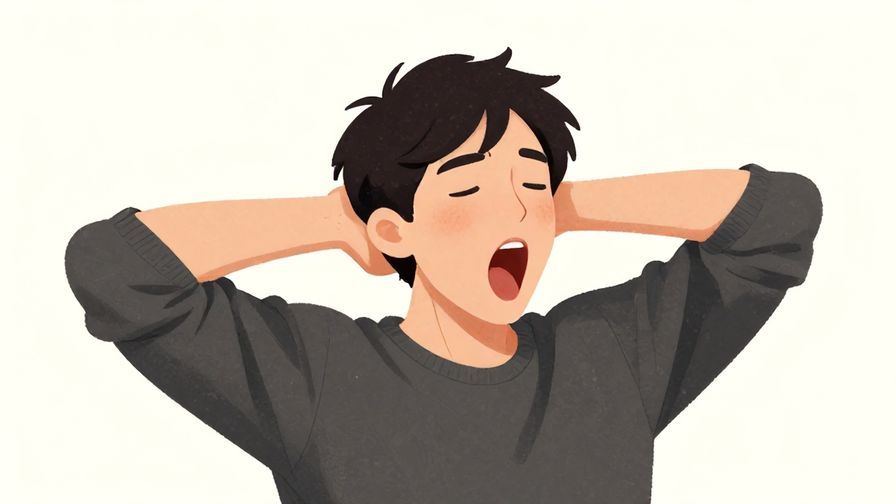
Adding a drawn-out sound like “〜” makes 眠い (Nemui) sound relaxed and casual.
It mimics how people drag out their words when tired.
Great for texting or casual speech to emphasize your sleepiness.
Example: “ねむい〜、早く寝たい。” (Nemui~, hayaku netai.) – “Sleepy~, I want to sleep early.”
This adds personality and warmth to your expression.
Try it with friends or family for a natural feel.
19. 眠すぎる (Nemusugiru) – “Too sleepy.”

眠すぎる (Nemusugiru, neh-moo-soo-gee-roo) means “too sleepy.”
It combines 眠い (sleepy) with すぎる (sugiru), meaning “too much.”
A common and casual way to say you’re extremely tired.
Example: “眠すぎて起きられない。” (Nemusugite okirarenai.) – “I’m too sleepy to wake up.”
It sounds natural and native-like in casual conversations.
Use it to emphasize your tiredness with friends.
20. 眠たい (Nemutai) – “Sleepy” (very casual)

眠たい (Nemutai, neh-mu-tie) is a very casual and slightly softer way to say “sleepy.”
It’s often used in everyday conversation among friends.
Some people use it interchangeably with 眠い, but it feels more relaxed.
Example: “眠たいから帰りたい!” (Nemutai kara kaeritai!) – “I’m sleepy, so I want to go home!”
It’s great to sound native-like and casual.
Perfect for informal chats or texting.
21. ねむねむモード (Nemunemu mōdo) – “Sleepy mode.”
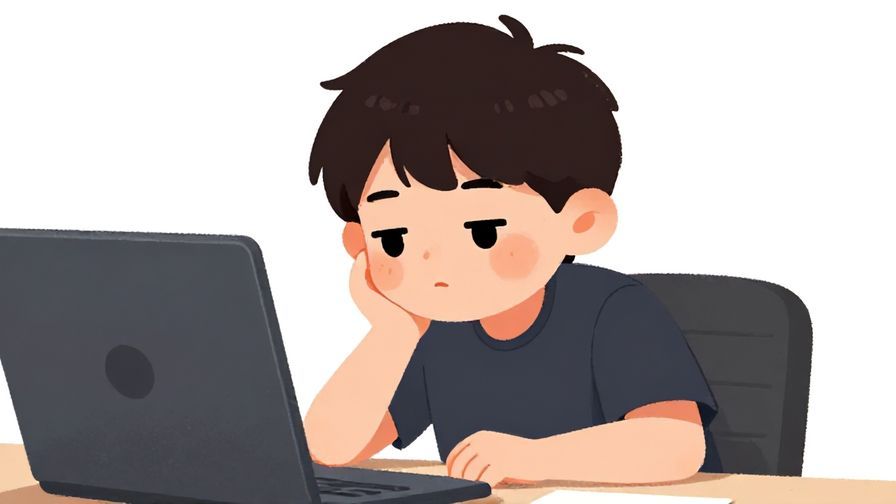
“ねむねむモード (Nemunemu mōdo)” is a playful way to say you’re in “sleepy mode.”
It’s casual and often used among younger people or in online chats.
“モード (Mōdo)” means “mode,” borrowed from English.
Use it to add humor and personality when saying you’re tired.
Example: “今ねむねむモードだよ。” (Ima nemunemu mōdo da yo.) – “I’m in sleepy mode right now.”
This phrase is lighthearted and fun.
22. 眠気バリバリ (Nemuke baribari) – “Super sleepy.”
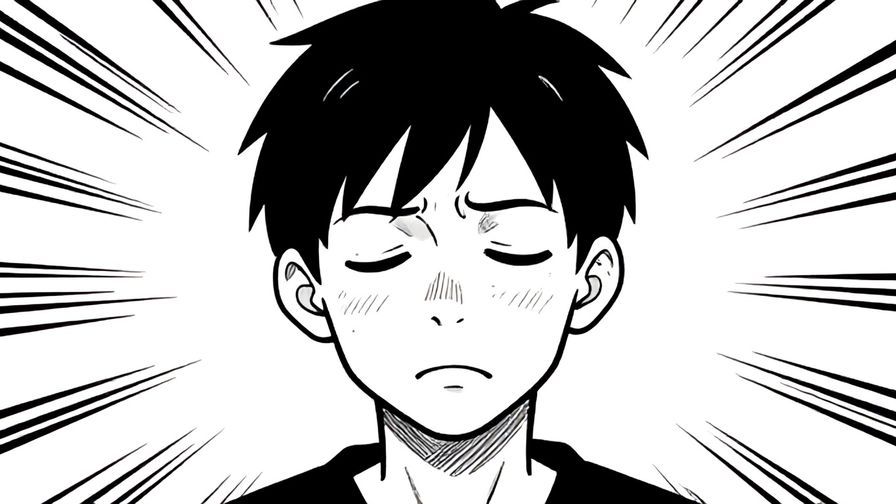
“眠気バリバリ (Nemuke baribari)” is a colorful slang-like phrase meaning “super sleepy.”
バリバリ (Baribari) adds emphasis, like “full on” or “very much.”
It’s casual and energetic, often used to exaggerate feelings.
Example: “今日は眠気バリバリでヤバい。” (Kyou wa nemuke baribari de yabai.) – “I’m super sleepy today, it’s bad.”
Great for texting or chatting when you want to be playful.
This phrase adds spice to your sleepy talk!
Concluding Thought
Exploring all these ways to say “I’m sleepy” in Japanese shows how rich and expressive the language is, even for simple feelings.
From polite phrases for work to playful slang with friends, you now have a variety of options to fit any situation.
So next time you’re feeling drowsy, try one of these expressions and enjoy sounding more natural and connected with Japanese speakers. Sweet dreams and happy learning!