22 Japanese ways to say “I’m over the moon”
Feeling truly ecstatic in Japanese has so many colorful expressions. Whether you’re celebrating a personal win or just want to sound joyful and natural, there’s a perfect phrase waiting for you.
Japanese is full of charming, warm ways to express happiness that go beyond the usual “うれしい” (ureshii) — happy.
From poetic metaphors to everyday slang, these 22 expressions will help you say “I’m over the moon” in ways that fit your mood and style.
Learning these will not only boost your vocabulary but also connect you more deeply with Japanese culture and how people share joy.
Plus, mastering these phrases can make your conversations sparkle with genuine emotion.
Let’s dive right in and discover your new favorite way to express pure happiness in Japanese!
Common Joyful Expressions to Know
Before jumping into the list, it’s good to know some basics. Many Japanese expressions for happiness involve imagery like stars, the sky, or excitement.
Knowing the cultural background helps you understand why people say what they do when they’re thrilled or excited.
These phrases range from formal to casual, so you can pick the right one for any setting.

Sometimes, using a great beginner phrasebook can give you a perfect starting point for a cohesive understanding.
These expressions are easy to remember when you think of the feelings behind them.
Keep in mind, practicing with native speakers or media makes these phrases come alive.
Part 1: Casual Suggestions
1. 嬉しくてたまらない (Ureshikute tamaranai) – “I’m so happy I can’t stand it.”

This phrase literally means “so happy that I can’t bear it.” It’s perfect when you’re bursting with joy and can’t keep it inside.
It’s a simple way to express overwhelming happiness in everyday conversations, whether with friends or family.
Using “たまらない” (tamaranai) emphasizes the intensity of your feeling, making it relatable and heartfelt.
It’s like saying, “I’m over the moon!” but with a natural Japanese twist.
Related phrases like “たまらなく嬉しい” (tamaranaku ureshii) can also be used for variety.
Try using it next time you receive great news — it’s sure to sound genuine and warm.
2. 嬉しすぎて飛び上がる (Ureshisugite tobiagaru) – “So happy I jump up.”

This vivid phrase captures the physical excitement of happiness — literally “jumping up because you’re so happy.”
It’s casual and energetic, great for chatting with friends or sharing happy moments online.
Remember, “飛び上がる” (tobiagaru) means “to jump up,” so it’s easy to visualize and remember.
People often use this when something unexpectedly great happens.
Example: “合格して嬉しすぎて飛び上がった!” (Gōkaku shite ureshisugite tobiagatta!) – “I was so happy I jumped up when I passed!”
It’s a joyful phrase that’s fun to say out loud and expresses real excitement.
3. 天にも昇る気持ち (Ten ni mo noboru kimochi) – “Feeling like I’m rising to heaven.”

This poetic phrase literally means “feeling like ascending to heaven.” It’s a beautiful way to say you’re extremely happy.
It’s often used in more expressive or literary contexts but works fine in everyday speech too.
The word “気持ち” (kimochi) means “feeling,” and “天” (ten) means “heaven.”
So, you’re describing joy as a heavenly, uplifting sensation — perfect for deeply emotional moments.
A related phrase is “天にも昇る心地” (ten ni mo noboru kokochi) meaning the same.
Use it when you want to sound a bit more poetic or heartfelt.
4. 最高にハッピー (Saikō ni happī) – “Super happy.”

This is a simple, casual way to say “super happy.” It’s very common with younger people and in informal settings.
“最高” (saikō) means “the best” or “supreme,” and “ハッピー” (happī) is the borrowed English word “happy.”
Combining them makes a fun phrase that’s easy to remember and use.
It’s perfect for social media posts, chats, or just expressing light and bright happiness.
Be mindful it’s casual, so avoid using it in formal situations.
It’s a great go-to when you want to sound cheerful and modern.
5. 心が躍る (Kokoro ga odoru) – “My heart dances.”

This expression means “my heart dances,” a lovely metaphor for feeling joyful and excited.
“心” (kokoro) means “heart” or “mind,” and “踊る” (odoru) means “to dance.”
It’s used when you feel excited and happy about something coming up or just experienced.
It’s slightly poetic but common enough to use in casual conversations too.
Try saying “明日の旅行で心が踊っている” (Ashita no ryokō de kokoro ga odotte iru) – “My heart is dancing about tomorrow’s trip.”
It’s an expressive phrase that adds charm to your happiness.
6. めっちゃ嬉しい (Meccha ureshii) – “Super happy” (very casual)

“めっちゃ” (meccha) is Kansai dialect for “very” or “super,” so this phrase means “super happy.”
It’s very casual and popular among younger speakers, especially around Osaka.
It’s great for informal chats and expressing genuine excitement.
Because of its casual tone, avoid using it in formal or business conversations.
Example: “合格してめっちゃ嬉しい!” (Gōkaku shite meccha ureshii!) – “I’m super happy I passed!”
It’s an easy phrase to remember and adds regional flair.
7. ハッピーすぎる (Happī sugiru) – “Too happy.”

This phrase literally means “too happy,” emphasizing an overwhelming feeling of joy.
“すぎる” (sugiru) means “too much,” so it intensifies “happy.”
It’s casual and often used in spoken Japanese or social media.
Try it when you want to stress how happy you are without sounding too formal.
For example, “今日のパーティーはハッピーすぎた!” (Kyō no pātī wa happī sugita!) – “Today’s party was too happy (so much fun)!”
This phrase adds a playful tone to your happiness expression.
8. 夢みたい (Yume mitai) – “Like a dream.”
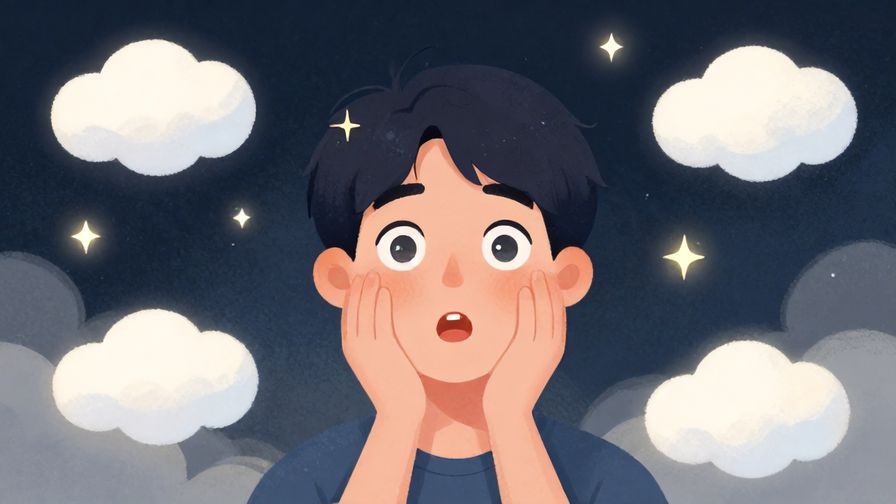
“夢みたい” means “like a dream,” expressing a surreal kind of happiness.
It’s used when something wonderful feels almost too good to be true.
“夢” (yume) means “dream,” and “みたい” (mitai) means “like” or “as if.”
This phrase is great for magical or unexpected joyful moments.
Example: “合格したなんて夢みたい!” (Gōkaku shita nante yume mitai!) – “Passing feels like a dream!”
It’s a beautiful way to express deep happiness.
Part 2: Polite & Formal Suggestions
9. とても嬉しく思います (Totemo ureshiku omoimasu) – “I feel very happy.”
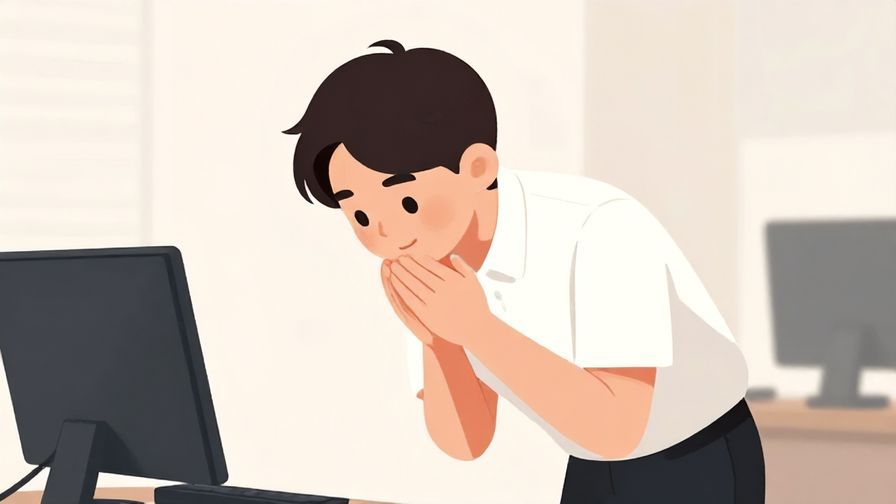
This is a polite, formal way to express happiness, suitable for business or formal occasions.
“とても” (totemo) means “very,” “嬉しく” (ureshiku) is the adverb form of “happy,” and “思います” (omoimasu) means “I think/feel.”
It’s respectful and clear, perfect for emails or official conversations.
Use it when you want to show gratitude or joy professionally.
Example: “この度はとても嬉しく思います。” (Kono tabi wa totemo ureshiku omoimasu.) – “I am very happy about this occasion.”
It’s a great phrase to keep in your formal vocabulary toolkit.
10. 心から感謝しています (Kokoro kara kansha shiteimasu) – “I am sincerely grateful.”

This phrase expresses deep gratitude, often tied to happiness.
“心から” (kokoro kara) means “from the heart,” and “感謝しています” (kansha shiteimasu) means “I am grateful.”
It’s polite and heartfelt, great for formal thank-you notes or speeches.
It conveys joy through appreciation, which is a beautiful emotional expression.
Example: “皆様に心から感謝しています。” (Minasama ni kokoro kara kansha shiteimasu.) – “I sincerely thank everyone.”
Perfect for moments when happiness and gratitude mix.
11. とても光栄に思います (Totemo kōei ni omoimasu) – “I feel very honored.”

This phrase is formal and polite, often used in speeches or professional settings.
“光栄” (kōei) means “honor,” so it expresses joy mixed with respect.
It’s a perfect phrase when you’re grateful and happy to receive recognition.
Example: “この賞をいただき、とても光栄に思います。” (Kono shō o itadaki, totemo kōei ni omoimasu.) – “I feel very honored to receive this award.”
It’s excellent for expressing pride with humility.
Keep this one handy for formal occasions.
12. とても嬉しく存じます (Totemo ureshiku zonjimasu) – “I am very happy” (very formal)

This is a very polite and humble way to express happiness, often found in business or official letters.
“存じます” (zonjimasu) is the humble form of “think/feel.”
Use it to sound respectful and gracious, especially when addressing superiors.
Example: “このような機会をいただき、とても嬉しく存じます。” (Kono yō na kikai o itadaki, totemo ureshiku zonjimasu.) – “I am very happy to have such an opportunity.”
It’s formal but conveys sincere emotion.
Perfect for situations needing utmost politeness.
13. 喜びで胸がいっぱいです (Yorokobi de mune ga ippai desu) – “My heart is full of joy.”

This is a heartfelt formal phrase that means “my heart is full of joy.”
“喜び” (yorokobi) means “joy,” and “胸がいっぱい” (mune ga ippai) means “full in the chest,” a poetic way to express deep happiness.
Great for expressing sincere happiness in speeches or letters.
Example: “皆様のおかげで喜びで胸がいっぱいです。” (Minasama no okage de yorokobi de mune ga ippai desu.) – “Thanks to everyone, my heart is full of joy.”
This phrase beautifully conveys emotional depth.
Use it to sound warm and genuine.
14. 感激しています (Kangeki shiteimasu) – “I am deeply moved.”
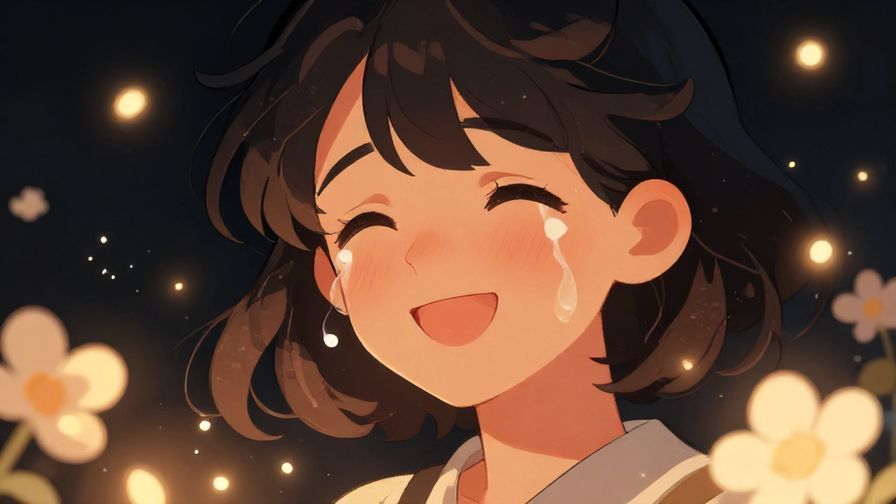
This phrase means “I am deeply moved,” often used when happiness comes with gratitude or awe.
“感激” (kangeki) means “deep emotion” or “being touched.”
It’s polite and expressive, great for formal or semi-formal situations.
Example: “皆様のご支援に感激しています。” (Minasama no goshien ni kangeki shiteimasu.) – “I am deeply moved by everyone’s support.”
Use it when happiness is mixed with heartfelt appreciation.
It adds emotional richness to your words.
15. 喜びを感じる (Yorokobi o kanjiru) – “I feel joy.”

This is a straightforward, polite way to say “I feel joy.”
“喜び” (yorokobi) means “joy,” and “感じる” (kanjiru) means “to feel.”
It works well in formal writing or conversations.
Example: “皆様と一緒に喜びを感じています。” (Minasama to issho ni yorokobi o kanjiteimasu.) – “I feel joy together with everyone.”
It’s simple but sincere.
Great for conveying happiness in a composed way.
16. 喜びに溢れる (Yorokobi ni afureru) – “Overflowing with joy.”

This phrase means “overflowing with joy,” capturing a vivid image of happiness spilling over.
“溢れる” (afureru) means “to overflow,” and “喜び” (yorokobi) means “joy.”
It’s poetic and can be used in both formal and informal contexts.
Example: “喜びに溢れる一日でした。” (Yorokobi ni afureru ichinichi deshita.) – “It was a day overflowing with joy.”
Use it to paint a bright picture of happiness.
It’s a perfect phrase for storytelling or reflections.
Part 3: Very Casual / Native-like Expressions
17. ウキウキする (Ukiuki suru) – “Feeling excited and happy.”

“ウキウキ” is an onomatopoeia expressing bubbly excitement and happiness.
It’s very casual and common in everyday conversation among friends.
Use it when you’re looking forward to something or just feeling cheerful.
Example: “明日のデートでウキウキしてる!” (Ashita no dēto de ukiuki shiteru!) – “I’m so excited about tomorrow’s date!”
It’s fun, easy to say, and very expressive.
Perfect for conveying a lighthearted happy mood.
18. ルンルン (Runrun) – “Feeling happy and carefree.”
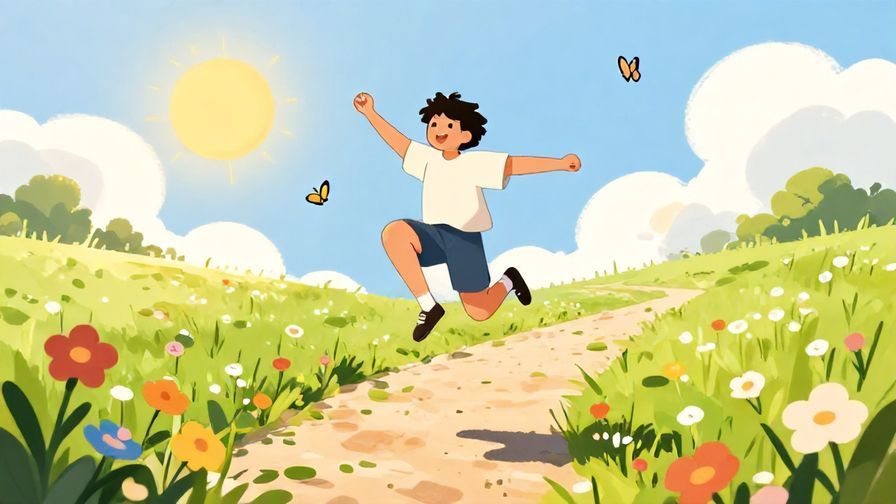
“ルンルン” is another onomatopoeia, expressing a carefree, happy feeling.
It’s very casual and often used when people feel cheerful and lighthearted.
It’s easy to use and perfect for casual chats or social media captions.
Example: “いい天気でルンルン気分!” (Ii tenki de runrun kibun!) – “Feeling happy because of the nice weather!”
It conveys a cute and playful vibe.
Try it when you want to sound cheerful and relaxed.
19. ハイテンション (Hai tenshon) – “High tension (high energy).”

“ハイテンション” literally means “high tension,” but in casual Japanese, it means high energy and excitement.
It’s often used to describe someone who’s super happy and energetic.
Use it to show lively joy or hype.
Example: “今日はハイテンションで楽しい!” (Kyō wa hai tenshon de tanoshii!) – “I’m super excited and having fun today!”
It’s a borrowed phrase but widely used in casual speech.
Great for party or celebration contexts.
20. めっちゃハッピー (Meccha happī) – “Super happy” (casual)

Similar to “めっちゃ嬉しい,” this phrase mixes casual slang with the English “happy.”
It’s popular among young people for expressing strong joy.
Easy to say and remember, making it great for daily use.
Example: “今日めっちゃハッピー!” (Kyō meccha happī!) – “I’m super happy today!”
Use it when you want to sound energetic and upbeat.
It’s a fun phrase to add to your casual vocabulary.
21. 超嬉しい (Chō ureshii) – “Super happy.”

“超” (chō) means “super” or “ultra,” so this phrase means “super happy.”
It’s casual and widely used in everyday conversations to emphasize happiness.
It’s short and impactful, perfect when you want to express strong feelings.
Example: “合格できて超嬉しい!” (Gōkaku dekite chō ureshii!) – “I’m super happy I passed!”
It’s easy to say and instantly understood.
Great for energetic and spontaneous moments.
22. めちゃくちゃ嬉しい (Mechakucha ureshii) – “Extremely happy.”

“めちゃくちゃ” (mechakucha) means “extremely” or “crazy,” so this phrase means “extremely happy.”
It’s very casual and expresses an intense level of happiness.
Perfect for moments of overwhelming joy.
Example: “プレゼントもらってめちゃくちゃ嬉しい!” (Purezento moratte mechakucha ureshii!) – “I’m extremely happy to get a present!”
It’s a fun, emphatic phrase that native speakers love.
Use it when you want to really show your excitement.
Concluding Thought
Now you have 22 fantastic ways to say “I’m over the moon” in Japanese, from poetic to playful and formal to casual.
Each phrase carries its own unique flavor, letting you share your happiness in a way that feels natural and fitting for any occasion.
Keep practicing these expressions, and soon you’ll be spreading joy in Japanese with genuine warmth and flair. Happy learning!