22 Japanese ways to say “I’m on a losing streak”
Ever feel like nothing’s going your way? Like the universe is just messing with you, and you’re stuck in a losing streak? You’re definitely not alone.
Expressing that feeling in Japanese can be both fun and revealing. It’s a way to share your mood, sometimes with a touch of humor or just plain honesty.
Whether you’re chatting with friends, journaling, or just want to vent, knowing different ways to say “I’m on a losing streak” in Japanese adds flavor to your language skills.
It also helps you connect more deeply with the culture because these phrases carry emotions and nuances that go beyond just words.
Plus, it’s a neat way to keep your Japanese fresh and relatable – no boring textbook phrases here!
Ready to explore 22 warm, informal, and totally doable Japanese expressions to capture that streak of bad luck? Let’s dive in!
Feeling the slump? Here’s how to say it in Japanese
Before we jump into the list, it helps to understand the basics behind these expressions. Many revolve around words like 負け (make, “loss”), 連敗 (renpai, “consecutive losses”), or 調子悪い (choushi warui, “feeling off”).
These phrases can be casual or formal, depending on who you’re talking to. In Japanese, context is everything, so picking the right tone matters.
Knowing the right phrase helps you sound natural and keeps conversations smooth.

Sometimes, a great learning resource can help you get comfy with these phrases fast.
Once you get these basics, you’ll feel ready to express those streaky days in Japanese like a pro.
It’s easier than you think, and a little practice goes a long way.
Part 1: Casual Suggestions
1. 連敗中だよ (Renpai chuu da yo) – “I’m in the middle of a losing streak.”

This is a straightforward way to say you’re currently on a losing streak.
連敗 (renpai) means “consecutive losses,” and 中 (chuu) means “in the middle of.” Adding だよ (da yo) makes it casual and friendly.
Use this when talking with friends or in informal settings.
It’s like saying “Yep, the losing streak continues!” with a light tone.
Related phrases include 連敗続き (renpai tsuzuki) meaning “continued losing streak.”
Perfect for venting without sounding too dramatic.
2. 最近ツイてないな (Saikin tsuitenai na) – “I’ve been unlucky lately.”

This is a natural way to express a run of bad luck.
最近 (saikin) means “recently,” and ツイてない (tsuitenai) is “unlucky.” The な (na) adds a reflective, slightly informal tone.
It’s great for sharing just a general feeling of “Nothing’s going right.”
Be careful not to use this in very formal situations.
You might hear people say ツイてる (tsuiteru) when things are going well, so this is the flip side.
Use this phrase to sound like a native talking about streaky luck.
3. つまずいてばかりいる (Tsumazuite bakari iru) – “I keep stumbling.”

This phrase uses the verb つまずく (tsumazuku), which means “to stumble.”
ばかりいる (bakari iru) implies “only doing” or “just.” So, you’re saying “I’m just stumbling all the time.”
It’s a relatable way to express feeling clumsy or unlucky repeatedly.
Good for casual chats or self-reflection.
It’s less about formal losing and more about the feeling of repeated small failures.
Try this when you want to sound a bit poetic about your streak.
4. 運が悪すぎる (Un ga warusugiru) – “My luck is way too bad.”

運 (un) means “luck,” and 悪すぎる (warusugiru) means “too bad” or “too terrible.”
This is a punchy and casual way to say your luck sucks big time.
Great for venting in informal conversations.
Be mindful that this can sound a bit blunt, so reserve it for close friends.
You can soften it with ちょっと (chotto) to say ちょっと運が悪い (chotto un ga warui), meaning “a bit unlucky.”
It’s a simple phrase to remember and very expressive.
5. 波が悪い (Nami ga warui) – “The waves are bad.” (Metaphor for bad streak)

波 (nami) means “wave,” and 悪い (warui) means “bad.”
Used metaphorically, it means things aren’t flowing well or luck is rough.
This is a poetic and common way to describe a streak of bad luck or rough times.
Works well in casual speech and even some written expressions.
If you want to sound a bit more native, use this phrase when talking about ups and downs in life.
It’s a cool image to remember how streaks feel like rough waves.
6. ついてない日が続いてる (Tsuitenai hi ga tsuzuiteru) – “Unlucky days keep going.”
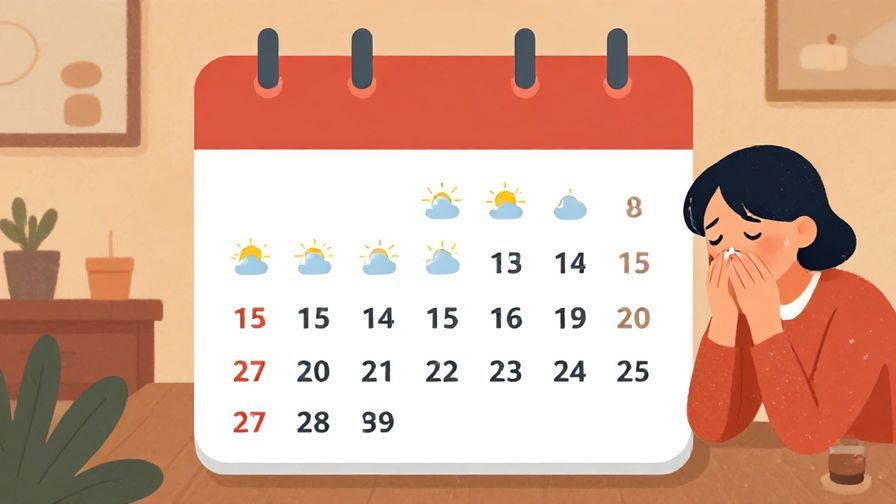
This phrase breaks down nicely: ついてない (tsuitenai) means “unlucky,” 日 (hi) is “day,” and 続いてる (tsuzuiteru) means “continuing.”
It expresses that unlucky days are piling up.
Great for casual conversations or sharing frustrations with friends.
It’s easy to say and sounds completely natural.
You can use this to describe a short-term slump too.
It’s relatable and shows you understand how bad streaks feel day by day.
7. 何もかもうまくいかない (Nani mo ka mo umaku ikanai) – “Nothing’s going well.”

This phrase means “Nothing at all is going smoothly.”
何もかも (nani mo ka mo) means “everything” or “all,” and うまくいかない (umaku ikanai) means “not going well.”
It’s a strong expression for a tough losing streak or rough patch.
Use it casually with friends or in journaling.
It’s a good phrase to vent all your frustrations at once.
Easy to remember because it’s a common structure in Japanese.
8. いつも負けてばかり (Itsumo makete bakari) – “I always just lose.”
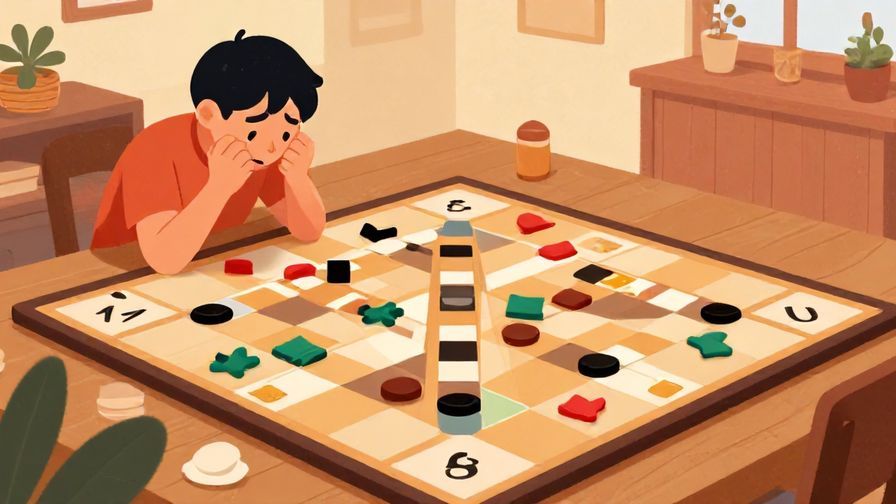
負けて (makete) is the te-form of 負ける (makeru), “to lose,” and ばかり (bakari) means “only” or “just.”
いつも (itsumo) means “always.”
So this phrase means you’re always on the losing side.
It’s straightforward and casual, great for informal conversations.
You can use it to describe sports, games, or even life situations.
It makes a relatable and honest confession.
Part 2: Polite & Formal Suggestions
9. 最近負け続きです (Saikin make tsuzuki desu) – “I’ve been losing continuously lately.”

負け続き (make tsuzuki) means “continuous losing,” and 最近 (saikin) is “recently.”
Adding です (desu) makes it polite.
Use this in formal or professional situations.
It’s clear and respectful without being too emotional.
You might say this to a colleague or in a semi-formal conversation.
It’s a balanced way to express a losing streak politely.
10. 調子が悪くて連敗しています (Choushi ga warukute renpai shiteimasu) – “My condition is bad, and I’m on a losing streak.”

調子が悪い (choushi ga warui) means “to be in bad shape,” and 連敗しています (renpai shiteimasu) means “I am currently on a losing streak.”
This phrase is polite and detailed.
Great for formal or semi-formal conversations where you want to explain your situation thoughtfully.
It sounds mature and composed, showing awareness.
You can use it in sports, work, or personal contexts.
This phrase adds a bit of self-awareness to your expression.
11. ここ最近、勝てていません (Koko saikin, katete imasen) – “I haven’t been able to win recently.”
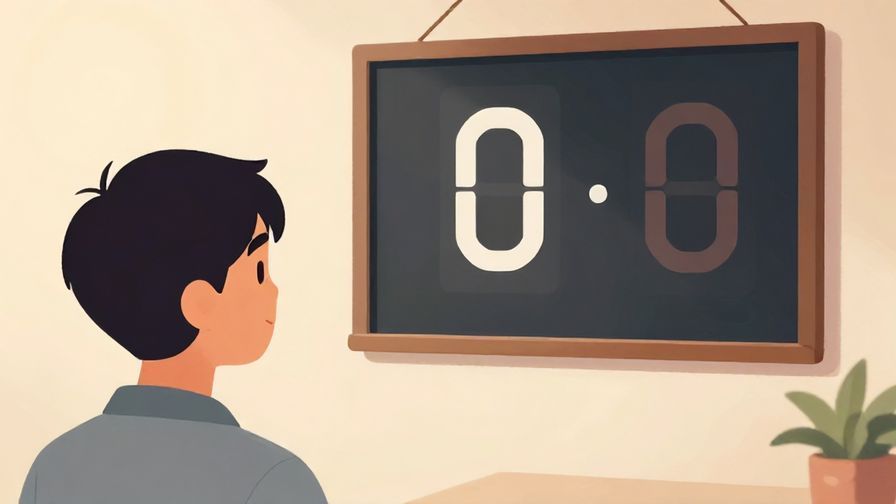
勝てていません (katete imasen) means “haven’t been able to win,” and ここ最近 (koko saikin) means “lately.”
A polite and subtle way to express you’re struggling to win.
Good for formal or polite casual conversations.
It focuses on the lack of wins rather than losses.
Useful when you want to sound humble and honest.
It’s a gentle way to express a losing streak.
12. 不調が続いています (Fuchou ga tsuzuiteimasu) – “Poor form continues.”

不調 (fuchou) means “poor condition” or “bad form,” and 続いています (tsuzuiteimasu) means “continuing.”
This phrase is polite and often used in sports or work contexts.
It’s formal but not too stiff.
Perfect for letting others know you’re having a rough patch without complaining.
It sounds professional and composed.
Use this to keep conversations respectful and clear.
13. 最近、調子が上がりません (Saikin, choushi ga agarimasen) – “Recently, my condition hasn’t improved.”

調子が上がらない (choushi ga agaranai) means “condition not improving.”
This polite phrase expresses a slump or losing streak softly.
It’s good for semi-formal or polite casual talk.
It sounds hopeful but realistic.
You can use it to describe sports, work, or personal struggles.
A gentle way to say things haven’t been going your way.
14. 連敗記録を更新中です (Renpai kiroku o koushin chuu desu) – “I’m updating my losing streak record.”
連敗記録 (renpai kiroku) means “losing streak record,” and 更新中 (koushin chuu) means “currently updating.”
This polite phrase is a bit humorous and self-aware.
It’s perfect when you want to acknowledge your streak lightly but formally.
Great for conversations that mix professionalism and lightheartedness.
You can use it to joke about your misfortune without sounding negative.
It’s a clever way to own your streak politely.
15. 調子が悪く苦戦しています (Choushi ga waruku kusen shiteimasu) – “I’m struggling due to bad condition.”

This polite phrase shows you are aware of your bad streak and actively struggling.
苦戦 (kusen) means “hard fight” or “struggle.”
It’s formal and appropriate in workplace or sports talk.
Good for explaining your situation without complaining.
It shows grit and honesty.
Useful to keep conversations respectful and clear.
16. 最近、成果が出ていません (Saikin, seika ga dete imasen) – “I haven’t seen results lately.”

成果 (seika) means “results,” and 出ていません (dete imasen) means “haven’t appeared.”
This polite phrase is professional and neutral.
Use it to express a dry spell or losing streak in work or study.
It doesn’t sound emotional or dramatic.
It’s a good phrase for maintaining professionalism while being honest.
Easy to remember and useful in many situations.
Part 3: Very Casual / Native-like Expressions
17. やばい、負けまくってる (Yabai, makemakutteru) – “Oh no, I’m losing like crazy.”

やばい (yabai) is a slang for “oh no” or “terrible,” and 負けまくってる (makemakutteru) means “losing repeatedly.”
This is very casual and popular among young people.
It’s expressive and a bit dramatic in a fun way.
Use it with close friends or in informal chats.
It’s one of those phrases that instantly conveys frustration but with humor.
Perfect for sounding natural and current.
18. 今日はツイてないわ (Kyou wa tsuitenai wa) – “I’m unlucky today.”

今日は (kyou wa) means “today,” and ツイてない (tsuitenai) means “unlucky.”
The particle わ (wa) adds a feminine and soft nuance.
This is casual and common among women.
Use it to express a bad day lightly and naturally.
It’s a friendly way to vent without sounding too heavy.
Great for everyday conversations.
19. ついてないってば! (Tsuitenai tte ba!) – “I’m telling you, I’m unlucky!”

ってば (tte ba) is a casual emphatic particle used to stress what you just said.
This phrase is very informal and emphatic.
It’s like saying “Seriously, I’m so unlucky!”
Use it with close friends or younger people.
It adds personality and emotion to your complaint.
A fun and relatable way to express your streak.
20. 何やってもダメだわ (Nani yatte mo dame da wa) – “No matter what I do, it’s no good.”

何やっても (nani yatte mo) means “no matter what I do,” and ダメだ (dame da) means “it’s no good.”
Adding わ (wa) softens it, often feminine but casual.
This is a common way to express feeling stuck in a losing streak.
Very natural and conversational.
Use it when you want to sound genuine and relatable.
Good for venting in casual chats or journals.
21. もう連敗神になっちゃった (Mou renpai kami ni nacchatta) – “I’ve become the god of losing streaks.”

連敗神 (renpai kami) means “losing streak god,” and なっちゃった (nacchatta) means “have become” in a casual tone.
This phrase is playful and humorous.
It’s perfect for joking about your bad luck.
Use it with friends who understand your humor.
It lightens the mood around losing streaks.
A fun, native-like way to own your streak.
22. ついてない日々が続いてるよ (Tsuitenai hibi ga tsuzuiteru yo) – “Unlucky days keep happening.”

ついてない日々 (tsuitenai hibi) means “unlucky days,” and 続いてる (tsuzuiteru) means “continuing.”
よ (yo) adds a friendly emphasis.
This is a casual, relatable phrase for everyday speech.
It expresses ongoing bad luck with a light tone.
Great for sharing feelings without sounding heavy.
Use it to sound warm and natural in conversation.
Concluding Thought
Exploring these 22 ways to say “I’m on a losing streak” in Japanese shows just how rich and expressive the language can be.
From casual slang to polite phrases, you have plenty of options to match your mood and situation perfectly.
So next time luck isn’t on your side, now you’ve got all the right words to share your story with warmth and style. Ganbatte!