22 Japanese ways to say “I’m not scared of you”
Feeling brave? Saying “I’m not scared of you” in Japanese can be empowering, fun, and surprisingly nuanced.
Whether you want to sound casual, polite, or even a bit tough, there are plenty of ways to express this sentiment. Let’s explore 22 Japanese phrases that get this message across with style and subtlety.
Understanding these phrases gives you insight into Japanese culture and language layers — from formal to very casual, from literal to metaphorical.
Each phrase comes with a pronunciation guide, meaning breakdown, and tips on when to use it, so you can pick what fits your mood or situation best.
Plus, learning these expressions boosts your confidence in speaking and makes your Japanese sound more natural.
Ready to say “I’m not scared of you” like a pro? Let’s jump in!
Getting Started: Why So Many Ways?
Japanese is a language rich in context, politeness levels, and subtle emotion. That’s why there are many ways to say even a simple phrase like “I’m not scared of you.”
Some expressions are straightforward and casual, while others are formal or carry a strong emotional tone. It’s important to know when and how to use them properly.
These phrases reflect different feelings — from a gentle defiance to a bold challenge.
Sometimes, a handy phrasebook for beginners can help you get a solid grasp of context and usage for these phrases.
With practice, you’ll feel more comfortable choosing the right phrase for the right moment.
Let’s look at how to say “I’m not scared of you” in different ways, starting casual and moving towards more formal and native-like expressions.
Part 1: Casual Suggestions
1. 怖くないよ (Kowakunai yo) – “I’m not scared.”

This is the most straightforward and casual way to say “I’m not scared.”
怖い (kowai) means “scared” or “frightened.” Adding ない (nai) negates it, so 怖くない (kowakunai) means “not scared.” The よ (yo) at the end adds a friendly emphasis.
It’s great for informal situations with friends or peers.
This phrase is simple and easy to remember, perfect for beginners.
You might also hear 怖くないから (kowakunai kara), meaning “because I’m not scared,” adding a reason.
Try using it in a lighthearted way to show you’re not intimidated.
2. 全然怖くない (Zenzen kowakunai) – “Not scared at all.”

“Zenzen” means “completely” or “totally,” so this phrase adds extra force to “not scared.”
It’s casual but stronger than simply saying “not scared.” You can use it to emphasize your bravery.
Great for conversations where you want to sound sure and confident.
Just be careful — overusing “zenzen” can sometimes sound exaggerated or sarcastic.
A friend might say, “全然怖くないよ!” (Zenzen kowakunai yo!) to reassure you or lighten the mood.
Use this phrase when you want to show you’re totally unfazed.
3. 怖くないってば (Kowakunai tte ba) – “I’m telling you, I’m not scared.”
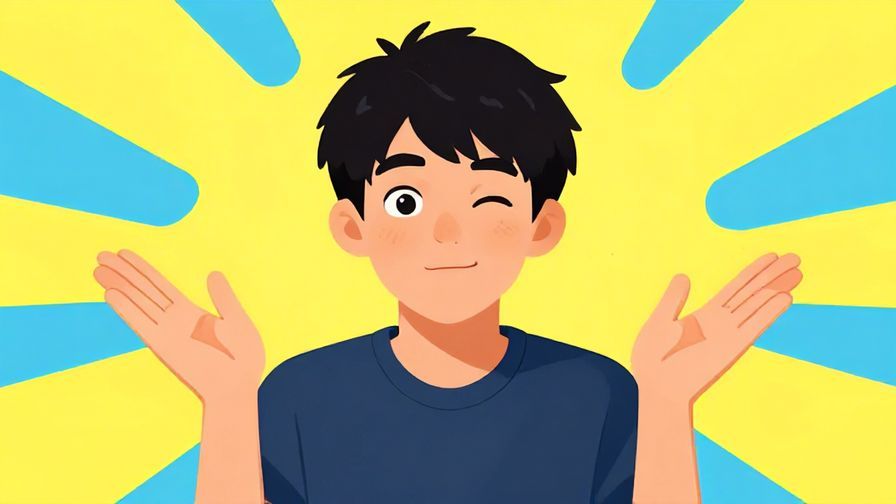
The ってば (tte ba) ending adds a slightly playful or emphatic tone, like “I’m telling you.”
It’s used in casual speech when you want to insist or clarify something.
This phrase works well in friendly banter or teasing.
It’s informal and shows personality.
Just remember to use it with people you’re close with, as it can sound too casual otherwise.
It’s a fun way to stand your ground without sounding harsh.
4. 全く怖くない (Mattaku kowakunai) – “Absolutely not scared.”
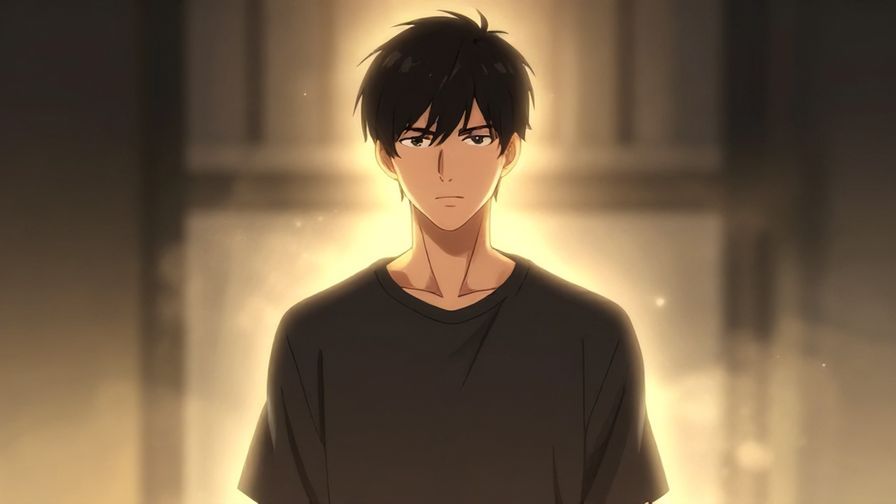
全く (mattaku) means “completely” or “absolutely,” similar to “zenzen” but often slightly more formal.
This phrase is casual but can be used in more serious situations to stress your lack of fear.
It’s a strong way to express confidence.
Don’t confuse it with 怖くない (kowakunai) alone — adding 全く makes your statement more powerful.
People might use it when they want to sound sure and steady.
Try this when you want to sound firm but polite.
5. 怖くなんかない (Kowaku nanka nai) – “I’m not scared or anything.”
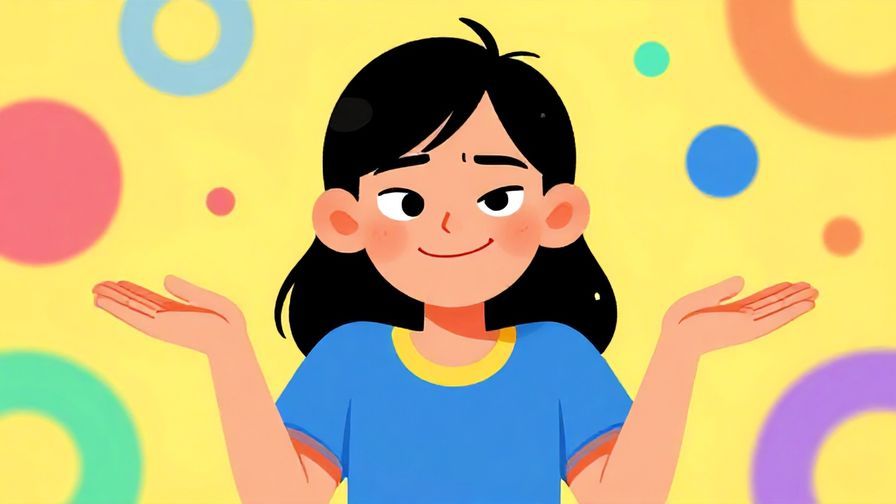
Adding なんか (nanka) adds a dismissive or defiant nuance, like “not scared or anything.”
It’s casual and a bit tough, great for showing a cool attitude.
This phrase is common among younger speakers or in informal situations.
Be mindful not to sound rude — tone matters here!
You might hear it in manga or anime when characters want to show a rebellious streak.
Use it when you want to sound a little edgy and fearless.
6. 怖くないもん (Kowakunai mon) – “I’m not scared, you know.”
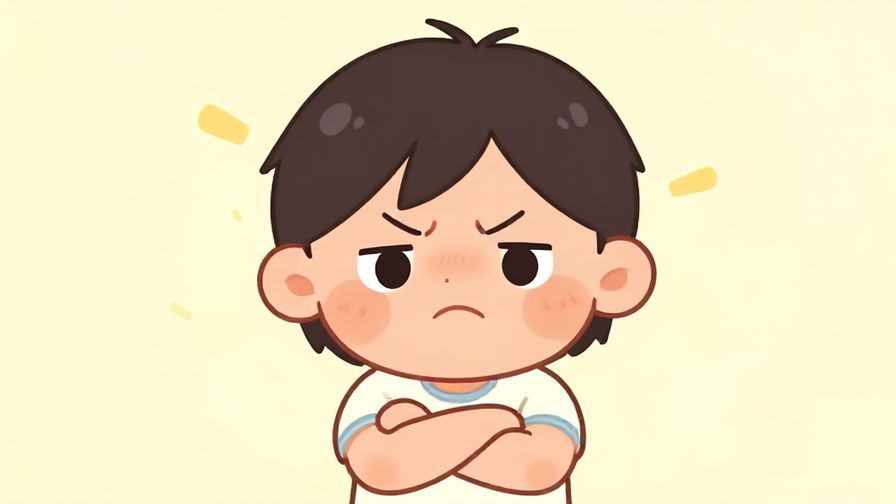
もん (mon) is a casual particle that adds a childlike or playful reason, like “because I’m not scared.”
This phrase often sounds a bit cute or innocent and is used when you want to insist lightly.
It’s informal and works well in friendly or teasing contexts.
Perfect for when you want to sound firm but not aggressive.
Kids or close friends often use this tone to express their feelings.
Try it if you want to soften your defiance with a bit of charm.
7. 怖くないさ (Kowakunai sa) – “I’m not scared, man.”

さ (sa) is a casual sentence-ending particle, often used by men to add emphasis with a cool vibe.
This phrase is casual and a bit masculine.
It’s great when you want to sound confident but relaxed.
It’s often found in casual speech among friends or in male character dialogue.
Don’t use it in formal settings.
Use this when you want to sound bold but easygoing.
8. ビビってないよ (Bibitte nai yo) – “I’m not scared (slang).”

ビビる (bibiru) is a slang verb meaning “to be scared” or “to freak out.”
Adding ない (nai) negates it, so ビビってない means “not scared.”
This is very casual and often used among friends.
It’s a fun way to say you’re not afraid without sounding too serious.
Perfect for informal chats or playful teasing.
Try this phrase for a cool, modern vibe.
Part 2: Polite & Formal Suggestions
9. 怖くありません (Kowaku arimasen) – “I am not scared.”

This is the formal negative form of 怖い (kowai), meaning “not scared.”
It’s polite and appropriate in formal or business settings.
Use this when speaking to strangers or superiors to express you’re not intimidated.
It sounds respectful and calm.
You might use it in serious conversations or interviews.
It’s a safe phrase for any formal situation.
10. 怖くないです (Kowakunai desu) – “I’m not scared.” (polite)

This is the polite but less formal way to say “I’m not scared.”
It’s good for everyday polite conversations with people you don’t know well.
The です (desu) ending adds politeness without being stiff.
It’s a versatile phrase for many situations.
Use it when you want to sound respectful but natural.
A great phrase for polite refusal or reassurance.
11. 恐れていません (Osorete imasen) – “I am not afraid.”

恐れる (osoreru) is a formal verb meaning “to fear.”
Its negative polite form 恐れていません expresses “I am not afraid.”
This phrase sounds serious and respectful.
Great for formal written or spoken language.
It’s often used in speeches or careful statements.
Use it when you want to sound strong but polite.
12. 恐怖を感じません (Kyoufu o kanjimasen) – “I do not feel fear.”
恐怖 (kyoufu) means “fear,” and 感じる (kanjiru) means “to feel.”
This phrase literally means “I do not feel fear.”
It’s formal and somewhat literary.
Use it to express a strong emotional state without casual tone.
It’s great in writing or serious conversations.
Try this phrase if you want to sound profound or poetic.
13. 恐れはありません (Osore wa arimasen) – “There is no fear.”

This phrase means “There is no fear,” a formal way to express “I’m not scared.”
It’s often used in philosophical or spiritual contexts.
It sounds calm and collected.
Use it when you want to express inner peace or confidence.
It’s less conversational but powerful in tone.
Great for reflective or formal speech.
14. 怖がっていません (Kowagatte imasen) – “I’m not frightened.”
怖がる (kowagaru) means “to be scared” or “to be frightened.”
The negative progressive form 怖がっていません means “I’m not frightened.”
It’s polite and descriptive, often used to describe emotional state.
Good in formal conversations or writing.
You can use it to indicate ongoing calmness or bravery.
This phrase is perfect when you want to sound precise and respectful.
15. おそれておりません (Osorete orimasen) – “I do not fear.” (very formal)
This is a very formal and humble way to say “I do not fear.”
おそれる (osoreru) is the humble form of “to fear,” and おりません is the humble negative of いる (to be).
You’ll find this in formal speeches or literary works.
Use it to show utmost respect and formality.
Rarely used in casual speech but excellent for formal writing.
Perfect if you want to sound very polite and serious.
16. 怖くないと思います (Kowakunai to omoimasu) – “I think I’m not scared.”
Adding 思います (omoimasu) means “I think,” softening the statement.
This phrase is polite and expresses your feeling without sounding too direct.
Great for conversations where humility or uncertainty is appropriate.
It makes your statement less confrontational.
Use it when you want to sound polite and careful.
It’s useful in situations where you want to share your feelings gently.
Part 3: Very Casual / Native-like Expressions
17. ビビらねえよ (Bibira nee yo) – “I’m not scared” (rough male slang)

This is an informal, rough slang phrase mostly used by men.
ビビる (bibiru) means “to be scared,” and ねえ is a casual negative ending.
The よ adds emphasis.
This phrase sounds tough and fearless.
It’s common in casual speech among friends or in media like manga or anime.
Use it if you want to sound bold and street-smart.
18. 怖くねえよ (Kowakunee yo) – “Not scared, dude.”

Another rough, casual phrase used mostly by men.
怖くない (kowakunai) becomes 怖くねえ (kowakunee) in slang.
It’s direct and unapologetic.
Great for informal, friendly challenges.
Use it when you want to sound fearless and casual.
This phrase is common in movies or street talk.
19. 怖くねーし (Kowakunee shi) – “Not scared, and…” (casual slang)

The し (shi) ending adds a casual “and” or “so” nuance, implying more to come or adding emphasis.
This phrase is very informal and often used in spoken slang.
It’s great for casual conversations where you want to sound relaxed but confident.
Be careful with tone—it can sound dismissive if used incorrectly.
Try it for a cool, native vibe when chatting with friends.
It adds a bit of attitude to your bravery.
20. 怖くないっつーの (Kowakunai ttsuu no) – “I’m not scared, I said.”
っつーの (ttsu no) is a casual and somewhat rough phrase to insist or emphasize.
It’s like saying, “I told you, I’m not scared.”
Perfect for playful arguments or teasing.
It sounds very natural among younger speakers.
Use it when you want to be firm but informal.
Great for showing you mean business but keeping it light.
21. 怖くねーわ (Kowakunee wa) – “Not scared, man.”

The particle わ (wa) here adds emphasis with a masculine tone.
It’s casual and used mostly by men to sound cool or tough.
Use it when you want to sound confident and relaxed.
Common in informal speech or pop culture.
Be mindful that it’s not appropriate in formal settings.
Try it for a laid-back, fearless vibe.
22. 俺は怖くねえ (Ore wa kowakunee) – “I’m not scared” (strong male casual)

俺 (ore) is a masculine, informal pronoun for “I.”
This phrase is very casual and assertive, perfect for showing strong confidence.
It’s used mostly by men in casual or confrontational situations.
Use it when you want to emphasize your bravery boldly.
It’s not polite but great for casual or tough talk.
This phrase gives you a powerful, native-like edge.
Concluding Thought
Learning these 22 Japanese ways to say “I’m not scared of you” gives you a rich toolkit for expressing confidence in many situations.
From casual chats to formal conversations, you can tailor your words to fit your tone and relationship with your listener.
Keep practicing, and you’ll find that mastering these phrases not only improves your Japanese but also boosts your self-assurance in any language challenge ahead!