22 Japanese ways to say “I’m not over it”
Sometimes, feelings just linger, and saying “I’m not over it” can be tricky in another language—especially Japanese, where expression is often subtle and nuanced.
Whether you’re nursing a broken heart, stuck on a past mistake, or just can’t shake that one memory, Japanese has plenty of ways to express this feeling.
In this listicle, we’ll explore 22 warm, relatable ways to say “I’m not over it” in Japanese, from casual to formal and native-like expressions.
Learning these phrases can help you connect authentically with friends, express your emotions better, and even understand Japanese media more deeply.
Plus, knowing different ways of saying the same feeling gives you a richer emotional vocabulary, which is priceless in any language.
Let’s dive in and find the perfect phrase that fits your mood and situation!
Understanding Emotional Expression in Japanese
Japanese often expresses feelings in indirect or poetic ways, so there are many phrases for “I’m not over it” depending on context.
Some are straightforward, while others hint at lingering emotions without stating them outright. This makes learning them fun and practical.
You’ll find phrases useful for chatting with friends, writing heartfelt messages, or even in professional settings.
Sometimes, using a great Japanese phrasebook focused on emotions can give you a perfect starting point for a cohesive understanding.
These phrases will help you open up and share your feelings naturally.
You’ll be surprised how expressive and comforting these words can be once you get the hang of them.
Part 1: Casual Suggestions
1. 未練がある (Miren ga aru) – “I still have lingering feelings.”

“未練” (Miren) means lingering attachment or regret, and “がある” (ga aru) means “there is.” Put together, it means you still hold on emotionally.
This phrase is perfect when you want to say you haven’t moved on yet, especially after a breakup or a lost opportunity.
It’s casual enough for friends but still clear and direct.
Use it to honestly admit your feelings without sounding too heavy.
Related phrases like “未練たらたら” (miren taratara) add a bit more emotional emphasis.
Try saying it out loud to get comfortable with the rhythm and feel how it captures that bittersweet emotion.
2. まだ引きずっている (Mada hikizutte iru) – “I’m still hung up on it.”

“まだ” (Mada) means “still,” and “引きずっている” (hikizutte iru) means “dragging along” or “hung up on.”
This phrase is great for expressing that something from the past still weighs on your mind.
It’s casual and often used in conversations about relationships or regrets.
Be careful not to confuse it with “引きずる” in a physical sense—it’s emotional here.
Try using it when chatting with close friends about what you’re still processing emotionally.
It’s a natural, relatable way to say you’re not quite over it yet.
3. 心に残っている (Kokoro ni nokotte iru) – “It remains in my heart.”

“心” (Kokoro) means heart or mind, “に” (ni) is a particle meaning “in,” and “残っている” (nokotte iru) means “remains.”
This phrase has a poetic tone, perfect for expressing feelings that stay deeply inside.
Use it when you want to sound reflective or emotional without being too blunt.
It’s often used in writing or heartfelt conversations.
Mix it with phrases like “忘れられない” (wasurerarenai) to say you can’t forget.
This expression captures the gentle but persistent nature of unresolved feelings.
4. まだ諦めてない (Mada akiramete nai) – “I’m not giving up yet.”

“まだ” (Mada) means “still,” “諦めてない” (akiramete nai) means “not giving up.”
This phrase is great when your lingering feelings come with a sense of hope or determination.
It’s casual and motivational, good for encouraging yourself or talking to close friends.
Be mindful it sounds more active than just “not over it”—it implies a willingness to keep trying.
You can use it after a tough breakup or setback.
It’s a positive spin on not moving on yet, showing strength in vulnerability.
5. 忘れられないんだ (Wasurerarenain da) – “I just can’t forget.”

“忘れられない” (Wasurerarenai) means “cannot forget,” and “んだ” (nda) adds an explanatory tone.
This phrase is straightforward and deeply heartfelt, used to admit you’re stuck in memory.
It’s casual but can carry emotional weight depending on your tone.
Use it to express honest vulnerability with friends or in writing.
It pairs well with past tense verbs to describe what you can’t forget.
Perfect for moments when your feelings are raw and undeniable.
6. まだ引っかかってる (Mada hikkakatteru) – “It’s still bothering me.”
“まだ” (Mada) means “still,” “引っかかってる” (hikkakatteru) means “stuck” or “caught on.”
This phrase expresses that something emotionally bothers or distracts you.
It’s a very casual, conversational way to say you’re not over a problem or feeling.
Avoid using it in formal contexts—it’s best among friends or family.
It’s great when you want to sound natural and relatable.
Use it when talking about unresolved feelings that keep popping up in your mind.
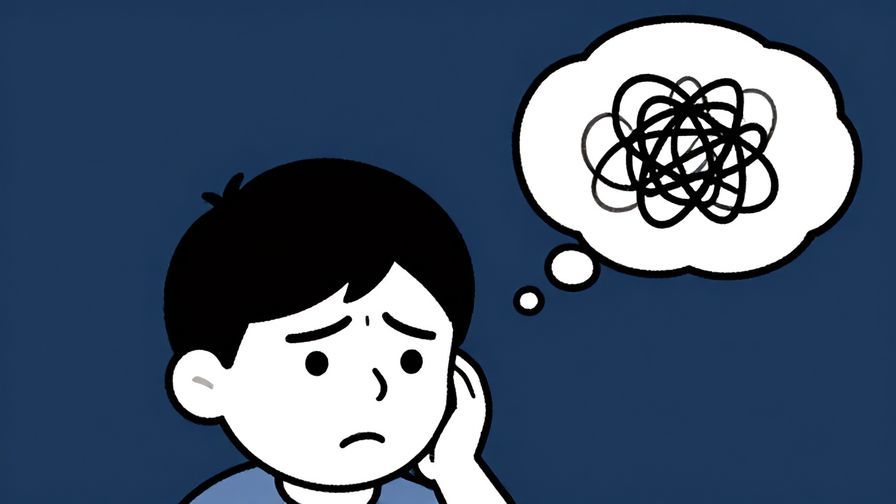
7. 心がざわつく (Kokoro ga zawatsuku) – “My heart is unsettled.”
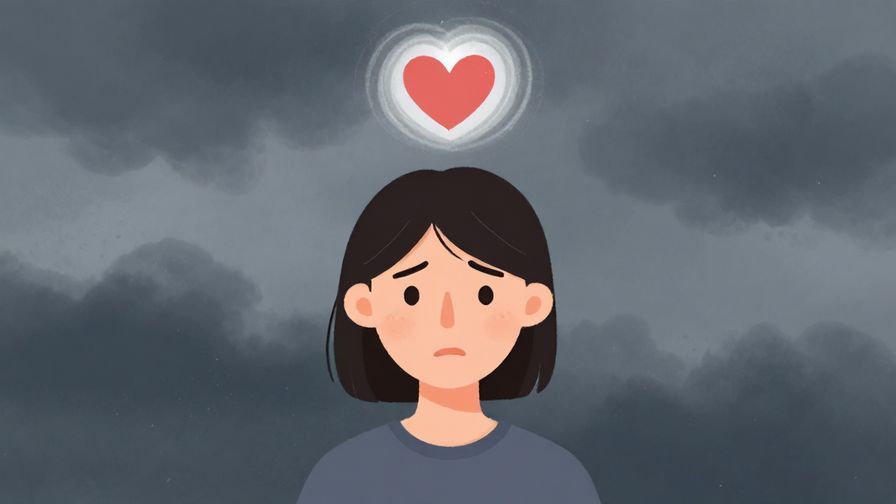
“心” (Kokoro) is “heart,” “が” (ga) is the subject particle, and “ざわつく” (zawatsuku) means “to be restless or unsettled.”
This phrase is poetic and describes a feeling of emotional turmoil.
It’s casual but a little more expressive than just saying “I’m not over it.”
Use it when your emotions feel chaotic or uneasy.
It’s great for conversations about anxiety or lingering doubts.
Try pairing it with calming expressions to show contrast in feelings.
8. まだ気持ちが整理できてない (Mada kimochi ga seiri dekite nai) – “I haven’t sorted out my feelings yet.”
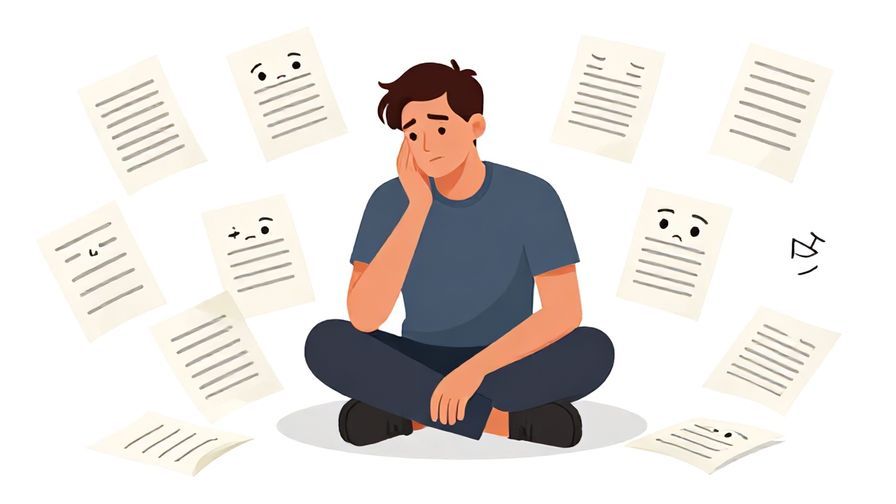
“まだ” (Mada) means “still,” “気持ち” (kimochi) means “feelings,” “整理できてない” (seiri dekite nai) means “haven’t been able to organize/sort.”
This phrase is perfect when your emotions feel messy and unresolved.
It’s casual and honest, great for sharing vulnerability.
Use it to explain why you’re struggling to move on.
It works well when talking about complex feelings after a breakup or loss.
It’s a gentle way to say you need more time to heal emotionally.
Part 2: Polite & Formal Suggestions
9. まだ気持ちが癒えていません (Mada kimochi ga iete imasen) – “My feelings haven’t healed yet.”

This polite phrase uses “癒える” (ieru), meaning “to heal,” in the negative present perfect tense.
It’s respectful and suitable for formal or professional conversations about emotional difficulty.
Use it when you want to express lingering feelings without being too direct.
It conveys depth and maturity in acknowledging your emotional state.
Try this phrase in written communication or with acquaintances.
It’s a beautiful way to say you’re still in the healing process.
10. まだ乗り越えられていません (Mada norikoerarete imasen) – “I haven’t overcome it yet.”

“乗り越える” (norikoeru) means “to overcome,” and this polite negative form shows you haven’t done so yet.
This phrase is formal and perfect for serious discussions about emotional struggles.
It’s clear and respectful without being overly emotional.
Use it in work or school settings when talking about personal challenges.
It shows self-awareness and willingness to improve.
It’s a good phrase for expressing resilience despite lingering feelings.
11. まだ忘れられなくて困っています (Mada wasurerarenakute komatte imasu) – “I’m troubled because I can’t forget yet.”

This polite phrase adds “困っています” (komatte imasu), meaning “I’m troubled,” to express difficulty forgetting.
It’s formal and appropriate for explaining emotional distress politely.
Use this when you want to show honesty but maintain decorum.
It’s useful in counseling or professional contexts.
Try pairing it with phrases about seeking advice or support.
This phrase balances vulnerability with respectfulness.
12. まだ心の整理がついていません (Mada kokoro no seiri ga tsuite imasen) – “I haven’t come to terms emotionally yet.”

This formal phrase says you haven’t “整理がつく” (come to terms) emotionally yet.
It’s polite and introspective, suitable for serious conversations.
Use it when explaining your emotional state with maturity and calmness.
It hints at ongoing emotional processing and acceptance.
Great for writing or speaking in respectful settings.
This phrase shows emotional intelligence and patience.
13. まだ気持ちが落ち着いていません (Mada kimochi ga ochitsuite imasen) – “My feelings haven’t settled yet.”

This phrase politely expresses that your emotions remain unsettled.
“落ち着く” (ochitsuku) means “to calm down” or “settle.”
It’s formal yet accessible for everyday emotional talk.
Useful when you want to express restlessness without sounding dramatic.
Try it in conversations where you want to show you’re still adjusting emotionally.
A gentle way to say you need more time to regain balance.
14. まだ心の傷が癒えていません (Mada kokoro no kizu ga iete imasen) – “The wounds in my heart haven’t healed yet.”

This poetic phrase uses “心の傷” (kokoro no kizu) meaning “wounds of the heart.”
It’s formal and emotionally expressive, often used in literature or deep conversations.
Use it to describe lasting emotional pain with dignity and depth.
It evokes empathy and understanding from listeners or readers.
Try pairing it with phrases about hope or recovery.
It’s a beautiful metaphor for emotional healing in progress.
15. まだ気持ちの整理がつかずにいます (Mada kimochi no seiri ga tsukazu ni imasu) – “I’m still unable to sort out my feelings.”

This polite phrase conveys you’re still struggling to organize your emotions.
It’s formal and humble, suitable for respectful conversations.
Use it to ask for patience or understanding from others.
It highlights ongoing emotional work without pressure.
Perfect for delicate situations or counseling.
It shows you’re aware but still processing deeply.
16. まだ忘れたいけど忘れられません (Mada wasuretai kedo wasureraremasen) – “I want to forget, but I can’t.”

A polite yet emotional phrase showing inner conflict between wanting to move on and being unable to.
“忘れたい” (wasuretai) means “want to forget,” and “忘れられません” (wasureraremasen) means “can’t forget.”
It expresses a deep emotional struggle in a respectful way.
Use it when discussing difficult memories with empathy.
It captures the bittersweet nature of lingering feelings beautifully.
Great for heartfelt conversations or writing.
Part 3: Very Casual / Native-like Expressions
17. まだズルズル引きずってる (Mada zuruzuru hikizutteru) – “I’m dragging it out still.”

This very casual phrase uses “ズルズル,” an onomatopoeia for dragging something slowly.
It’s common among young people and sounds native-like and informal.
Great for casual chats admitting you’re still stuck emotionally.
Use it with close friends or in relaxed settings.
It’s a vivid way to say you haven’t moved on yet, with a bit of self-aware humor.
Perfect to lighten the mood while being honest.
18. まだ引っ張られてる気がする (Mada hippurareteru ki ga suru) – “I feel like I’m still being pulled back.”
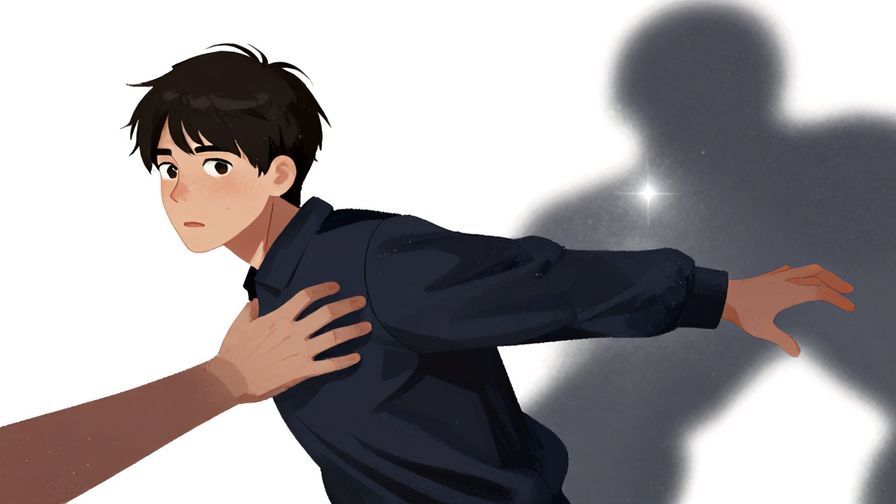
This casual phrase uses “引っ張られてる” (hippurareteru) meaning “being pulled,” and “気がする” (ki ga suru) meaning “I feel.”
It’s a natural, conversational way to express being emotionally stuck.
It sounds native and is perfect for storytelling or venting to friends.
Use it to describe how past feelings still affect your present.
It’s relatable and paints a clear mental image.
Great for connecting emotionally with others casually.
19. まだ心の中でぐるぐるしてる (Mada kokoro no naka de guruguru shiteru) – “It’s still swirling in my heart.”

“ぐるぐる” (guruguru) is an onomatopoeia for spinning or swirling.
This phrase vividly describes restless or confused feelings still spinning inside you.
It’s casual, native-like, and perfect for informal chats.
Use it when emotions feel chaotic and unresolved.
It’s expressive and easy to remember thanks to the sound imagery.
Try this phrase to capture emotional turmoil naturally.
20. まだ引きずってんだよね (Mada hikizutten da yo ne) – “Yeah, I’m still hung up on it.”

This slangy version of “まだ引きずっている” (mada hikizutte iru) adds casual endings for a relaxed tone.
It’s very informal, often used among close friends.
Perfect for admitting you’re still stuck without sounding heavy.
Use it in casual conversations to express vulnerability naturally.
It’s easy to slip into daily speech and sounds genuine.
Great for bonding over shared feelings.
21. まだ未練たっぷり (Mada miren tappuri) – “Still full of lingering feelings.”
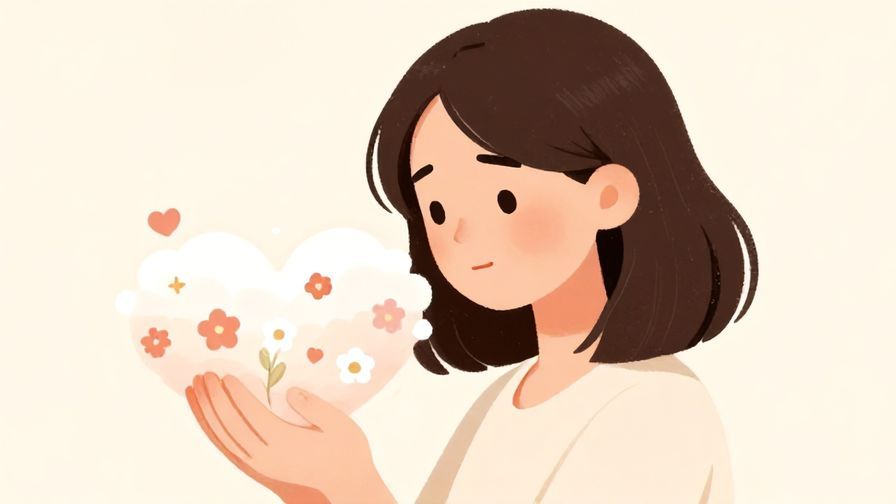
“未練たっぷり” (miren tappuri) means “full of lingering attachment.”
This phrase is casual but affectionate, expressing strong unresolved feelings.
Use it when you want to admit you’re definitely not over something.
It’s friendly and expressive, great for emotional honesty.
Try it when telling friends about a crush or past love.
It’s a sweet way to express emotional fullness.
22. まだ忘れられないんだよね (Mada wasurerarenain da yo ne) – “I just can’t forget, you know?”

This casual, native-like phrase adds “んだよね” (nda yo ne) for an explanatory and confirming tone.
It’s commonly used to share feelings with empathy and closeness.
Perfect for heartfelt confessions or comforting conversations.
Use it to connect emotionally while sounding natural.
It’s easy to say and very relatable.
Wraps up your lingering feeling with a gentle “you understand me” vibe.
Concluding Thought
Emotions can be complicated, and expressing that you’re “not over it” in Japanese shows both vulnerability and strength.
Whether you choose a formal phrase or a casual expression, each one helps you connect with your feelings and others authentically.
Remember, language is not just words—it’s a bridge to understanding and healing. Keep practicing, and you’ll find the perfect way to say exactly how you feel.