22 Japanese ways to say “I’m losing my mind”
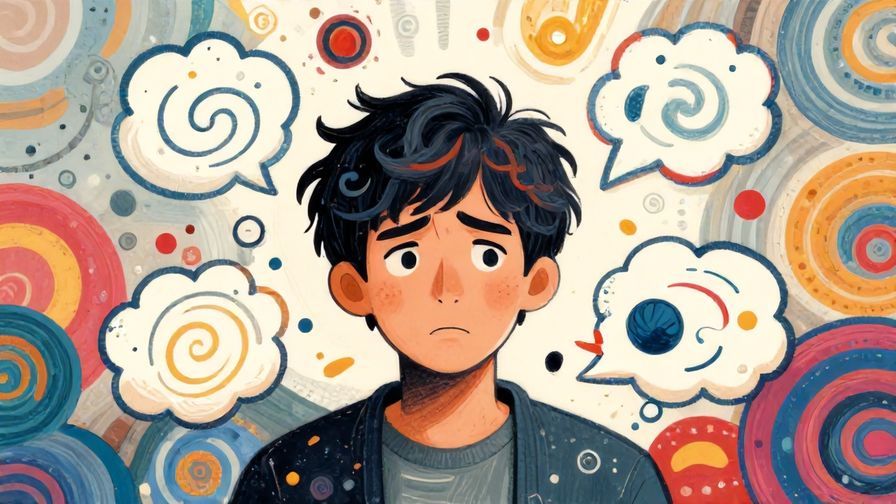
Ever feel like your brain is about to short-circuit and you’re just losing your grip on reality? We’ve all been there—that moment when stress, confusion, or just too much going on makes you feel like you’re losing your mind.
In Japanese, there are plenty of colorful ways to express this feeling, from casual to poetic, polite to slangy. Whether you want to vent, joke, or sound dramatic, there’s something here for every mood.
Learning these phrases isn’t just useful; it’s a fun way to connect with the language and culture on a deeper level.
So, if you’re ready to add some spice to your Japanese expressions and understand how natives talk about losing their minds, this list is for you.
Grab a notebook or your favorite app—we’re diving into 22 Japanese ways to say “I’m losing my mind” with easy pronunciation guides and little tips to remember them.
Let’s jump in and get your Japanese sounding natural and expressive in no time!
Understanding the Basics Before We Dive In
Before we explore all the creative ways to say “I’m losing my mind,” it’s good to know that Japanese often uses imagery or emotional expressions rather than direct translations.
These phrases might describe feeling dizzy, confused, or even overwhelmed, which all capture that mental chaos we call “losing our minds.”
Keep in mind, context is key—some phrases are casual slang while others might be more poetic or polite.
Sometimes starting with a great beginner phrasebook can give you a perfect starting point for a cohesive understanding.
Once you get comfortable with these expressions, you’ll find it easier to pick up nuances in conversations and even joke around like a pro.
Ready for some fun Japanese phrases? Here we go!
Part 1: Casual Suggestions
1. 頭がおかしくなりそう (Atama ga okashiku narisou) – “My head is about to go crazy.”

This phrase is a straightforward way to say your mind feels like it’s about to go nuts.
“Atama” (ah-tah-mah) means “head,” “okashii” (oh-kah-shee) means “crazy,” and “narisou” (nah-ree-soh) means “seems like it will become.” Put together, it literally means “My head seems like it will become crazy.”
It’s casual and perfect for expressing frustration or overwhelm with a friendly tone.
Using this phrase helps your listener immediately sense your mental overload.
You can say it when you’re stressed at work or when a problem is just too confusing.
Try it out next time your brain feels fried—it’s very relatable and natural.
2. 気が狂いそう (Ki ga kuruisou) – “I feel like I’m going mad.”
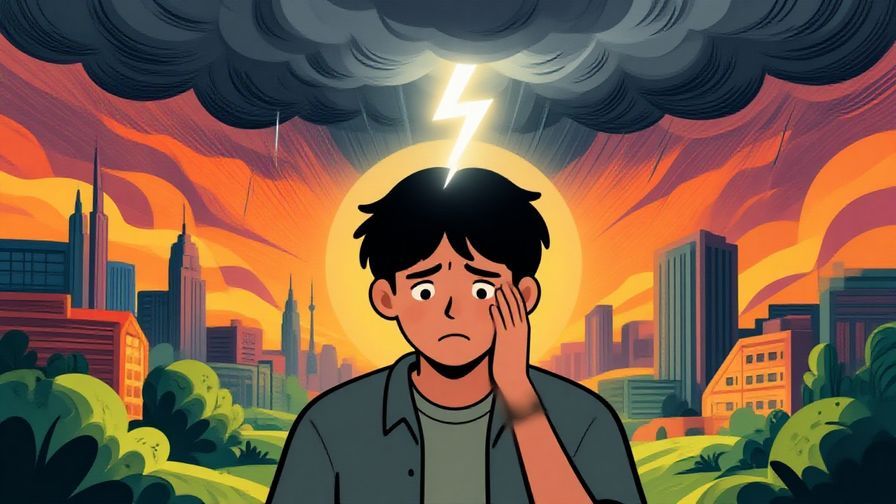
Here, “Ki” (kee) means “mind” or “spirit,” “kurui” (koo-roo-ee) means “crazy,” and “sou” (soh) means “seems like.” The phrase literally means “My mind seems like it will go crazy.”
This one is a bit stronger than the first and works well when you feel like you’re really losing control mentally.
It’s casual but a little more intense, so use it when you want to emphasize your mental struggle.
Be mindful—it can come off dramatic, so save it for moments when you really feel overwhelmed.
You might hear it in dramas or from friends venting after a tough day.
It’s a great addition to your expressive toolkit for emotional moments.
3. 頭がパンクしそう (Atama ga panku shisou) – “My head is about to explode.”

This fun phrase uses “panku” (pahn-koo), a loanword from English “punk” meaning “burst” or “explode.”
“Atama” (head) + “panku shisou” (about to burst) paints a vivid picture of mental overload.
It’s casual and kind of playful, great for showing you’re overwhelmed but still lighthearted.
Use it with friends when you want to exaggerate your stress in a humorous way.
It’s easy to remember because “panku” sounds like “punk” and the exploding head image sticks in your mind.
Perfect for when your brain just can’t take any more information.
4. 頭が混乱している (Atama ga konran shiteiru) – “My head is confused.”

“Konran” (kohn-rahn) means “confusion,” so this phrase literally says your head is in a state of confusion.
It’s a bit more neutral and less emotional than the “crazy” phrases, making it versatile for many situations.
Great for when you feel mentally scattered or unsure, like after hearing complicated news.
Keep it handy for polite but honest expressions of mental fog.
You’ll sound clear and natural explaining mild overwhelm.
Try pairing it with simple daily phrases for better conversation flow.
5. 頭がいっぱい (Atama ga ippai) – “My head is full.”

Literally, this means “My head is full,” expressing mental overload or having too many thoughts.
“Ippai” (eep-pie) means full or filled up, so it’s a simple metaphor for your mind being crowded.
This one’s very common and casual, perfect for daily use to say you’re mentally busy or stressed.
It’s also easy to remember because it’s short and uses familiar words.
Say it when you have a lot on your plate but don’t feel totally overwhelmed.
It’s a gentle way to express you’re mentally tired without sounding extreme.
6. 気が狂う (Ki ga kuruu) – “Going crazy.”

This is a simple, punchy phrase meaning “to go crazy.”
“Ki” is “mind,” and “kuruu” (koo-roo) means “to go mad.”
It’s often used casually or in dramatic contexts to say you’re losing your sanity.
Short and sharp, it’s easy to use when you want to sound very direct.
Be a little cautious—it can sound harsh if used seriously.
Great for storytelling or joking about stressful situations.
7. おかしくなりそう (Okashiku narisou) – “Seems like I’m going crazy.”

This is a slightly softened version of “going crazy,” using “okashiku” from “okashii” meaning “crazy, strange.”
“Narisou” means “seems like,” making it less direct and more expressive of a feeling.
Great to use in conversations when things feel off but you’re not fully losing it.
It’s easy to say and sounds natural in casual speech.
You can also use it to describe something strange happening around you.
It’s a flexible phrase for everyday mental ups and downs.
8. 狂いそう (Kuruisou) – “About to go crazy.”

“Kuruisou” comes from “kuruu” (to go crazy) plus “sou” (seems like), giving a sense of imminent mental meltdown.
It’s casual but intense, perfect for moments when you feel you’re on the edge of losing it.
Short and impactful, it’s a good phrase for venting frustration.
Be careful not to overuse it unless you want to sound very dramatic.
Often used among friends or in emotional situations.
It’s a vivid way to express mental overwhelm.
Part 2: Polite & Formal Suggestions
9. 正気を失いそうです (Shouki o ushinai sou desu) – “I feel like I’m losing my sanity.”

This is a formal and polite way to say you feel like you’re losing your sanity.
“Shouki” (shoh-kee) means “sanity,” “ushinau” (oo-shee-nah-oo) means “to lose,” and “sou desu” (soh dess) adds a polite “seems like.”
Use this in professional settings or when you want to sound respectful but expressive.
It can be a bit heavy, so use it carefully to maintain professionalism.
It’s excellent for writing or formal speeches about stress or mental strain.
Perfect if you want to sound serious and clear about your mental state.
10. 理性を失いかけています (Risei o ushinai kaketeimasu) – “I’m on the verge of losing reason.”

“Risei” (ree-say) means “reason,” “ushinau” means “to lose,” and “kaketeimasu” means “on the verge of.”
This phrase is polite and sophisticated, expressing you’re close to losing your rational mind.
Great for serious conversations or written reflections on stress.
It’s less emotional and more intellectual than casual phrases.
Use it when discussing mental pressure professionally or academically.
It shows you’re aware of your mental limits and helps communicate that tactfully.
11. 精神的に不安定です (Seishinteki ni fuantei desu) – “I’m mentally unstable.”

“Seishinteki” (say-sheen-teh-kee) means “mental,” “fuantei” (foo-ahn-teh-ee) means “unstable,” and “desu” adds politeness.
It’s a clear and formal way to say you’re feeling mentally off-balance.
Use it in serious contexts, like discussing health or emotional difficulties.
It’s respectful and avoids slang, which can be important in professional or medical conversations.
Good for telling a counselor or doctor about your mental state.
Remember, it’s a strong phrase, so use it thoughtfully.
12. 頭が混乱しています (Atama ga konran shiteimasu) – “My head is confused.”

This is the polite version of the casual “head is confused” phrase.
“Shiteimasu” (she-teh-ee-mas) adds formality to show ongoing confusion.
It’s perfect for professional or polite conversations when you need to admit mental fog.
Use it to explain difficulty understanding or processing information.
It’s clear, not emotional, and fits well in most situations.
Try it to sound respectful while expressing your mental state.
13. 気持ちが乱れています (Kimochi ga midareteimasu) – “My feelings are disturbed.”

“Kimochi” (kee-moh-chee) means “feelings,” “midareteimasu” means “are disturbed or unsettled.”
This phrase expresses emotional turmoil rather than cognitive confusion.
It’s polite and useful when describing stress or anxiety in formal situations.
You might use it in writing or when discussing your emotional health.
It shows you’re aware of your feelings and can communicate them respectfully.
A good phrase to add emotional nuance beyond just “losing your mind.”
14. 精神が不安定です (Seishin ga fuantei desu) – “My mental state is unstable.”

Similar to number 11, but more concise.
“Seishin” (say-sheen) means “mind,” “fuantei” means “unstable,” and “desu” makes it polite.
It’s a straightforward way to communicate mental instability in respectful settings.
Use it when you want to sound serious but not overly emotional.
It’s great for professional or clinical discussions about mental health.
Try it as a simple way to express mental fragility politely.
15. 正気でなくなりそうです (Shouki de naku narisou desu) – “I feel like I’m losing my sanity.”
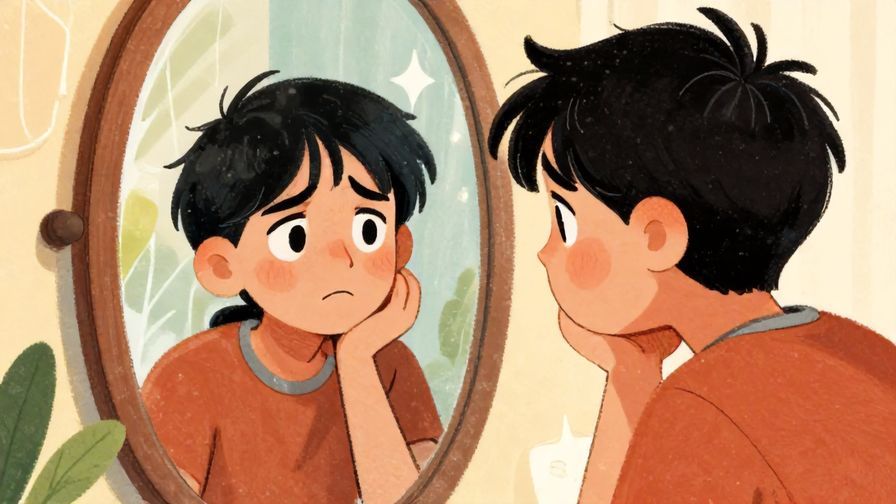
This is a polite, slightly poetic way to say “losing sanity.”
“Shouki” means “sanity,” “de naku narisou” means “seems like becoming not,” and “desu” adds politeness.
It’s good for expressing mental struggles clearly but respectfully.
Use it in formal writing or serious talks about your feelings.
It carries emotional weight without being slangy.
Perfect for making your mental state clear with dignity.
16. 精神状態が不安定です (Seishin joutai ga fuantei desu) – “My mental condition is unstable.”

This phrase is more clinical, using “joutai” (condition or state) to describe mental instability.
It’s polite and appropriate for medical or counseling contexts.
Use it to formally describe your mental health status.
It’s clear, professional, and easy to understand.
Great for communicating with healthcare providers or in serious discussions.
Remember, it’s best suited for formal or semi-formal situations.
Part 3: Very Casual / Native-like Expressions
17. 頭おかしい (Atama okashii) – “Crazy head” / “I’m out of my mind.”

This is a super casual and common slang phrase meaning “My head is crazy.”
“Okashii” means “crazy,” so it’s like saying you’re acting or feeling insane.
It’s often playful and used among friends.
Be careful—this phrase can be rude if used the wrong way or with strangers.
Great for joking about silly mistakes or wild ideas.
Use it to sound natural and native-like, but only with close people.
18. もうダメかも (Mou dame kamo) – “Maybe I’m done for.”

This phrase literally means “Maybe it’s no good anymore,” expressing a mental or emotional breakdown.
“Mou” means “already,” “dame” means “no good,” and “kamo” means “maybe.”
It’s casual and often used when you feel like giving up mentally.
It’s relatable and common in everyday speech.
Use it to show frustration or exhaustion without sounding too serious.
It’s a nice phrase to vent with friends.
19. 頭がバグった (Atama ga bagutta) – “My head glitched.”

“Bagutta” comes from “bug” in English, used like “glitched” in Japanese slang.
It’s a playful way to say your brain is malfunctioning or confused.
This phrase is very modern and casual, popular among young people.
Use it when you want to sound tech-savvy and humorous about losing your mind.
It’s easy to remember because it uses English loanwords.
Great for lighthearted conversations about mental overload.
20. 頭がクラッシュした (Atama ga kurasshu shita) – “My head crashed.”
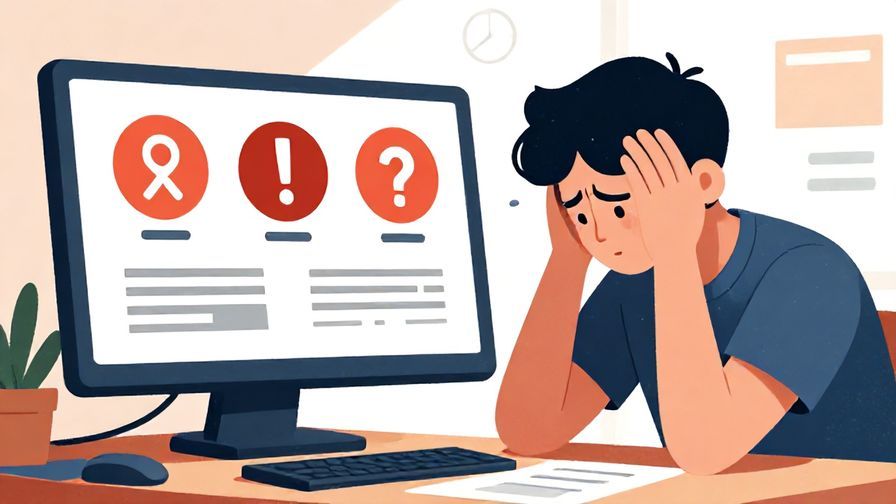
Similar to “bagutta,” this phrase uses “crash” from English.
It means your brain has stopped working properly due to overload.
Casual and fun, it’s great for describing moments when you’re mentally “offline.”
Use it among friends or online to sound modern and relatable.
Easy to remember with the English connection.
Perfect for tech lovers or casual venting.
21. 気が変になりそう (Ki ga hen ni narisou) – “My mind is about to go weird.”
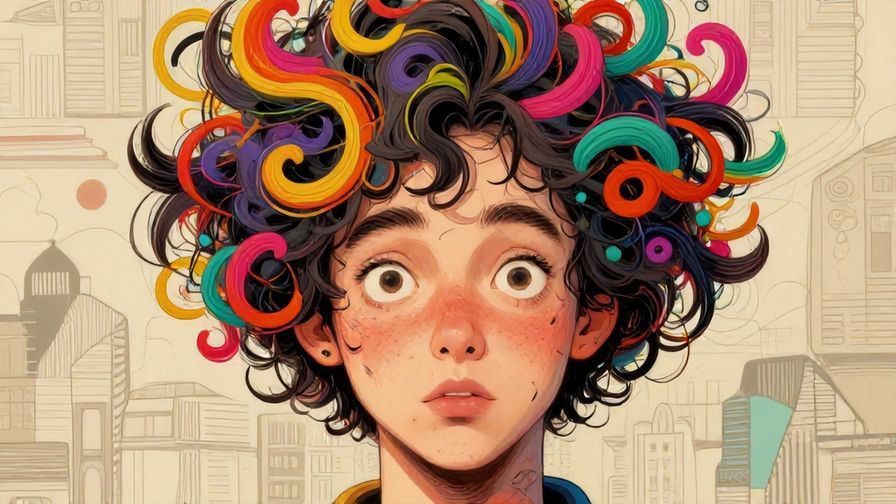
“Hen” means “weird” or “strange,” so this phrase means your mind feels like it’s going strange or off.
It’s casual, slightly humorous, and softens the intensity of “going crazy.”
Good for joking about confusion or odd thoughts.
Use it to sound playful and relatable.
It’s easy to say and keeps things light.
Try it when you feel a bit off but don’t want to sound too negative.
22. もう頭がおかしいかも (Mou atama ga okashii kamo) – “Maybe my head’s already crazy.”

This is a casual phrase combining “mou” (already), “atama” (head), “okashii” (crazy), and “kamo” (maybe).
It expresses a playful admission that your mind might already be a little off.
It’s casual, friendly, and lighthearted, great for casual chats.
Use it to acknowledge your mental overload with humor.
It’s easy to remember and very natural sounding.
Perfect for making light of stressful moments with friends.
Concluding Thought
Exploring these 22 Japanese phrases gives you a colorful palette to express those moments when your mind feels like it’s slipping away.
Whether you want to sound casual, polite, or dramatic, there’s a phrase here to match your mood and help you connect more naturally with Japanese speakers.
Next time your brain feels overwhelmed, try one of these expressions—you’ll be surprised how much it helps to put that feeling into words, and maybe even share a laugh or two along the way!