22 Japanese ways to say “I’m Jealous”
Jealousy is a feeling everyone knows, but expressing it in another language can be a fun challenge! Japanese offers a rich variety of ways to say “I’m jealous,” each with its own nuance and charm.
Whether you’re chatting with friends or watching your favorite anime, knowing these phrases will add warmth and color to your conversations.
From casual slang to polite expressions, this list will guide you through 22 Japanese ways to say “I’m jealous” in a relatable, natural tone.
You’ll find simple explanations, pronunciation help, and even some cultural tips to make your learning journey enjoyable and practical.
Plus, mastering these phrases can help you connect on a deeper level with Japanese speakers and appreciate the language’s subtlety.
Ready to explore jealousy the Japanese way? Let’s dive in!
Understanding Jealousy in Japanese
Before we jump into the phrases, it’s helpful to know that jealousy in Japanese can be expressed with different words depending on context and emotion.
Some expressions lean towards envy, others express playful jealousy, and some are more serious or formal. Knowing which to use will make your Japanese sound natural and heartfelt.
It’s a good idea to listen to native speakers or try these phrases in conversations to feel their vibe.

If you want to build your Japanese vocabulary around emotions, a phrasebook focused on emotions can be a helpful companion.
It’s easier than you think to start expressing feelings in Japanese once you have the right phrases at hand.
Let’s explore the list, divided by casual, polite, and very natural expressions so you can pick what suits your style!
Part 1: Casual Suggestions
1. 嫉妬してる (Shitto shiteru) – “I’m jealous.”

This is the straightforward way to say “I’m jealous” in Japanese. 嫉妬 (shitto) means jealousy, and してる (shiteru) is the casual form of “doing.”
Just combine them, and you get a neat phrase for everyday use when you feel a twinge of envy.
It’s simple and effective for everyday conversations with friends.
Keep it casual by using the present continuous してる to express ongoing feeling.
You can also say 嫉妬してるよ (shitto shiteru yo) to add a friendly emphasis.
Using this phrase shows you’re open about your emotions in a lighthearted way.
2. 羨ましい (Urayamashii) – “I envy you.”

羨ましい (urayamashii) literally means “envy” or “jealous.” It’s used when you admire someone’s luck or success.
It’s a warm, somewhat positive jealousy, like wishing you had what they do.
Try saying it when a friend gets something cool or achieves something big.
This word is very common and natural in casual speech.
For a softer tone, add 〜なあ (naa) at the end: 羨ましいなあ (urayamashii naa), which expresses a wistful feeling.
It’s a great phrase to show admiration without sounding bitter.
3. ヤキモチ焼く (Yakimochi yaku) – “To get jealous.”

ヤキモチ (yakimochi) literally means “grilled rice cake,” but as a phrase, it means jealousy.
焼く (yaku) means “to burn,” so ヤキモチ焼く (yakimochi yaku) means “to burn jealousy,” or “to get jealous.”
It’s often used when talking about romantic jealousy in a light and playful way.
You might say 彼はヤキモチ焼いている (kare wa yakimochi yaite iru) – “He’s jealous.”
It’s a cute phrase and less direct than 嫉妬してる.
Great for casual chats about feelings with friends or partners.
4. ちょっと嫉妬 (Chotto shitto) – “A little jealous.”
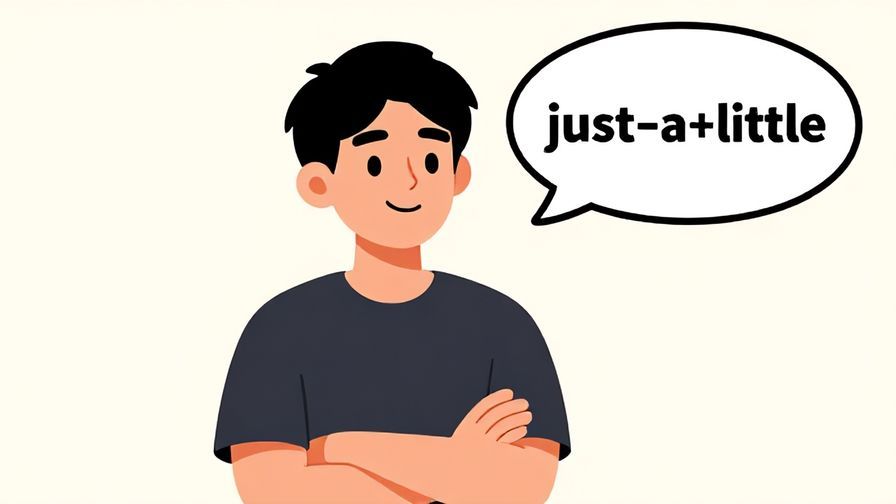
Adding ちょっと (chotto) means “a little,” so ちょっと嫉妬 is a cute way to say “I’m a little jealous.”
This sounds playful and less serious, perfect for joking around.
It’s easy to slip into casual conversations without sounding heavy.
Use it when you want to tease someone about their good fortune.
Try ちょっと嫉妬しちゃう (chotto shitto shichau) for a softer, more casual effect.
A friendly phrase that keeps jealousy lighthearted.
5. めっちゃ羨ましい (Meccha urayamashii) – “I’m super jealous.”

めっちゃ (meccha) is Kansai dialect for “very” or “super,” so this phrase amps up the jealousy level.
It’s casual and energetic, great for youthful or fun conversations.
Say めっちゃ羨ましい!to express strong envy in a positive way.
This phrase is very natural in everyday speech, especially among younger people.
Pair it with a smile or laughter to keep things light and friendly.
Perfect for expressing genuine admiration mixed with jealousy.
6. うらやま (Urayama) – Slang for “Jealous!”

うらやま (urayama) is the slang short form of 羨ましい, often used in texting or casual talk.
It’s quick, punchy, and youthful—perfect for informal chats with friends.
You might see it in social media comments or hear it in casual speech.
Try it when you want to sound relaxed and native-like.
Just say うらやま!to show playful jealousy.
Great for light-hearted envy without sounding too serious.
7. いいな〜 (Ii na~) – “Lucky you!”

いいな (ii na) literally means “That’s good,” but in context, it expresses jealousy or admiration.
The “~” sound at the end adds a drawn-out, wistful tone.
It’s one of the most common casual ways to say “I’m jealous” without directly using the word.
Perfect for everyday conversations when someone shares good news.
For example, if a friend says they’re going on vacation, you can say いいな〜.
This phrase feels natural and friendly, great for all ages.
8. ずるい! (Zurui!) – “That’s unfair!”

ずるい (zurui) means “unfair” or “sly,” and it’s often used when you feel jealous and think someone’s luck or advantage isn’t quite fair.
It’s a playful and slightly teasing way to express jealousy.
Say ずるい!when your friend gets something awesome and you want to show mock frustration.
It’s casual and works great in friendly teasing.
Be careful not to sound too serious—this phrase is best with a smile.
It’s a fun way to show jealousy without negative vibes.
Part 2: Polite & Formal Suggestions
9. 嫉妬しております (Shitto shite orimasu) – “I am jealous.” (polite)

This is the polite and humble form of 嫉妬してる, suitable for formal or respectful situations.
Using しております (shite orimasu) instead of してる adds politeness.
It’s less common in casual talk, but perfect for workplace or formal contexts.
You might use it when talking about envy in a professional or serious conversation.
It shows respect and keeps the tone soft.
Great for formal letters or polite speech.
10. 羨ましく存じます (Urayamashiku zonjimasu) – “I am envious.” (very formal)

存じます (zonjimasu) is a humble form of “to think” or “to feel,” making this phrase very polite and formal.
Use this when you want to express envy respectfully, such as in business or high-level social settings.
It’s a refined way to communicate feelings without sounding casual or blunt.
Perfect for formal emails or speeches.
Keep the tone sincere and subtle.
This phrase reflects cultural politeness and humility.
11. 嫉妬心を感じます (Shittoshin o kanjimasu) – “I feel jealousy.”

This phrase expresses the feeling of jealousy in a polite, slightly formal way.
嫉妬心 (shittoshin) means “jealous feelings,” and 感じます (kanjimasu) means “to feel” politely.
It’s useful when discussing emotions seriously or in writing.
Use it to sound thoughtful and sincere.
Good for conversations where you want to explain your feelings without being casual.
It’s a gentle, respectful phrase for more mature talk.
12. 少し羨ましいです (Sukoshi urayamashii desu) – “I’m a little jealous.”

Adding 少し (sukoshi) meaning “a little” and です (desu) for politeness makes this a soft, polite phrase to express mild jealousy.
It’s perfect for conversations where you want to keep things light but respectful.
Use it when you admire someone’s achievement without sounding too casual.
This phrase fits nicely in both spoken and written polite Japanese.
It’s a safe choice for social or work-related talk.
Shows good manners while sharing your feelings.
13. 羨望しております (Senbō shite orimasu) – “I am admiring/envying.”

羨望 (senbō) is a more literary word for “envy” or “admiration.”
Paired with しております, it becomes a very polite, respectful expression.
Use it in formal writing or speeches to express admiration mixed with jealousy.
It’s less common in casual talk but perfect for professional contexts.
This phrase elevates your speech and shows sophistication.
Great for formal letters or presentations.
14. うらやましく思います (Urayamashiku omoimasu) – “I think I’m jealous.”

This phrase uses 思います (omoimasu) meaning “I think,” making it polite and a bit softer.
You express jealousy as a thought rather than a direct feeling.
It’s useful when you want to be gentle or indirect.
Common in polite conversation and writing.
Helps show humility in your emotions.
Nicely balances honesty with respect.
15. ちょっと羨ましいと思います (Chotto urayamashii to omoimasu) – “I think I’m a little jealous.”

This adds ちょっと (a little) to soften the statement further.
It’s perfect for polite, casual conversations where you want to express minor jealousy.
Useful in social or professional situations where you want to stay friendly.
Shows a nuanced feeling rather than strong envy.
Good for balancing honesty and politeness.
Easy to use in everyday polite exchanges.
16. お恨み申します (O-urami mōshimasu) – “I harbor a grudge.” (very formal)

This phrase is very formal and old-fashioned, meaning “I harbor resentment” or “I’m jealous in a grudging way.”
It’s rarely used in casual speech but appears in historical dramas or formal writing.
Use with caution, as it sounds serious and strong.
Good for literary or theatrical contexts.
It expresses jealousy with a tone of grievance or bitterness.
Great for understanding cultural depth in language.
Part 3: Very Casual / Native-like Expressions
17. ジェラい (Jerai) – Slang for “Jealous.”

ジェラい (jerai) is slang derived from the English “jealous.”
It’s casual, trendy, and often used by young people in conversation or social media.
Use it when you want to sound hip and informal.
Perfect for texting or chatting with close friends.
It captures the feeling quickly and with a modern twist.
Great for sounding like a native speaker in casual settings.
18. ヤキモチやいちゃう (Yakimochi yaichau) – “I’m getting jealous (cute).”

This is a cute, casual phrase meaning “I’m getting jealous.”
やいちゃう (yaichau) is a soft ending that makes the phrase playful and affectionate.
Great for couples or close friends who want to tease each other.
Use it to show jealousy in a light, loving way.
Comes with a warm vibe that softens the emotion.
Perfect for flirting or playful banter.
19. うらやま〜 (Urayama~) – Extended slang.

This is a drawn-out slang version of 羨ましい, adding a casual, expressive tone.
Use it to exaggerate your jealousy in a fun, relaxed way.
Great for texting, social media, or friendly chats.
Shows emotional nuance and a playful side.
Can be combined with emojis or playful gestures.
Helps you sound like a native in informal settings.
20. くやしい!(Kuyashii!) – “I’m frustrated (jealous)!”

くやしい means “frustrated” or “vexed,” but it’s often used when jealousy turns into a stronger emotion.
It expresses a feeling of wanting what someone else has but being upset about it.
Use it when your jealousy is mixed with frustration or competitiveness.
It’s a very natural, emotional Japanese expression.
Great for sports fans or competitive situations.
Shows a deeper emotional layer beyond simple envy.
21. じとーっと見る (Jito-tto miru) – “To glare jealously.”

じとーっと (jito-tto) is an adverb describing a steady, jealous glare.
見る (miru) means “to look.”
Put together, it describes looking at someone with jealousy.
Use it to describe or joke about how someone’s eyes show envy.
It’s a very visual, native-like expression.
Good for storytelling or playful teasing.
22. 羨ま死ぬ (Urayama shinu) – “I’m so jealous I could die.” (slang)

This is a slang exaggeration combining 羨ましい and 死ぬ (die) to say “I’m insanely jealous.”
It’s playful and hyperbolic, often used by young people online.
Use it to joke about extreme envy in a fun way.
Not for serious conversations, but great for social media or chats.
Shows you’re overwhelmed by jealousy but in a humorous tone.
A very native, expressive phrase.
Concluding Thought
Jealousy is a universal feeling, and Japanese gives you so many ways to express it, from sweet and playful to formal and sincere.
Mastering these phrases will not only help you sound more natural but also deepen your emotional connection with the language and culture.
So next time you feel a little envious, try one of these Japanese expressions and enjoy the warm, nuanced way Japanese handles feelings!