22 Japanese ways to say “I’m impressed”
Feeling truly impressed in Japanese is a beautiful way to connect deeper with the language and culture.
Whether you want to express admiration casually or with more formality, there’s a phrase for every occasion.
These 22 expressions will help you sound warm, genuine, and natural.
From polite compliments to casual cheers, you’ll learn to say “I’m impressed” in a way that suits your style.
And yes, mastering these will also boost your confidence and make conversations more fun.
Let’s dive into the wonderful world of Japanese phrases that show your genuine admiration!
Warm Expressions to Show You’re Impressed
Japanese offers many ways to say “I’m impressed,” each carrying its own nuance and warmth.
Some are casual, perfect for friends, while others are polite for professional settings.
Getting familiar with these can make your Japanese feel much more natural and heartfelt.
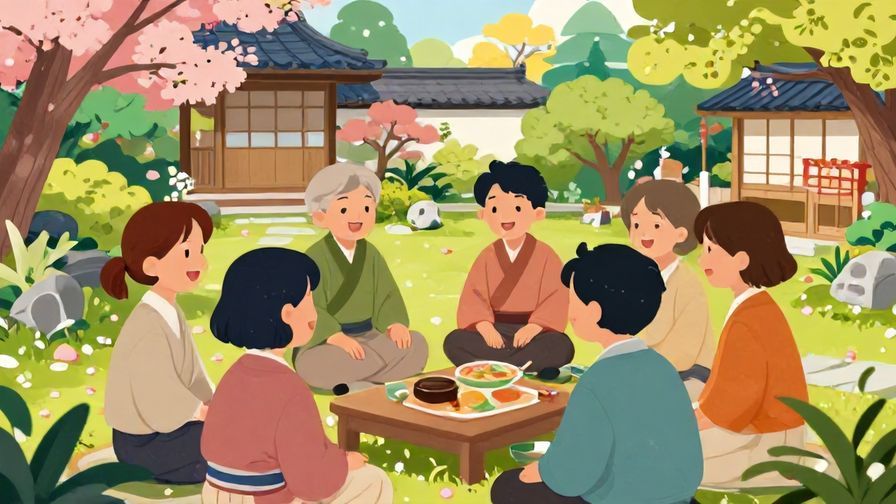
For a solid start, a helpful Japanese phrasebook can give you easy examples to practice and remember.
It’s fun to try these phrases in real conversations and see how they make your interactions more lively.
Start simple, and soon you’ll be impressing others with your Japanese expressions!
Part 1: Casual Suggestions
1. すごい! (Sugoi!) – “Amazing!”

This is the classic, go-to expression for being impressed in Japanese.
“Sugoi” (soo-go-ee) means “amazing” or “incredible” and is very versatile.
Use it when you want to show excitement or surprise in a friendly way.
It’s short, punchy, and instantly understood by everyone.
You can also say “Sugoi ne!” to soften it, adding a warm “right?” feeling.
Next time something blows your mind, just say “Sugoi!” and watch reactions light up.
2. さすが! (Sasuga!) – “As expected!”

“Sasuga” (sa-su-ga) is a way to say you’re impressed because someone lived up to their reputation.
It means “as expected” and carries admiration for skill or talent.
It’s perfect for praising friends or colleagues who did something impressive.
Because it’s a compliment on consistent excellence, it feels thoughtful and sincere.
You might hear it after a coworker nails a presentation or a friend solves a tough problem.
Remember, it’s a respectful nod to someone’s strength or ability.
3. 感動した! (Kandou shita!) – “I’m moved!”

“Kandou shita” (kan-doh shee-ta) literally means “I was emotionally moved.”
It’s a deeper, heartfelt way to say you’re impressed, especially with meaningful moments.
Use this when something genuinely touches your heart or inspires you.
It’s often used after watching a great movie, hearing a story, or seeing someone’s kindness.
Adding “本当に” (hontou ni) before it makes it even stronger: “本当に感動した!”
This phrase shows warmth and genuine emotional connection.
4. やるね! (Yarune!) – “You did it!”

“Yarune” (ya-roo-neh) is a casual, friendly way to say you’re impressed by someone’s action.
It literally means “You did it” but carries a tone of praise and encouragement.
Great for peers or younger friends when they accomplish something cool.
It’s informal and energetic, perfect for lighthearted compliments.
Pair it with a smile or a high-five for max effect.
This phrase keeps the vibe casual but uplifting.
5. すばらしい! (Subarashii!) – “Wonderful!”

“Subarashii” (soo-ba-ra-shee) means “wonderful” and is a bit more formal than “Sugoi.”
It’s polite enough to use in professional settings but still warm and genuine.
Use it when you want to express admiration for quality or beauty.
It’s often used for art, performances, or achievements.
Combine it with a compliment like “すばらしい仕事ですね!” (Wonderful job!)
This phrase bridges respect and heartfelt praise nicely.
6. かっこいい! (Kakkoii!) – “Cool!”

“Kakkoii” (ka-kko-ee) means “cool” or “stylish” and shows admiration for a vibe or appearance.
It’s casual and popular among young people to say something or someone is impressive in style.
Use it to compliment fashion, skills, or behavior that stands out positively.
It’s a friendly, upbeat way to express being impressed.
For example, “新しい靴、かっこいいね!” (Your new shoes are cool!)
Great for boosting someone’s confidence with a casual charm.
7. びっくりした! (Bikkuri shita!) – “I was surprised!”

“Bikkuri shita” (bik-koo-ree shee-ta) means “I was surprised” and can express impressed shock.
It’s a natural reaction phrase when something unexpected and impressive happens.
Use it when you want to show you didn’t see that coming but were wowed.
It’s common in casual conversations and very relatable.
For example, “彼の速さにはびっくりした!” (I was surprised by his speed!)
This phrase brings a fun, spontaneous energy to your praise.
8. いいね! (Ii ne!) – “Nice!”

“Ii ne” (ee neh) means “good” or “nice” and is a simple way to show approval and being impressed.
It’s casual and friendly, great for everyday compliments.
Use it when you want to encourage or affirm something cool someone did.
It’s easy to say and sounds natural in almost any setting.
Try “そのアイディア、いいね!” (That idea is nice!)
Perfect for keeping things light and positive.
Part 2: Polite & Formal Suggestions
9. 素晴らしいです! (Subarashii desu!) – “It’s wonderful!”

Adding “です” (desu) makes “Subarashii” polite and respectful.
This phrase is excellent for praising work or achievements formally.
It’s commonly used in business or formal social settings.
Using polite forms shows respect and genuine admiration.
For example, “あなたの発表は素晴らしいです。” (Your presentation is wonderful.)
It’s a great phrase to build positive professional relationships.
10. 感心しました。 (Kanshin shimashita.) – “I’m impressed.”

“Kanshin shimashita” (kan-shin shee-mah-shee-ta) directly means “I was impressed.”
It’s formal and polite, perfect for showing admiration in serious contexts.
The word “感心” (kanshin) means “admiration” or “being impressed.”
Use it to compliment skills, ideas, or behavior respectfully.
For example, “あなたの努力に感心しました。” (I’m impressed by your effort.)
This phrase is straightforward and highly effective in professional settings.
11. 尊敬します。 (Sonkei shimasu.) – “I respect you.”
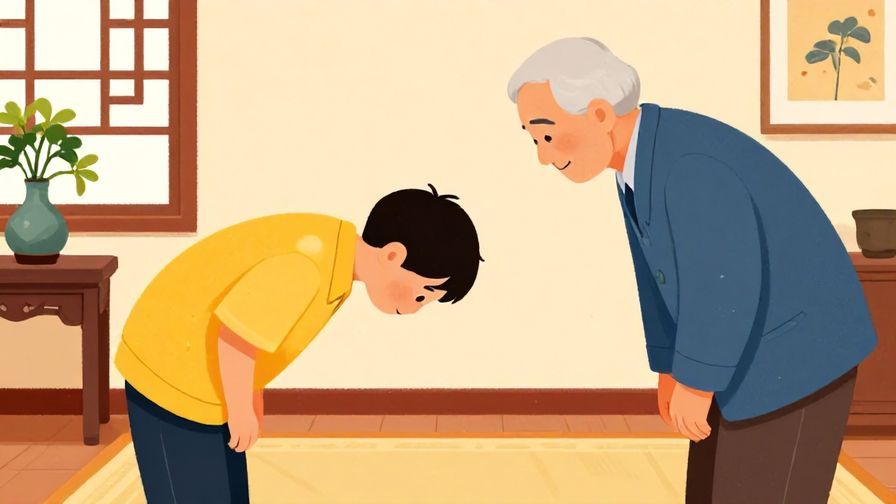
“Sonkei shimasu” (son-kay shee-mas) means “I respect you,” showing deep admiration.
This is a formal phrase expressing strong impression and honor.
It’s often used toward mentors, seniors, or people you look up to.
Use it to show your high regard for someone’s character or achievements.
For example, “あなたの考え方を尊敬します。” (I respect your way of thinking.)
This phrase conveys sincere admiration and humility.
12. お見事です! (O-migoto desu!) – “Well done!”

“O-migoto desu” (oh-mee-go-toh dess) is a respectful way to say “well done” or “bravo.”
It’s perfect for praising a job well done in formal situations.
“見事” (migoto) means “splendid” or “admirable.”
Adding the honorific “お” (o) and “です” makes it polite.
For example, “プレゼンテーションはお見事です!” (The presentation was splendid!)
Use this to make formal praise feel warm and genuine.
13. 感激しました。 (Kangeki shimashita.) – “I’m deeply impressed.”

“Kangeki shimashita” (kan-geki shee-mah-shee-ta) means “I’m deeply moved/impressed.”
This phrase conveys strong emotional impact and respect.
It’s often used for touching performances or acts of kindness.
Use it in formal or semi-formal contexts when truly impressed.
For example, “あなたの演技に感激しました。” (I’m deeply impressed by your performance.)
This phrase shows heartfelt admiration with dignity.
14. 立派ですね。 (Rippa desu ne.) – “That’s splendid.”

“Rippa desu ne” (ree-ppa dess neh) means “That’s splendid” or “impressive.”
“立派” (rippa) means admirable or fine quality.
Use this phrase to politely compliment achievements or behavior.
It’s polite but can be used in casual conversations with respect.
For example, “あなたの考えは立派ですね。” (Your idea is splendid.)
This phrase balances admiration with gentle politeness.
15. 尊いです。 (Toutoi desu.) – “It’s precious.”
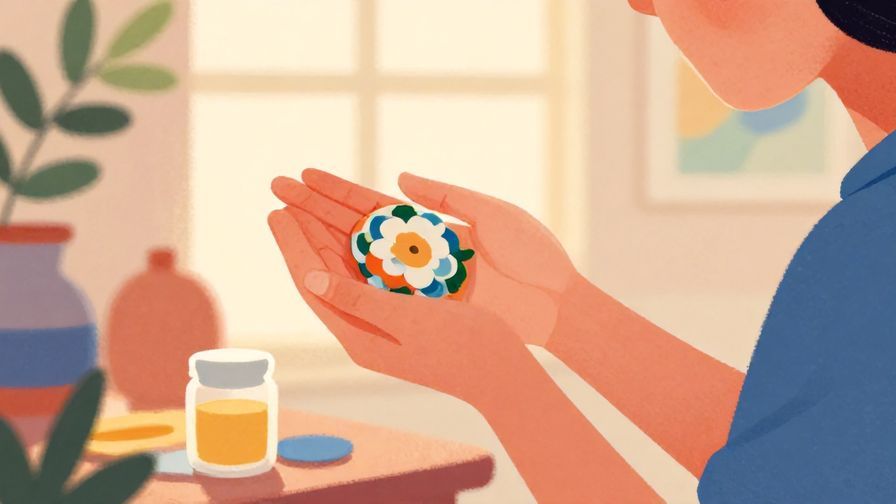
“Toutoi desu” (toh-toh-ee dess) means “It’s precious” or “noble.”
This phrase can express a deep kind of admiration and respect.
It’s polite and often used in formal or poetic contexts.
Say this when something or someone’s value moves you deeply.
For example, “その言葉は尊いです。” (Those words are precious.)
This phrase adds a thoughtful, refined touch to your praise.
16. 愉快です! (Yukai desu!) – “It’s delightful!”

“Yukai desu” (yu-kai dess) means “It’s delightful” or “pleasant.”
This phrase expresses joyful admiration in a polite way.
Great for praising enjoyable events, stories, or ideas.
It’s formal enough for polite conversation yet warm and friendly.
For example, “そのジョークは愉快です!” (That joke is delightful!)
This phrase expresses happy, impressed feelings with charm.
Part 3: Very Casual / Native-like Expressions
17. マジで? (Maji de?) – “Seriously?”

“Maji de?” (mah-jee deh) is a very casual way to express surprise and being impressed.
It translates to “Seriously?” or “For real?” and is common among younger speakers.
Use it when something impresses you in an unexpected or cool way.
It’s short and informal but full of genuine reaction.
For example, “マジで?すごいじゃん!” (Seriously? That’s amazing!)
Perfect for casual chats with friends.
18. やばい! (Yabai!) – “No way! / Awesome!”

“Yabai” (yah-bah-ee) is a versatile slang word that can mean “dangerous” or “awesome.”
In casual contexts, it expresses excitement and admiration.
Use it when something impresses you a lot, often in an informal setting.
It’s popular among youth and very expressive.
For example, “あの技、やばいね!” (That skill is awesome!)
Just be mindful of the casual tone when using it.
19. すげー! (Sugee!) – “Wow!”

“Sugee” (soo-geh) is a very casual and slangy version of “Sugoi.”
It’s used mainly by young people to show strong impressed feelings.
It’s energetic and perfect for informal conversations.
Use it to express “Wow!” or “That’s amazing!” casually.
For example, “あの車、すげー!” (That car is wow!)
This adds a fun, native-like flavor to your speech.
20. まじで感動! (Maji de kandou!) – “Seriously impressed!”

Combining “Maji de” and “Kandou” creates a casual yet heartfelt phrase.
It means “Seriously impressed” and shows strong emotional reaction.
Great for informal praise that feels sincere and enthusiastic.
Use it when something really moves or amazes you among friends.
Example: “まじで感動したよ!” (I was seriously impressed!)
It’s a great way to sound natural and expressive.
21. 最高! (Saikou!) – “The best!”

“Saikou” (sai-koh) literally means “the best” and is used to show high praise.
It’s casual but very positive and enthusiastic.
Use it to say something is outstanding or top quality.
It’s common among all ages in informal settings.
For example, “このカフェ、最高!” (This cafe is the best!)
It’s a simple phrase full of energy and approval.
22. 天才! (Tensai!) – “Genius!”

“Tensai” (ten-sai) means “genius” and is a fun, casual way to say someone’s impressive.
It’s playful and flattering, great for friends who do something clever or surprising.
Use it to highlight smart or creative achievements with warmth.
Example: “お前、天才だね!” (You’re a genius!)
This phrase adds a friendly, admiring tone to your conversations.
Concluding Thought
Exploring these 22 Japanese phrases to say “I’m impressed” opens a door to expressing admiration in so many colorful ways.
From casual cheers to formal compliments, you can connect more deeply with others and show genuine warmth.
Keep practicing, and soon these expressions will feel like second nature—making your Japanese conversations shine with heartfelt emotion!