22 Japanese ways to say “I’m going crazy”
Ever feel like your brain’s about to burst from all the stress, confusion, or just life being a little too much? In Japanese, there are so many colorful, relatable ways to express that feeling of “I’m going crazy.”
Whether it’s a casual chat with friends or a more formal situation, Japanese has you covered with phrases that capture every shade of that overwhelmed state.
Learning these expressions not only spices up your vocabulary but also gives you a deeper peek into Japanese culture and how emotions are expressed.
Some phrases are playful, some are intense, and others are just downright fun. You’ll find yourself saying these in no time, connecting better with native speakers and adding personality to your Japanese.
Plus, knowing different ways to say “I’m going crazy” can help you vent or joke about your feelings without sounding repetitive.
Ready to dive into 22 Japanese expressions for going crazy? Let’s get started!
Understanding the Basics of Expressing “I’m Going Crazy” in Japanese
Before we jump into the list, it’s helpful to know that Japanese uses both direct and metaphorical ways to say “I’m going crazy.”
Some phrases are straightforward, while others paint a vivid picture of frustration, confusion, or mental overload.
It’s a good idea to get comfortable with the context each phrase fits to avoid sounding too strong or casual in the wrong place.
To build a solid foundation, check out a language learning book focused on common expressions and emotions.
With a bit of practice, you’ll spot which phrases fit your mood perfectly.
And don’t worry about making mistakes—each one is a step closer to speaking like a native.
Part 1: Casual Suggestions
1. 頭がおかしくなりそう (Atama ga okashiku narisou) – “My head feels like it’s going crazy.”
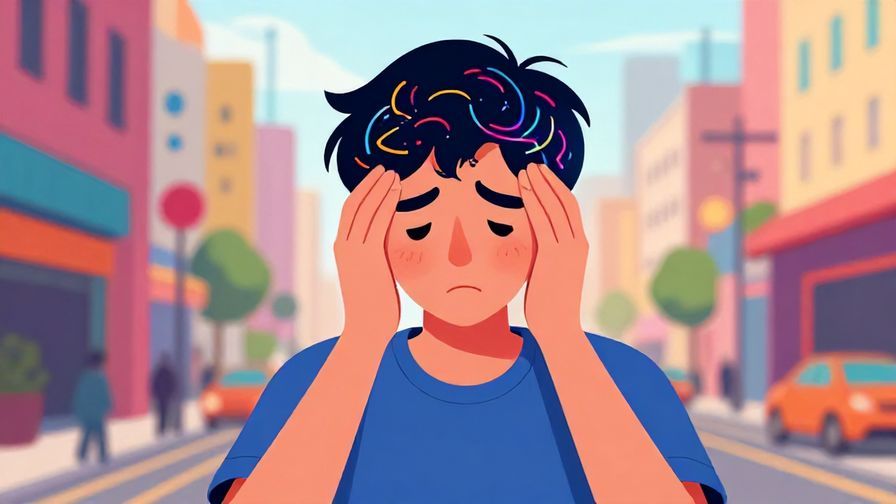
This phrase literally means “My head is about to become crazy.”
It’s a common way to say you’re overwhelmed or confused, especially when you have too many thoughts or problems.
Using “おかしくなる” (okashiku naru) means “to become crazy” or “to go nuts.”
It’s casual and works well among friends or in informal situations.
You can swap “頭” (atama – head) with other body parts for different effects, but “頭” is the most natural.
Next time your brain is fried, try this phrase to vent a little.
2. 発狂しそう (Hakkyo shisou) – “Feels like I’m about to go insane.”
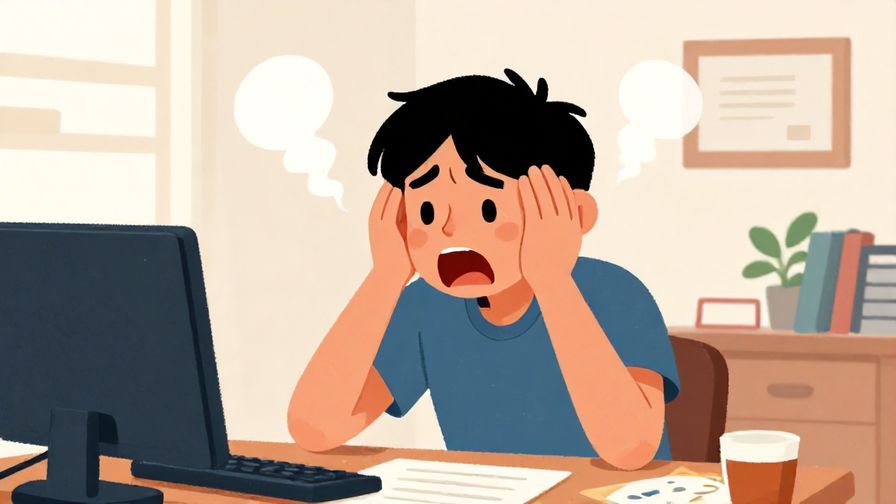
“発狂” (hakkyo) means “going insane” or “losing one’s mind.”
Adding “しそう” (shisou) shows that you’re about to do something, so together it means “I feel like I’m going crazy.”
This phrase is strong but still used casually among close friends.
It’s great for expressing extreme frustration or stress.
Be mindful not to use it in very formal situations because it’s quite intense.
It’s perfect for dramatic venting or joking about a tough day.
3. 気が狂いそう (Ki ga kurui sou) – “My mind feels like it’s going crazy.”

“気” (ki) means “mind” or “spirit,” and “狂う” (kuruu) means “to go crazy.”
Adding “そう” (sou) suggests it’s about to happen.
This phrase is slightly formal and poetic, often used in writing or serious conversations.
You can use it to express mental overload or emotional turmoil.
It’s a great phrase to sound a bit more mature while still showing strong feelings.
Try it when you want to sound thoughtful about your stress.
4. 変になりそう (Hen ni narisou) – “I feel like I’m going weird (crazy).”

“変” (hen) means “weird” or “strange,” and “なる” (naru) means “to become.”
“〜そう” (sou) means “seems like.”
Together, this phrase means “I feel like I’m becoming weird/crazy.”
It’s a lighthearted and less intense way to express mental strain.
Use it when you want to say you’re feeling off or a bit overwhelmed, but in a softer way.
It’s perfect for casual conversations without sounding too serious.
5. 頭がパンクしそう (Atama ga panku shisou) – “My head feels like it’s about to explode.”
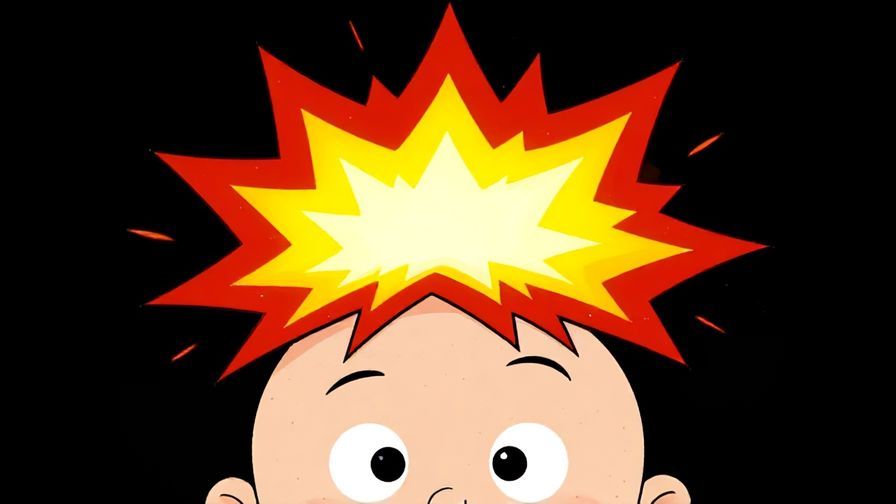
“パンク” (panku) is borrowed from “punk” but means “to burst or explode.”
So this phrase vividly describes your head feeling like it’s going to explode from stress or overload.
It’s playful, casual, and very common among younger people.
You can use it when you’re overwhelmed with work, study, or emotions.
It’s a fun way to exaggerate how “crazy” your mind feels.
Try it to add humor when you’re venting.
6. 気が狂いそう (Ki ga kuruisou) – “I feel like I’m losing my mind.”
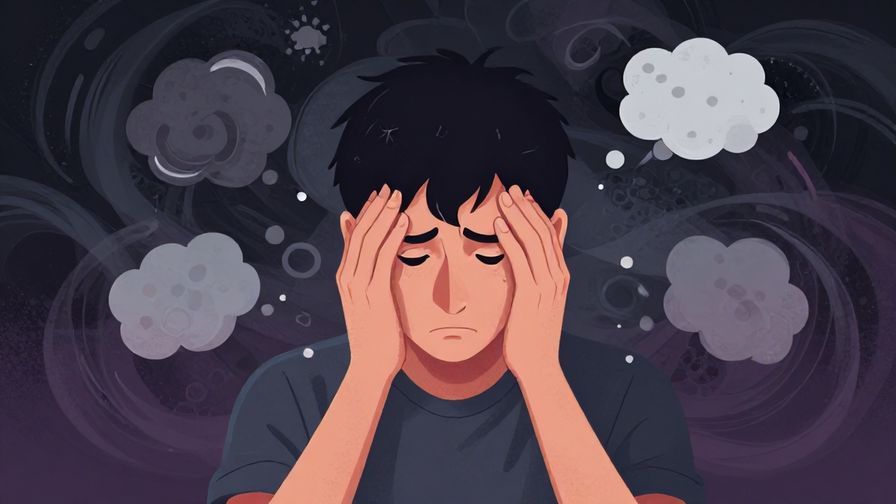
This is a straightforward phrase meaning “I feel like I’m going crazy.”
“気が狂う” (ki ga kuruu) literally means “mind goes crazy.”
Adding “そう” (sou) turns it into “feels like it’s about to happen.”
Use this when things feel emotionally or mentally overwhelming.
It’s commonly used in everyday speech and easy to remember.
Pair it with other expressions to show different levels of stress.
7. 頭がおかしくなる (Atama ga okashiku naru) – “My head is going crazy.”

Similar to #1 but without “そう,” it states the fact that your head is going crazy.
It’s direct and casual, often used to express frustration or disbelief.
Great for situations where things are just too much to handle.
Use it to describe mental exhaustion or confusion.
It’s a versatile phrase you can throw into casual conversations.
Try it when your brain just can’t keep up!
8. もう限界 (Mou genkai) – “I’ve reached my limit.”
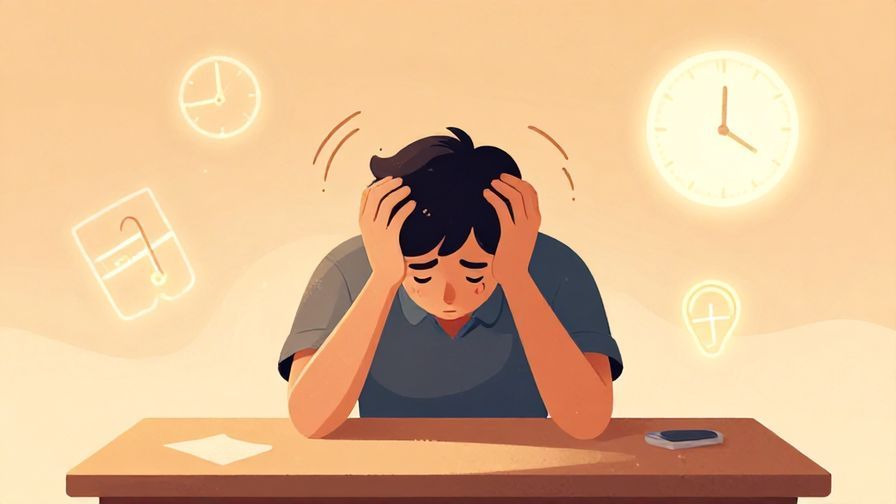
“限界” (genkai) means “limit” or “breaking point.”
“もう” (mou) means “already.”
This phrase literally means “I’ve already reached my limit.”
Though it doesn’t say “crazy” directly, it expresses mental or emotional overwhelm.
It’s common in both casual and polite contexts depending on tone.
Use it when you want to say you’re at the end of your patience or endurance.
Part 2: Polite & Formal Suggestions
9. 気が狂いそうでございます (Ki ga kuruisou de gozaimasu) – “I feel like I’m going crazy” (polite)

This is a very polite and formal way to express “I feel like I’m going crazy.”
“ございます” (gozaimasu) adds respectful politeness.
Useful in formal situations where you want to express stress without sounding rude.
It’s less common in casual speech but perfect for business or serious talks.
Try this if you want to sound respectful but still convey strong feelings.
Pair with polite vocabulary to keep the tone consistent.
10. 気が狂いそうな気持ちです (Ki ga kuruisou na kimochi desu) – “I have a feeling like I’m going crazy.”

This phrase uses “気持ち” (kimochi) meaning “feeling” to soften the expression.
It’s polite and conveys emotional overwhelm in a gentle way.
Great for formal settings or when you want to sound empathetic.
Using “です” (desu) keeps the sentence polite and neutral.
Try it in conversations with superiors or acquaintances.
This phrase balances emotion and respect well.
11. 正気を失いそうです (Shouki o ushinai sou desu) – “I feel like I’m losing my sanity.”

“正気” (shouki) means “sanity” or “sound mind.”
“失う” (ushinau) means “to lose.”
Adding “そうです” (sou desu) indicates it’s about to happen.
This is a formal and somewhat serious phrase, good for written or serious spoken contexts.
Use when you want to describe deep mental strain politely.
It’s less casual but very impactful.
12. 気が変になりそうです (Ki ga hen ni narisou desu) – “I feel like my mind is going weird.”
This is a polite version of the casual “変になりそう.”
Add “です” (desu) to keep it formal and polite.
It’s great for expressing mild mental discomfort in a respectful way.
Useful in conversations where you want to keep things light but proper.
Try this when talking to coworkers or acquaintances.
It shows you’re feeling off but not overwhelmed.
13. 我慢の限界に達しました (Gaman no genkai ni tasshimashita) – “I’ve reached the limit of my patience.”

“我慢” (gaman) means “patience” or “endurance.”
“限界” (genkai) is “limit,” and “達しました” (tasshimashita) means “have reached.”
This phrase is formal and expresses you’re about to lose it.
It’s ideal for polite complaints or serious discussions.
Use it to communicate that you’re stressed but holding on.
It’s a great phrase for mature, measured expression of frustration.
14. 気が狂いそうでたまらないです (Ki ga kuruisou de tamaranai desu) – “I absolutely can’t stand feeling like I’m going crazy.”

Adding “たまらない” (tamaranai) emphasizes the intensity – “can’t stand it.”
This polite phrase is heartfelt and expressive.
It’s good for serious moments when you want to stress how bad things feel.
Use it in formal or semi-formal conversations.
It’s a useful phrase for showing strong emotional impact respectfully.
Practice this to add emotional depth to your polite Japanese.
15. 気が変になりそうで困っています (Ki ga hen ni narisou de komatteimasu) – “I’m troubled because I feel like I’m going crazy.”

This phrase adds “困っています” (komatteimasu) meaning “I’m troubled.”
It’s polite and shows you’re seeking sympathy or help.
Use it in more serious or formal settings.
It’s a great way to express emotional difficulty while sounding respectful.
Try it with friends or colleagues when you want to be understood.
It adds a layer of vulnerability to your expression.
16. 精神的に参りそうです (Seishinteki ni mairisou desu) – “I feel like I’m about to break down mentally.”
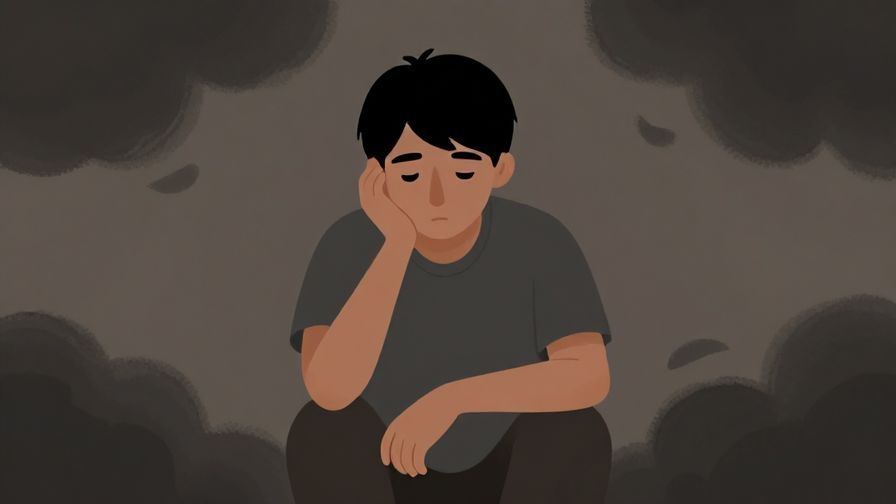
“精神的に” (seishinteki ni) means “mentally” or “emotionally.”
“参る” (mairu) is a polite way to say “to be defeated” or “to break down.”
This phrase is formal and serious, perfect for professional or medical contexts.
Use it when describing mental exhaustion respectfully.
It’s less emotional and more clinical, useful for clear communication.
Great for expressing stress in a calm, polite manner.
Part 3: Very Casual / Native-like Expressions
17. ヤバい、頭いっちゃいそう (Yabai, atama icchai sou) – “Oh no, my head’s about to snap.”
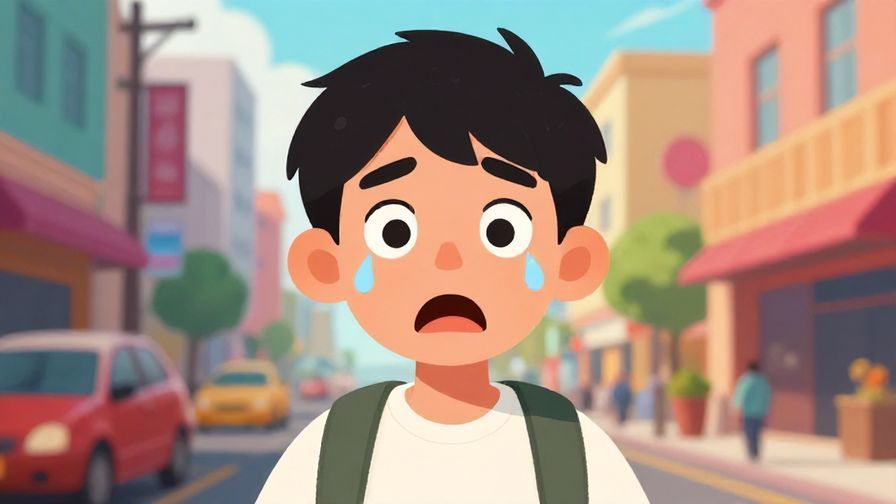
“ヤバい” (yabai) is slang for “oh no” or “dangerous.”
“いっちゃいそう” (icchai sou) is a casual way of saying “going crazy.”
This phrase is very informal and popular among young people.
Use it with close friends when you want to sound casual and natural.
It’s playful and exaggerates the feeling of mental overload.
Perfect for social media or texting.
18. ぶっ飛びそう (Buttobisou) – “Feels like I’m about to lose it (fly away).”
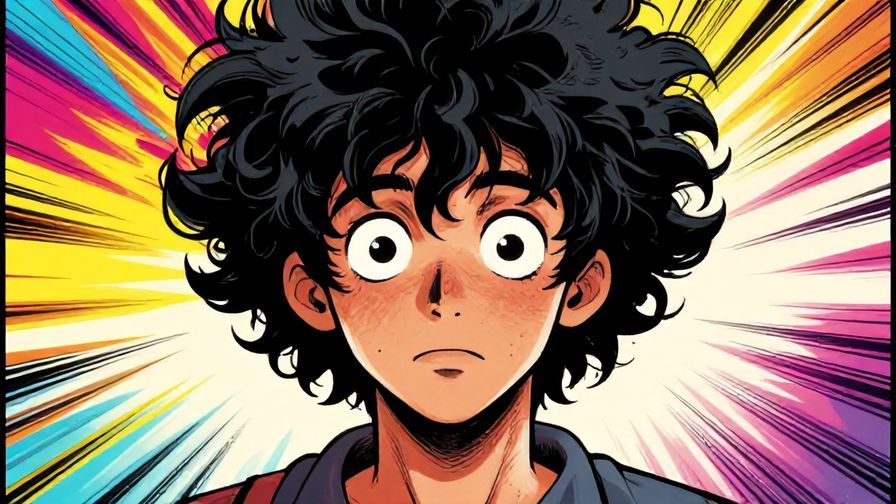
“ぶっ飛ぶ” (buttobu) literally means “to fly off” or “to lose control.”
Adding “そう” (sou) means “about to.”
This slang is very casual and expressive.
Use it when you’re shocked or overwhelmed.
It’s a fun way to say you’re losing mental grip.
Try it in lively conversations or jokes with friends.
19. 気が狂いそうマジで (Ki ga kuruisou maji de) – “I’m seriously about to go crazy.”

“マジで” (maji de) means “seriously” or “for real.”
Adding it amps up the emotion.
This phrase is casual and very emphatic.
It’s great for venting when you feel overwhelmed.
Use with friends or peers for dramatic effect.
It adds a punch to any “going crazy” expression.
20. もう限界だわ (Mou genkai da wa) – “I’ve totally had it.”

“もう限界” means “already at the limit.”
Adding “だわ” (da wa) adds casual emphasis, mostly used by women.
This phrase is casual and expressive.
Use it when you feel you can’t take any more.
It’s a great phrase to sound relatable and natural.
Try it in conversations with close friends.
21. 気が狂いそうだよ、マジで (Ki ga kuruisou dayo, maji de) – “I’m seriously losing it, for real.”

Combines “気が狂いそう” with “だよ” (dayo) and “マジで” (maji de) for emphasis.
It’s casual, emotional, and very natural sounding.
Perfect for venting frustration online or in person.
It’s a phrase used among close friends or peers.
Use it to sound genuine and expressive.
Great for dramatic storytelling or emotional moments.
22. 頭がパンク寸前 (Atama ga panku sunzen) – “My head’s on the verge of exploding.”
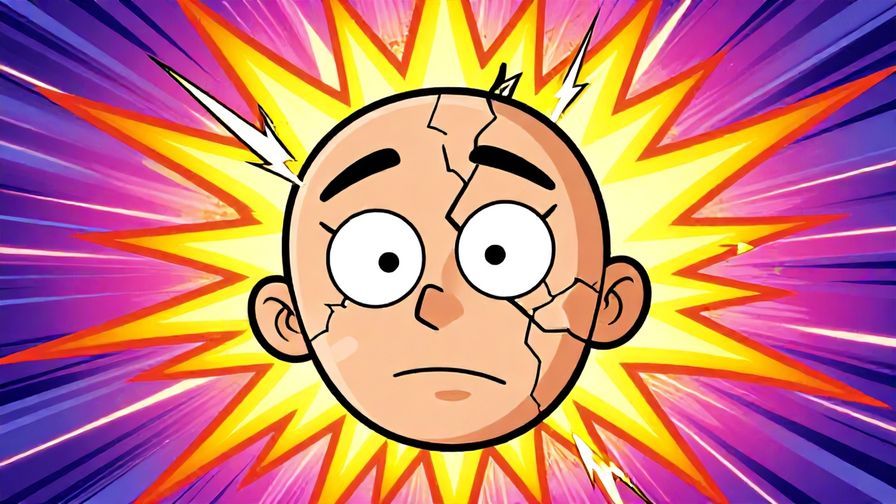
“寸前” (sunzen) means “just before” or “on the verge.”
It intensifies “頭がパンク” (head exploding).
This phrase is casual and vivid.
Use it when you want to dramatize stress.
It’s popular among younger people and in media.
Try it when you want to sound like a native speaker expressing high stress.
Concluding Thought
Exploring these 22 ways to say “I’m going crazy” in Japanese shows just how rich and expressive the language can be.
From casual slang to polite formal phrases, you now have a variety of tools to express frustration, overwhelm, or emotional overload naturally.
Keep practicing these phrases, and soon you’ll be able to share your feelings like a native — with warmth, humor, and authenticity.