22 Japanese ways to say “I’m Excited
Feeling excited is one of those universal emotions that can be expressed in so many beautiful ways. Japanese, with its rich nuances, offers a treasure trove of expressions to capture that spark of joy and anticipation.
Whether you’re meeting friends, starting a new adventure, or just feeling pumped about life, there’s a phrase to match your vibe. Let’s explore 22 warm, relatable ways to say “I’m excited” in Japanese.
This list isn’t just about words; it’s about feeling the moment and sharing that excitement naturally, like a friend would. You’ll find phrases perfect for casual chats and more polite conversations alike.
By learning these, you won’t just say you’re excited—you’ll *show* it in a way that feels authentic and fun. Plus, you’ll impress your Japanese-speaking friends with your flair!
Ready to add some sparkle to your Japanese? Here’s a handy collection of Japanese learning books that can help you dive deeper.
Let’s jump right in and get excited together—Japanese style!
Common Ways to Express Excitement
Before diving into the specific phrases, it’s good to know that excitement in Japanese can be expressed with different words depending on the context and your relationship with your listener.
From casual to formal, there are many shades of excitement. Understanding these will help you pick the perfect phrase each time.
Here’s a quick overview to get you started, with useful tips on pronunciation and usage.
Sometimes, pairing your new phrases with a beginner phrasebook can make practicing easier and more fun.
Try repeating these phrases aloud daily to build confidence. Even a little practice goes a long way!
Let’s get your excitement flowing with some great Japanese expressions.
Part 1: Casual Suggestions
1. ワクワクする (Waku waku suru) – “I’m excited!”
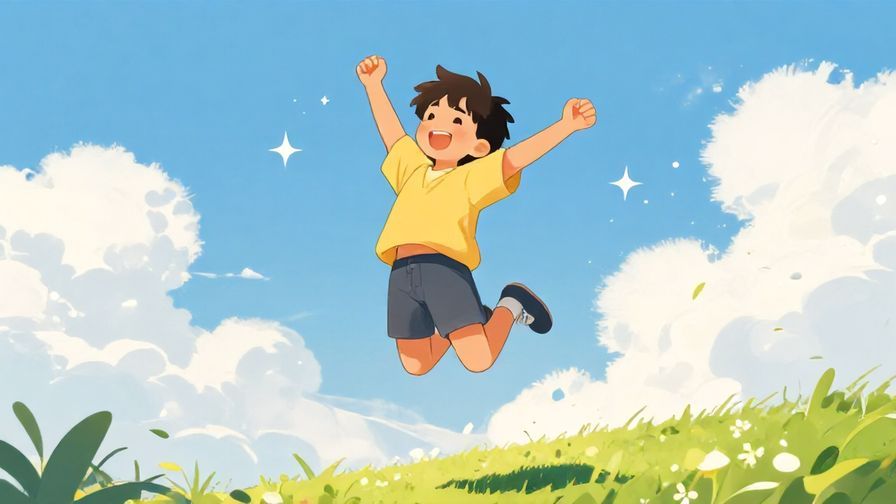
This phrase is the go-to casual way to say “I’m excited” and literally mimics the sound of a heartbeat or fluttering feeling.
“Waku waku” (wah-koo wah-koo) is an onomatopoeia for excitement, and “suru” (soo-roo) means “to do.” Together, it perfectly captures that bubbling joy inside.
It’s great for moments like before a fun trip or a concert.
Using it often will make your conversations feel lively and relatable.
You can also say “ワクワクしてる (Waku waku shiteru)” to mean “I’m currently feeling excited.”
Try it next time you’re looking forward to something fun!
2. 楽しみ! (Tanoshimi!) – “Can’t wait!”

“Tanoshimi” (tah-noh-shee-mee) means “looking forward to” or “fun.” It’s a very natural way to express excitement about upcoming events.
It’s short, sweet, and can be used on its own as an exclamation—perfect for casual chats with friends.
Just saying “楽しみ!” shows you’re eager and pumped.
Be careful not to confuse it with “楽しむ (tanoshimu),” which means “to enjoy.”
Example: “旅行が楽しみ!” (Ryokō ga tanoshimi!) means “I’m excited about the trip!”
Use this to sound friendly and upbeat in everyday conversations.
3. ドキドキする (Doki doki suru) – “My heart is pounding!”
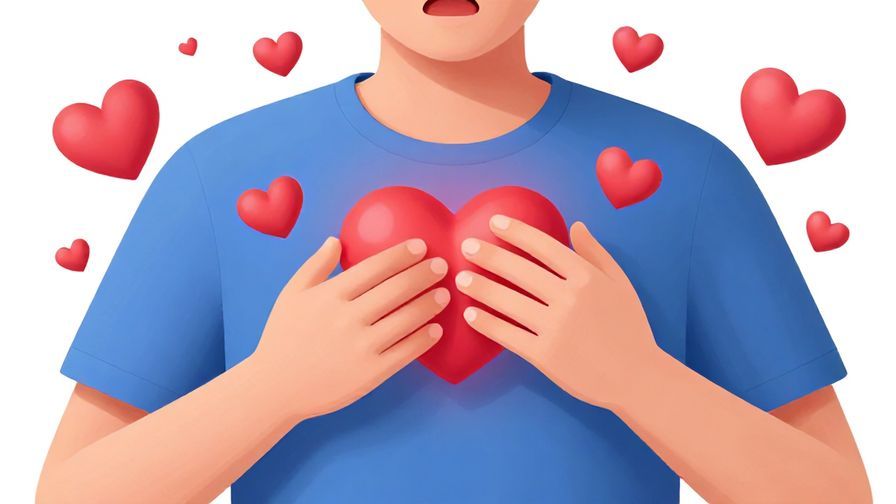
“Doki doki” (doh-kee doh-kee) is another onomatopoeia, this time for a pounding heart. It’s often used to describe excitement mixed with nervousness.
“Suru” means “to do,” so “doki doki suru” means “to feel excited or nervous.”
It’s perfect for moments like before a big date or an exciting challenge.
It’s a vivid way to express your emotions, making your Japanese sound natural and heartfelt.
Related phrase: “ドキドキしてる” (Doki doki shiteru) means “I’m feeling excited now.”
Use this to share those butterflies in your stomach moments!
4. うきうきする (Uki uki suru) – “Feeling cheerful and excited”
“Uki uki” (oo-kee oo-kee) expresses a light, cheerful excitement—like the feeling of happiness bubbling up inside.
It’s less intense than “waku waku” but still joyful and lively.
“Suru” means “to do,” so you’re basically saying “I’m feeling cheerful and excited.”
This phrase works well when you’re looking forward to something fun but in a calm, happy way.
Try it when you want to sound upbeat without being overly dramatic.
It’s a sweet, simple way to share your mood.
5. テンション上がる (Tenshon agaru) – “Getting hyped!”

“Tenshon” (ten-shon) is a borrowed word from English “tension,” but in Japanese slang, it means your excitement or energy level.
“Agaru” (ah-gah-roo) means “to rise” or “go up.”
So “tenshon agaru” means “my excitement is rising” or “I’m getting hyped.”
It’s casual and popular among younger people, great for lively events or hype moments.
Use it with friends when you’re pumped for a party or game.
It’s a fun way to sound current and energetic in Japanese.
6. 楽しみにしてる (Tanoshimi ni shiteru) – “I’m looking forward to it”
This phrase is a polite, casual way to say you’re eagerly awaiting something.
“Tanoshimi” means “looking forward to” or “fun,” “ni” is a particle meaning “to,” and “shiteru” is the casual form of “doing.”
It’s perfect for both spoken and written conversations.
Use it when confirming plans or chatting about upcoming events.
Example: “明日のパーティーを楽しみにしてる!” (Ashita no pātī o tanoshimi ni shiteru!) means “I’m excited for tomorrow’s party!”
It’s a polite yet warm way to share your excitement.
7. わくわくが止まらない (Waku waku ga tomaranai) – “Can’t stop being excited!”

This is a playful, emphatic way to say your excitement won’t stop.
“Waku waku” means excited, “ga” is the subject marker, and “tomaranai” means “can’t stop.”
It’s perfect when you want to show your excitement is almost bursting out.
Use it for things like waiting for a big event or a surprise.
This phrase adds a fun, dramatic flair to your excitement.
Try it out when you want to show you’re really, really excited!
8. 心が躍る (Kokoro ga odoru) – “My heart dances”

This is a poetic way to express deep excitement or joy.
“Kokoro” (koh-koh-roh) means “heart,” “ga” is the subject particle, and “odoru” (oh-doh-roo) means “to dance.”
It’s often used in literature or heartfelt conversations.
Use it to describe a truly touching, thrilling moment.
It’s a beautiful phrase that elevates your excitement to something emotional.
Perfect for expressing joy in a more poetic, native-like way.
Part 2: Polite & Formal Suggestions
9. とても楽しみにしています (Totemo tanoshimi ni shite imasu) – “I’m really looking forward to it”

This is a polite and formal way to express excitement.
“Totemo” means “very,” “tanoshimi ni shite imasu” is the formal version of “looking forward to it.”
It’s perfect for work emails, polite conversations, or formal occasions.
Using it shows respect and genuine anticipation.
Example: “会議をとても楽しみにしています。” (Kaigi o totemo tanoshimi ni shite imasu.) means “I’m really looking forward to the meeting.”
Use this phrase to sound professional and enthusiastic.
10. ワクワクしています (Waku waku shite imasu) – “I am excited” (polite)

This is a polite form of the casual “waku waku suru.”
Adding “-te imasu” makes it polite and continuous, so you’re saying “I am excited.”
Useful in polite conversation or when speaking to someone you respect.
It keeps the joyful feeling but adds a layer of formality.
Try it when you want to sound excited but still professional.
It’s versatile and widely understood.
11. 興奮しています (Kōfun shite imasu) – “I am excited” (formal)

“Kōfun” (koh-foon) is a formal word for excitement or being thrilled.
“Shite imasu” adds the polite continuous form.
This phrase is good for formal writing or serious conversations.
It’s slightly stronger than “tanoshimi,” conveying more intense excitement.
Use it carefully, as it can sometimes suggest nervous excitement as well.
Ideal for professional settings where enthusiasm is appropriate.
12. 待ち遠しいです (Machidōshii desu) – “I can’t wait” (formal)
“Machidōshii” (mah-chee-doh-shee) means “can’t wait” or “eagerly awaiting.”
Adding “desu” makes it polite and formal.
Use it when you want to express patient excitement respectfully.
It’s great for emails or polite conversations about upcoming events.
Example: “新しいプロジェクトが待ち遠しいです。” (Atarashii purojekuto ga machidōshii desu.) means “I can’t wait for the new project.”
It’s a soft but clear way to show anticipation.
13. 心待ちにしています (Kokoro machi ni shite imasu) – “Eagerly awaiting”
This is a very polite and somewhat poetic way to say you’re eagerly waiting for something.
“Kokoro” means “heart,” “machi ni shite imasu” means “waiting for.”
It’s used in formal letters or speeches.
It conveys respectful excitement with a warm feeling.
Great for thanking someone or when expressing gratitude for future events.
It’s a lovely phrase to add to your polite Japanese toolkit.
14. 楽しみで仕方がないです (Tanoshimi de shikata ga nai desu) – “I’m so excited I can’t help it”
This phrase expresses excitement that’s hard to contain.
“Tanoshimi” means “looking forward to,” “de shikata ga nai” means “can’t help it,” and “desu” makes it polite.
It’s perfect for showing genuine anticipation in a formal setting.
Use it when you want to emphasize your strong excitement respectfully.
Example: “新しい映画を楽しみで仕方がないです。” (Atarashii eiga o tanoshimi de shikata ga nai desu.) means “I’m so excited for the new movie, I can’t help it.”
It’s a heartfelt way to connect with others politely.
15. 感激しています (Kangeki shite imasu) – “I’m deeply moved/excited”
“Kangeki” (kahn-geh-kee) means “deeply impressed” or “moved,” often used when excitement is mixed with gratitude or awe.
“Shite imasu” adds polite continuous form.
It’s great for formal thank-you notes or when expressing heartfelt excitement.
Use it when you want to show appreciation along with excitement.
It brings emotional depth to your expression.
Perfect for meaningful moments.
16. とても嬉しいです (Totemo ureshii desu) – “I’m very happy”
While not directly “excited,” this phrase is often used to express joyful excitement politely.
“Totemo” means “very,” “ureshii” means “happy,” and “desu” is polite.
It’s a flexible phrase suitable for many contexts.
Use it to share happiness that’s related to excitement.
It’s straightforward and heartfelt.
Try it when you want to sound warm and sincere.
Part 3: Very Casual / Native-like Expressions
17. 最高! (Saikō!) – “Awesome!” / “I’m so excited!”

“Saikō” (sigh-koh) literally means “the best” or “awesome.”
It’s a super casual, enthusiastic way to express excitement or approval.
Use it with friends when something has you pumped up.
It’s short, energetic, and very common among younger people.
Example: “明日のライブ、最高!” (Ashita no raibu, saikō!) means “Tomorrow’s concert is going to be awesome!”
Perfect for high-energy moments.
18. ヤバい! (Yabai!) – “Oh wow!” / “Amazing!”
“Yabai” (yah-bah-ee) is a slang word that can mean “dangerous,” “amazing,” or “crazy,” depending on context.
Among friends, it’s often used to show excitement or amazement.
It’s informal and very popular in everyday speech.
Use it with caution around strangers—it can sound too casual.
Example: “このゲーム、ヤバい!” (Kono gēmu, yabai!) means “This game is amazing!”
A fun word to express intense excitement.
19. うれしすぎる! (Ureshisugiru!) – “Too happy!”

“Ureshii” means “happy,” and “sugiru” means “too much” or “too much to handle.”
Put together, it means “I’m way too happy,” often used to express overwhelming excitement.
It’s casual and very expressive.
Use it when something makes you really, really happy.
Example: “プレゼントもらって、うれしすぎる!” (Purezento moratte, ureshisugiru!) means “I’m too happy to get this present!”
A playful way to share your joy.
20. テンションMAX! (Tenshon MAX!) – “My excitement is at max!”

“Tenshon” means excitement, and “MAX” means maximum.
It’s a slang phrase meaning you’re super excited or hyped up.
Common in casual speech and pop culture.
Use it when you want to emphasize your excitement to the max.
Example: “ライブでテンションMAX!” (Raibu de tenshon MAX!) means “My excitement is max at the concert!”
Perfect for high-energy situations.
21. たまらない! (TamaranaI!) – “I can’t stand it (in a good way)!”
“TamaranaI” (tah-mah-rah-nah-ee) means “I can’t resist” or “I can’t stand it,” usually used to express that something is overwhelmingly good.
It’s often used when excitement or pleasure is so strong it’s almost unbearable.
Use it informally to share extreme joy.
Example: “このケーキ、たまらない!” (Kono kēki, tamaranaI!) means “This cake is irresistible (I’m so excited)!”
A great word to express intense delight.
22. もう待てない! (Mō matenai!) – “I can’t wait anymore!”
“Mō” means “already,” “matenai” means “can’t wait.”
Put together, it expresses impatience caused by excitement.
It’s casual and great for conversations about upcoming fun.
Example: “新しいゲーム、もう待てない!” (Atarashii gēmu, mō matenai!) means “I can’t wait for the new game anymore!”
Use it to convey your bubbling anticipation.
A lively way to show you’re truly excited.
Concluding Thought
Exploring these 22 expressions shows just how rich and versatile the Japanese language is when it comes to sharing excitement.
From casual slang to polite phrases, you now have a warm, relatable way to express your feelings no matter the context.
Keep practicing, and soon you’ll find yourself naturally sprinkling these phrases into your conversations, making your Japanese vibrant and full of life!