22 Japanese ways to say “I’m easy”
Sometimes, life’s all about going with the flow and being easygoing. In Japanese, there are many ways to express that laid-back vibe.
Whether you’re chatting with friends, negotiating plans, or just want to sound more natural, knowing how to say “I’m easy” in Japanese can come in super handy.
From casual to polite, and even native-like slang, this list has you covered with 22 authentic ways to say it.
Each phrase carries its own flavor and context, so you’ll be ready for any social situation.
Plus, it’s fun to see how the language captures different shades of “easygoing” attitude.
Let’s dive in and find your favorite Japanese expression for “I’m easy”!
Understanding “I’m Easy” in Japanese
Before we jump into the list, it’s helpful to understand what “I’m easy” really means in Japanese contexts.
It often implies flexibility, willingness to go along with others’ plans, or just not being picky.
Depending on the formality, you’ll want to choose phrases carefully.
Sometimes a great beginner phrasebook can give you a perfect starting point for a cohesive understanding.
Once you get the hang of these expressions, you’ll feel more confident in casual conversations.
And that’s always a win when learning a new language!
Part 1: Casual Suggestions
1. 行けたら行く (Iketara iku) – “I’ll come if I can.”
This phrase literally means “If I can go, I’ll go.”
It’s a gentle way to say you’re flexible and easygoing without committing firmly. Great for casual plans when you want to sound polite but noncommittal.
Use it when you’re not sure if you can make it but want to keep the door open.
It’s very common in everyday Japanese.
Related phrases: 行けるかも (Ikeru kamo) means “I might go.”
Perfect for when you want to stay chill and not pressure yourself.
2. 何でもいいよ (Nan demo ii yo) – “Anything’s fine.”

This is one of the simplest and most direct ways to say “I’m easy.”
It literally means “Anything is good.” You can use it when someone asks for your preference and you really don’t mind.
It sounds casual and friendly, so it’s great with friends.
A common mistake is overusing it when you do have a preference, which can confuse people.
Example: “Where do you want to eat?” “何でもいいよ!”
Keep it handy for chill conversations!
3. お任せします (Omakase shimasu) – “I’ll leave it up to you.”

This phrase shows you’re easygoing by trusting the other person’s choice.
It comes from 任せる (makaseru), meaning “to entrust.”
Very polite and useful in restaurants or meetings, letting others take the lead.
It’s respectful and still casual enough for everyday use.
Try it next time you want to sound cooperative and relaxed.
It’s a classic expression of “I’m easy.”
4. どっちでもいい (Docchi demo ii) – “Either one is fine.”

This phrase is perfect when you’re choosing between two options.
It means “Either is fine,” showing you’re not picky.
It’s casual and commonly used among friends and family.
A tip: use it confidently but don’t say it if you secretly prefer one choice!
Example: “Coffee or tea?” “どっちでもいいよ.”
Simple and effective for easygoing conversations.
5. 気にしないよ (Ki ni shinai yo) – “I don’t mind.”

This phrase expresses that you’re not bothered or picky about something.
It’s a casual way to say “I’m easy” in the sense of not worrying about details.
Great for calming tense moments or when others apologize unnecessarily.
Watch out for tone—it should sound genuine, not dismissive.
Example: “Sorry if the plan changed.” “気にしないよ!”
Use it to keep things light and friendly.
6. いいよ (Ii yo) – “It’s okay.” / “I’m fine.”

One of the simplest and most versatile phrases.
It means “It’s okay” or “I’m fine,” showing easygoing acceptance.
Perfect for quick responses when you want to be agreeable.
Don’t overuse it in formal situations though, as it can sound too casual.
Example: “Can we meet tomorrow?” “いいよ!”
Keep it in your pocket for everyday easygoing vibes.
7. どちらでも (Dochira demo) – “Either one.”

This is a polite and neutral way to say “either one is fine.”
It’s useful in semi-formal settings where you want to show flexibility but stay respectful.
Great for work or new acquaintances.
Don’t confuse it with どっちでも, which is more casual.
Example: “Do you prefer A or B?” “どちらでも結構です.” (Either one is fine.)
A neat phrase for versatile usage.
8. 適当でいいよ (Tekitou de ii yo) – “Whatever’s fine.”

This phrase means “Whatever works is fine.”
“適当” (tekitou) can mean “appropriate” or “random,” depending on tone.
It’s casual and shows a laid-back attitude.
Be careful with context—some might take it as careless if used the wrong way.
Example: “How should we arrange the seats?” “適当でいいよ.”
Use it when you want to show you’re easy but still thoughtful.
Part 2: Polite & Formal Suggestions
9. お好きにどうぞ (Osuki ni douzo) – “Please do as you like.”

This is a polite way to show you’re easygoing by letting others decide.
“お好きに” means “as you like,” and “どうぞ” is “please.”
Perfect for formal or business situations.
It respects the other person’s choice fully.
Example: “Where should we eat?” “お好きにどうぞ.”
A great phrase to sound both polite and flexible.
10. どちらでも結構です (Dochira demo kekkou desu) – “Either one is fine.” (polite)

This is a very polite way to express flexibility.
“結構です” adds a respectful tone meaning “fine” or “good.”
Great for workplace or formal conversations.
Use it to politely indicate you have no strong preference.
Example: “Do you prefer meeting Monday or Tuesday?” “どちらでも結構です.”
Sound polite but still easygoing with this phrase.
11. ご自由にどうぞ (Go jiyuu ni douzo) – “Please feel free.”

This phrase literally means “Please be free to do as you like.”
It’s very polite and often used in customer service or formal settings.
It invites others to decide without pressure.
Don’t confuse it with casual phrases; this one is for respectful contexts.
Example: “ご自由にどうぞ” when offering guests a choice.
Use it when you want to sound courteous but easygoing.
12. どちらでもよろしいです (Dochira demo yoroshii desu) – “Either one is fine.” (very polite)

This is a very formal and respectful way to express flexibility.
“よろしい” is a polite version of “good” or “fine.”
Use it in formal meetings or with people you want to show respect to.
It’s a safe choice when you want to sound professional.
Example: “Do you prefer A or B?” “どちらでもよろしいです.”
Politeness meets easygoing attitude here.
13. お任せいたします (Omakase itashimasu) – “I humbly leave it to you.”
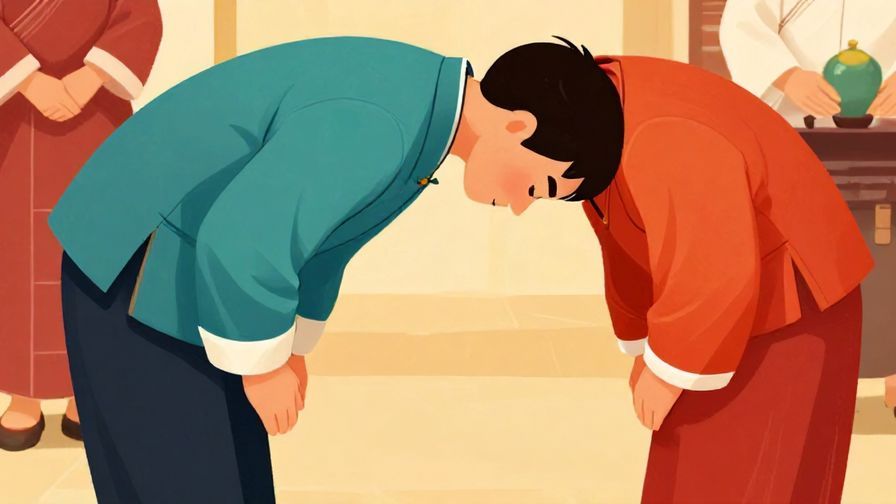
This is the humble, very polite version of お任せします.
Use it in formal or business contexts to show deep respect and trust.
It’s perfect when you want to be very deferential but still easygoing.
Example: “How should we proceed?” “お任せいたします.”
Shows both humility and flexibility.
14. どうでもいいです (Doudemo ii desu) – “I don’t care.” (polite)

This phrase can mean “I don’t care” or “Anything is fine.”
It’s polite but can sound blunt, so use carefully.
Good to express you’re truly indifferent.
Avoid in sensitive situations, as it might come off as rude.
Example: “Where should we eat?” “どうでもいいです.”
Use with caution but it’s a clear “I’m easy.”
15. お気になさらず (Oki ni nasarazu) – “Please don’t worry about it.”
This phrase is polite and soothing, meaning “Don’t worry.”
Use it to show you’re easygoing and not bothered by small things.
It’s great in conversations where someone is apologizing or concerned.
Example: “Sorry for the inconvenience.” “お気になさらず.”
Polite and warm, perfect for close or formal relations.
16. 問題ありません (Mondai arimasen) – “No problem.”

This phrase means “There is no problem.”
It’s polite and reassuring, great for formal or neutral settings.
Shows you’re okay with the situation without fuss.
Example: “Is it okay to change the schedule?” “問題ありません.”
Clear, professional, and easygoing.
Part 3: Very Casual / Native-like Expressions
17. まあいいよ (Maa ii yo) – “Well, it’s fine.”

This phrase is casual and easygoing, often used among friends.
“まあ” adds a soft, “well…” nuance making it sound laid-back.
It’s great for showing mild acceptance without much enthusiasm.
Example: “Do you want to go now?” “まあいいよ.”
Use it when you want to sound chill and natural.
18. どっちでもいいよ (Docchi demo ii yo) – “Either one’s fine.” (casual)

Similar to #4 but more casual with “どっち.”
It’s very common in everyday conversations with friends or family.
Shows you really don’t mind which option is chosen.
Example: “Sushi or ramen?” “どっちでもいいよ.”
Perfect for relaxed, native-style chats.
19. 適当にして (Tekitou ni shite) – “Do it however.”
This is a casual and somewhat cheeky way to say “I’m easy.”
It literally means “Do it appropriately” but often is used as “Do whatever.”
Great among close friends but can sound rude if overused.
Example: “How should I cook this?” “適当にして.”
Use with care but it’s very natural.
20. まあなんでもいいよ (Maa nandemo ii yo) – “Well, anything’s fine.”

A very casual, friendly phrase combining “まあ” and “なんでもいい.”
It’s a great way to sound easygoing but still warm and engaged.
Example: “What movie do you want to watch?” “まあなんでもいいよ.”
Perfect for close friends or family.
21. 任せた (Makseta) – “I leave it to you.” (casual)

A casual, shortened form of お任せします.
Used among friends or colleagues to show trust and flexibility.
Example: “What should we eat?” “任せた!”
Sounds natural and immediate.
22. 気楽にして (Kiraku ni shite) – “Take it easy.”

This phrase encourages a relaxed, easygoing attitude.
While it literally means “be carefree,” it’s often used to show you’re easygoing yourself.
Example: “Don’t worry about the plan, 気楽にして.”
Use it to invite others to relax and align with your easy vibe.
Concluding Thought
Exploring these 22 ways to say “I’m easy” in Japanese shows just how nuanced and colorful this concept can be.
Whether you’re aiming for casual, polite, or native-like phrasing, there’s a perfect expression for every situation.
Keep practicing these phrases, and you’ll not only sound more natural but also enjoy the warmth of Japanese social interactions even more!