22 Japanese ways to say “I’m at the end of my rope”
Feeling overwhelmed and like you’ve hit a wall? We’ve all been there—the moment when you’re just at the end of your rope.
Expressing that feeling in another language can be both cathartic and empowering. Japanese, with its rich imagery and emotional depth, offers many ways to say exactly that.
Whether you want to vent, ask for help, or just share your mood with friends, these phrases will have you covered.
In this list, you’ll find expressions ranging from casual and slangy to more formal and polite ways to communicate your frustration or exhaustion.
Learning these can also help you connect deeper with Japanese culture and language nuances.
Ready to explore 22 Japanese ways to say “I’m at the end of my rope”? Let’s dive in!
Understanding the Expressions
Before we jump into the list, it’s helpful to understand that Japanese often uses metaphors and idiomatic expressions to convey feelings like frustration or exhaustion.
Some phrases are direct, while others imply the feeling through imagery like “breaking points” or “falling down.”
Knowing these will enrich your emotional vocabulary in Japanese.
Sometimes, using a great beginner phrasebook can give you a perfect starting point for a cohesive understanding.
With the right tools and practice, these phrases will soon feel natural and handy.
Remember, expressing your feelings is the first step toward relief or finding support.
Part 1: Casual Suggestions
1. 限界だ (Genkai da) – “I’ve reached my limit.”

This is a straightforward way to say you’ve hit your breaking point.
限界 (Genkai) means “limit,” and だ (da) is a casual way to say “is.” Saying 限界だ means “It’s my limit.”
It’s easy to remember because it directly states your boundary without extra words.
Use this when you want to be clear but informal with friends or colleagues.
It’s similar to saying “I’m done” or “I can’t take it anymore” in English.
Try saying it aloud to get comfortable—it’s a phrase you’ll find useful often!
2. もう無理 (Mou muri) – “I can’t do this anymore.”

Another very common expression to show you’re overwhelmed.
もう (Mou) means “already” or “anymore,” and 無理 (Muri) means “impossible” or “unreasonable.”
Put together, it conveys “It’s impossible to continue.”
It’s casual and often used in everyday conversation when you feel like you’re at your limit.
A related phrase is もうダメ (Mou dame) meaning “It’s no good anymore.”
Use this to express genuine exhaustion or frustration without sounding too heavy.
3. 参った (Maita) – “I’m beaten.”

参った is a casual way to admit defeat or being overwhelmed.
It literally means “I’ve been beaten” or “I give up.”
It’s often used when you feel out of options or energy.
It’s a natural phrase many Japanese speakers use in stressful situations.
If you want a softer version, try 参っちゃった (Maicchatta), which is a bit more informal and friendly.
It’s great for venting to friends without sounding too serious.
4. もう限界 (Mou genkai) – “I’m already at my limit.”
A slight variation of 限界だ but emphasizing “already.”
もう adds a sense of immediacy or urgency, showing you’re really at the edge.
This phrase is easy to combine with body language for strong impact.
It’s casual and can be used in many situations where stress peaks.
Try pairing it with だ (da) for a stronger statement: もう限界だ.
This one’s perfect for venting when things feel overwhelming.
5. くたくただ (Kutakuta da) – “I’m exhausted.”
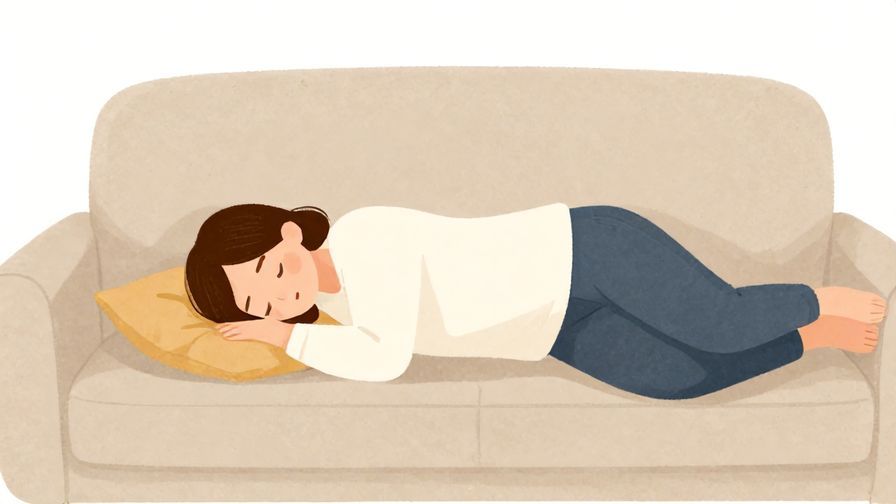
くたくた means “worn out” or “dead tired.”
When paired with だ (da), it simply means “I’m exhausted.”
It’s a great phrase to express both physical and mental tiredness.
Very natural and commonly used among friends or family.
It’s less about frustration and more about the fatigue that comes with stress.
Use this when you want to express that you’ve had enough and need rest.
6. お手上げだ (Oteage da) – “I give up.”

Literally meaning “hands up,” this phrase expresses giving up or being helpless.
お手上げ (Oteage) combines お (polite prefix), 手 (hand), and 上げ (raising).
It’s a casual way to say you’re overwhelmed and can’t solve the problem anymore.
It’s versatile and can be used in both personal and work situations.
It’s similar to saying “I throw in the towel.”
Perfect for expressing a final surrender when you’re truly at your limit.
7. もうダメだ (Mou dame da) – “It’s no good anymore.”

This phrase is a blunt way to say something has reached a hopeless state.
もう (Mou) means “already,” and ダメ (Dame) means “no good” or “useless.”
It’s casual and often shows emotional exhaustion.
Good for moments when you feel like you can’t fix or continue something.
Related phrases include もう終わり (Mou owari) meaning “It’s already over.”
Use it when you want to express that you’ve hit a dead end emotionally or practically.
8. 気力が尽きた (Kiryoku ga tsukita) – “My energy is drained.”

気力 (Kiryoku) means “mental energy” or “willpower,” and 尽きた (Tsukita) means “has run out.”
This phrase is more descriptive and slightly formal but still usable in casual settings.
It explicitly states your mental or emotional energy is gone.
Great for expressing deep exhaustion beyond just physical tiredness.
Use this when you want to sound reflective or serious about your limits.
It’s a great phrase to add to your vocabulary for expressing emotional fatigue.
Part 2: Polite & Formal Suggestions
9. もう耐えられません (Mou taeraremasen) – “I can’t endure anymore.”

This is a polite and formal way to say you can’t take it any longer.
耐えられません (Taeraremasen) is the negative potential form of 耐える (Taeru), meaning “to endure.”
It’s perfect for professional or respectful situations.
You can use it when speaking to superiors or in formal conversations.
It conveys seriousness without sounding too emotional or casual.
Try this one when you want to politely communicate your breaking point.
10. 限界に達しました (Genkai ni tasshimashita) – “I have reached my limit.”

A formal way to say you’ve reached your limit.
達しました (Tasshimashita) is the polite past form of 達する (Tassuru), meaning “to reach.”
This phrase is often used in official or business contexts.
It’s a respectful and clear way to express your limits without sounding dramatic.
Combine it with an explanation for a professional tone.
It’s a great phrase when you want to communicate stress respectfully.
11. もうこれ以上は無理です (Mou kore ijou wa muri desu) – “I can’t do any more than this.”

This phrase politely expresses that you cannot handle any more.
これ以上 (Kore ijou) means “any more than this,” and 無理です (Muri desu) means “it’s impossible.”
It’s clear and respectful, useful in both workplace and polite social settings.
Helps to set boundaries while keeping a professional tone.
Try pairing it with a request for help or a break.
It’s a useful phrase for serious conversations about workload or stress.
12. もう疲れました (Mou tsukaremashita) – “I’m tired now.”

A polite way to say you’re tired or exhausted.
疲れました (Tsukaremashita) is the polite past form of 疲れる (Tsukareru), meaning “to be tired.”
It’s simple and widely understood in formal and casual contexts.
Use it when you want to politely express your fatigue without sounding too emotional.
Can be combined with a request for rest or understanding.
It’s a versatile phrase that fits many situations.
13. 心が折れそうです (Kokoro ga oresou desu) – “My heart/mind feels like it’s breaking.”
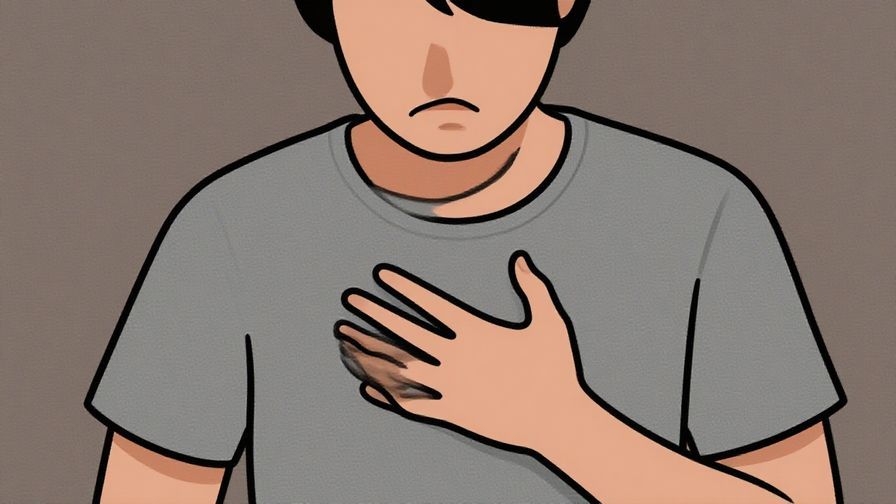
This is a poetic and formal way to say you feel emotionally broken.
心 (Kokoro) means “heart” or “mind,” 折れそう (Oresou) means “about to break.”
It conveys deep emotional pain or frustration.
Use it in serious conversations where you want to express vulnerability respectfully.
It’s less common in casual talk but powerful when used appropriately.
Great for writing or heartfelt speech.
14. 精神的に限界です (Seishinteki ni genkai desu) – “I’m mentally at my limit.”
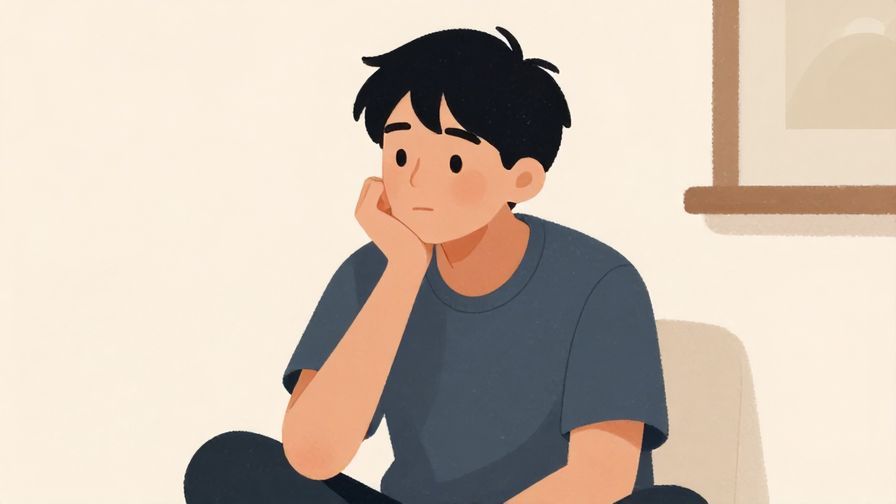
This phrase specifically points to mental or emotional limits.
精神的に (Seishinteki ni) means “mentally,” 限界です (Genkai desu) means “at my limit.”
It’s formal and clear, perfect for serious discussions about mental health or stress.
Use it to communicate your state honestly and politely.
It helps others understand the nature of your exhaustion.
Pair it with requests for support or advice.
15. これ以上は耐えられません (Kore ijou wa taeraremasen) – “I can’t endure beyond this.”

Another formal way to express reaching your endurance limit.
これ以上 (Kore ijou) means “beyond this,” and 耐えられません (Taeraremasen) means “cannot endure.”
It’s polite and suitable for use in professional or serious private conversations.
Helps to communicate your breaking point clearly.
It’s a phrase that shows respect and honesty.
Use it when you want to set firm boundaries with tact.
16. 疲弊しています (Hihei shiteimasu) – “I’m exhausted to the point of collapse.”

疲弊 (Hihei) means “exhaustion” or “weariness” to an extreme degree.
している (shiteiru) is the continuous form meaning “am doing.”
This phrase is formal and conveys deep fatigue.
Use it in writing or serious conversations about your condition.
It’s a strong way to say you’re completely drained.
Good for medical or work-related discussions about stress.
Part 3: Very Casual / Native-like Expressions
17. もうお手上げ (Mou oteage) – “I’m totally done for.”

A casual, native-like way to say you’ve given up.
もう (Mou) means “already,” and お手上げ (Oteage) means “hands up” or surrender.
This phrase often has a lighthearted or humorous tone.
Use it with friends to express playful defeat.
It’s great for venting without being too heavy.
Try it when you want to keep the mood light despite stress.
18. もう終わりだ (Mou owari da) – “It’s all over now.”
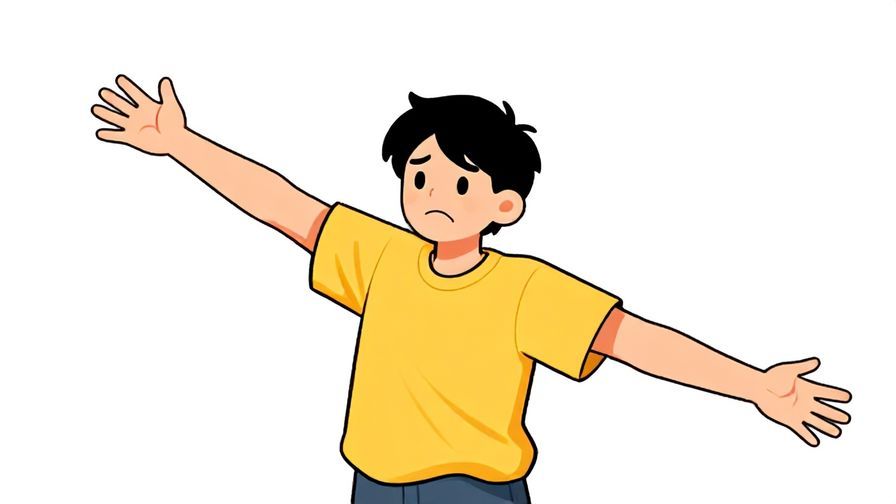
A dramatic way to say you’ve reached the end.
終わり (Owari) means “end,” and だ (da) is a casual declarative.
Often used jokingly but can express real frustration.
It’s a phrase native speakers use for emphasis.
Use it when you want to express finality strongly but casually.
Great for conversations with close friends.
19. もうダウン (Mou daun) – “I’m down for the count.”
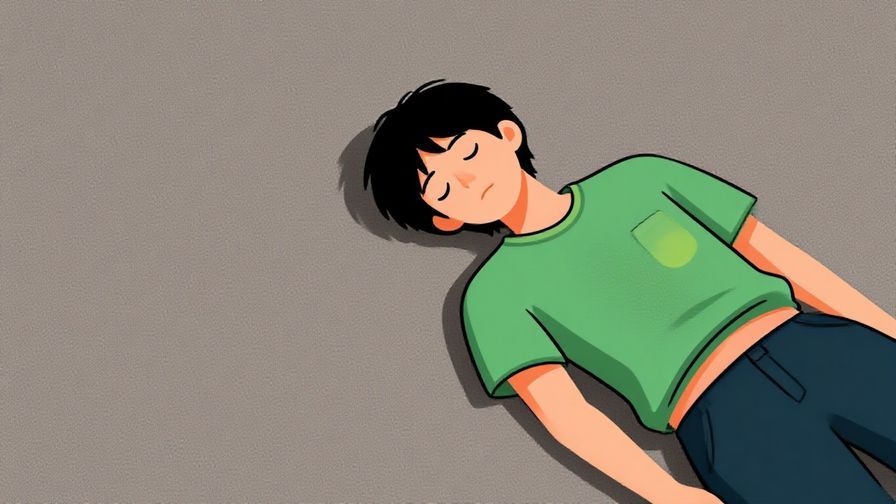
Borrowed from English “down,” used casually to mean you’re out of commission.
もう (Mou) means “already.”
It’s a slangy, native-like way to show you’re completely wiped out.
Common among younger speakers or in informal settings.
Use it to sound trendy and relatable.
Perfect for texting or casual chats.
20. もうギブアップ (Mou gibu appu) – “I give up already.”

Another English loan phrase, ギブアップ (gibu appu) means “give up.”
It’s casual and widely understood in Japan.
Perfect for expressing light-hearted surrender.
Use it with friends or coworkers to keep things informal.
It has a fun, approachable vibe.
Try it when you want to say you’re done without being too serious.
21. もうクタクタ (Mou kutakuta) – “I’m totally wiped out.”
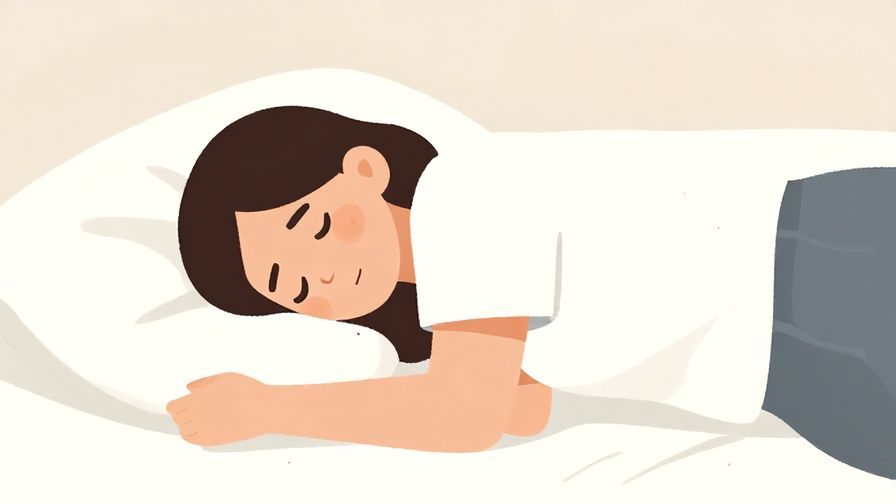
Very casual way to say you’re exhausted.
くたくた (Kutakuta) is onomatopoeic for being completely worn out.
もう (Mou) adds the sense of “already.”
Great for casual conversations with friends and family.
Expresses fatigue without drama.
Use it when you want to sound natural and relatable.
22. 持ちこたえられない (Mochikotaerarenai) – “I can’t hold on anymore.”
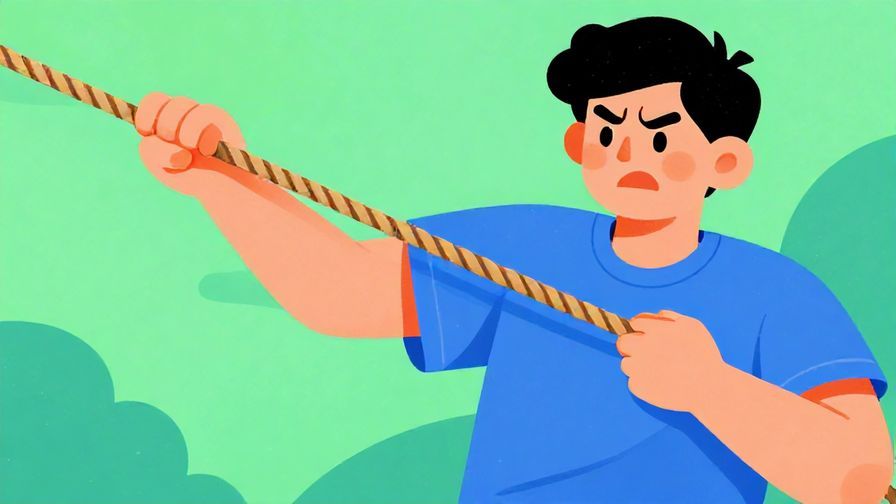
This phrase literally means you can’t “hold on” anymore.
持ちこたえる (Mochikotaeru) means “to hold out” or “to endure,” and the negative form shows inability.
It’s casual but vivid and expressive.
Great for showing you’re at your physical or mental limit.
Use it when you want to convey the feeling of being just about to give up.
This phrase paints a clear image of struggling to keep going.
Concluding Thought
Exploring these 22 Japanese expressions gives you a versatile toolkit to express those moments when you feel like you’re at the end of your rope.
Whether you want to be casual, formal, poetic, or native-like, there’s a phrase here to fit your mood and situation.
Remember, sharing your feelings is a powerful step—and now you can do it in Japanese with confidence and style!