22 Japanese ways to say “I’m at my limit
We all hit our limits sometimes. Whether it’s work, school, or just life piling up, knowing how to express that feeling in Japanese can be super helpful.
Japanese has a variety of ways to say “I’m at my limit,” each with its own nuance and vibe. Some are casual, some polite, and some just downright natural!
Understanding these expressions can help you connect better with native speakers and express yourself more clearly when things get tough.
In this listicle, we’ll explore 22 different Japanese phrases you can use to say “I’m at my limit,” from casual to formal and everything in between.
You’ll also get handy pronunciation guides so you can say these phrases with confidence.
Ready to expand your Japanese emotional vocabulary? Let’s dive in!
Understanding the Contexts
Before jumping into the phrases, it’s good to know when and how to use them.
Some expressions are perfect for close friends, while others suit work or formal situations. Knowing the context helps you avoid awkward moments and sound natural.
Also, learning a few polite phrases can boost your confidence in more serious or professional settings.

Sometimes, using a great beginner phrasebook can give you a perfect starting point for a cohesive understanding.
Knowing your audience is key when expressing limits.
With practice, these phrases will flow naturally in your conversations.
Part 1: Casual Suggestions
1. もう無理 (Mou muri) – “I can’t anymore.”

This is one of the most straightforward ways to say you’re at your limit.
もう (Mou) means “already” or “anymore,” and 無理 (Muri) means “impossible” or “unreasonable.” Together, it conveys “I can’t do it anymore.”
It’s perfect for casual talks with friends or family when you feel overwhelmed.
Simply saying “もう無理” clearly shows your fatigue or frustration.
You can also add だ (da) at the end for emphasis: もう無理だ (Mou muri da).
Remember, it’s casual, so avoid using this in formal situations.
2. 限界だよ (Genkai da yo) – “I’m at my limit.”

限界 (Genkai) means “limit” or “boundary.”
Adding だよ (da yo) makes it informal and expressive.
This phrase is great when you want to clearly state that you’ve reached your breaking point.
It’s casual but more specific than just saying もう無理.
Perfect for venting to close friends or when you want to be a bit dramatic.
For example, after a long day, you might say, “今日、限界だよ!” (Kyou, genkai da yo!) meaning “Today, I’m at my limit!”
3. もう限界 (Mou genkai) – “I’m already at my limit.”

Combining もう (already) with 限界 (limit) intensifies the feeling.
This phrase is casual and often used when you feel completely done with a situation.
It’s simple, honest, and easy to remember.
Use it with friends or family when you want to express you’ve hit a wall.
It’s a more emphatic way than just 限界だよ.
Try it next time you feel drained and need to express it plainly.
4. もうダメ (Mou dame) – “It’s no good anymore.”

ダメ (Dame) means “no good” or “hopeless.”
Adding もう (already) shows you’ve given up or can’t continue.
This casual phrase is like saying “I’m done” in English.
It’s often used when you realize continuing is pointless or too hard.
Use with close friends when you want to sound a bit playful but serious.
Be mindful not to overuse it to avoid sounding like you give up too easily.
5. 参った (Maita) – “I’m beaten.”

参る (Mairu) literally means “to be defeated” or “to give up.”
In casual speech, 参った (Maita) is used to express that you’re overwhelmed or at your wit’s end.
It’s a humble way to admit you’re stuck or can’t handle something anymore.
Perfect for informal situations when you want to admit defeat without sounding harsh.
Try it when a task or situation really wears you down.
It shows vulnerability, which can build rapport in casual talks.
6. ギブアップ (Gibu appu) – “Give up.”

This is the English phrase “give up” borrowed into Japanese.
Used casually, it clearly states you’re done trying.
It’s easy to say and instantly understood, especially among younger speakers.
Because it’s borrowed, it fits naturally in casual and semi-formal settings.
Just be careful not to use it too often, as it might sound too abrupt.
It’s a fun phrase to add when you want to mix languages.
7. 限界突破 (Genkai toppa) – “Breaking my limit.”
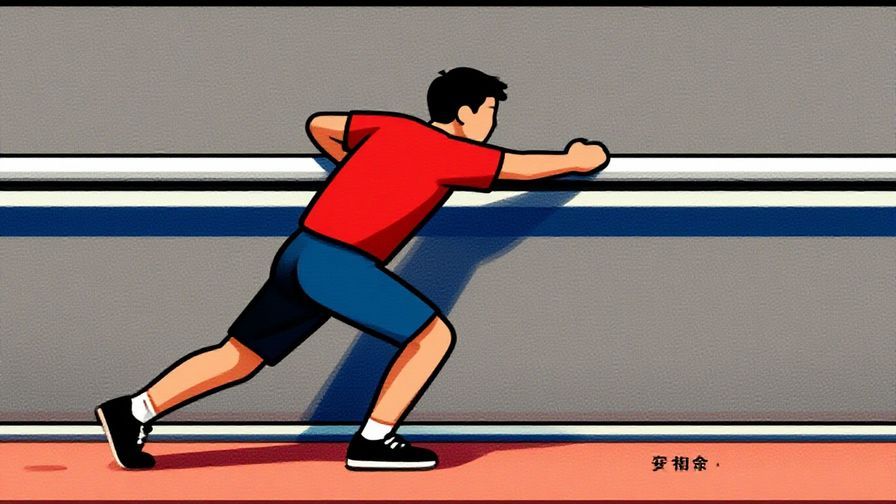
限界 (Limit) + 突破 (Breakthrough) means pushing beyond your limits.
This phrase shows you’ve hit your limit but are trying to overcome it.
It’s more motivational than just admitting defeat.
Great for expressing struggle and determination simultaneously.
Use it when you’re exhausted but still pushing forward.
It’s a bit dramatic, perfect for storytelling or sharing your effort.
8. もう限界かも (Mou genkai kamo) – “I might be at my limit.”

Adding かも (kamo) softens the statement, making it less definite.
It’s useful when you feel near your limit but aren’t 100% sure.
This phrase sounds more thoughtful and less blunt.
Perfect for conversations where you want to hint at your feelings gently.
It’s a great way to express vulnerability without sounding too negative.
Try it with friends who understand your mood.
Part 2: Polite & Formal Suggestions
9. もう限界です (Mou genkai desu) – “I am at my limit.”

This is the polite form of “I’m at my limit.”
Using です (desu) makes the phrase suitable for work or formal conversations.
It clearly communicates your state without being rude or too casual.
Perfect when talking to colleagues, bosses, or people you don’t know well.
Keep your tone calm to maintain professionalism.
You can pair it with a soft smile to show you’re managing despite the limits.
10. これ以上は難しいです (Kore ijou wa muzukashii desu) – “Anything beyond this is difficult.”

This phrase politely says you can’t do more.
これ以上 (Kore ijou) means “more than this,” 難しい (muzukashii) means “difficult.”
It’s a gentle way to set a boundary without sounding negative.
Useful in formal emails or meetings when you want to express limits tactfully.
It shows respect while being honest about your capacity.
Try it next time you need to say “I’m at my limit” professionally.
11. 体力の限界です (Tairyoku no genkai desu) – “My physical strength has reached its limit.”

体力 (Tairyoku) means “physical strength,” and 限界 (genkai) means “limit.”
This phrase is polite and specific, great for talking about exhaustion.
It’s useful if you want to explain that you’re physically spent.
Good for gym, sports, or health-related conversations.
You can use it formally with the です (desu) ending.
It shows you recognize your body’s limits respectfully.
12. 精神的に限界です (Seishinteki ni genkai desu) – “I’m at my mental limit.”

精神的に (Seishinteki ni) means “mentally” or “psychologically.”
Adding 限界です (genkai desu) politely states you’re mentally overwhelmed.
It’s a respectful way to express emotional fatigue.
Use it in serious conversations or when seeking understanding.
It can open doors for support or help when said sincerely.
Try pairing it with a calm tone and open body language.
13. もうこれ以上は無理です (Mou kore ijou wa muri desu) – “I can’t go any further.”

This is a formal and clear way to say you’ve reached your limit.
これ以上 (kore ijou) means “anymore,” 無理 (muri) means “impossible.”
It’s a bit stronger than some polite phrases but still respectful.
Good for serious talks where you want to emphasize your limit.
Use it with people who understand the gravity of your words.
It’s a useful phrase for work, school, or health discussions.
14. これ以上頑張れません (Kore ijou ganbaremasen) – “I can’t keep going any further.”

頑張れません (ganbaremasen) means “can’t keep trying.”
This phrase politely communicates that your effort has reached its limit.
It’s softer than some expressions, showing you tried but can’t continue.
Use it in polite conversations when you want to be honest but gentle.
It’s great for explaining limits without sounding negative.
Try it in emails or conversations to be clear and respectful.
15. 限界を感じています (Genkai o kanjiteimasu) – “I feel I’m at my limit.”

感じています (kanjiteimasu) means “I am feeling.”
This phrase politely expresses your current state of being at your limit.
It’s reflective and less blunt, good for professional or serious situations.
You can use it to start a conversation about your limits.
It invites empathy without sounding demanding.
Perfect for expressing emotions carefully in formal contexts.
16. これで限界です (Kore de genkai desu) – “This is my limit.”

A firm but polite way to set a boundary.
これで (kore de) means “with this” or “at this point.”
This phrase clearly states you cannot go beyond here.
Good for firm but respectful communication.
Use it when you need to assert your limits without sounding rude.
It’s effective in workplace or formal settings.
Part 3: Very Casual / Native-like Expressions
17. もうギブ (Mou gibu) – “I’m done.”

Shortened form of ギブアップ, very casual and popular among younger people.
It’s relaxed and often used in informal conversations or online.
Great for texting or chatting with friends when you feel done.
It’s easy to say and sounds natural.
Try it when you want to express limits in a lighthearted way.
Just avoid formal settings with this.
18. もう限界っす (Mou genkai ssu) – “I’m at my limit.”

Adding っす (ssu) makes the phrase very casual and slangy.
Used mostly by young men in informal speech.
It’s a more laid-back way to admit you’re at your limit.
Perfect among close friends or in relaxed settings.
It’s not suitable for professional or formal use.
Use it to sound like a native speaker in casual chats.
19. もうお手上げ (Mou oteage) – “I give up.”

お手上げ (Oteage) literally means “hands up,” signaling surrender.
Adding もう shows you’re done trying.
This is a very natural, casual way to admit defeat or exhaustion.
It’s often used playfully but with honest feeling.
Great for conversations with friends or when joking about being overwhelmed.
It’s a friendly, relatable phrase.
20. もう限界っぽい (Mou genkai ppoi) – “I feel like I’m at my limit.”

っぽい (ppoi) means “like” or “seems.”
This phrase adds a casual, less definite feel to stating limits.
It’s perfect when you’re unsure but leaning toward feeling overwhelmed.
Used often in casual daily conversations.
It softens the statement and makes it more conversational.
Great for sounding natural and relatable.
21. もう限界だわ (Mou genkai da wa) – “I’m at my limit.” (female casual)

だわ (da wa) is a casual feminine sentence ending.
This phrase is often used by women to express limits with a soft tone.
It’s casual, expressive, and natural in female speech.
Try it with friends or in informal settings.
It carries a gentle emotional nuance.
Perfect for sounding native-like and warm.
22. もう限界に達してる (Mou genkai ni tasshiteru) – “I have reached my limit.”
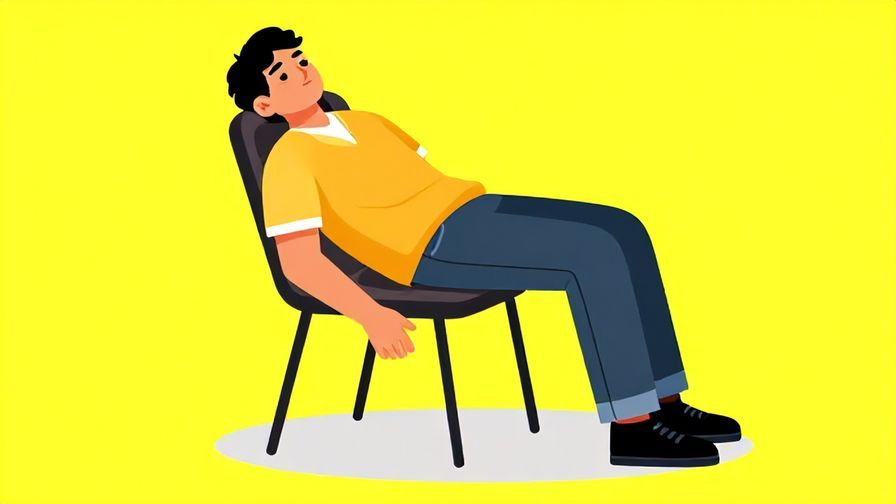
達してる (tasshiteru) means “have reached.”
This phrase is slightly more descriptive and natural sounding.
It’s casual but can be used in many contexts.
Good for emphasizing that you’ve hit the limit fully.
It sounds native and clear.
Use it when you want to express total exhaustion or overwhelm.
Concluding Thought
Expressing that you’re at your limit is something everyone experiences, and having the right words helps you communicate honestly and clearly.
From casual chats to formal talks, these 22 Japanese phrases cover a wide range of situations and feelings.
Keep practicing, and soon you’ll be able to share your limits with warmth and authenticity in Japanese. Ganbatte!