22 Japanese ways to say “Ignorance is bliss”
Ever heard the phrase “Ignorance is bliss” and wondered how to say it in Japanese? You’re in the right place!
Sometimes, not knowing everything can actually make life a little easier and happier. It’s a comforting thought, isn’t it?
Japanese has so many beautiful and nuanced ways to express this idea, whether casually or formally.
In this list, we’ll explore 22 different Japanese phrases and expressions that capture the spirit of “Ignorance is bliss” in warm, relatable ways.
Whether you’re learning Japanese or just love the culture, these expressions will add some fun and depth to your language toolkit.
Ready to dive in? Let’s explore these phrases and their meanings together!
Why These Phrases Matter
Understanding how people express “Ignorance is bliss” in Japanese opens a window into how the culture views knowledge, happiness, and peace of mind.
These expressions vary from casual to poetic, showing just how rich and flexible the language can be.
Getting familiar with these will not only boost your vocabulary but also your appreciation for subtlety in communication.
Sometimes, having a handy Japanese idioms and phrasebook can really help you understand these expressions in context.
These phrases are easy to practice and remember, making your learning journey even more enjoyable.
And the best part? You’ll sound more natural and native-like when you use them!
Part 1: Casual Suggestions
1. 知らぬが仏 (Shiranu ga hotoke) – “Not knowing is Buddha”

This is the classic Japanese equivalent of “ignorance is bliss.”
“知らぬ (Shiranu)” means “not knowing,” and “仏 (Hotoke)” refers to Buddha, symbolizing peace and enlightenment.
So the phrase suggests that not knowing something can bring you peace, like Buddha’s calmness.
It’s a great phrase to use in informal conversations when you want to express that sometimes it’s better not to know.
Related phrases include “知らない方がいい (Shiranai hou ga ii),” meaning “better not to know.”
Keep this one in your back pocket for when ignorance truly feels like a blessing!
2. 知らなければ幸せ (Shiranakereba shiawase) – “If you don’t know, you’re happy”
This phrase is straightforward and casual, perfect for everyday use.
“知らなければ (Shiranakereba)” means “if you don’t know,” and “幸せ (Shiawase)” means “happiness.”
It’s a simple way to say that sometimes not knowing keeps you happy.
Great for lighthearted chats or when joking about avoiding bad news.
A quick tip: use this phrase when you want to gently imply it’s better to stay in the dark.
It’s a neat phrase to remind yourself or friends that some knowledge can spoil joy.
3. 知らなきゃよかった (Shiranakya yokatta) – “I wish I hadn’t known”

This is a more emotional way to express regret about gaining knowledge.
“知らなきゃ (Shiranakya)” is a casual negative form of “know,” and “よかった (Yokatta)” means “would have been better.”
It’s perfect for sharing moments when you feel some information spoiled your peace.
Use it when you want to empathize with someone or admit your own “ignorance was better” moment.
It also works well in storytelling or casual conversation.
Keep this phrase handy for those moments of wistful wishing!
4. 知らないほうが楽 (Shiranai hou ga raku) – “Not knowing is easier”

This casual phrase highlights how ignorance can relieve stress.
“楽 (Raku)” means “easy” or “comfortable,” so the phrase means “it’s easier not to know.”
It’s great to use when discussing complicated or troubling topics that are better left unknown.
Try this phrase to express a laid-back attitude about avoiding stressful information.
People often say this when they want to take a mental break.
It’s a realistic and relatable way to say ignorance can bring ease.
5. 知らずに幸せ (Shirazu ni shiawase) – “Happiness without knowing”

This phrase paints ignorance as a source of pure happiness.
“知らずに (Shirazu ni)” means “without knowing,” and “幸せ (Shiawase)” means “happiness.”
It’s poetic and works well in writing or gentle conversation.
Use this phrase to express a blissful, carefree state of mind.
It’s a beautiful way to say sometimes not knowing allows us to enjoy life fully.
Perfect for moments when ignorance truly feels like a gift.
6. 知らない方がいいこともある (Shiranai hou ga ii koto mo aru) – “Sometimes it’s better not to know”

This is a handy phrase for expressing that ignorance can be beneficial in certain cases.
“こともある (Koto mo aru)” means “there are also times,” adding nuance.
Use it in conversations to soften statements about ignorance.
It’s a gentle way of saying ignorance isn’t always bad.
Good for explaining why sometimes knowing too much can be harmful.
Try it out when discussing tricky or sensitive topics.
7. 気にしないで (Ki ni shinai de) – “Don’t worry about it”

While not a direct translation, this phrase captures the spirit of ignoring troubling info for peace of mind.
“気にしないで (Ki ni shinai de)” means “don’t mind” or “don’t worry.”
It’s casual and very useful in everyday speech.
You can use it to suggest someone let go of worrying about something unknown.
It’s a friendly, empathetic way to promote a blissful ignorance.
Try this phrase when you want to encourage lightheartedness.
8. 知ると損 (Shiru to son) – “Knowing is a loss”

This is a slangy, casual phrase that means “sometimes knowing just brings trouble.”
“損 (Son)” means “loss” or “disadvantage.”
Use it to express mild frustration with unwelcome knowledge.
It’s a fun phrase to use with friends when joking about bad news.
It’s a good reminder that some things are better left unknown.
Perfect for informal conversations where you want to keep it light.
Part 2: Polite & Formal Suggestions
9. 知らなければ心安らか (Shiranakereba kokoro yasuraka) – “If you don’t know, your heart is at peace”

This elegant phrase emphasizes peace of mind through ignorance.
“心安らか (Kokoro yasuraka)” means “peaceful heart.”
It’s perfect for formal or written settings.
Use it to convey the idea that ignorance grants emotional calm.
It’s often used in philosophical or thoughtful conversations.
Great for sounding polite yet profound.
10. 無知は幸福なり (Muchi wa kōfuku nari) – “Ignorance is happiness”
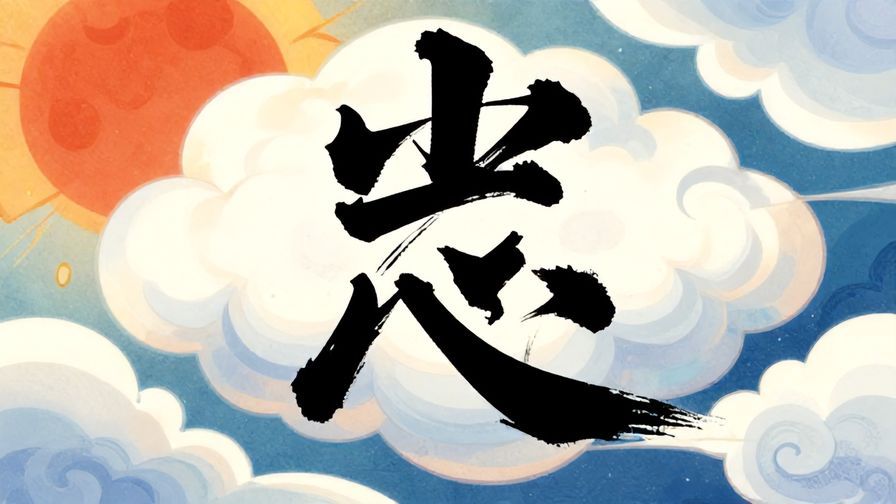
This is a more classical, literary way to say “ignorance is bliss.”
“無知 (Muchi)” means “ignorance,” and “幸福 (Kōfuku)” means “happiness.”
“なり (Nari)” is a formal copula similar to “is.”
Perfect for essays or thoughtful reflections.
It sounds sophisticated and is great for advanced learners.
Use it to impress or deepen a conversation.
11. 知らないことが幸せの秘訣 (Shiranai koto ga shiawase no hiketsu) – “Not knowing is the secret to happiness”

This phrase suggests that bliss comes from not knowing everything.
“秘訣 (Hiketsu)” means “secret” or “key.”
It’s a bit poetic and works well in speeches or writing.
Use it to express a philosophical idea gently.
It’s a positive and hopeful way to frame ignorance.
Great for inspiring conversations.
12. 無知は安らぎ (Muchi wa yasuragi) – “Ignorance is tranquility”

This phrase highlights calmness gained through ignorance.
“安らぎ (Yasuragi)” means “tranquility” or “peace.”
It’s formal and poetic, fitting for literature or thoughtful talks.
Use it to express the soothing power of being unaware.
It’s a beautiful way to describe peaceful ignorance.
Perfect for reflective moments.
13. 知らないことが幸せである (Shiranai koto ga shiawase de aru) – “Not knowing is happiness”

This is a polite and clear way to say “ignorance is bliss.”
“である (De aru)” is a formal “is,” used in writing or speeches.
It’s straightforward and easily understood.
Use it in formal conversations or essays.
It’s a versatile phrase for many contexts.
Good for learners aiming for professionalism.
14. 知らない方が心が軽い (Shiranai hou ga kokoro ga karui) – “Not knowing makes the heart lighter”

This phrase focuses on emotional relief from ignorance.
“心が軽い (Kokoro ga karui)” means “heart is light.”
It’s polite but still conversational.
Use it to describe how not knowing can lift a burden.
It’s a warm, relatable expression.
Great for conversations about stress and peace.
15. 知らずにいるのが一番 (Shirazuni iru no ga ichiban) – “It’s best to stay unaware”

This phrase suggests that staying ignorant is the best option.
“一番 (Ichiban)” means “the best” or “number one.”
It’s a strong but polite statement.
Use it when emphasizing blissful ignorance.
It’s good for advice or reflections.
Try this phrase when you want to sound wise yet gentle.
16. 知らないことは強み (Shiranai koto wa tsuyomi) – “Not knowing is a strength”

This phrase flips ignorance into a positive trait.
“強み (Tsuyomi)” means “strength.”
It’s a polite, optimistic phrase.
Use it when you want to highlight benefits of not knowing everything.
It’s perfect for motivational talks or writing.
Great for adding a positive spin to the idea of ignorance.
Part 3: Very Casual / Native-like Expressions
17. 知らんがな (Shiran gana) – “I don’t know and don’t care”

This is a slangy, very casual phrase used to brush off knowledge.
“知らん (Shiran)” is a casual “don’t know,” and “がな (gana)” adds a rough emphasis.
It’s great for casual chats with friends.
Use it when you want to sound laid-back or indifferent.
Be careful; it’s informal and can sound blunt.
Perfect for expressing carefree ignorance.
18. 知らんぷり (Shiran puri) – “Pretending not to know”

This phrase means acting like you don’t know something.
“知らんぷり (Shiran puri)” literally means “pretending ignorance.”
It’s casual and often humorous.
Use it when joking about ignoring facts or situations.
It’s great for playful conversations.
A fun way to show selective ignorance.
19. 知らなかったことにする (Shiranakatta koto ni suru) – “Decide not to have known”

This expression means deliberately choosing to forget or ignore knowledge.
It’s casual and practical.
Use it when you want to express “pretending not to know” or moving on.
It’s a common phrase in everyday speech.
Good for moments when you want to discard troubling info.
Try it for a native-like touch.
20. 知らん顔 (Shiran kao) – “An ignorant face”

This phrase means acting like you don’t know something.
“顔 (Kao)” means “face,” so it literally means “ignorant face.”
It’s casual and often used when someone is avoiding involvement.
Use it to describe someone who’s pretending ignorance.
It’s handy in everyday conversation.
Great for describing social situations.
21. 知らんけど (Shiran kedo) – “I don’t know, though”

A popular phrase to soften a statement by admitting ignorance.
“けど (Kedo)” means “but” or “though.”
It’s casual and often used humorously.
Use it when you want to sound humble or playful about what you don’t know.
It’s widely used in everyday Japanese.
Perfect for casual chats and lighthearted talks.
22. 知らんふりするのが一番 (Shiran furi suru no ga ichiban) – “Pretending ignorance is best”

This phrase suggests the best approach is to act like you don’t know.
It’s very casual and native-like.
Use it when you want to advise someone to avoid trouble through ignorance.
It’s common in conversational Japanese.
Great for informal advice or jokes.
Use this to add a relaxed vibe to your speech.
Concluding Thought
Exploring these 22 Japanese ways to say “Ignorance is bliss” shows just how rich and varied the language can be.
From casual slang to formal expressions, each phrase carries its own subtle tone and cultural nuance.
Next time you want to express the charm of blissful ignorance, you’ll have plenty of warm, relatable ways to do it in Japanese!