22 Japanese ways to say “I will survive”
Life throws curveballs, but sometimes the best way to face them is with a simple phrase: “I will survive.”
Whether you’re learning Japanese or just want to express resilience in fresh ways, there are plenty of heartfelt expressions to choose from.
Japanese offers a rich palette of phrases that convey endurance, strength, and hope—each with its own nuance.
This list of 22 Japanese ways to say “I will survive” will warm your heart and boost your confidence.
Learning these expressions not only builds language skills but also deepens your connection to Japanese culture.
Let’s dive in and explore these powerful phrases together!
Expressing Survival in Japanese
When it comes to “I will survive,” Japanese speakers often use phrases that imply persistence, strength, and overcoming hardships.
Many expressions focus on the determination to keep going, reflecting the cultural value of gaman (endurance).
Understanding these will help you express your resilience in a way that feels natural and meaningful.
Sometimes, using a great beginner phrasebook can give you a perfect starting point for a cohesive understanding.
These phrases are easy to learn, and you can use them in daily conversation or personal reflection.
Remember, survival is more than just words—it’s a mindset you carry with you.
Part 1: Casual Suggestions
1. 頑張るよ (Ganbaru yo) – “I’ll do my best / I’ll hang in there.”

This is a classic phrase expressing your will to keep trying no matter what.
“Ganbaru” (頑張る, gan-bah-roo) means to persist or to do your best, while “yo” adds a friendly emphasis. It’s casual but powerful.
Use it when facing challenges or encouraging yourself or others.
It captures the spirit of survival through effort.
Related phrases like “Ganbatte!” (Good luck!) come from the same root.
Say it with a smile, and you’ll feel strength rising inside you.
2. 大丈夫、まだいける (Daijoubu, mada ikeru) – “It’s okay, I can still go on.”

This phrase reassures yourself that you’re still able to push forward.
“Daijoubu” (大丈夫, die-joh-boo) means “it’s okay” or “I’m fine,” and “mada ikeru” (まだいける, mah-dah ee-keh-roo) means “I can still go.”
It’s great for self-encouragement when tired or overwhelmed.
Keep it handy to remind yourself of your inner strength.
People often say this to calm themselves during tough times.
Using this phrase helps you stay positive and focused.
3. 生き抜く (Ikinuku) – “To survive through / to live through.”
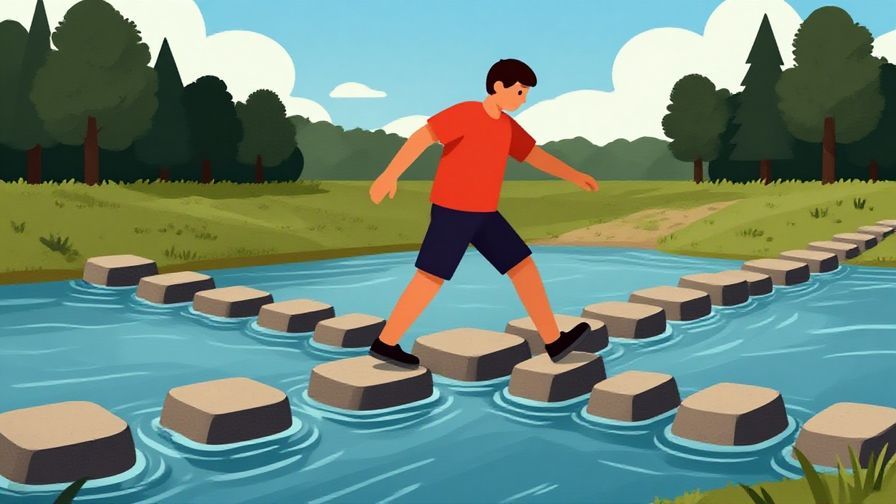
“Ikinuku” (生き抜く, ee-kee-nu-koo) is a strong verb meaning to survive or live through hardships.
It combines “ikiru” (to live) and “nuku” (to get through), emphasizing endurance.
This is perfect for describing tough survival, whether physical or emotional.
It’s a more literary or serious way to say you will survive.
Try it when telling stories of perseverance.
It’s a powerful phrase to remind yourself you can get through anything.
4. まだまだ負けない (Mada mada makenai) – “I still won’t lose.”

This phrase expresses defiance and determination to keep fighting.
“Mada mada” (まだまだ, mah-dah mah-dah) means “still” or “not yet,” and “makenai” (負けない, mah-keh-nai) means “won’t lose.”
It’s casual but really motivational.
Use it when you want to declare your willpower.
It’s often used in sports or competitive situations but fits survival too.
Perfect for when you want to hype yourself up.
5. なんとかなる (Nantoka naru) – “Somehow, I’ll make it.”

This is a hopeful phrase that means “things will work out somehow.”
“Nantoka” (なんとか, nahn-toh-kah) means “somehow,” and “naru” (なる, nah-roo) means “to become” or “to turn out.”
It’s casual, optimistic, and comforting.
Great for when you’re uncertain but confident in your resilience.
It reflects a carefree but strong attitude toward survival.
Use it to keep faith in tough situations.
6. まだまだ頑張れる (Mada mada ganbareru) – “I can still keep going.”
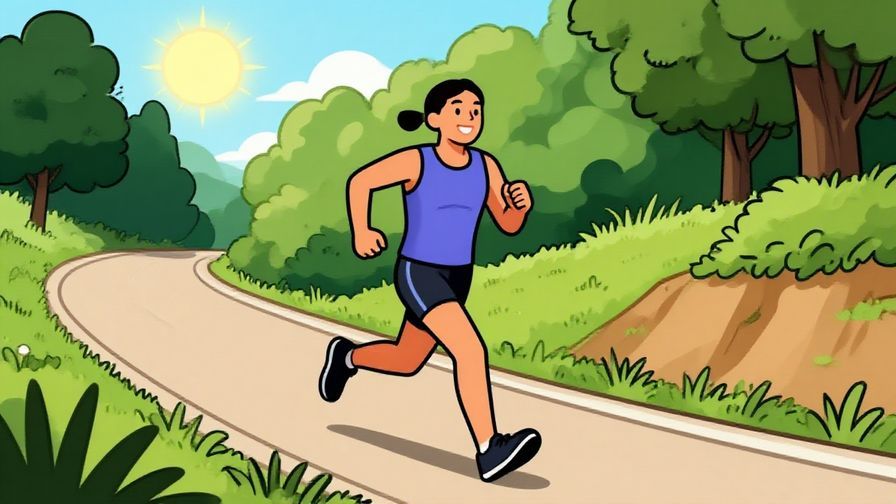
This phrase is a step up from “ganbaru,” showing ongoing strength.
“Ganbareru” is the potential form of “ganbaru,” meaning “can do one’s best.”
“Mada mada” again means “still.”
It’s great when you want to express stamina and determination.
Use it to tell yourself that your energy has not run out.
It’s a relatable, encouraging phrase for everyday life.
7. 乗り越えるよ (Norikoeru yo) – “I will overcome this.”

“Norikoeru” (乗り越える, no-ree-koh-eh-roo) means “to overcome” or “get over.”
Adding “yo” adds a friendly assurance.
This phrase is proactive and full of resolve.
It’s perfect when facing a big challenge.
Use it to affirm your ability to surpass difficulties.
It’s a hopeful way to say “I will survive.”
8. 踏ん張る (Funbaru) – “To hold on / to brace yourself.”
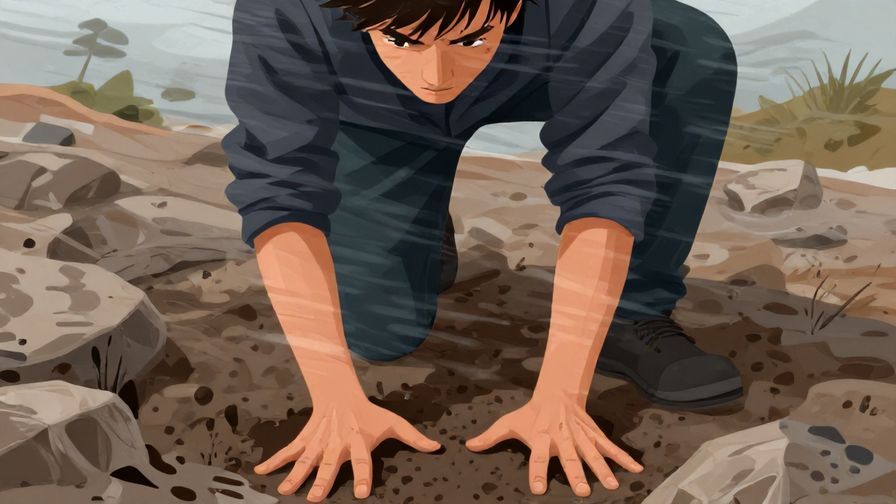
“Funbaru” (踏ん張る, foon-bah-roo) means to brace yourself or hold your ground.
It implies physical and mental strength to withstand tough times.
It’s a common word for survival in adversity.
Use it when you want to express grit and tenacity.
It’s a vivid way to say “I won’t give up.”
Remember it as “stomping your feet to stay strong.”
Part 2: Polite & Formal Suggestions
9. 私は生き残ります (Watashi wa ikinokorimasu) – “I will survive.”

This is the polite and straightforward way to say “I will survive.”
“Watashi” (私, wah-tah-shee) means “I,” “wa” marks the topic, and “ikinokorimasu” (生き残ります, ee-kee-no-ko-ree-mahss) is the polite form of “to survive.”
It’s perfect for formal conversations or writing.
Use it when you want to sound respectful and clear.
It’s less emotional but very precise.
Great for official or serious contexts.
10. 何とか生き延びます (Nantoka ikinobimasu) – “Somehow, I will survive.”

This is a polite way to combine “nantoka” (somehow) with “ikinobimasu” (to survive/endure politely).
It shows humility and perseverance.
Perfect for formal or semi-formal situations.
It’s a subtle but confident declaration of survival.
Using “ikinobimasu” adds softness and grace.
Good for expressing quiet strength.
11. 困難を乗り越えます (Konnan o norikoemasu) – “I will overcome difficulties.”

Here, “konnan” (困難, kon-nahn) means “difficulties,” and “norikoemasu” (乗り越えます, no-ree-koh-eh-mahss) is the polite form of “to overcome.”
This phrase is perfect for formal or motivational speeches.
It clearly states you will get past hardships.
Use it to express resolve respectfully.
It’s useful for professional or serious contexts.
It sounds strong without being forceful.
12. まだ頑張れます (Mada ganbaremasu) – “I can still do my best.”

“Ganbaremasu” is the polite potential form of “ganbaru.”
“Mada” means “still,” so together it means “I can still try hard.”
This is a humble yet positive way to express survival.
Great for workplace or polite conversations.
It shows endurance with respect.
It’s encouraging without being overly casual.
13. 諦めません (Akiramemasen) – “I won’t give up.”

“Akiramemasen” (諦めません, ah-kee-rah-meh-mah-sen) means “I won’t give up” in polite negative form.
It’s a strong declaration of survival through refusal to quit.
Use it in formal or emotional moments.
It’s straightforward and inspiring.
Great phrase to remind yourself of your strength.
It’s a powerful survival mantra.
14. 立ち向かいます (Tachimukaimasu) – “I will face (it) head-on.”
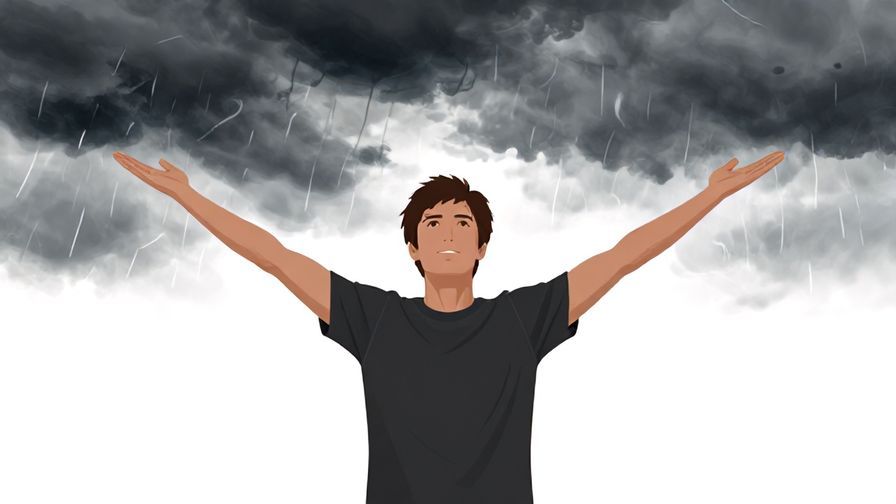
“Tachimukau” (立ち向かう, tah-chee-moo-kah-oo) means to confront or face something bravely.
Polite form “tachimukaimasu” expresses a determined will to face challenges.
It’s a strong phrase for formal settings.
Use it to communicate courage and survival.
It implies active resistance, not just endurance.
Perfect for speeches or written encouragement.
15. 忍びます (Shinobimasu) – “I will endure / persevere.”

“Shinobu” (忍ぶ, shee-noh-boo) means to endure or persevere quietly.
“Shinobimasu” is the polite form.
This phrase highlights silent, patient survival.
It’s great for formal or poetic use.
It carries a sense of inner strength and calm.
Use it when you want to express quiet resilience.
16. 希望を捨てません (Kibou o sutemasen) – “I won’t give up hope.”

“Kibou” (希望, kee-boh) means “hope,” and “sutemasen” (捨てません, soo-teh-mah-sen) means “won’t throw away.”
Together, it expresses a formal commitment to hope.
It’s a beautiful phrase for encouraging survival.
Perfect for speeches or heartfelt letters.
It conveys optimism and determination.
Use it to inspire yourself and others.
Part 3: Very Casual / Native-like Expressions
17. まだイケる (Mada ikeru) – “I can still make it.”

This is a very casual and modern way to say “I can still manage.”
“Ikeru” (いける, ee-keh-roo) is slangy for “can go” or “can do it.”
“Mada” means “still.”
Use it among friends or in informal talk.
It sounds upbeat and confident.
Great for casual survival talk.
18. しぶとく生きる (Shibutoku ikiru) – “I’ll live stubbornly.”
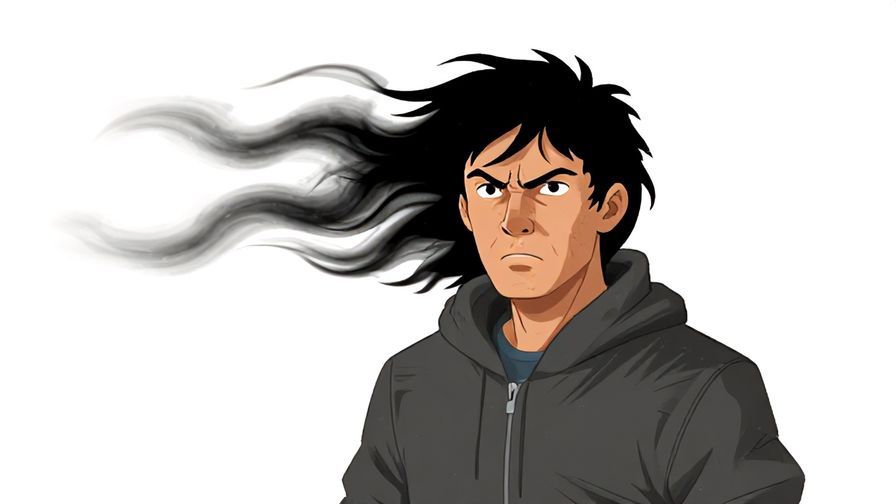
“Shibutoku” (しぶとく) means stubbornly or tenaciously, and “ikiru” means to live.
This phrase conveys gritty survival with attitude.
It’s very native and casual.
Great for expressing tough-minded persistence.
Use it when you want to show unyielding spirit.
A fun phrase to boost your fighting spirit.
19. まだまだやれる (Mada mada yareru) – “I can still do more.”

“Yareru” (やれる, yah-reh-roo) means “can do,” and “mada mada” means “still more.”
This phrase is casual and optimistic.
It implies you haven’t reached your limit yet.
Use it to hype yourself or friends.
It’s a native, upbeat way to say “I will survive.”
Perfect for casual motivation.
20. まだ死なない (Mada shinanai) – “I’m not dead yet.”

This is a humorous, very casual way to say you’re still surviving.
“Shinanai” (死なない, shee-nah-nai) means “not die.”
It’s informal and playful.
Use it with close friends or in lighthearted moments.
It’s a fun way to show toughness.
Great for raising spirits when things are tough.
21. まだまだ踏ん張る (Mada mada funbaru) – “I’ll keep holding on.”
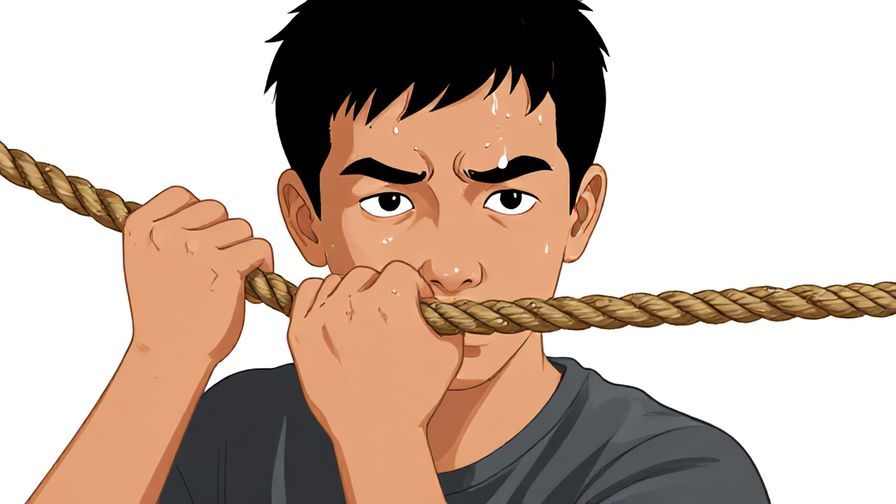
Adding “mada mada” to “funbaru” intensifies the meaning.
It’s a native expression of continued endurance.
Use it casually to affirm survival spirit.
It’s relatable and motivational.
Perfect for everyday struggles.
Remind yourself you’re stronger than you think.
22. 生きてやる (Ikite yaru) – “I’ll live, no matter what.”
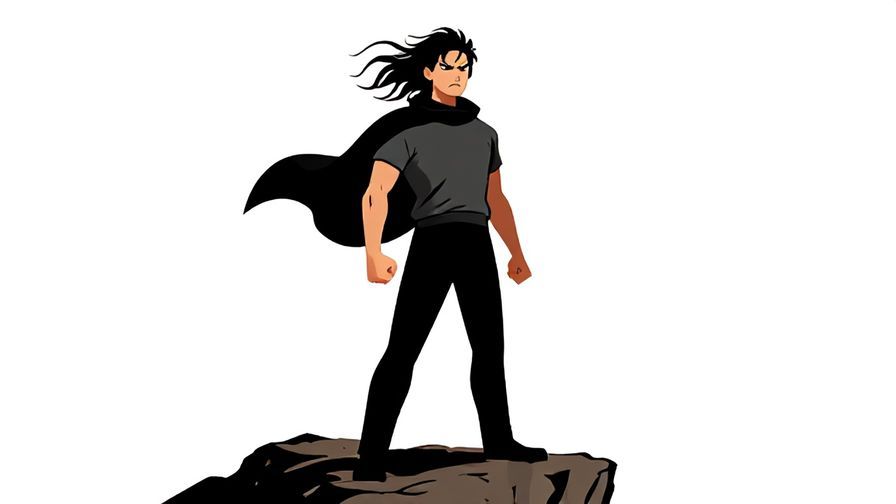
“Ikite yaru” (生きてやる, ee-kee-teh yah-roo) is a very casual, tough-sounding phrase.
“Iku” means “to live,” and “yaru” adds a strong “I will do it” tone.
This phrase screams defiance and survival.
It’s perfect for emotional, raw moments.
Use it when you want to show you’re fighting with everything you have.
A powerful way to say “I will survive” with attitude.
Concluding Thought
Exploring these 22 ways to say “I will survive” in Japanese shows us the rich emotional landscape behind simple words.
From casual encouragement to formal declarations, each phrase offers a unique way to express resilience and hope.
Whichever you choose, remember that survival is not just about words—it’s about the spirit you carry every day. がんばってね!