22 Japanese ways to say “I will persist”
When life gets challenging, sometimes all we need is a little extra encouragement to keep going. In Japanese, there are so many beautiful and nuanced ways to express the idea of “I will persist.”
Whether you want to sound casual, polite, or deeply motivated, Japanese offers phrases that fit every mood.
Exploring these expressions not only improves your language skills but also connects you to a mindset of perseverance that’s truly inspiring.
In this list, we’ll walk through 22 Japanese ways to say “I will persist,” each with its own flair and context.
Learning these can boost your confidence and help you express yourself authentically in Japanese.
So, let’s dive in and find the perfect phrase for your inner strength!
Understanding the Spirit of Persistence in Japanese
Persistence is a cherished value in Japanese culture, often reflected in the language’s rich vocabulary.
From everyday encouragement to formal declarations, the words you use can shape how you feel and inspire others.
These phrases will help you express your resolve clearly and warmly.

Sometimes, using a great language learning book can give you a perfect starting point for a cohesive understanding.
These phrases are practical and easy to integrate into your daily practice.
Let’s start with some casual expressions that you can use with friends or yourself!
Part 1: Casual Suggestions
1. 諦めないよ (Akiramenai yo) – “I won’t give up.”

This is a straightforward and heartfelt way to say you won’t give up.
“諦めない” (Akiramenai) means “not give up,” and “よ” (yo) adds a friendly, confident tone. It’s perfect for conversations with friends or self-encouragement.
Using “よ” makes it sound more casual and warm, like you’re sharing your resolve.
It’s a simple phrase that packs a lot of meaning.
You can pair it with “まだまだ” (mada mada, “not yet” or “still more”) for extra emphasis.
Keep repeating this phrase silently or aloud whenever you need a boost!
2. 頑張るからね (Ganbaru kara ne) – “I’ll do my best, okay?”

This phrase is casual but powerful, sharing your intention to persevere.
“頑張る” (Ganbaru) means “to do one’s best” or “to persist,” “から” (kara) means “because,” and “ね” (ne) softens the statement, inviting agreement.
It’s a great phrase to say to friends or when motivating yourself.
Remember, “頑張る” is a key verb for persistence in Japanese culture.
A common mistake is to overuse “ね” in very formal settings—keep it casual here.
Try saying this before starting a task to set a positive tone.
3. まだやるよ (Mada yaru yo) – “I’m still going.”

Use this phrase when you want to express ongoing effort.
“まだ” (Mada) means “still,” “やる” (yaru) is a casual “to do,” and “よ” (yo) adds a friendly emphasis.
This is perfect for casual chats or self-motivation when you want to show you’re not done yet.
It’s short, sweet, and very natural.
You might hear this among friends pushing through a tough day.
Try pairing it with a smile to boost your confidence!
4. 諦めないってば (Akiramenai tte ba) – “I’m telling you, I won’t give up!”

This phrase adds a playful, emphatic twist to “I won’t give up.”
“ってば” (tte ba) is a casual particle used to insist or reassure, often after repeating something.
It’s great when talking to close friends and family and shows passionate resolve.
Use it to lighten the mood while still being clear about your determination.
It’s like saying, “Seriously, I’m not quitting!”
Just be careful—this is too casual for formal situations.
5. まだまだ負けない (Mada mada makenai) – “I still won’t lose.”

This phrase expresses strong will to keep fighting or persisting.
“まだまだ” (Mada mada) means “still more” or “not yet,” and “負けない” (makenai) means “won’t lose.”
It’s a confident way to declare you’re not giving up despite challenges.
This phrase is common in sports or competitive contexts but works anywhere.
It’s a powerful morale booster when you say it to yourself.
Try it before a tough task to channel your inner strength.
6. やり抜くよ (Yarinuku yo) – “I’ll see it through.”

This phrase means you will complete something no matter what.
“やり抜く” (yarinuku) means “to carry through” or “to accomplish by persisting,” and “よ” (yo) adds friendly emphasis.
It’s a great phrase for showing serious commitment in a casual way.
Because it implies finishing the entire process, it’s very motivating.
Try using it when you want to sound confident about finishing a project.
It’s a strong phrase that encourages follow-through.
7. 諦めるもんか (Akirameru mon ka) – “No way I’ll give up!”

This is a very casual, determined phrase used to reject giving up.
“諦める” (akirameru) means “to give up,” “もんか” (mon ka) is a strong colloquial way to say “no way.”
It’s commonly used in informal speech to show fierce resolve.
Use it among close friends or to pump yourself up.
It’s like saying “No chance I’m quitting!”
Perfect for moments when you want to sound fiery and passionate.
8. まだまだ頑張るよ (Mada mada ganbaru yo) – “I’ll keep doing my best.”

This phrase combines persistence with an optimistic tone.
“まだまだ” (mada mada) means “still more,” “頑張る” (ganbaru) means “to do one’s best,” and “よ” (yo) adds a soft emphasis.
It’s a positive way to say you’re continuing to push forward.
Great for sharing your ongoing effort with friends or colleagues.
Use it to show steady progress and motivation.
It’s warm and encouraging, perfect for daily use.
Part 2: Polite & Formal Suggestions
9. 諦めません (Akirame masen) – “I will not give up.” (polite)

This phrase is the polite way to say “I won’t give up.”
“諦めません” is the negative polite form of “諦める” (to give up), making it formal and respectful.
It’s perfect for work, presentations, or when speaking with strangers or superiors.
Politeness here adds a sense of professionalism to your determination.
Remember to keep your tone steady to match the formal setting.
Using this phrase shows serious commitment without sounding too casual.
10. 頑張ります (Ganbarimasu) – “I will do my best.” (formal)

A classic polite phrase to express your intention to persist.
“頑張ります” is the polite form of “頑張る,” suitable for formal or work-related conversations.
It’s widely used and a safe go-to phrase for many situations.
Avoid overusing it in casual contexts where simpler forms fit better.
Use it when you want to sound respectful yet motivated.
Perfect before an important task or meeting.
11. 諦めることはしません (Akirameru koto wa shimasen) – “I won’t give up.” (formal, full phrase)

This is a slightly longer, formal way to say you won’t give up.
“諦めること” means “the act of giving up,” and “はしません” is “will not do.”
It sounds polite and clear, great for serious conversations.
Because it’s longer, it works well in speeches or written statements.
Use it when you want to emphasize your commitment with formality.
This phrase gives your words weight and professionalism.
12. 粘り強く頑張ります (Nebarizuyoku ganbarimasu) – “I will persist tenaciously.”
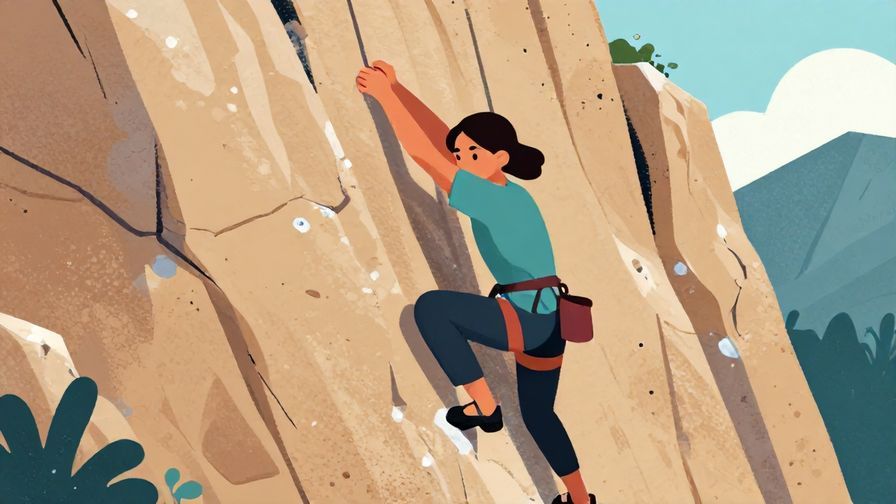
This phrase adds nuance by describing your persistence as “tenacious.”
“粘り強く” (nebarizuyoku) means “tenaciously” or “with perseverance,” and “頑張ります” is polite “I will do my best.”
It’s perfect for formal situations where you want to emphasize grit.
Use it to impress superiors or in motivational talks.
It’s a great phrase to show you’re ready for long-term effort.
Practice saying it slowly to highlight each part.
13. 最後まで頑張ります (Saigo made ganbarimasu) – “I will do my best until the end.”

This phrase expresses your commitment to persist “until the end.”
“最後まで” (saigo made) means “until the end,” combined with polite “頑張ります.”
It’s formal but warm, great for speeches or written promises.
It clearly communicates endurance and dedication.
Use it when you want to reassure others of your persistence.
Perfect for project kick-offs or farewells.
14. 根気強くやります (Konki dzuyoku yarimasu) – “I will do it with patience and persistence.”

This phrase highlights persistence combined with patience.
“根気強く” (konki dzuyoku) means “patiently and persistently,” and “やります” is polite “I will do.”
It’s formal and thoughtful, great for serious commitments.
Use it when the task requires steady effort over time.
It’s a gentle but firm way to promise persistence.
Ideal for customer service or teaching contexts.
15. 諦めずに努力します (Akiramezu ni doryoku shimasu) – “I will keep trying without giving up.”

This phrase combines “not giving up” with “making an effort.”
“諦めずに” (akiramezu ni) means “without giving up,” and “努力します” (doryoku shimasu) means “I will make efforts.”
It’s polite and formal, perfect for business or school settings.
It clearly shows your dedication to working hard.
A great phrase to use in interviews or official communications.
Practice to pronounce “努力” (doryoku) as “do-ryo-ku” for smooth flow.
16. 挫けずに進みます (Kuzukezuni susumimasu) – “I will move forward without faltering.”

This phrase emphasizes moving forward despite difficulties.
“挫けずに” (kuzukezuni) means “without faltering,” and “進みます” (susumimasu) means “I will advance.”
It’s a formal, elegant way to show resilience.
Perfect for speeches or inspirational writing.
Use it to inspire confidence in your unwavering progress.
The verb “進む” (susumu) is common in formal contexts.
Part 3: Very Casual / Native-like Expressions
17. まだまだイケる (Mada mada ikeru) – “I can still go on!”

This energetic phrase means you’re still full of strength.
“まだまだ” (mada mada) means “still more,” and “イケる” (ikeru) is casual slang for “can do it” or “can go on.”
It’s great among friends or in sports contexts.
Use it when you want to sound upbeat and confident.
It’s a native-like phrase that shows casual determination.
Perfect to cheer yourself or teammates on.
18. 諦めないぜ (Akiramenai ze) – “I’m not giving up, man!”

This phrase adds a masculine, confident edge with “ぜ” (ze).
“諦めない” means “not give up,” and “ぜ” is a masculine sentence-ending particle adding toughness.
It’s very casual and used mostly by men in informal settings.
Use it with close friends or when you want to sound assertive.
Avoid it in polite or mixed-gender groups.
It’s like saying “No way I’m quitting, dude!”
19. まだまだ負けてないっしょ (Mada mada maketenai ssho) – “I’m definitely not losing yet!”

This phrase is casual and playful with a native vibe.
“負けてない” means “not losing,” and “っしょ” (ssho) is a slangy ending meaning “right?” or “definitely.”
It’s great for friendly rivalry or self-encouragement.
Use it when you want to sound lively and confident.
Try it out with friends during games or challenges.
It shows spirited persistence without being too serious.
20. 諦めんじゃねぇ (Akiramen janee) – “Don’t you dare give up!”

A very casual, strong phrase often used to encourage others.
“諦めん” is a shortened negative form of “諦める,” and “じゃねぇ” is a rough way to say “don’t.”
It’s common among close male friends or in intense situations.
Use it to cheer someone on with passion.
Avoid it in formal or mixed company.
It’s like shouting “No quitting allowed!” with fire.
21. まだまだやれるっしょ (Mada mada yareru ssho) – “I can still do it, right?”

This phrase is casual and confident, perfect for self-talk.
“やれる” means “can do,” and “っしょ” adds a friendly rhetorical question tone.
It’s like saying “I’ve still got this, right?”
Use it to motivate yourself or friends in casual settings.
It’s approachable and sounds very natural among young people.
Try it before a challenge to boost your morale.
22. 諦めるわけないじゃん (Akirameru wake nai jan) – “There’s no way I’m giving up!”

This phrase is casual but full of conviction.
“諦めるわけない” means “there’s no reason to give up,” and “じゃん” is a conversational particle adding emphasis.
It’s great for informal, confident statements.
Use it with friends or for your own pep talks.
It’s like saying “No way I’m quitting, duh!”
Perfect for expressing unfaltering spirit with a touch of casual sass.
Concluding Thought
Exploring these 22 ways to say “I will persist” in Japanese shows how rich and expressive the language truly is.
From casual encouragements to formal declarations, each phrase carries its own unique energy and warmth.
Remember, persistence is not just about words but the feeling behind them—so pick the phrase that resonates with your heart and keep moving forward with confidence!