22 Japanese ways to say “I was wrong”
We all make mistakes—it’s part of being human, right? Saying “I was wrong” might seem simple, but in Japanese, there are many ways to express this feeling depending on the situation.
Whether you want to sound casual, polite, or a bit more native, this list has got you covered. It’s a warm, friendly guide to help you communicate honestly and clearly.
Learning these phrases not only boosts your language skills but also helps you navigate social nuances with more confidence.
So, if you’ve ever wanted to say sorry or admit a mistake in Japanese with just the right tone, keep reading!
By the end, you’ll have a handy arsenal of expressions that fit any moment, from friendly chats to formal apologies.
Let’s dive into 22 Japanese ways to say “I was wrong” and explore their meanings, pronunciation, and when to use them.
Understanding the Basics Before We Start
Before jumping into the list, it’s good to know that Japanese has different levels of politeness and formality.
Some phrases are casual and perfect for friends, while others are formal and respectful, ideal for work or serious situations.
Also, many expressions use verbs related to “mistake” or “error,” so you’ll see some patterns.
If you want a deeper dive into common Japanese phrases, check out this beginner phrasebook—it’s a great companion for these expressions.
Now, let’s break down these phrases into easy-to-understand categories.
Ready? Let’s start with casual ways to say you were wrong!
Part 1: Casual Suggestions
1. 間違えた (Machigaeta) – “I was wrong.”

This is the most straightforward casual way to say “I was wrong.”
間違えた (Machigaeta) comes from 間違える (machigaeru), meaning “to make a mistake.” Just past tense it, and you’re good to go!
It’s perfect for admitting a small error between friends or family.
Simple and direct, it’s often used in everyday conversation.
Related phrases include 間違った (machigatta), which has a similar meaning but slightly different nuance.
Use this one when you want to keep it real without sounding too formal.
2. ごめん、間違ってた (Gomen, machigatteta) – “Sorry, I was wrong.”

This phrase adds an apology to the admission, making it warmer and more personal.
ごめん (Gomen) means “sorry,” and 間違ってた (machigatteta) is a soft past tense of “was wrong.”
It’s casual but shows you care about the other person’s feelings.
Make sure to use it with friends or people you’re close to.
It’s a great phrase for everyday slip-ups when you want to be sincere but not stiff.
Try saying it aloud to get used to the rhythm—it sounds very natural!
3. 私のミスだ (Watashi no misu da) – “It’s my mistake.”
This phrase is a humble way to accept responsibility directly.
私の (watashi no) means “my,” and ミス (misu) is the borrowed word from English “mistake.”
Adding だ (da) keeps it casual but firm.
It’s useful when you want to emphasize that the fault lies with you.
Often used in work or group settings among friends.
Practice this to sound confident but still approachable when admitting fault.
4. それは僕のせいだ (Sore wa boku no sei da) – “That’s my fault.”

This is a slightly more masculine and humble way to say you were wrong.
僕のせい (boku no sei) literally means “my fault” or “because of me.”
It’s casual but shows you’re taking responsibility seriously.
Great for apologizing to friends or colleagues without sounding too stiff.
“Sore wa” means “that is,” which points to the specific issue.
Use it when you want to own up clearly but keep a friendly tone.
5. 思い違いだった (Omoichigai datta) – “I was mistaken.”

This phrase is a gentle way of admitting an error in judgment or understanding.
思い違い (omoichigai) means “misunderstanding” or “wrong assumption.”
It’s a bit softer than saying you were simply “wrong.”
Perfect for situations where you want to sound reflective, not defensive.
The past tense だった (datta) confirms the mistake is in the past.
Try this when you want to sound thoughtful and sincere.
6. やっぱり間違ってた (Yappari machigatteta) – “I was wrong after all.”
Use this when you initially thought you were right but realized you were wrong.
やっぱり (yappari) means “after all” or “as expected,” adding a sense of realization.
It’s casual and natural for conversations among friends.
It shows humility and honesty about changing your mind.
Great for lighthearted admissions when you want to keep things friendly.
Practice this phrase to sound very native and down-to-earth.
7. 本当にごめん、間違えた (Hontō ni gomen, machigaeta) – “I’m really sorry, I was wrong.”
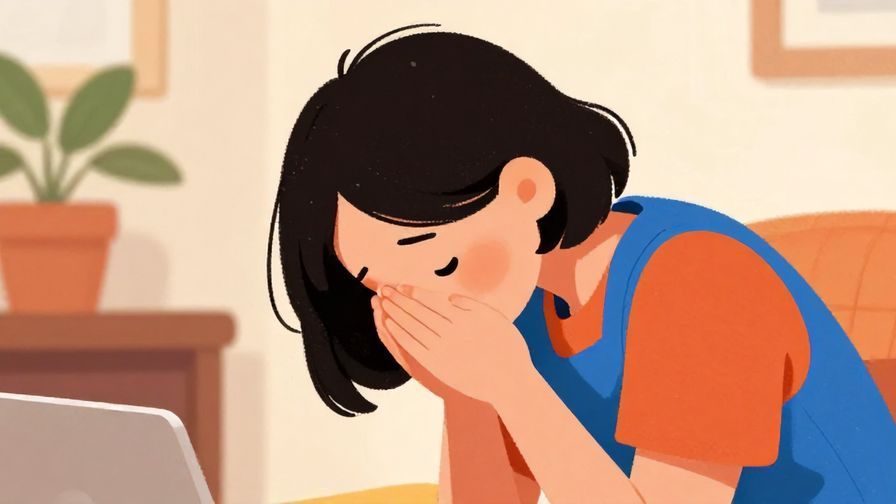
This phrase amps up the apology with 本当に (hontō ni), meaning “really.”
It’s casual but very heartfelt and clear.
Great for mistakes that you feel genuinely sorry for.
Adding ごめん (gomen) makes it sound warm and personal.
Use it with close friends or family when you want to be sincere.
It’s a phrase that carries emotional weight, so say it slowly and meaningfully.
8. 俺のミスだ (Ore no misu da) – “It’s my mistake.” (very casual, masculine)

This phrase is casual and masculine, using 俺 (ore), a male pronoun for “I.”
It’s a straightforward way to take responsibility among peers.
ミス (misu) again means “mistake,” borrowed from English.
Perfect for close friends or informal settings.
Be mindful that 俺 sounds rough, so use it only if it fits your personality.
It’s a cool phrase for guys who want to admit fault without sounding too soft.
Part 2: Polite & Formal Suggestions
9. 私の考えが間違っていました (Watashi no kangae ga machigatte imashita) – “My thinking was wrong.”

This is a polite way to admit you made a mistake in judgment.
私の考え (watashi no kangae) means “my thinking,” and 間違っていました (machigatte imashita) is the polite past form of “was wrong.”
It’s respectful and good for work or formal conversations.
Use it when you want to sound responsible and professional.
It’s also useful in written communication like emails.
Practice pronouncing the polite forms to sound sincere and courteous.
10. 私の誤りでした (Watashi no ayamari deshita) – “It was my error.”

This is a very formal and respectful way of admitting a mistake.
誤り (ayamari) means “error” or “mistake,” and でした (deshita) is the polite past tense.
Ideal for formal apologies in business or official settings.
It sounds humble and responsible without being overly emotional.
Use it to maintain professionalism while being honest.
Practicing this phrase can help you navigate serious conversations gracefully.
11. 申し訳ありません、私のミスです (Mōshiwake arimasen, watashi no misu desu) – “I sincerely apologize, it’s my mistake.”

申し訳ありません (mōshiwake arimasen) is a very polite and formal apology.
Combined with 私のミスです (watashi no misu desu), this phrase expresses deep responsibility.
Great for business or serious personal apologies.
The phrase shows humility and respect.
It’s longer but very effective when you want to be clear and polite.
Try using it in emails or formal meetings for a strong, respectful apology.
12. 勘違いしていました (Kanchigai shite imashita) – “I was mistaken.” (polite)
勘違い (kanchigai) means “misunderstanding,” and していました (shite imashita) is polite past tense.
This phrase is a polite way to admit you misunderstood something.
Useful in both formal and semi-formal settings.
It sounds thoughtful and considerate.
Use it when you want to smooth over confusion respectfully.
It’s handy for work or polite conversations.
13. 誤解していました (Gokai shite imashita) – “I was under a wrong impression.”

誤解 (gokai) means “misunderstanding” or “wrong impression.”
This polite phrase admits a mistake in perception or assumption.
Great for formal or business situations.
It helps maintain respect while correcting your error.
Use it to show you’re aware of the misunderstanding.
It’s a clear and gentle way to apologize for errors in communication.
14. 失礼しました (Shitsurei shimashita) – “I was rude/mistaken.”
失礼しました (shitsurei shimashita) literally means “I was rude,” but it is often used to admit a mistake politely.
Common in formal apologies or when correcting yourself.
It’s humble and respectful without being overly dramatic.
Use it to acknowledge a slip-up in manners or judgment.
Perfect for workplace or social etiquette mistakes.
This phrase is versatile and polite, a great one to remember.
15. 誤っていました (Ayamatte imashita) – “I was wrong.” (formal)

誤る (ayamaru) is a formal verb meaning “to be mistaken.”
誤っていました is the polite past tense form.
It’s perfect for written apologies or formal speeches.
Use it when you want to sound serious and responsible.
This phrase is less common in casual speech but very useful professionally.
Practice it to sound both humble and polished in business contexts.
16. 深く反省しています (Fukaku hansei shite imasu) – “I deeply reflect on my mistake.”

This phrase expresses deep regret and reflection, going beyond just “I was wrong.”
深く (fukaku) means “deeply,” and 反省しています (hansei shite imasu) means “reflecting on one’s actions.”
It’s very polite and sincere.
Use it in serious apologies or when you want to show personal growth.
It sounds thoughtful and mature.
Try this phrase to make a strong, respectful apology.
Part 3: Very Casual / Native-like Expressions
17. やらかした (Yarakashita) – “I messed up.”

This is a very casual, slangy way to admit a mistake.
やらかした (yarakashita) literally means “did something wrong” or “screwed up.”
Perfect for close friends or informal chats.
It’s playful and lighthearted, so use it with people you know well.
Great for situations where you want to own your mistake but keep the mood light.
It’s a popular phrase among young people.
18. やっちゃった (Yacchatta) – “I went and did it (wrong).”

Another casual phrase that says you messed up or made a mistake.
やっちゃった (yacchatta) comes from やる (yaru, “to do”) with a casual, slightly regretful nuance.
It’s perfect for informal apologies or admitting a blunder.
Use this with friends or peers when you want to sound relaxed.
It’s a fun, easy phrase to remember and use daily.
Practice it to sound like a native speaker in casual conversations.
19. 俺、間違ってたわ (Ore, machigatteta wa) – “I was wrong, you know.” (very casual, masculine)

This phrase is very casual and masculine, with 俺 (ore) as “I.”
The ending わ (wa) softens it a bit and adds a conversational tone.
It’s great for admitting a mistake in a relaxed way among close friends.
It sounds natural and native-like.
Use it if you want to keep things light but honest.
Try practicing this with a confident, friendly tone.
20. それ、俺のミスだった (Sore, ore no misu datta) – “That was my mistake.” (casual, masculine)

This phrase admits blame clearly and casually.
それ (sore) means “that,” and 俺のミスだった (ore no misu datta) means “was my mistake.”
It’s informal and masculine.
Perfect for admitting fault without fuss.
Use it with friends or in relaxed settings.
It sounds honest and straightforward.
21. ちゃったね、間違えた (Chatta ne, machigaeta) – “Oops, I was wrong.” (casual, playful)

Here, ちゃった (chatta) comes from the casual past tense ending, adding a playful tone.
It’s a light way to admit a mistake, often with a smile.
Perfect for friendly, informal moments.
It softens the admission and makes it feel less heavy.
Use it when you want to keep the vibe easygoing.
Practice this to sound naturally casual and sweet.
22. まちがいだったみたい (Machigai datta mitai) – “Looks like I was wrong.”

This phrase adds a soft uncertainty with みたい (mitai), meaning “looks like” or “seems.”
It’s a gentle way to admit a mistake without full confession.
Perfect when you’re not 100% sure but want to acknowledge error.
It’s casual and humble.
Use this to sound polite but not too serious.
It’s a great phrase for nuanced conversations.
Concluding Thought
Exploring these 22 ways to say “I was wrong” in Japanese shows just how rich and nuanced the language is when it comes to expressing humility and responsibility.
From casual phrases for friends to formal apologies for work, you now have a wide range of expressions to fit any occasion.
Keep practicing these phrases with the right tone and context, and you’ll communicate your sincerity naturally and warmly. Mistakes happen, but how you own them speaks volumes—ganbatte!