22 Japanese ways to say “I swear”
Swearing an oath, promising something sincerely, or even just saying “I swear” in Japanese can be surprisingly rich and varied. Whether you’re trying to sound casual, polite, or just really serious, there’s a perfect way to express it.
In this list, I’ll walk you through 22 natural Japanese expressions for “I swear,” from everyday casual phrases to more formal or native-like ones.
Each phrase comes with a pronunciation guide and a bit of friendly context so you can use it confidently and naturally.
Learning these will not only help you sound more fluent but also connect more deeply with Japanese culture and communication style. Plus, it’s fun to see how the same meaning can take so many shapes!
If you want to dive into more phrases and get started with Japanese expressions, check out a great phrasebook to boost your practice.
Ready to swear like a native? Let’s jump in!
Getting Started: The Basics of “I Swear” in Japanese
Before we jump into the 22 ways, it’s good to know that Japanese often uses context and tone more than explicit phrases to show sincerity.
However, when you want to emphasize your promise or swear seriously, there are several expressions that fit different vibes—casual, polite, or deeply serious.
Keep in mind that using the right phrase at the right time will make your Japanese feel smooth and natural.

Sometimes, having a solid conversation guide handy makes these phrases even easier to remember and apply effectively.
With that, let’s start with the casual ways to say “I swear.”
Part 1: Casual Suggestions
1. 約束するよ (Yakusoku suru yo) – “I promise.”

This is the straightforward way to say “I promise” in Japanese.
約束 (やくそく, Yakusoku) means “promise,” and する (する, suru) means “to do.” Adding よ (yo) at the end adds emphasis, like “I’m telling you for sure.”
This phrase is perfect with friends or family when you want to sound casual but sincere.
It’s simple, direct, and easy to remember for daily use.
Related phrases include 約束するからね (Yakusoku suru kara ne), which softens it with “because” and a gentle tone.
Try using it next time you want to vow something small but important.
2. 本気だよ (Honki da yo) – “I’m serious.”

This phrase means “I’m serious” or “I mean it.”
本気 (ほんき, Honki) means “seriousness” or “earnestness,” and だよ (da yo) gives it a casual but firm finish.
It’s great when you want to stress that you’re not joking around.
Be careful not to overuse it in casual chats, or it might sound too intense.
For example, if a friend doubts you, you can say 本気だよ to reassure them.
It’s a quick way to add weight to your words without sounding formal.
3. マジで (Maji de) – “Seriously.”

マジ (Maji) is slang for “serious,” and で (de) here makes it a phrase meaning “Seriously!”
This is very casual and often used among young people to emphasize truthfulness or surprise.
Helpful tip: It’s informal, so avoid using it in formal or polite conversations.
You might say, “マジで?!” when you want to say “No way, I swear!”
It’s a handy expression to sound like a native and add energy to your speech.
Just remember it’s slang, so keep it for friends or casual settings.
4. ほんとに (Honto ni) – “Really.”

ほんとに (本当に, Honto ni) literally means “really” or “truly.”
Use it to emphasize that what you’re saying is honest or true.
This phrase fits in casual conversations and is easy to pair with other promises.
For example, “ほんとに行くよ” means “I really will go.”
It’s short and sweet, perfect for reassuring someone.
Try it to add a little extra weight to your casual promises.
5. 絶対だよ (Zettai da yo) – “Absolutely.”

絶対 (ぜったい, Zettai) means “absolutely” or “definitely.”
When you say 絶対だよ, you’re swearing something is 100% true or will happen.
This phrase is useful to stress certainty in a casual but strong way.
Just be mindful that it’s a bit forceful—perfect for moments when you want to sound confident.
You might say, “絶対に忘れないよ” (“I absolutely won’t forget”).
It’s a great phrase to keep in your promise toolkit.
6. 信じてよ (Shinjite yo) – “Believe me.”

信じて (しんじて, Shinjite) is the “te” form of 信じる (to believe), and よ adds emphasis.
This phrase is like saying “Please believe me” or “Trust me.”
It’s casual and often used when you want someone to accept your sincerity.
It’s a gentle but effective way to swear honesty.
Try it when you feel misunderstood or doubted.
“信じてよ、嘘じゃない” means “Believe me, it’s not a lie.”
7. 約束だよ (Yakusoku da yo) – “It’s a promise.”

A slight variation on 約束する (Yakusoku suru), this one means “It’s a promise.”
約束 (Yakusoku) means “promise” and だよ adds a casual, friendly emphasis.
Use it when you want to confirm your promise emphatically but informally.
It’s easy to say and remember, making it great for everyday conversations.
It’s often used after making a promise to reassure the listener.
For example, “明日行くよ。約束だよ!” (“I’ll go tomorrow. It’s a promise!”)
8. 嘘じゃないよ (Uso janai yo) – “I’m not lying.”

嘘 (うそ, Uso) means “lie,” and じゃない means “not.”
嘘じゃないよ literally means “I’m not lying.”
It’s a natural phrase to swear sincerity in casual settings.
Perfect when your honesty is questioned or doubted.
It’s a simple phrase but very effective to clear up misunderstandings.
Pair it with a soft tone to sound convincing and warm.
Part 2: Polite & Formal Suggestions
9. お約束いたします (O-yakusoku itashimasu) – “I humbly promise.”

This is a very polite and formal way to say “I promise.”
お約束 (おやくそく, o-yakusoku) is the honorific form of “promise,” and いたします (itashimasu) is the humble form of “to do.”
Use this in business or formal situations where respect is important.
It sounds professional and sincere without being overly casual.
For example, when making commitments at work, “お約束いたします” fits perfectly.
Practicing this phrase can help you sound polished in formal conversations.
10. 必ず守ります (Kanarazu mamorimasu) – “I will definitely keep (the promise).”
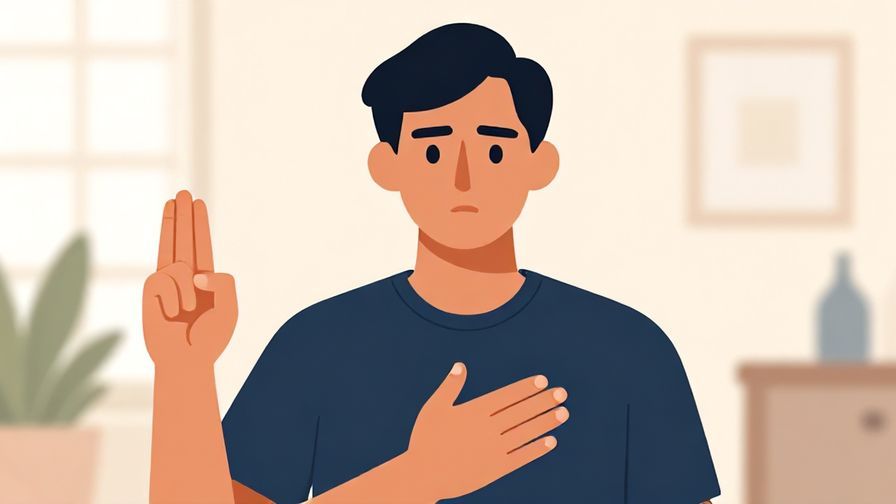
必ず (かならず, Kanarazu) means “without fail” or “definitely.”
守ります (まもります, mamorimasu) means “to protect” or “to keep.”
Together, it means “I will definitely keep (my promise).”
This phrase is polite and very strong for showing commitment.
It’s perfect for formal promises or serious personal vows.
Use it to sound trustworthy and dependable in any situation.
11. お誓いします (O-chikai shimasu) – “I solemnly swear.”

お誓い (おちかい, o-chikai) means “oath” or “vow.”
します (shimasu) is the polite form of “to do.”
Put together, it means “I solemnly swear.”
Use this when you want to sound very serious and respectful, like in ceremonies or official declarations.
This phrase carries a strong weight and is rarely casual.
Perfect for moments that require formal honesty and commitment.
12. 本当に誓います (Hontō ni chikaimasu) – “I truly swear.”

本当に (ほんとうに, Hontō ni) means “truly” or “really.”
誓います (ちかいます, chikaimasu) means “to swear” or “to vow.”
This polite phrase means “I truly swear.”
It’s formal yet heartfelt and perfect for serious promises.
Use it to emphasize your sincerity in respectful conversations.
It’s a great phrase to practice for meaningful commitments.
13. お約束申し上げます (O-yakusoku mōshiagemasu) – “I humbly make a promise.”
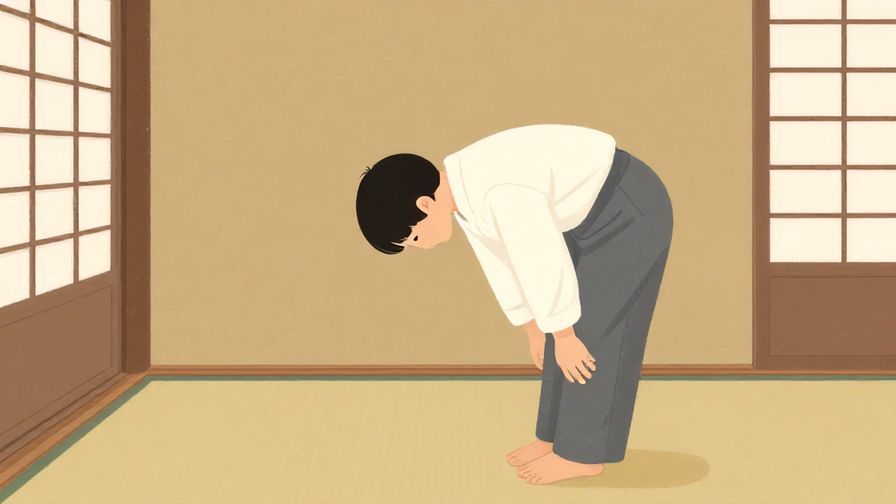
This is a highly formal and humble way to promise.
申し上げます (mōshiagemasu) is a very polite form of “to say” or “to do.”
It’s used in business or official situations for ultimate respect.
Perfect for emails, speeches, or formal contracts.
It shows deep respect and a strong commitment to keep your word.
Knowing this phrase can impress colleagues or clients greatly.
14. 確約いたします (Kakuyaku itashimasu) – “I guarantee.”

確約 (かくやく, Kakuyaku) means “guarantee” or “firm promise.”
いたします (itashimasu) is the humble form of “to do.”
This phrase means “I guarantee” or “I firmly promise.”
Use it to express strong assurance in formal settings.
It’s useful for contracts, business deals, and official commitments.
It adds a professional tone to your promise.
15. 真剣に誓います (Shinken ni chikaimasu) – “I swear seriously.”

真剣に (しんけんに, Shinken ni) means “seriously” or “earnestly.”
誓います (chikaimasu) means “to swear.”
Put together, this phrase means “I swear seriously.”
It’s polite and adds weight to your commitment.
Great for when you want to emphasize your solemn promise.
Try this when making important vows to show your earnestness.
16. 誓約いたします (Seiyaku itashimasu) – “I pledge.”

誓約 (せいやく, Seiyaku) means “pledge” or “vow.”
いたします (itashimasu) is the humble “to do.”
This phrase means “I pledge” or “I swear.”
It’s formal and respectful, ideal for official promises.
Perfect in ceremonies or serious declarations.
Using this phrase shows your commitment with dignity.
Part 3: Very Casual / Native-like Expressions
17. マジで誓う (Maji de chikau) – “I seriously swear.”

This is a slangy, very casual way to say “I seriously swear.”
マジで (maji de) means “seriously,” and 誓う (ちかう, chikau) means “to swear.”
It’s often used among friends to add impact.
Try not to use it in formal or polite settings.
It’s great for emphasis in casual stories or promises.
It shows passion and native-like fluency.
18. ほんと誓う (Honto chikau) – “I really swear.”

ほんと (honto) is a casual form of 本当 (ほんとう), “really.”
誓う (chikau) means “to swear.”
It’s a relaxed, natural way to swear sincerely among friends.
Great for everyday conversations.
It sounds warm and genuine without sounding stiff.
Use it to sound like a true native speaker in casual chats.
19. めっちゃ誓う (Meccha chikau) – “I totally swear.”

めっちゃ (meccha) is Kansai dialect slang for “very” or “totally.”
誓う (chikau) means “to swear.”
This phrase amps up the seriousness with a casual, native flair.
Perfect for informal conversations or to sound playful.
Use it with friends to add strong emphasis.
It’s a fun way to swear you mean it!
20. 嘘じゃねーよ (Uso ja nē yo) – “I’m not lying (slang).”

This is a very casual, slangy way to say “I’m not lying.”
じゃねー is a casual, rough form of じゃない (not).
Use this only with close friends due to its informal tone.
It adds a playful yet sincere vibe to your promise.
Great for casual storytelling or convincing friends.
Use it to sound super native and relaxed.
21. 約束な (Yakusoku na) – “It’s a promise (casual).”

Dropping the polite ending, 約束な (Yakusoku na) is casual and close.
It’s like saying “Promise!” to a friend.
It’s short, sweet, and very natural among young people.
Perfect for informal promises or friendly agreements.
Try it to show closeness and casual sincerity.
This phrase fits well in everyday conversations.
22. ちゃんと誓うよ (Chanto chikau yo) – “I swear properly.”

ちゃんと (chanto) means “properly” or “seriously.”
誓うよ (chikau yo) means “I swear.”
Put together, it means “I swear properly.”
This phrase sounds very natural and earnest in casual speech.
It’s great for reassuring someone you’re serious about your words.
Use it to sound warm and genuine in everyday conversations.
Concluding Thought
Exploring the many ways to say “I swear” in Japanese shows just how rich and nuanced the language is.
Whether you choose a casual phrase with friends or a formal vow in a professional setting, each expression carries its own unique flavor and depth.
With these 22 phrases in your language toolkit, you’ll be ready to promise, swear, and express sincerity like a true Japanese speaker. Keep practicing, and enjoy the journey!