22 Japanese ways to say “I should have seen that coming”
Ever had one of those moments where you just think, “I should have seen that coming”? You know, when something obvious totally slips past your radar? We’ve all been there, and luckily, Japanese has some wonderfully expressive ways to say exactly that.
Whether you’re chatting with friends, reflecting on a surprise, or just want to sound a little more natural, these phrases will add flavor to your Japanese conversations.
From casual sayings to more polite expressions, there’s a phrase here for every occasion and level of formality.
Plus, learning these will sharpen your understanding of Japanese emotions and cultural nuance in everyday speech.
So, ready to add some “aha!” moments to your Japanese vocabulary? Let’s dive in and explore 22 Japanese ways to say “I should have seen that coming.”
By the end, you’ll have plenty of go-to phrases for those “oops, I missed that” situations that everyone experiences.
Understanding the Nuance Behind “I Should Have Seen That Coming”
Before we jump into the list, it’s helpful to remember that Japanese often expresses regret or hindsight with a mix of subtlety and emotion.
Many phrases capture not just a literal “should have known” but a feeling of mild self-reproach or surprise.
Knowing these phrases will help you sound more natural and connect better with native speakers’ ways of expressing hindsight.

For handy reference, a Japanese idioms phrasebook can be a fantastic tool to keep these expressions close at hand.
These phrases will also help you understand subtle emotional cues in conversations and stories.
And since many are common in casual speech, you’ll sound more fluent and natural in everyday chats.
Part 1: Casual Suggestions
1. 見えてたはずだ (Mieteta hazu da) – “I was supposed to see it.”

This phrase literally means “I was supposed to have seen it.”
It’s a straightforward way to express that you should have noticed something but didn’t. “Mieteta” comes from the verb “miru” (to see), and “hazu da” means “should have” or “supposed to.”
Using this phrase signals mild regret or surprise that something obvious was missed.
It’s great for casual conversations with friends or colleagues.
You can use it to reflect on missed signs, like realizing a friend’s mood or a sudden change in plans.
Try practicing this phrase when recalling moments where hindsight hits you—it’s a natural starter.
2. 気づくべきだった (Kizuku beki datta) – “I should have noticed.”

This phrase focuses on the act of “noticing” (気づく kizuku), combined with “beki datta” which means “should have.”
It’s perfect when you want to admit you missed some important detail or clue.
“Kizuku beki datta” feels a bit more reflective and serious than some casual phrases.
Watch out not to confuse “kizuku” with “miru” (to see)—this is about awareness, not just sight.
Try using it when talking about situations where your attention slipped.
It’s a handy phrase to express mild regret without overdoing it.
3. 予想できたのに (Yosou dekita noni) – “I could have predicted it.”

This phrase means you had the ability to predict something but didn’t.
“Yosou” means “prediction,” “dekita” means “could do,” and “noni” adds a nuance of “even though.”
Use this to express that you overlooked an obvious outcome.
It’s great for storytelling or reflecting on mistakes where the outcome was foreseeable.
Be careful with “noni” as it often adds a feeling of regret or disappointment.
Use this phrase to practice expressing missed predictions naturally.
4. そうなると思ってた (Sou naru to omotteta) – “I thought it would turn out that way.”

This phrase literally means “I thought it would be like that.”
It’s a gentle way of saying you had a feeling or expectation about what happened.
“Sou naru” means “it turns out that way,” and “omotteta” is the past informal form of “think.”
Good for casual conversations where you want to hint that you weren’t totally surprised.
It’s less regretful and more like sharing insight.
Try using this when something expected finally happens and you want to say “I told you so” softly.
5. 見逃したなあ (Minogashita naa) – “I missed that (too bad).”
“Minogashita” means “missed (a chance or detail),” and “naa” adds a wistful feeling.
This phrase is great for casual regret about something you overlooked.
It’s a natural, everyday phrase to express mild frustration or “I should have caught that.”
“Naa” makes it sound more emotional and relatable.
You’ll hear this often in informal chats about missed opportunities or clues.
Use this phrase to sound more native-like when admitting slip-ups.
6. 気づいてたらよかったのに (Kizuitetara yokatta noni) – “If only I had noticed.”

This expression uses the conditional “if I had noticed” with a wishful tone.
“Kizuitetara” means “if I had noticed,” “yokatta” means “would have been good,” and “noni” adds a regretful “if only.”
It’s perfect for expressing a heartfelt wish that you caught something earlier.
The phrase sounds a bit more emotional and reflective than blunt statements.
Use it in stories or conversations where you want to emphasize regret.
It’s a lovely phrase to show subtle feelings of hindsight and longing.
7. まさかと思った (Masaka to omotta) – “I thought it was impossible.”
“Masaka” means “no way” or “impossible,” and “to omotta” means “I thought.”
This phrase conveys surprise at something you didn’t expect, hinting you should have anticipated it.
It’s casual and commonly used when something unexpected happens.
Use it to admit you were caught off guard but now realize the signs.
It adds a sense of playful disbelief and mild regret.
Try this phrase when telling stories of shock or surprise.
8. なるほどね、見逃してた (Naruhodo ne, minogashiteta) – “Ah, I missed that.”

“Naruhodo” means “I see” or “that makes sense,” and “minogashiteta” is “I missed it.”
This phrase expresses realization and acceptance of a missed detail.
It’s friendly and good for casual conversations where you acknowledge your oversight.
“Ne” adds a conversational tone, making it sound warm and approachable.
You can use it after someone points out something you overlooked.
It’s a gentle way to admit “I should have caught that.”
Part 2: Polite & Formal Suggestions
9. 見抜くべきでした (Minuku beki deshita) – “I should have seen through it.”

This phrase is formal and means “I should have seen through (something).”
“Minuku” means “to see through” or “to discern,” and “beki deshita” is the polite past form of “should have.”
It’s great for professional or polite settings where you want to admit a missed understanding.
Use it to express regret in meetings, reports, or formal discussions.
Be careful to use this only in respectful contexts to avoid sounding too casual.
It’s a strong phrase for showing responsibility and reflection.
10. 見逃すべきではありませんでした (Minogasu beki dewa arimasen deshita) – “I shouldn’t have missed it.”
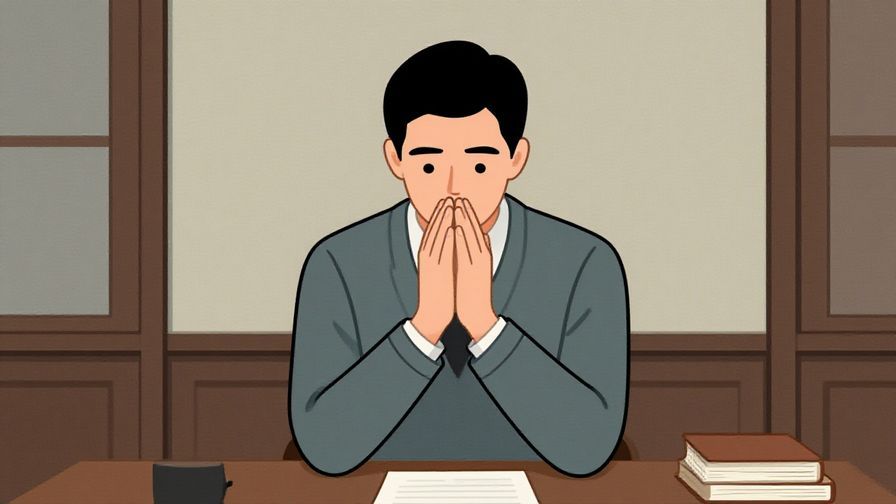
This is a polite way to say “I shouldn’t have missed it.”
“Minogasu” means “to miss,” and “beki dewa arimasen deshita” is the negative polite past for “should not have.”
It’s perfect for formal apologies or admitting fault respectfully.
Use it when you want to take responsibility without sounding too casual or emotional.
It’s often heard in customer service or business scenarios.
Practice this phrase for professional humility and accountability.
11. 予測できたはずです (Yosoku dekita hazu desu) – “I should have been able to predict it.”

This phrase is formal and polite, perfect for professional settings.
“Yosoku” means “prediction,” “dekita” means “could do,” and “hazu desu” adds a polite “should have.”
Use it to express you missed an expected outcome in work or planning.
It shows reflection and responsibility in a respectful tone.
Avoid using it casually, as it sounds quite formal.
Try this when discussing lessons learned or project reviews.
12. 見るべきでした (Miru beki deshita) – “I should have looked.”

This polite phrase means “I should have looked (or checked).”
“Miru” means “to see” or “look,” and “beki deshita” is “should have.”
It’s simple and useful for admitting an oversight in formal or polite settings.
Use it to acknowledge you should have paid more attention to details.
It’s versatile and works well when giving polite explanations.
Practice it in formal emails or conversations to sound respectful.
13. 注意すべきでした (Chūi subeki deshita) – “I should have been careful.”
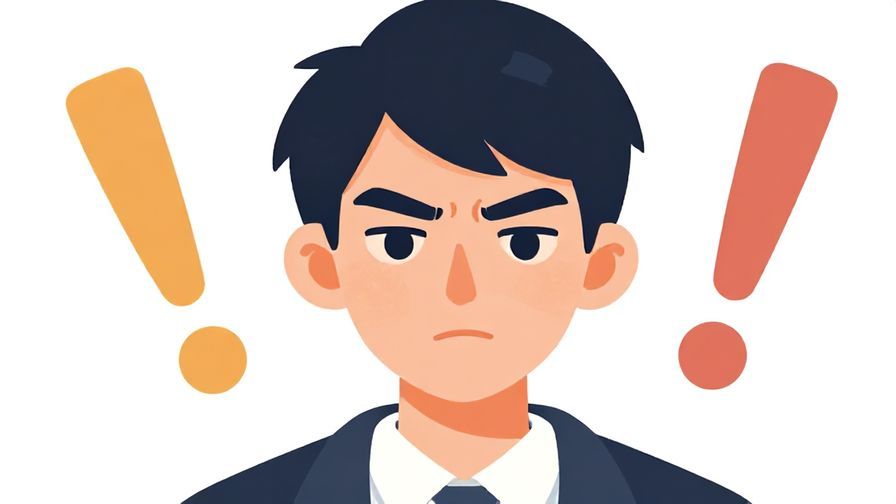
“Chūi” means “caution” or “attention,” so this phrase means “I should have been careful.”
It’s polite and formal, expressing regret over not being attentive enough.
Great for professional or serious situations.
It shows awareness and a desire to improve.
Use it when reflecting on mistakes that could have been avoided.
This phrase helps you sound responsible and thoughtful.
14. 予見できたはずです (Yoken dekita hazu desu) – “I should have foreseen it.”
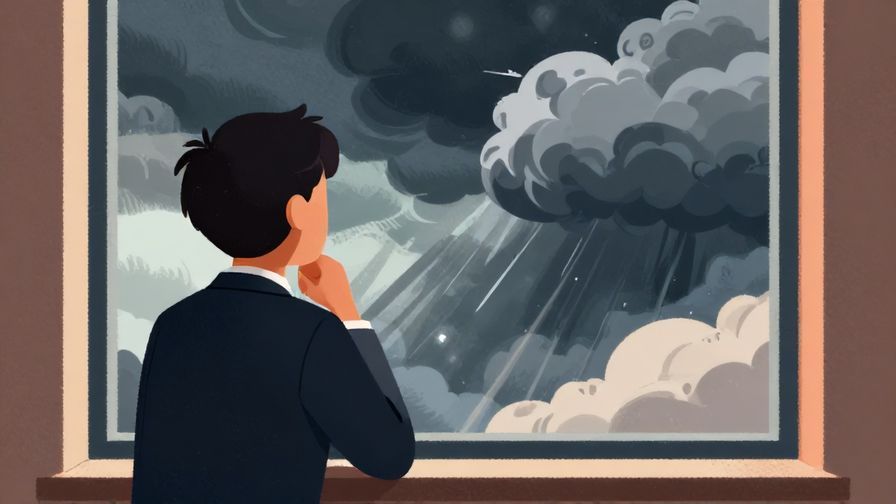
“Yoken” means “foresight,” so this phrase means “I should have foreseen it.”
It’s polite and formal, perfect for thoughtful reflection in business or personal growth.
Use it to admit you missed signs that something was coming.
It’s a bit more sophisticated than casual phrases.
Try this when discussing foresight or missed warnings.
This phrase sounds mature and thoughtful.
15. 予期していました (Yoki shite imashita) – “I was expecting it.”

This phrase means “I was expecting it” and is polite in tone.
“Yoki” means “expectation,” and “shite imashita” is a polite past continuous.
Use it to express you saw a situation coming without surprise.
It’s useful in formal or polite conversations to acknowledge foresight.
It shows confidence and calm awareness.
Try this phrase to sound composed and prepared.
16. 後悔しています (Koukai shite imasu) – “I regret not seeing it.”

“Koukai” means “regret,” and this phrase is polite and expresses sincere remorse.
It’s more emotional and formal than simple “should have” phrases.
Use it when you want to express genuine regret over missing something important.
Good for serious conversations or apologies.
It shows maturity and responsibility.
Practice this when discussing lessons learned with respect.
Part 3: Very Casual / Native-like Expressions
17. やっぱりね (Yappari ne) – “I knew it!”

“Yappari” means “as expected” or “I knew it,” and “ne” softens it with a friendly tone.
It’s casual and often used when your suspicion is confirmed.
This phrase conveys confidence and a hint of “I told you so.”
Great for informal chats with friends.
Use it when something you suspected turns out true.
It’s a fun, native-like way to express “I should have seen that coming.”
18. しまった!(Shimatta!) – “Oops! I missed it!”
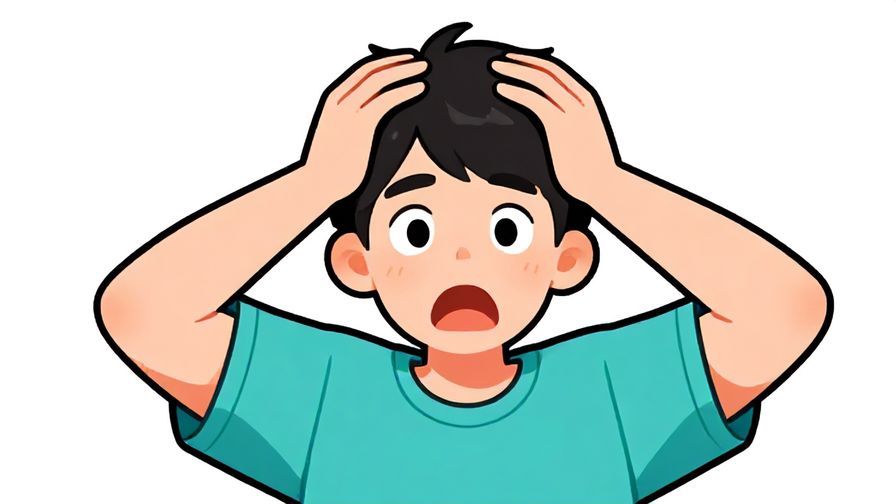
“Shimatta” is a quick exclamation meaning “Oops!” or “Darn!”
It’s commonly used when you realize you’ve made a mistake or missed something.
Very casual and expressive, perfect for everyday slip-ups.
You can combine it with other phrases for more detail.
It’s a great go-to for surprise and regret.
Try using “shimatta” to instantly express “I should have seen that coming” in a fun way.
19. ああ、やられた (Aa, yarareta) – “Ah, I got caught!”
“Yarareta” means “I got done in” or “caught.”
Used casually to admit being outsmarted or surprised by something you missed.
It’s playful and relatable, showing you accept the situation.
Perfect among friends when something obvious slipped past you.
It shows humor and humility together.
Use this phrase to keep things light while admitting fault.
20. やっぱりかぁ (Yappari kaa) – “So that’s how it is, huh?”

“Yappari kaa” adds a drawn-out “kaa” for emphasis, showing you’re resigned but understanding.
It’s casual and often used when you finally get what was going on.
Use it to express that you should have guessed sooner.
It’s friendly and slightly humorous.
Good for everyday conversations about surprises or realizations.
Try it to sound laid-back and natural.
21. うわ、見逃した!(Uwa, minogashita!) – “Wow, I totally missed that!”
“Uwa” is an exclamation like “Wow,” and “minogashita” means “I missed it.”
This phrase shows strong surprise and admission of missing something.
It’s casual, perfect for surprising moments.
Use it when you want to express genuine shock at your oversight.
It’s highly relatable and expressive.
Great for storytelling or reacting to unexpected events.
22. 何で気づかなかったんだろう (Nande kizukanakattan darou) – “Why didn’t I notice?”
This phrase is a casual self-question about why you didn’t notice something.
“Nande” means “why,” “kizukanakattan” is the negative past of “notice,” and “darou” adds a wondering tone.
It’s often used when reflecting on a missed clue or sign.
Use it to sound natural and conversational when talking about hindsight.
It’s relatable and often used among friends or in informal settings.
Practice this to express genuine self-questioning in Japanese.
Concluding Thought
Learning these 22 phrases opens a window into how Japanese speakers express regret, surprise, and hindsight with warmth and nuance.
From polite admissions to casual exclamations, each phrase helps you sound more natural and emotionally connected in your conversations.
So next time you think “I should have seen that coming,” you’ll have the perfect Japanese phrase ready to share your moment of realization with style and authenticity.