22 Japanese ways to say “I promise”
Promises are powerful. They connect us to others and show our sincerity.
In Japanese, there are many warm and nuanced ways to say “I promise,” depending on your relationship and the situation.
From casual chats with friends to formal commitments, the language captures promise beautifully.
Let’s explore 22 Japanese phrases to express “I promise” in heartfelt, relatable ways.
Learning these will help you sound natural and deepen your cultural understanding.
Ready to make your promises count? Let’s dive in!
Getting Started: How Promises Work in Japanese
Japanese has different levels of politeness and subtle ways to express commitment.
Some phrases are casual, perfect for friends, while others are formal or poetic, ideal for serious promises.
Knowing when to use each one helps you communicate clearly and kindly.
Sometimes, a simple language guide can clarify when to pick which phrase.
The key is to match your words to your feelings and the listener’s expectations.
Once you get the hang of it, promising in Japanese feels natural and meaningful.
Part 1: Casual Suggestions
1. 約束する (Yakusoku suru) – “I promise.”

This is the most straightforward way to say “I promise.”
“Yakusoku” (やくそく / yah-koo-soh-koo) means “promise,” and “suru” (する / soo-roo) means “to do.” Together, it means “to make a promise.”
It’s casual yet clear and works perfectly with friends or family.
Using this phrase shows you’re serious but not too formal.
You can say “Yakusoku shimasu” for a slightly more polite tone.
Try this phrase to confidently promise without overthinking it!
2. 約束ね! (Yakusoku ne!) – “It’s a promise, okay?”

This adds a soft, friendly nuance with “ne” which invites agreement.
“Ne” (ね / neh) is like saying “right?” or “okay?” at the end of a sentence to check in.
It’s a cute, casual way to confirm a promise between close friends.
Watch out not to overuse it in formal situations.
Example: “明日行くよ、約束ね!” (Ashita iku yo, yakusoku ne!) – “I’ll go tomorrow, promise!”
This phrase is perfect for lighthearted promises with people you trust.
3. 絶対だよ! (Zettai da yo!) – “Absolutely, I promise!”

“Zettai” (ぜったい / zet-tah-ee) means “absolute” or “definitely.”
Saying “Zettai da yo” shows strong commitment in an informal way.
It’s like saying “No doubt about it!” or “I swear!”
Perfect when you want to emphasize your promise strongly.
It’s casual but powerful, so use it with people who appreciate your sincerity.
Great for promises that mean a lot but don’t require formality.
4. 必ずやるよ (Kanarazu yaru yo) – “I’ll definitely do it.”

“Kanarazu” (かならず / kah-nah-rah-zoo) means “without fail” or “definitely.”
“Yaru” (やる / yah-roo) is a casual verb for “to do.”
This phrase is a great way to promise action confidently and casually.
It’s often used among friends or colleagues.
Watch out: “Yaru” is casual, so avoid with elders or formal settings.
Try it when you want to sound sure and ready to follow through.
5. 絶対に守るよ (Zettai ni mamoru yo) – “I’ll absolutely keep it.”

“Mamoru” (まもる / mah-moh-roo) means “to protect” or “to keep.”
“Zettai ni” emphasizes absolute certainty.
This phrase expresses a firm promise to keep your word or a commitment.
It’s casual but heartfelt, great among close people.
Use it when you want to reassure someone you won’t break a promise.
It’s a warm way to say “I’m serious about this.”
6. 約束するからね (Yakusoku suru kara ne) – “Because I promise, okay?”

This phrase adds “kara ne” (からね / kah-rah neh) which means “because” plus a soft ending.
It’s a gentle, friendly way to emphasize your promise as a reason or reassurance.
Great for comforting friends or family casually.
It feels warm and personal without sounding stiff.
Try it when you want to reassure someone with a promise.
It helps build trust naturally in everyday speech.
7. 約束だよ (Yakusoku da yo) – “It’s a promise.”

Simple and direct, “Yakusoku da yo” states “It’s a promise.”
“Da” (だ / dah) adds a casual but confident tone.
It’s perfect for a friendly but serious confirmation.
Works well when you want to underline your commitment simply.
Common in daily conversations among friends.
Use it to affirm your promise with warmth and clarity.
8. 約束しとくね (Yakusoku shitoku ne) – “I’ll promise (in advance), okay?”

“Shitoku” (しとく) is a casual contraction of “shite oku,” meaning “do something in advance.”
Adding “ne” softens the phrase, making it friendly.
This is a laid-back way to promise something proactively.
Great for informal settings and close relationships.
It shows you’re prepared to keep your word without pressure.
Perfect for everyday casual promises.
Part 2: Polite & Formal Suggestions
9. お約束します (Oyaku soku shimasu) – “I humbly promise.”
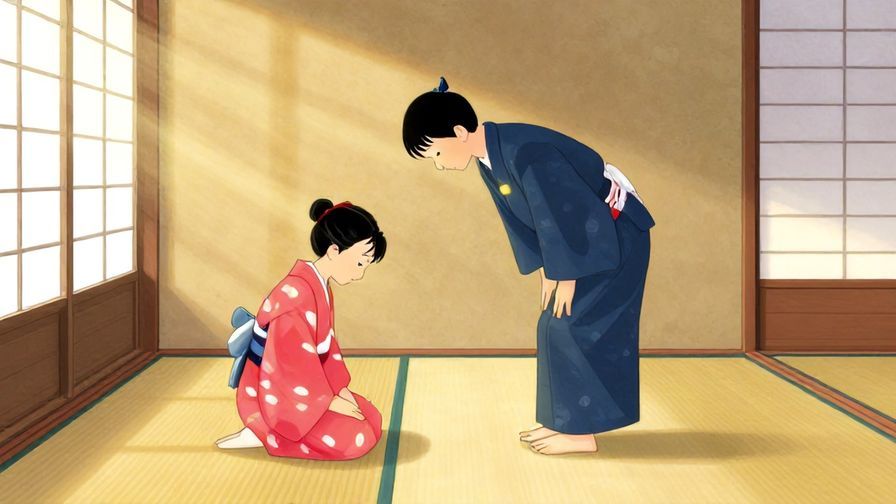
Adding “o” (お) before “yakusoku” makes it more polite.
“Shimasu” is the polite form of “suru.”
Use this when you want to make a respectful, formal promise.
Perfect for business, formal letters, or serious commitments.
It shows humility and respect in your promise.
Try this phrase in situations where politeness matters.
10. 必ずお守りします (Kanarazu omamori shimasu) – “I will definitely keep (my promise).”

“Omamori” (おまもり) is the polite form of “mamoru.”
“Kanarazu” adds certainty, and “shimasu” is polite “do.”
This phrase is a formal, respectful way to promise you will keep your word.
Great for work or important personal promises.
It communicates sincerity and dedication politely.
Use it to show commitment with a formal tone.
11. お約束いたします (Oyaku soku itashimasu) – “I solemnly promise.”

“Itashimasu” is a very polite version of “shimasu.”
This phrase is highly respectful and formal.
Use it in official documents, announcements, or serious pledges.
It expresses solemn commitment beyond casual promises.
It’s less common in daily speech, more for formal occasions.
Perfect when you want to sound truly honorable and serious.
12. 確約いたします (Kakuyaku itashimasu) – “I firmly promise.”

“Kakuyaku” (確約) means “firm promise” or “guarantee.”
Combined with “itashimasu,” it’s a very formal pledge.
Often used in contracts, business, or legal contexts.
Shows strong assurance and responsibility.
Not used casually, but important in professional settings.
Great to learn if you want to speak Japanese formally in business.
13. 約束させていただきます (Yakusoku sasete itadakimasu) – “Allow me to promise.”

This humble phrase literally means “I will be allowed to promise.”
It’s a respectful way to express your commitment.
Used in formal conversations or customer service.
Shows politeness and deference to the listener.
It’s slightly longer but very polite and professional.
Try this phrase to impress in formal Japanese settings.
14. お約束申し上げます (Oyaku soku moushiagemasu) – “I respectfully promise.”
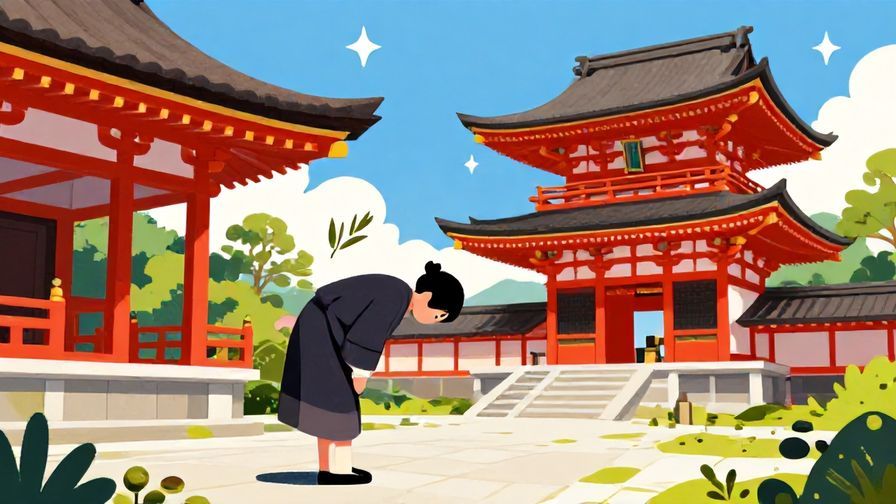
“Moushiagemasu” is a humble and formal verb to say “say” or “offer.”
Adding it to “oyakusoku” makes your promise very respectful.
Used in very polite formal letters or speeches.
Shows utmost sincerity and respect.
It’s formal and poetic, not for casual use.
Ideal when you want to sound dignified and earnest.
15. 必ず遂行いたします (Kanarazu suikou itashimasu) – “I will definitely carry out (my promise).”

“Suikou” (遂行) means “carry out” or “accomplish.”
Combined with “kanarazu” and “itashimasu,” it’s a strong formal commitment.
Used in professional or official promises.
Shows reliability and determination to deliver.
Not casual, but excellent for serious undertakings.
Learn this phrase to express strong formal promises.
16. ご安心ください、約束いたします (Goanshin kudasai, yakusoku itashimasu) – “Please rest assured, I promise.”

This phrase combines politeness, reassurance, and promise.
“Goanshin kudasai” means “please don’t worry.”
It’s perfect when you want to soothe concerns while promising.
Used in customer service, formal talks, or serious promises.
It’s warm yet professional.
Use it to comfort and commit simultaneously.
Part 3: Very Casual / Native-like Expressions
17. 約束だぜ! (Yakusoku da ze!) – “It’s a promise, dude!”

“Ze” (ぜ) adds a rough, masculine, very casual tone.
This is how close male friends might promise casually.
It’s friendly but informal, so use only with good friends.
It conveys confidence and a hint of playfulness.
Not suitable for formal or mixed company.
Perfect for sounding like a native guy among pals.
18. 約束ってば! (Yakusoku tte ba!) – “Seriously, it’s a promise!”

“Tte ba” adds emphasis in a cute, informal way.
It’s often used by young people, especially women.
Shows a mix of seriousness and lightheartedness.
Great for casual conversations where you want to sound natural.
A fun way to underline your promise without pressure.
Try it to sound friendly and approachable.
19. 約束しちゃうよ (Yakusoku shichau yo) – “I’m gonna promise (you)!”

“Shichau” is a casual contraction of “shite shimau” meaning “to do completely.”
This makes the promise sound spontaneous and lighthearted.
Often used in casual speech among close friends or lovers.
It’s playful and affectionate.
Use it to add charm and warmth to your promise.
Perfect for informal, friendly promises.
20. 約束だよ、マジで (Yakusoku da yo, maji de) – “It’s a promise, seriously.”

“Maji de” means “seriously” or “for real.”
Adding it strengthens your promise with casual earnestness.
It’s common among younger people emphasizing sincerity.
Use it when you want to be clear but informal.
Great for important promises among friends.
It helps you sound honest and straightforward.
21. 絶対守るからな! (Zettai mamoru kara na!) – “I’ll definitely keep it, okay?”

“Kara na” softens the strong “zettai mamoru,” adding a friendly vibe.
It’s informal and used between close friends.
Shows both confidence and warmth.
Great for promises you want to sound both firm and kind.
Try this to sound like a native speaker making a heartfelt promise.
It’s a popular everyday phrase with emotional weight.
22. 約束しとくから安心して (Yakusoku shitoku kara anshin shite) – “I promise, so don’t worry.”

This phrase combines a promise with reassurance in a casual way.
“Anshin shite” means “don’t worry.”
It’s warm and comforting, perfect for close relationships.
Shows you care and want to relieve anxiety.
Use it when making promises that ease concerns.
It’s a natural, heartfelt way to connect through language.
Concluding Thought
Exploring these 22 ways to say “I promise” in Japanese shows how rich and beautiful the language is.
Each phrase carries a unique shade of sincerity, warmth, and respect, fitting different moments and relationships.
With these expressions, you can build trust and deepen bonds in Japanese—with a heartfelt promise that truly resonates.