22 Japanese ways to say “I never want to see you again”
Sometimes, there are moments when you just want to say a firm goodbye and never look back. In Japanese, expressing that feeling can be done in many ways, ranging from casual to formal, direct to subtle.
Whether you’re learning the language for travel, culture, or just for fun, knowing different ways to say “I never want to see you again” can come in handy. And it’s fascinating to see how tone and word choice shape the message.
In this listicle, I’ll walk you through 22 Japanese expressions that convey the sentiment of wanting to cut ties completely. Some are blunt, others more polite, and a few are very natural-sounding phrases used by natives.
Each phrase has pronunciation guides and explanations so you can use them confidently and appropriately. Plus, there’s a little tip or context to help you remember them better.
Before we dive in, if you want a great resource on Japanese expressions, check out this beginner phrasebook that covers the essentials and more.
Ready to explore these phrases? Let’s get started!
Understanding the Basics
Before jumping into the phrases, it’s good to know that Japanese language often softens harsh feelings with indirect expressions. Some phrases might sound strong in English but are more nuanced in Japanese.
Choosing the right phrase depends on your relationship, the situation, and how blunt or polite you want to be. This guide covers a spectrum so you can pick what fits best.
Keep in mind that tone and body language also play huge roles in conveying your feelings.
If you want to deepen your understanding, a good language learning book can really help you get the nuances down.
With that said, here are 22 ways to say “I never want to see you again” in Japanese.
Some are friendly yet firm, others are downright serious — use responsibly!
Part 1: Casual Suggestions
1. 二度と会いたくない (Nido to aitakunai) – “I never want to see you again.”
This is the most straightforward way to say “I never want to see you again.”
二度と (Nido to) means “never again,” 会いたくない (aitakunai) means “don’t want to meet.” Put together, it’s a strong and clear message.
Use this when you want to be direct but not rude.
It’s a solid go-to for ending things firmly.
A related phrase is 二度と来ないで (Nido to konai de) meaning “never come again.”
Practice this phrase aloud to get comfortable with the negative form.
2. あなたとはもう終わり (Anata to wa mou owari) – “It’s over between us.”

This phrase literally means “It’s over with you.”
It’s casual but emotionally clear, often used in breakups or ending a relationship.
It’s less harsh than saying you never want to see them but still final.
Be careful not to say this lightly if you want to keep things friendly.
“終わり” (owari) means “end,” so it’s a neat way to signal closure.
This phrase works well in spoken conversations.
3. 関わりたくない (Kakawaritakunai) – “I don’t want to be involved with you.”
This phrase expresses a desire to avoid any connection.
関わりたくない (kakawaritakunai) means “don’t want to be involved.”
It’s a bit softer than “never want to see you” but clearly shows you want distance.
Great for situations where you want to keep things polite but firm.
Adding “もう” (mou) before 関わりたくない increases the emphasis: もう関わりたくない.
Try using it when you want to set clear boundaries.
4. もう会わない (Mou awanai) – “I won’t see you anymore.”
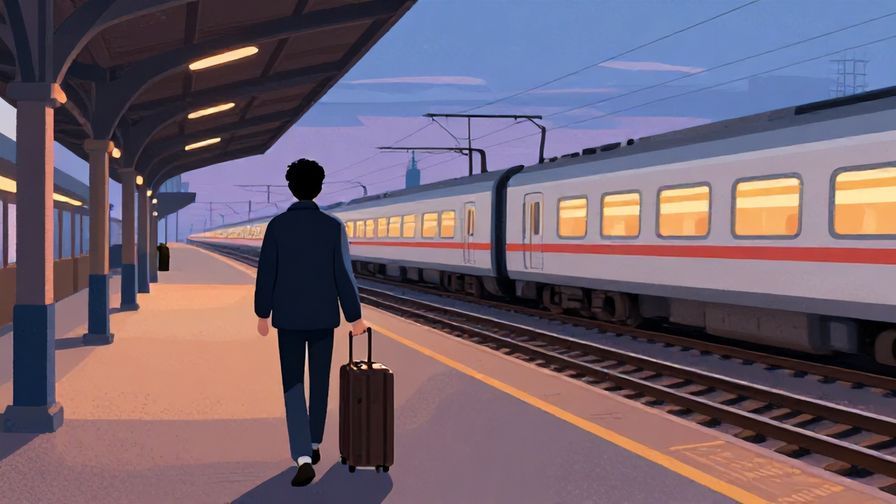
Short and to the point, this phrase means you won’t meet again.
もう (mou) means “anymore” and 会わない (awanai) is “won’t meet.”
It’s casual but definitive.
Useful when you want a clean break without sounding too harsh.
It’s commonly used among friends or acquaintances ending contact.
Practice by imagining a farewell scene.
5. あなたのことは忘れる (Anata no koto wa wasureru) – “I will forget about you.”

This phrase is more emotional, implying you’re moving on completely.
あなたのこと (anata no koto) means “about you,” and 忘れる (wasureru) means “to forget.”
It’s a gentle yet strong way to say you want no more contact.
It’s also a good phrase to express closure with a little grace.
You might hear this in dramatic contexts or heartfelt breakups.
Try pairing it with phrases about moving forward for practice.
6. 二度と顔を見たくない (Nido to kao o mitakunai) – “I never want to see your face again.”

This one is more intense and personal.
二度と (nido to) is “never again,” 顔を見たくない (kao o mitakunai) means “don’t want to see your face.”
It’s a strong phrase often used when someone is really upset.
Be careful—this can hurt feelings deeply.
It’s perfect for dramatic farewells or serious conflicts.
Pronounce it slowly to capture the emotion behind it.
7. もうあなたには関わらない (Mou anata ni wa kakawaranai) – “I won’t get involved with you anymore.”

This phrase is a bit longer but very clear.
もう (mou) means “anymore,” あなたには (anata ni wa) means “with you,” and 関わらない (kakawaranai) means “won’t get involved.”
It’s a step beyond just “don’t want to be involved” — it’s a firm decision.
Useful for ending ties in a mature, slightly formal way.
It can be conversational or written.
Try breaking it down into chunks to memorize.
8. 消えてほしい (Kiete hoshii) – “I want you to disappear.”
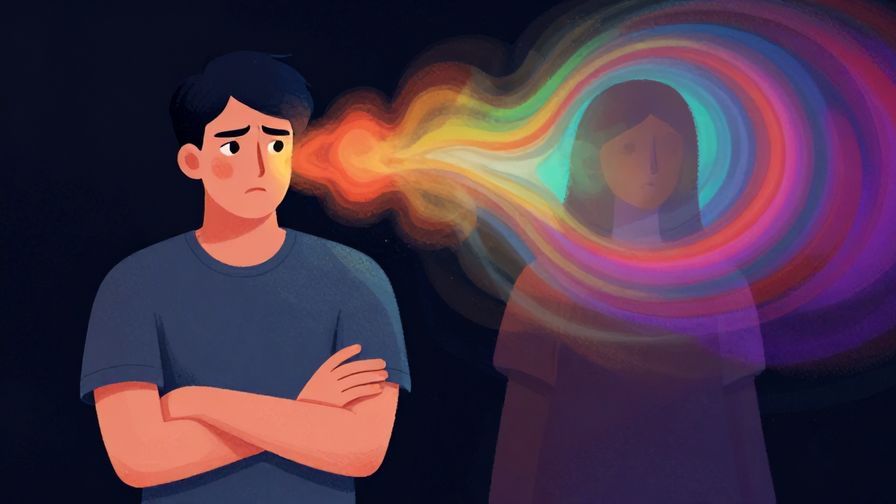
This is a harsh, emotional phrase.
消えて (kiete) means “disappear,” and ほしい (hoshii) means “I want.”
It’s a blunt way to say you want no contact at all.
Use this only in very serious or heated situations.
It’s rarely used lightly because it’s quite strong.
Pronounce carefully, as it can sound aggressive.
Part 2: Polite & Formal Suggestions
9. 今後お目にかかりたくありません (Kongo ome ni kakaritaku arimasen) – “I do not wish to see you from now on.”

This is a very polite way to say you don’t want to meet again.
今後 (kongo) means “from now on,” お目にかかりたくありません (ome ni kakaritaku arimasen) is a humble expression for “do not want to meet.”
Perfect for formal or business contexts.
It sounds respectful but firm.
Useful if you want to break ties without rudeness.
Practice the pronunciation slowly to maintain the polite tone.
10. もう二度とお会いしたくありません (Mou nido to oaishitaku arimasen) – “I never want to meet you again.”

This is another polite but strong phrase.
もう二度と (mou nido to) means “never again,” お会いしたくありません (oaishitaku arimasen) means “do not want to meet.”
Used mostly in formal or serious situations.
It’s clear and leaves no room for misunderstanding.
Good for written communication too.
Keep the tone calm to avoid sounding harsh.
11. 今後の関わりは控えさせていただきます (Kongo no kakawari wa hikaesasete itadakimasu) – “I will refrain from further involvement.”

This phrase is very polite and formal.
今後の関わり (kongo no kakawari) means “future involvement,” 控えさせていただきます (hikaesasete itadakimasu) means “I will refrain.”
It’s perfect for professional contexts when ending contact.
Keeps the tone respectful but clearly sets boundaries.
It sounds less personal and more official.
Useful for workplace emails or meetings.
12. お付き合いを終わらせていただきます (Otsukiai o owarasete itadakimasu) – “I will end our association.”

This is a polite way to say you’re ending your relationship.
お付き合い (otsukiai) means “association” or “relationship,” 終わらせていただきます (owarasete itadakimasu) means “I will end.”
Common for formal or business relationships.
It’s firm without being rude.
Good for emails or official statements.
Practice using it in formal role-plays for fluency.
13. 今後はご連絡を控えていただきたいです (Kongo wa gorenraku o hikaete itadakitai desu) – “I would like you to refrain from contacting me.”
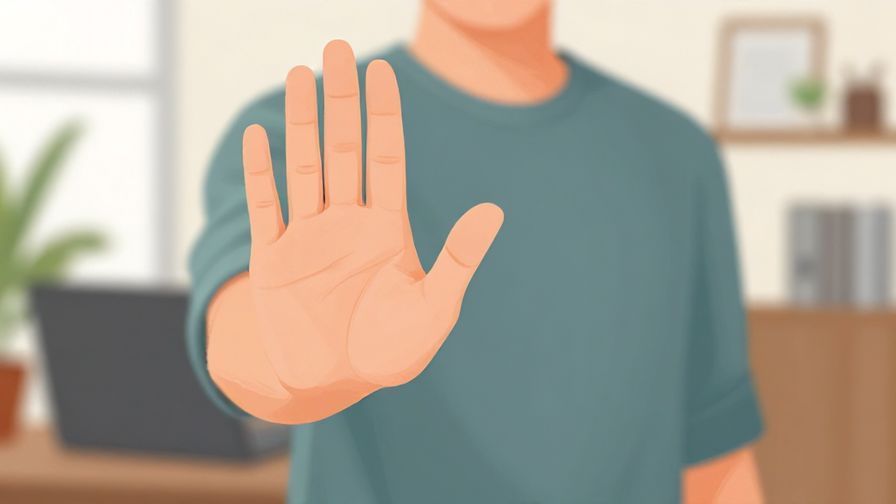
This phrase politely asks someone not to contact you anymore.
今後は (kongo wa) means “from now on,” ご連絡 (gorenraku) means “contact,” and 控えていただきたいです (hikaete itadakitai desu) means “I would like you to refrain.”
It’s clear but polite.
Perfect for difficult conversations where you want to remain respectful.
It’s often used in writing.
Try using it in polite email drafts.
14. これ以上の関係を望みません (Kore ijou no kankei o nozomimasen) – “I do not wish to continue this relationship any further.”

This phrase is formal and final.
これ以上 (kore ijou) means “any further,” 関係 (kankei) means “relationship,” 望みません (nozomimasen) means “do not wish.”
It politely ends the relationship without harshness.
Good for official or serious personal situations.
It’s easy to remember because it uses common words.
Use it in calm discussions or writing.
15. 今後は接触を避けたいです (Kongo wa sesshoku o saketai desu) – “I want to avoid contact from now on.”

This is a polite but assertive phrase.
今後は (kongo wa) means “from now on,” 接触 (sesshoku) means “contact,” 避けたいです (saketai desu) means “want to avoid.”
Good for expressing a desire to keep distance.
It’s less harsh than “never want to see you.”
Works well in both spoken and written form.
Practice tone to keep it respectful.
16. お顔を拝見したくありません (Okao o haiken shitaku arimasen) – “I do not wish to see your face.”

A formal and polite way to say you don’t want to see someone.
お顔 (okao) means “face,” 拝見したくありません (haiken shitaku arimasen) is humble for “do not wish to see.”
It’s very respectful but firm.
Ideal in formal or delicate situations.
Sounds much softer than the casual equivalent.
Try practicing this in polite conversations.
Part 3: Very Casual / Native-like Expressions
17. もう関わらないで (Mou kakawaranai de) – “Don’t get involved with me anymore.”
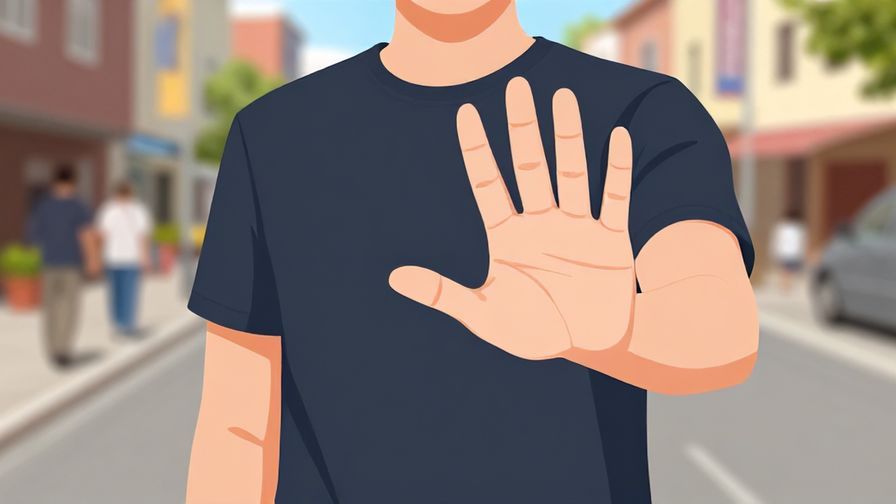
This is a blunt, casual way to set boundaries.
もう (mou) means “anymore,” 関わらないで (kakawaranai de) means “don’t get involved.”
Commonly used among friends or people who know each other well.
It can sound a bit rough, so use carefully.
It’s great for expressing frustration without being too formal.
Try saying it with a calm but firm tone.
18. 二度と来ないで (Nido to konai de) – “Don’t ever come back.”
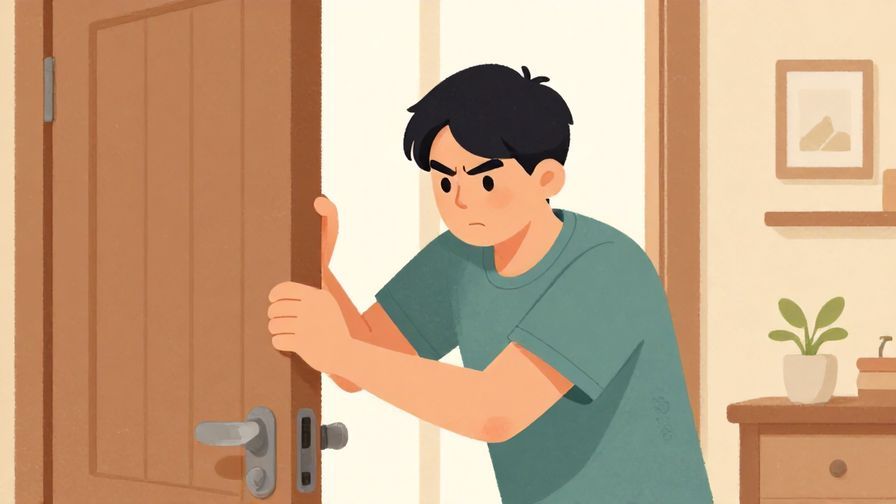
This phrase is very direct and strong.
二度と (nido to) means “never again,” 来ないで (konai de) means “don’t come.”
It’s often used in emotional moments.
Not suitable for formal or polite situations.
Perfect for expressing finality.
Practice the phrase to get comfortable with the tone.
19. あっち行け (Acchi ike) – “Go away.”

A very casual and sharp phrase to tell someone to leave.
あっち (acchi) means “that way,” 行け (ike) is the imperative “go.”
Only use with close friends in teasing or serious situations.
Can be rude if used improperly.
It’s common in casual speech among younger people.
Good to know for understanding native conversations.
20. もう見たくない (Mou mitakunai) – “I don’t want to see you anymore.”
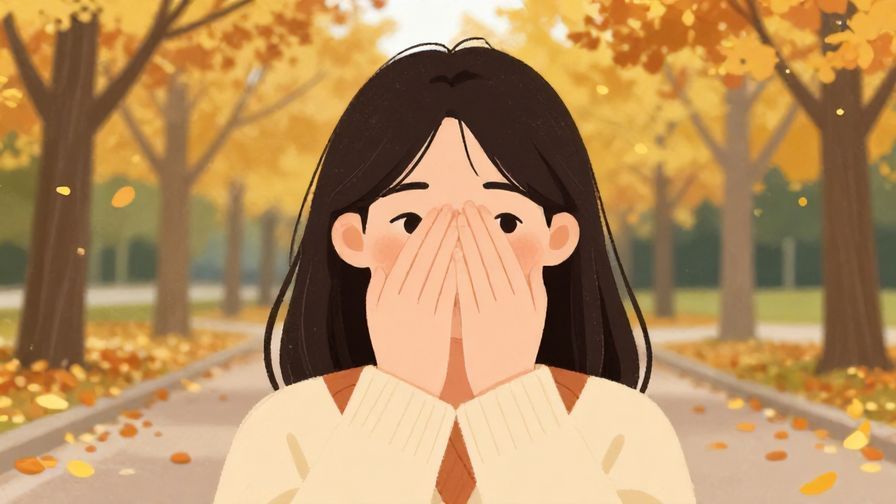
Simple, casual, and effective.
もう (mou) means “anymore,” 見たくない (mitakunai) means “don’t want to see.”
Used often among friends or in emotional moments.
Less formal, so tone matters.
It’s direct but less harsh than some alternatives.
Practice saying it gently or firmly depending on context.
21. もう二度と関わらないで (Mou nido to kakawaranai de) – “Don’t ever get involved with me again.”

A native-like phrase combining emphasis and command.
もう二度と (mou nido to) means “never again,” 関わらないで (kakawaranai de) means “don’t get involved.”
It’s a strong boundary phrase.
Use only in serious or emotional disputes.
Sounds natural among native speakers.
Practice to keep the command clear but not overly aggressive.
22. 消えて (Kiete) – “Disappear.”
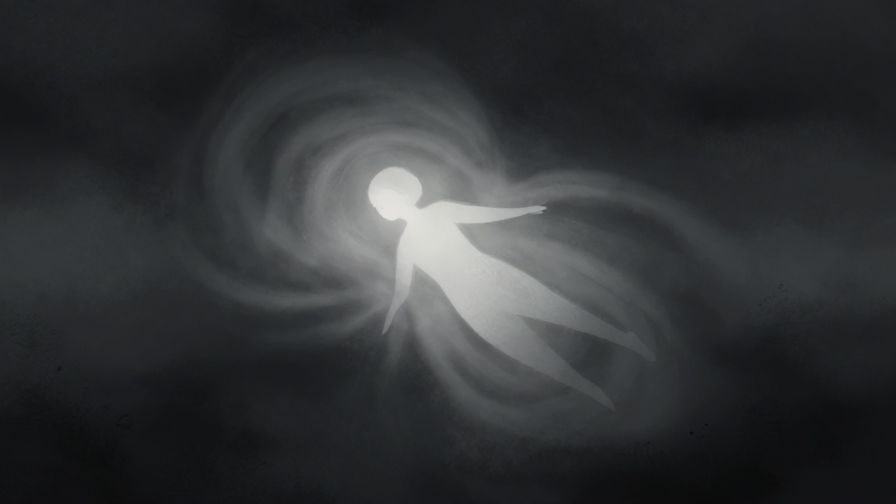
The shortest and sharpest way to say “go away” in Japanese.
消えて (kiete) means “disappear” and is a command.
Very rude and should be used only in extreme cases.
It conveys strong rejection and anger.
Mostly heard in movies or intense arguments.
Use with caution and awareness of the impact.
Concluding Thought
Learning these phrases gives you a glimpse into how Japanese expresses rejection and finality with varying degrees of politeness and emotion.
Understanding the tone, context, and relationship is key to choosing the right phrase and not hurting feelings unnecessarily.
With practice, you’ll be able to navigate tricky conversations in Japanese with confidence and cultural awareness. Keep exploring and learning!