22 Japanese ways to say “I hope not”
Sometimes, you just want to gently say “I hope not” without sounding too harsh or too casual. In Japanese, there are so many ways to express this sentiment, each with its own flavor and nuance.
Whether you’re chatting with friends or speaking politely in a more formal setting, Japanese has just the right phrase for you. The beauty of the language lies in these subtle differences.
Learning these variations not only helps you sound more natural but also connects you to the culture behind the words.
Think of this list as a warm guide to gently express your hopes and hesitations in Japanese. It’s friendly, practical, and perfect for everyday use.
Plus, mastering these phrases will boost your confidence and make your conversations more meaningful.
Ready to add some gentle “I hope not” vibes to your Japanese? Let’s dive in!
Getting Comfortable with Different Tones
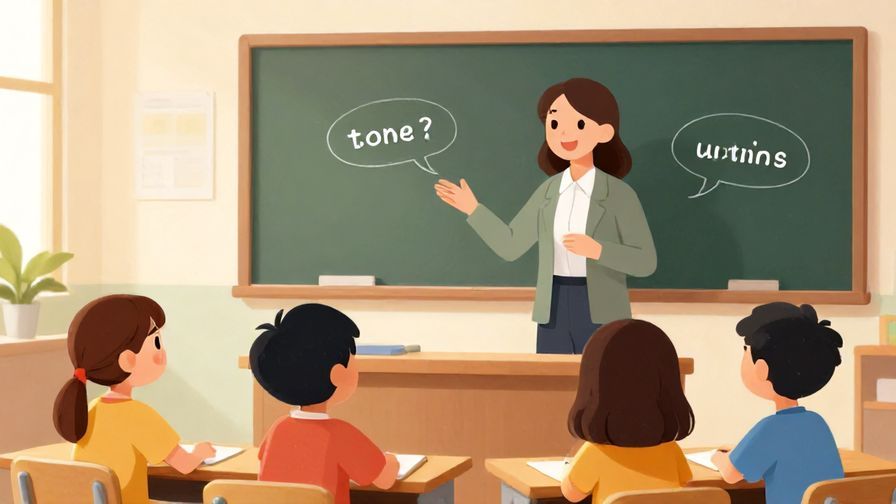
Before we jump into the list, it’s good to know that Japanese offers casual, polite, and very casual ways to say “I hope not.”
This variety helps you match your words to the context, whether with close friends or in a professional setting. The more you practice, the easier it becomes to pick the right tone.
Letting your feelings through language gets easier when you have options at your fingertips.
Sometimes, using a great beginner phrasebook can give you a perfect starting point for a cohesive understanding.
When you know your options, you can easily adjust your language to any situation.
It’s a small step that makes a big difference in communication.
Part 1: Casual Suggestions
1. 行けたら行く (Iketara iku) – “I’ll come if I can.”

This soft way of hinting you hope not to commit is very common in casual talk.
“Iketara” means “if I can go,” and “iku” means “I’ll go.” Together, it’s a polite way to say “maybe.”
It’s great because it sounds hopeful but non-committal, perfect for beginners.
Use it when you want to keep your options open without outright refusal.
A related phrase is “考えておく (Kangaete oku),” meaning “I’ll think about it.”
It’s a gentle way to stay non-committal without sounding rude.
2. そうならないといいな (Sou naranai to ii na) – “I hope it won’t be like that.”

This phrase literally says, “It would be good if it doesn’t become that way.”
It’s easy to say and clearly shows your hope that something negative won’t happen.
Practice it by imagining situations you want to avoid.
Just be careful not to sound too formal in casual chats.
In conversation, you might hear: “台風が来ないといいな (Taifuu ga konai to ii na)” – “I hope the typhoon doesn’t come.”
This phrase is super natural and comforting to use.
3. そんなことないといいな (Sonna koto nai to ii na) – “I hope that’s not the case.”
This is a friendly and relatable way to express hope that something bad isn’t true.
“Sonna koto” means “such a thing,” and “nai to ii na” means “hope it’s not.”
It’s simple and effective for everyday conversations.
Use it when you hear bad news but want to stay optimistic.
It pairs well with “信じたくない (Shinjitakunai)” meaning “I don’t want to believe it.”
Both show your gentle resistance to bad possibilities.
4. 大丈夫じゃないといいな (Daijoubu janai to ii na) – “I hope it’s not okay (meaning bad).”
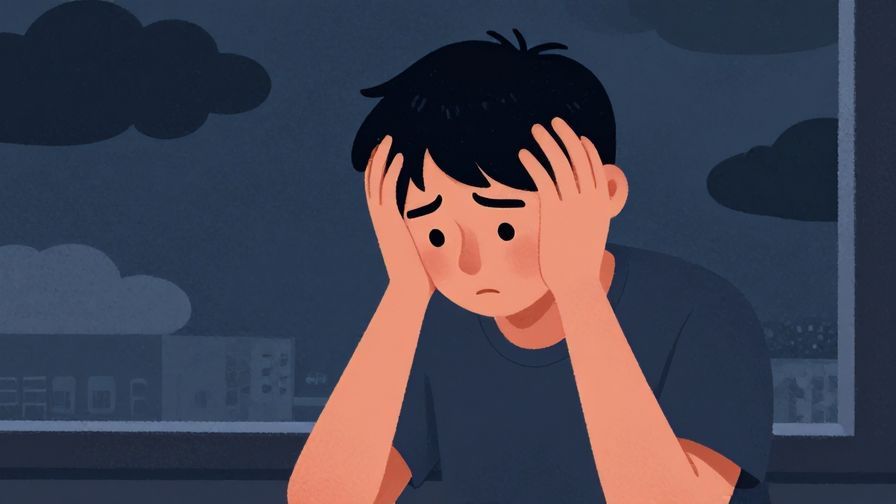
This phrase is a bit tricky since “daijoubu” usually means “okay,” but here it flips to a negative hope.
It’s used when you hope something serious isn’t happening.
Great for expressing concern without sounding dramatic.
Use it carefully, especially with close friends who understand your tone.
You might hear: “病気じゃないといいな (Byouki janai to ii na)” – “I hope it’s not illness.”
It’s a soft way to show worry and hope at the same time.
5. そうじゃないといいな (Sou janai to ii na) – “I hope it’s not like that.”

This simple phrase works well to express your hope that a situation isn’t as expected.
“Sou” means “that way,” and “janai to ii na” means “hope it’s not.”
It’s a handy phrase that you can memorize easily.
Use it when you want to subtly disagree or express concern.
Example: “明日雨が降らないといいな (Ashita ame ga furanai to ii na)” – “I hope it doesn’t rain tomorrow.”
It’s casual but polite enough for most conversations.
6. そう思いたくないな (Sou omoitakunai na) – “I don’t want to think that.”
This phrase shows your internal hope by expressing reluctance to accept a negative thought.
“Omoi” means “think,” and “takunai” is “don’t want to.”
It’s emotionally expressive and feels very natural in conversation.
Use it when you want to share your feelings honestly but gently.
A similar phrase is “信じたくない (Shinjitakunai),” meaning “I don’t want to believe it.”
Both are great for soft emotional expressions.
7. そうならないことを願う (Sou naranai koto o negau) – “I wish it won’t be like that.”

This is a slightly more formal and hopeful way to say “I hope not.”
“Negau” means “to wish,” so it adds a prayerful tone.
It’s perfect for writing or more thoughtful speech.
Try it when you want to sound sincere and caring.
For example, “事故が起きないことを願う (Jiko ga okinai koto o negau)” means “I wish no accident happens.”
It brings a hopeful and peaceful feeling to your words.
8. そうじゃなければいいな (Sou janakereba ii na) – “It’d be good if it’s not that.”

This phrase is a gentle way to say you hope something negative isn’t true, with a hopeful twist.
“Janakereba” means “if not,” softening the statement.
It’s easy to remember and very natural sounding.
Use it in conversations where you want to sound polite but casual.
Example: “問題がなければいいな (Mondai ga nakereba ii na)” means “I hope there’s no problem.”
It’s a great phrase to keep in your casual Japanese toolkit.
Part 2: Polite & Formal Suggestions
9. そうでないことを願っています (Sou de nai koto o negatte imasu) – “I am hoping that’s not the case.”

This is a very polite and respectful way to express hope that something negative isn’t true.
“Negatte imasu” is the polite form of “negau,” showing respect.
It’s ideal for formal emails or conversations with superiors.
Use it to sound considerate and professional.
Example: “問題が発生しないことを願っています (Mondai ga hassei shinai koto o negatte imasu)” – “I hope no problems occur.”
This phrase shows care and professionalism at once.
10. そうでないことを望みます (Sou de nai koto o nozomimasu) – “I wish it wouldn’t be like that.”

“Nozomimasu” is another polite verb for “wish,” often used in formal settings.
This phrase adds a slightly stronger tone of hope than “negatte imasu.”
It’s great for speeches, announcements, or official statements.
Use it when you want to express a sincere wish politely.
Example: “トラブルが起こらないことを望みます (Toraburu ga okoranai koto o nozomimasu)” means “I wish no troubles happen.”
It’s respectful and heartfelt.
11. そうでないといいと思います (Sou de nai to ii to omoimasu) – “I think it would be good if it’s not so.”

This combines “ii to omoimasu” meaning “I think it would be good,” with hope.
It’s polite but still personal, making it perfect for work or formal social settings.
It sounds hopeful without being too direct.
Use it to express your opinion gently.
Example: “遅刻しないといいと思います (Chikoku shinai to ii to omoimasu)” means “I think it’d be good if there’s no tardiness.”
This phrase balances politeness with friendliness well.
12. そうでないことを期待しています (Sou de nai koto o kitai shite imasu) – “I am expecting that not to be so.”

“Kitai shite imasu” means “I am expecting,” which is polite and hopeful.
It’s useful for expressing hopeful anticipation formally.
Try it in business emails or when discussing plans.
Example: “問題がないことを期待しています (Mondai ga nai koto o kitai shite imasu)” means “I expect there will be no problems.”
This phrase sounds optimistic yet professional.
13. そうではないことを願いたいです (Sou de wa nai koto o negaitai desu) – “I would like to hope it’s not so.”

This phrase uses “negaitai,” meaning “would like to hope,” adding a polite wishful nuance.
It’s a gentle and respectful way to express hope.
Use it when you want to sound humble and sincere.
Example: “問題がないことを願いたいです (Mondai ga nai koto o negaitai desu)” means “I would like to hope there are no problems.”
Perfect for careful and thoughtful communication.
14. そうでないことを心より願います (Sou de nai koto o kokoro yori negaimasu) – “I sincerely hope it’s not so.”

This phrase adds heartfelt sincerity with “kokoro yori,” meaning “from the heart.”
It’s perfect for formal letters, ceremonies, or emotional moments.
Use it to emphasize your deep hope.
Example: “争いが起きないことを心より願います (Arasoi ga okinai koto o kokoro yori negaimasu)” means “I sincerely hope no conflict arises.”
This phrase deeply connects your feelings to your words.
15. そうでないことを祈っています (Sou de nai koto o inotte imasu) – “I am praying it’s not so.”

“Inotte imasu” means “I am praying,” giving a spiritual and very polite tone.
It’s ideal for situations needing extra empathy or respect.
Use it when you want to express deep hope or sympathy.
Example: “事故がないことを祈っています (Jiko ga nai koto o inotte imasu)” means “I am praying there are no accidents.”
This phrase carries warmth and solemnity.
16. そうでないことを願わずにはいられません (Sou de nai koto o negawazu ni wa iraremasen) – “I cannot help but hope it’s not so.”

This longer phrase expresses an uncontrollable, heartfelt hope.
“Negawazu ni wa iraremasen” means “can’t help but hope.”
Use it in written or spoken language when you want to sound deeply affected.
Example: “悲しいことが起きないことを願わずにはいられません (Kanashii koto ga okinai koto o negawazu ni wa iraremasen)” means “I can’t help but hope nothing sad happens.”
It’s a powerful, emotional expression.
Part 3: Very Casual / Native-like Expressions
17. いやだなぁ (Iyada naa) – “I really hope not.”

This casual phrase literally means “I don’t want that,” but it’s commonly used to mean “I hope not.”
It sounds very natural among friends and family.
Use it when you want to express mild dislike or worry.
It’s short and easy to remember.
Example: “明日雨?いやだなぁ (Ashita ame? Iyada naa)” – “Rain tomorrow? I hope not.”
Perfect for casual, everyday chats.
18. まさかね (Masaka ne) – “No way, I hope not.”
This phrase conveys surprise and hope that something is not true.
“Masaka” means “no way,” and “ne” softens it, making it friendlier.
It’s a perfect native-like reaction to bad news or rumors.
Use it in informal conversations.
Example: “彼が嘘ついた?まさかね (Kare ga usotsuita? Masaka ne)” – “He lied? No way, I hope not.”
This phrase adds natural emotion and warmth.
19. そんなはずないよ (Sonna hazu nai yo) – “That can’t be true, I hope not.”

This phrase expresses disbelief and hope that a statement is false.
“Hazu nai” means “there’s no way,” and “yo” adds emphasis.
It’s very natural and common among native speakers.
Use it when you want to show gentle denial.
Example: “彼がそんなこと言う?そんなはずないよ (Kare ga sonna koto iu? Sonna hazu nai yo)” – “He said that? That can’t be true.”
This phrase feels friendly and conversational.
20. ないといいなあ (Nai to ii naa) – “I hope it doesn’t happen.”
A simple and very casual way to express hope something negative won’t occur.
“Nai to ii” means “hope not,” and “naa” adds a soft emotional tone.
It’s easy to use and sounds very natural.
Use it often in daily chats.
Example: “風邪ひかないといいなあ (Kaze hikanai to ii naa)” – “I hope I don’t catch a cold.”
A soft and warm phrase to express your feelings.
21. そうじゃなきゃいいけど (Sou janakya ii kedo) – “I hope it’s not like that, though.”

This phrase uses the shortened “janakya” for “janai,” making it very casual.
“Ii kedo” means “it’d be good, but…” adding a slight hesitation.
It’s perfect for friendly conversations with nuance.
Use it when you want to sound thoughtful but casual.
Example: “彼が怒ってないといいけど (Kare ga okottenai to ii kedo)” – “I hope he’s not angry, though.”
This phrase sounds very natural in everyday speech.
22. そうならないといいなあ (Sou naranai to ii naa) – “I really hope it doesn’t happen.”

This phrase combines hope with a gentle emotional tone.
“To ii naa” adds softness and warmth to your wish.
It’s very common in spoken Japanese for expressing sincere hope.
Use it when you want to sound kind and hopeful.
Example: “試験に落ちないといいなあ (Shiken ni ochinai to ii naa)” – “I really hope I don’t fail the exam.”
It’s an endearing and natural way to express your feelings.
Concluding Thought
Exploring these 22 ways to say “I hope not” in Japanese shows just how expressive and nuanced the language can be.
Each phrase lets you gently share your feelings, from casual chats to formal conversations, making your communication richer and more heartfelt.
So go ahead, try these phrases in your next conversation, and watch your Japanese blossom with warmth and authenticity!