22 Japanese ways to say “I have to go”
Sometimes you just need to say “I have to go” — but in Japanese, there are so many ways to express this simple idea. Whether you’re rushing off, politely excusing yourself, or casually dropping the hint, there’s a phrase for every vibe.
Learning these variations can not only help you sound more natural but also deepen your understanding of Japanese social nuances. Plus, it’s fun to see how the same meaning can be conveyed with different flavors!
In this listicle, we’ll explore 22 Japanese ways to say “I have to go,” from casual to formal, and even some native-like expressions that’ll make you sound like a local.
Each phrase comes with pronunciation guides and little tips, so you can practice and remember them easily. Ready to discover your new go-to expressions?
Dive in, and let’s make your Japanese conversations smoother and more colorful!
Before you start, you might want to check out a good phrasebook to keep handy as you practice these expressions.
Common Casual Ways to Say “I Have to Go”
In everyday situations, Japanese speakers often use casual phrases to say they have to leave. These expressions are perfect for friends, family, or informal settings.
Understanding these will help you sound natural and avoid awkwardness when parting ways.
Let’s start with some easy and commonly used phrases.

Sometimes, using a great beginner phrasebook can give you a perfect starting point for a cohesive understanding.
These casual phrases are easy to slip into conversation and will make your Japanese feel more authentic.
Practice them with friends or in language exchanges to build confidence.
Part 1: Casual Suggestions
1. 行けたら行く (Iketara iku) – “I’ll come if I can.”
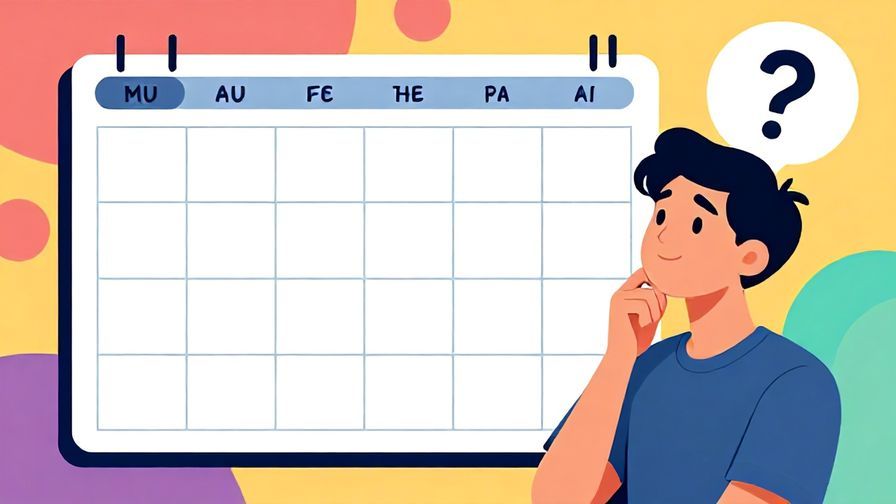
This phrase literally means “If I can go, I will go.” It’s a casual way to say you might leave or attend something but aren’t 100% sure yet.
It’s made from 行けたら (iketara) meaning “if (I) can go” + 行く (iku) meaning “to go.” Perfect for when you want to keep plans flexible.
Great for softening your departure or attendance plans without sounding too firm.
It shows politeness in an informal way by not committing outright.
You might also hear 行けるかも (ikeru kamo), meaning “I might be able to go,” which is similar.
Use this when you want to stay casual and non-committal but polite at the same time.
2. もう行くね (Mou iku ne) – “I’m going now.”

“もう行くね” is a friendly, casual way to announce your departure, literally “I’m going now.”
“もう” means “already/now,” “行く” means “to go,” and “ね” adds a soft tone, almost like “okay?” or “just so you know.” Easy to say and natural sounding.
It’s a great phrase to use when leaving a casual hangout or call.
Just be careful not to use it in formal settings; it’s best for friends and peers.
Example: After a long chat, you can say, “もう行くね” to politely signal your exit.
It helps keep the mood light and friendly as you leave.
3. そろそろ失礼します (Sorosoro shitsurei shimasu) – “I’ll excuse myself soon.”

This phrase is a gentle, polite way to say “I have to go soon” or “I’ll be leaving shortly.”
“そろそろ” means “soon,” and “失礼します” is a formal expression meaning “excuse me” or “I’m being rude” (used when leaving).
It’s perfect for work, meetings, or formal occasions where you want to be respectful.
It shows you’re mindful of the situation and polite about your departure.
Use this phrase when you want to leave but don’t want to be abrupt.
It’s a classic polite way to ease out of conversations.
4. ちょっと行かなきゃ (Chotto ikanakya) – “I have to go for a bit.”

“ちょっと” means “a little” or “a bit,” and “行かなきゃ” is a casual contraction of “行かなければならない” meaning “have to go.”
This phrase means “I have to go (for a bit),” and it’s very casual and natural among friends.
It’s useful when you need to leave for a short time or have something to do.
Make sure your tone matches the casual setting, as it’s informal.
You might hear this in everyday conversations when someone needs to dash out.
Perfect for quick exits without making a big deal.
5. もう帰るよ (Mou kaeru yo) – “I’m going home now.”

“もう帰るよ” literally translates to “I’m going home now.”
“帰る” (kaeru) means “to return home,” “もう” means “already,” and “よ” adds emphasis or friendliness.
Use this when you want to let friends or family know you’re leaving to head home.
It’s casual but clear and polite enough for everyday use.
It shows you’re wrapping up and ready to go without sounding abrupt.
Great for social settings where people expect you to say your goodbyes.
6. 行かないと (Ikanai to) – “I have to go.”

“行かないと” is a shortened form of “行かないといけない,” which means “I have to go.”
It’s casual and often used among friends or close acquaintances.
This phrase is straightforward and easy to say, making it popular in spoken Japanese.
Be sure to use it only in informal contexts.
It conveys a sense of obligation without being too heavy or formal.
Try incorporating it when you want to leave but keep the mood light.
7. そろそろ行くね (Sorosoro iku ne) – “I’m about to go.”

This phrase combines “そろそろ” (soon/about time) and “行くね” (going now with a soft particle “ne”).
It’s casual, warm, and commonly used when you want to announce your departure soon.
It feels less abrupt and more considerate, perfect for friends or coworkers.
It’s a nice way to prepare others for your leaving without sounding rushed.
Use it to maintain good vibes as you say goodbye.
A great phrase to keep your farewells friendly and smooth.
8. もう失礼するね (Mou shitsurei suru ne) – “I’ll excuse myself now.”

This is a casual but polite way to say “I’m going to leave now.”
“失礼する” means “to excuse oneself,” and “もう” indicates now or already.
Adding “ね” softens the tone, making it less formal but still considerate.
It’s perfect when you want to be polite but casual among friends or coworkers.
Use it when you want to show respect as you leave without being stiff.
This phrase strikes a nice balance for many social situations.
Part 2: Polite & Formal Suggestions
9. そろそろ失礼いたします (Sorosoro shitsurei itashimasu) – “I will excuse myself soon.”

This is a very polite and humble way to say “I have to leave soon.”
“失礼いたします” is the humble form of “失礼します,” used in formal or business settings.
Perfect for workplace situations or when speaking to superiors.
It shows respect and professionalism in your departure.
Use this phrase to leave meetings or formal gatherings gracefully.
Practicing this will help you sound polished and courteous.
10. 先に失礼します (Saki ni shitsurei shimasu) – “Excuse me for leaving before you.”

This phrase is used when you leave before others, especially in work or group settings.
“先に” means “before (others),” and “失礼します” is a polite “excuse me.”
It’s a respectful way to signal you are departing first.
Commonly used in offices or formal social settings.
This phrase reflects good etiquette and consideration.
Try it next time you leave a meeting early or a group event.
11. お先に失礼いたします (Osaki ni shitsurei itashimasu) – “I will excuse myself ahead.”
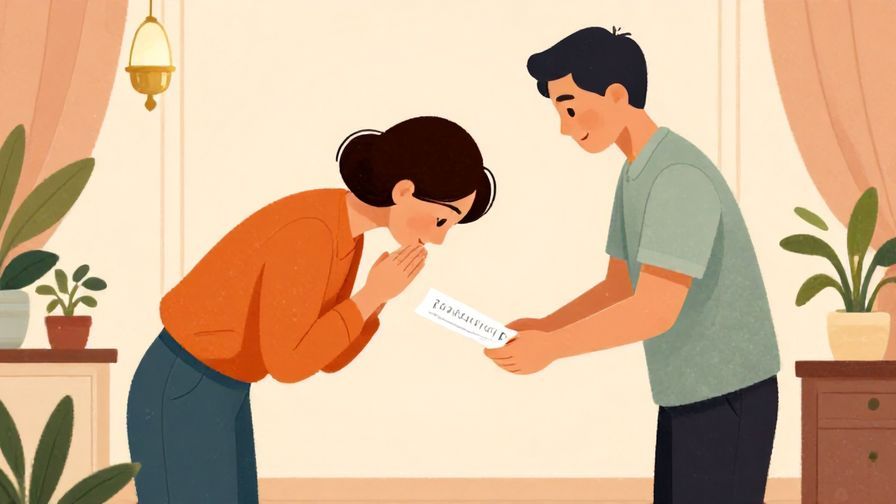
This is the humble and very polite version of “先に失礼します.”
Adding the prefix “お” and using “いたします” elevates the politeness level.
Use it in very formal business contexts or with people you respect deeply.
It shows humility and respect as you leave before others.
Perfect when you want to be especially courteous.
Mastering this phrase boosts your formal Japanese skills.
12. 失礼いたします、そろそろ失礼します (Shitsurei itashimasu, sorosoro shitsurei shimasu) – “Excuse me, I will be leaving soon.”

A polite way to announce your impending departure, combining humility and timing.
Good for formal dinners, meetings, or ceremonies.
Shows you respect the environment and the people present.
Use it to gently prepare others for your exit.
This phrase comes across as thoughtful and well-mannered.
It’s perfect when you want to leave but remain courteous.
13. もう失礼いたします (Mou shitsurei itashimasu) – “I will excuse myself now.”
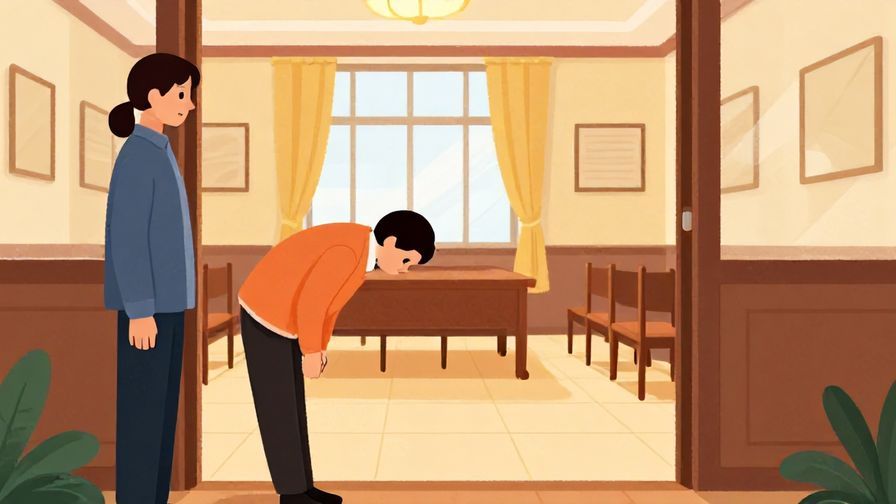
A humble and polite way to say you’re leaving right now.
“もう” means “already/now,” and “失礼いたします” is a very polite “excuse me.”
Great for formal situations when you want to leave without delay.
It communicates respect and decisiveness.
Use it to politely end your time in meetings or formal visits.
This phrase is perfect for showing good manners.
14. そろそろお暇します (Sorosoro ohima shimasu) – “I will excuse myself soon.”
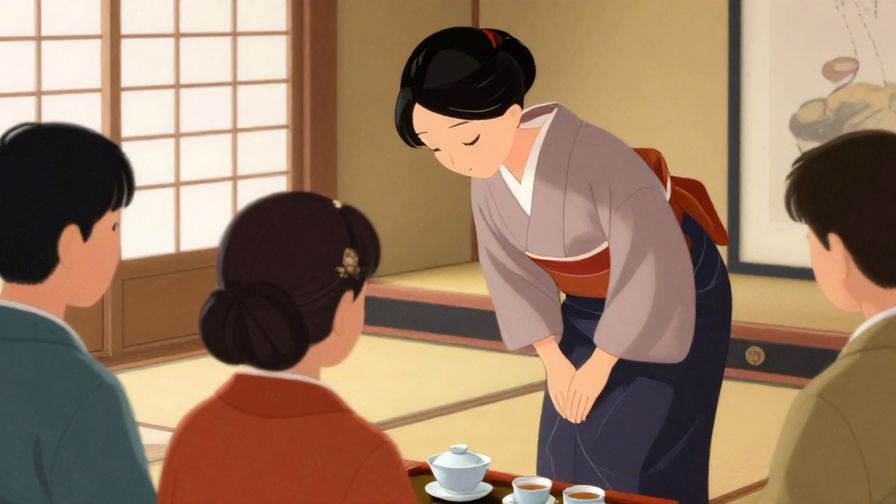
“お暇します” is a polite way to say “I’ll be leaving,” often used in formal or semi-formal settings.
“そろそろ” adds the nuance of “soon.”
This phrase is gentle and respectful, suitable for social or work contexts.
It’s a nice alternative to “失礼します” that feels a bit softer.
Use it when parting from acquaintances or colleagues.
It’s an elegant phrase that shows consideration.
15. 失礼します、そろそろ失礼させていただきます (Shitsurei shimasu, sorosoro shitsurei sasete itadakimasu) – “Excuse me, I will be taking my leave soon.”

One of the most formal and humble ways to say you’re about to go.
“させていただきます” adds humility and politeness by expressing “I humbly take permission to leave.”
Use this in very formal occasions like ceremonies or important meetings.
It demonstrates high respect and etiquette.
This phrase is a great tool to impress in professional environments.
Practice it to master formal Japanese farewells.
16. お時間をいただきありがとうございました、失礼いたします (Ojikan wo itadaki arigatou gozaimashita, shitsurei itashimasu) – “Thank you for your time, I will excuse myself.”

A polite phrase combining gratitude and a farewell.
Great for ending meetings or presentations politely.
Communicates appreciation before leaving.
“失礼いたします” rounds off the phrase with a humble excuse.
Use this to leave a good impression in professional or formal contexts.
It’s a thoughtful way to close conversations.
Part 3: Very Casual / Native-like Expressions
17. じゃ、またね (Ja, mata ne) – “Well, see you later.”

Though it doesn’t literally mean “I have to go,” this phrase is a common casual way to part ways.
“じゃ” means “well/then,” “また” means “again,” and “ね” softens it to “see you again, okay?”
It’s friendly and natural, perfect for everyday use among friends.
It implies you’re leaving but will catch up later.
Use it instead of a formal goodbye for a relaxed feel.
It’s a great phrase to sound more native and easygoing.
18. バイバイ、行くね (Baibai, iku ne) – “Bye-bye, I’m going.”

“バイバイ” is the casual “bye-bye,” borrowed from English.
Combined with “行くね,” it’s a lighthearted way to say you’re off.
It’s very informal and used mostly with close friends or younger people.
Perfect for casual texting or face-to-face farewells.
Use this to sound playful and relaxed.
It’s a fun way to leave a conversation on a happy note.
19. もう行っちゃうよ (Mou icchau yo) – “I’m going now (off quickly).”

“行っちゃう” is a shortened, casual form of “行ってしまう,” which implies leaving quickly or unexpectedly.
“もう” means “already/now,” and “よ” adds emphasis.
This phrase is playful and often used when you want to sound cute or energetic.
Use it when you need to leave but want to keep the mood light.
Be careful not to overuse it in serious contexts.
It’s a great expression for informal chats and text messages.
20. そろそろ抜けるね (Sorosoro nukeru ne) – “I’ll slip out soon.”

“抜ける” literally means “to slip out” or “escape.”
This phrase is very casual and implies you’re quietly leaving.
It’s used mostly in social or casual group settings.
It’s a nice way to say you’re leaving without drawing too much attention.
Use it when you want to be subtle about your departure.
It sounds very natural among native speakers.
21. そろそろおいとまします (Sorosoro oitoma shimasu) – “I’ll be taking my leave soon.”

“おいとまします” is a humble and somewhat old-fashioned way to say “I’ll be leaving.”
“そろそろ” adds the nuance of “soon.”
It’s polite but still casual enough for friends or acquaintances.
It’s often used in polite company or older generations.
Use it to sound respectful but relaxed at the same time.
This phrase adds a touch of charm to your farewells.
22. じゃあね、行くよ (Jaa ne, iku yo) – “Alright, I’m off.”

“じゃあね” means “well then/bye,” and “行くよ” is a casual “I’m going.”
This phrase is straightforward, friendly, and very conversational.
It works well among friends and peers.
Use it when you want to keep things light and cheerful.
It’s a common, natural way to wrap up conversations.
Perfect for sounding like a native speaker in casual settings.
Concluding Thought
Exploring 22 different ways to say “I have to go” in Japanese shows just how rich and nuanced the language is, especially when it comes to social interactions.
From casual chats with friends to formal business meetings, having the right phrase at your fingertips can make your conversations smoother and more culturally appropriate.
Keep practicing these expressions, and soon you’ll naturally know which one fits perfectly for every goodbye moment. Happy learning and safe travels on your Japanese language journey!