22 Japanese ways to say “I have a surprise”
Ever had that bubbly feeling when you want to let someone know you’ve got a surprise for them? In Japanese, there are so many ways to express this excitement depending on the situation and your relationship with the person.
Whether you’re chatting with a close friend or speaking politely to a coworker, knowing a variety of ways to say “I have a surprise” can add warmth and fun to your conversations.
Japanese isn’t just about direct translation; it’s about conveying the right mood and nuance. That’s why this list is packed with phrases that sound natural and heartfelt.
Learning these expressions will not only boost your confidence but also help you connect more deeply with Japanese speakers.
Plus, surprises are all about joy and delight — and what better way to spread that than in a new language?
Ready to discover 22 ways to say “I have a surprise” in Japanese? Let’s dive in!
Warm-Up: Why So Many Ways to Say “I Have a Surprise”?
Japanese language reflects subtlety and context, so having multiple ways to say something common like “I have a surprise” makes perfect sense.
Each phrase can carry a different vibe — casual, polite, playful, mysterious, or even formal. This variety lets you match your words to the moment.
It’s also a fun way to deepen your understanding of Japanese culture.
Sometimes, using a great beginner phrasebook can help you explore these nuances more easily.
With a little practice, you’ll be surprised how naturally these expressions come out.
And that’s the secret to really owning your Japanese surprise announcements!
Part 1: Casual Suggestions
1. サプライズがあるよ (Sapuraizu ga aru yo) – “I have a surprise.”

This is the straightforward way to say “I have a surprise.”
サプライズ (sapuraizu) is just “surprise” borrowed from English, and がある (ga aru) means “there is.” Adding よ (yo) adds a friendly emphasis, like “Hey, I have a surprise!”
It’s perfect for casual chats with friends or family.
Use it when you want to get someone excited without giving too much away.
You can also swap よ with ね (ne) for a softer tone.
Try this phrase next time you’re about to reveal something fun—it’s simple and effective!
2. 楽しいことがあるよ (Tanoshii koto ga aru yo) – “I have something fun.”

This phrase literally means “There is something fun.”
楽しいこと (tanoshii koto) means “fun thing,” and it’s a playful way to hint at a surprise without saying the word directly.
It can create curiosity and excitement.
Great to use when you want to tease a friend or family member gently.
Avoid overusing it with strangers, as it sounds very casual.
For example: “今日、楽しいことがあるよ!” (“Kyou, tanoshii koto ga aru yo!”) — “I have something fun today!”
3. びっくりさせるよ (Bikkuri saseru yo) – “I’m going to surprise you.”

Here, びっくり (bikkuri) means “surprise,” and させる (saseru) is a causative form meaning “make someone do.”
Put together, it means “I’m going to surprise you” or “I will make you surprised.”
It’s playful and builds anticipation.
Perfect when you want to tease the reveal a bit.
Note: This is more future-oriented than “I have a surprise.”
Try it when you want to build suspense before the big moment!
4. 内緒のことがあるよ (Naisho no koto ga aru yo) – “I have a secret thing.”

内緒 (naisho) means “secret,” so this phrase hints at a surprise by calling it a secret thing.
It’s a great way to build curiosity without revealing too much.
Often used among close friends or lovers.
Be mindful that it implies confidentiality.
For example, “実は内緒のことがあるんだ” (“Jitsu wa naisho no koto ga arunda”) means “Actually, I have a secret.”
Using this phrase can make your surprise feel more intimate and special.
5. 驚きがあるよ (Odoroki ga aru yo) – “There is a surprise.”

驚き (odoroki) means “surprise” or “astonishment.”
This phrase is a bit more formal than サプライズがあるよ but still casual enough for everyday use.
It carries a tone of genuine surprise or amazement.
Use it to express that something unexpected and delightful awaits.
It works well when talking about events or gifts.
Try “今日、驚きがあるよ!” (“Kyou, odoroki ga aru yo!”) to share your excitement.
6. ちょっとしたサプライズがある (Chotto shita sapuraizu ga aru) – “I have a little surprise.”

ちょっとした (chotto shita) means “a little” or “small.”
This phrase is perfect when the surprise is sweet but modest.
It’s casual and approachable.
Great for small gifts, gestures, or unexpected treats.
Can be used with friends or family without sounding too formal.
Example: “明日、ちょっとしたサプライズがあるよ!” (“Ashita, chotto shita sapuraizu ga aru yo!”) — “I have a little surprise for you tomorrow!”
7. サプライズを用意したよ (Sapuraizu o youi shita yo) – “I prepared a surprise.”

用意した (youi shita) means “prepared.”
This phrase shows you’ve made an effort to create the surprise.
It’s warm and thoughtful.
Use it when you want to highlight your planning.
Works well for birthdays, anniversaries, or special events.
For example: “サプライズを用意したよ。楽しみにしてて!” (“Sapuraizu o youi shita yo. Tanoshimi ni shitete!”) — “I prepared a surprise. Look forward to it!”
8. サプライズが待ってるよ (Sapuraizu ga matteru yo) – “A surprise is waiting for you.”

待ってる (matteru) means “waiting.”
This phrase builds anticipation by implying the surprise is ready but not revealed yet.
It’s casual and a bit mysterious.
Use it to make your friend or loved one curious and eager.
Example: “今日はサプライズが待ってるよ!” (“Kyou wa sapuraizu ga matteru yo!”) — “There’s a surprise waiting for you today!”
This phrase is great for teasing before a big reveal.
Part 2: Polite & Formal Suggestions
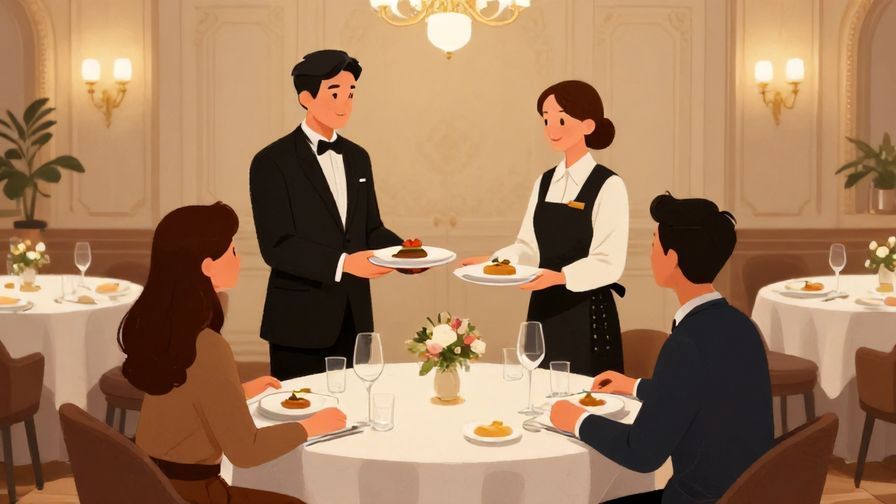
9. サプライズをご用意しております (Sapuraizu o goyoui shite orimasu) – “We have prepared a surprise.”

This is a very polite and humble way to say you have prepared a surprise.
ご用意しております (goyoui shite orimasu) is the humble form of “prepared.”
Perfect for business settings, formal events, or when addressing customers.
Using this phrase shows respect and professionalism.
It’s not casual, so avoid using it with close friends.
For example, a hotel might say this to guests before a special event.
10. 驚きのご用意がございます (Odoroki no goyoui ga gozaimasu) – “We have a surprise prepared.”
Here, ご用意があります (goyoui ga gozaimasu) is a polite and respectful way to say “there is prepared.”
驚き (odoroki) means “surprise.”
This phrase is perfect for formal invitations or special announcements.
It’s ideal in customer service or formal greetings.
It’s a gentle and refined way to excite someone professionally.
Try it when you want to sound courteous but still share good news.
11. サプライズを準備しています (Sapuraizu o junbi shite imasu) – “I am preparing a surprise.”

This phrase is polite yet neutral and means you are currently preparing a surprise.
準備しています (junbi shite imasu) means “preparing.”
Use it when you want to inform someone in a respectful tone.
It’s useful in workplace or social settings where politeness matters.
Example: “今、サプライズを準備していますので、楽しみにしてください。” (“Ima, sapuraizu o junbi shite imasu node, tanoshimi ni shite kudasai.”) — “I am preparing a surprise now, so please look forward to it.”
It’s polite and clear.
12. 驚かせることがあります (Odorokaseru koto ga arimasu) – “There is something that will surprise you.”

This phrase is polite and a bit formal, perfect for announcements.
驚かせる (odorokaseru) means “to surprise” and ことがあります (koto ga arimasu) means “there is something.”
It hints at the surprise without being too direct.
Good for presentations or invitations.
Example: “皆様に驚かせることがあります。” (“Minasama ni odorokaseru koto ga arimasu.”) — “There is something that will surprise everyone.”
This phrase is respectful and builds anticipation.
13. 素敵なサプライズをご用意しています (Suteki na sapuraizu o goyoui shiteimasu) – “We have a lovely surprise prepared.”

素敵な (suteki na) means “lovely” or “wonderful.”
This phrase combines politeness and positivity.
It’s perfect for formal occasions where you want to express warmth and excitement.
Use it to make a surprise sound special and well-thought-out.
Example: “皆様に素敵なサプライズをご用意しています。” (“Minasama ni suteki na sapuraizu o goyoui shiteimasu.”)
This phrase sounds professional yet heartfelt.
14. 予期せぬサプライズがあります (Yokisenu sapuraizu ga arimasu) – “There is an unexpected surprise.”

予期せぬ (yokisenu) means “unexpected.”
This phrase is a bit formal and adds a dramatic flair.
It’s great for building suspense professionally or in storytelling.
Use it when you want to emphasize the unanticipated nature of the surprise.
Example: “明日のイベントに予期せぬサプライズがあります。” (“Ashita no ibento ni yokisenu sapuraizu ga arimasu.”) — “There will be an unexpected surprise at tomorrow’s event.”
This phrase works well in announcements.
15. サプライズの準備が整いました (Sapuraizu no junbi ga totonoimashita) – “The surprise preparations are complete.”

準備が整いました (junbi ga totonoimashita) means “preparations are complete.”
This phrase is polite and shows readiness.
Use it to let someone know everything is set for a surprise.
Great for formal or semi-formal contexts.
Example: “パーティーのサプライズの準備が整いました。” (“Paatii no sapuraizu no junbi ga totonoimashita.”)
This adds a confident and professional touch.
16. サプライズを楽しみにしてください (Sapuraizu o tanoshimi ni shite kudasai) – “Please look forward to the surprise.”

楽しみにしてください (tanoshimi ni shite kudasai) means “please look forward to.”
This phrase politely asks the listener to anticipate the surprise.
It’s courteous and builds positive expectancy.
Perfect for polite conversations or invitations.
Example: “近日中にサプライズをお届けしますので、楽しみにしてください。” (“Kinjitsu-chuu ni sapuraizu o otodoke shimasu node, tanoshimi ni shite kudasai.”)
Use it to politely hype up your surprise.
Part 3: Very Casual / Native-like Expressions
17. なんかサプライズあるよ (Nanka sapuraizu aru yo) – “Hey, there’s like a surprise.”

なんか (nanka) means “like” or “something.”
This phrase is super casual and common among young people.
It sounds very natural and spontaneous.
Great for teasing a surprise casually.
Example: “今日、なんかサプライズあるよ!” (“Kyou, nanka sapuraizu aru yo!”)
Perfect for close friends and informal chats.
18. ビックリすることあるよ (Bikkuri suru koto aru yo) – “There’s something surprising.”

びっくりすること (bikkuri suru koto) means “something surprising.”
This phrase is casual and lively.
Use it when you want to hype a surprise with energy.
It feels very conversational and local.
Example: “これからビックリすることあるよ!” (“Kore kara bikkuri suru koto aru yo!”)
A fun way to alert friends to something unexpected.
19. サプライズ隠してるよ (Sapuraizu kakushiteru yo) – “I’m hiding a surprise.”

隠してる (kakushiteru) means “hiding.”
This phrase is playful and casual.
Great for teasing your surprise with a bit of mystery.
Use with close friends or siblings.
Example: “今、サプライズ隠してるよ!” (“Ima, sapuraizu kakushiteru yo!”)
It adds a fun, secretive vibe.
20. びっくりさせちゃうかも (Bikkuri sasechau kamo) – “I might surprise you.”

させちゃう (sasechau) is a casual, slightly playful causative form, and かも (kamo) means “maybe.”
This phrase is very casual and sounds natural among young people.
It expresses a friendly warning of surprise ahead.
Use it to add excitement and a bit of suspense.
Example: “明日、びっくりさせちゃうかもよ!” (“Ashita, bikkuri sasechau kamo yo!”)
A fun phrase to keep friends guessing.
21. 何か用意してるよ (Nanika youi shiteru yo) – “I’m preparing something.”

何か (nanika) means “something.”
This phrase is casual and a bit vague, perfect for teasing.
It doesn’t say “surprise” directly, adding subtlety.
Use it when you want to hint at something special.
Example: “今、何か用意してるよ。” (“Ima, nanika youi shiteru yo.”)
Great for playful conversations.
22. サプライズあるかもよ! (Sapuraizu aru kamo yo!) – “There might be a surprise!”

あるかも (aru kamo) means “might be.”
This is a casual and very natural way to hint at a surprise.
It’s friendly and builds excitement without revealing too much.
Perfect for informal chats and teasing.
Example: “今日、サプライズあるかもよ!” (“Kyou, sapuraizu aru kamo yo!”)
Try this when you want to spark curiosity effortlessly.
Concluding Thought
Exploring these 22 ways to say “I have a surprise” in Japanese shows just how rich and expressive the language is.
From casual chats to formal announcements, you now have the tools to share your excitement with warmth and nuance.
So go ahead, surprise someone today — in Japanese! Your words will surely make the moment even more special.