22 Japanese ways to say “I Have a Question”
Ever been in a conversation and suddenly realized you need to ask something, but want to sound just right in Japanese? Whether you’re a beginner or brushing up on your skills, knowing how to say “I have a question” in various ways is super handy.
Japanese has a rich variety of expressions to fit different contexts—from casual chats to formal meetings. It’s not just about translating words; it’s about matching the tone and the situation.
This listicle will walk you through 22 natural, warm, and practical ways to say “I have a question” in Japanese. Each phrase comes with pronunciation guidance and a bit of context so you can use it confidently.
Learning these will boost your conversational flow and help you connect better with native speakers. Plus, it’s fun to mix and match depending on how casual or formal the setting is.
Let’s dive in and discover some friendly and useful Japanese expressions that you can start practicing today!
Ready to ask that question? Here we go!
Understanding the Basics of Asking Questions in Japanese
Before getting into specific phrases, it’s useful to know how questions generally work in Japanese. They often end with the particle か (ka), which marks a question, but when you want to say “I have a question,” it’s about expressing the idea of having something to ask.
There are many ways to do this, depending on how polite or casual you want to be. The key is to match your language to the relationship you have with the person and the setting.
Practice makes perfect, and starting with a beginner phrasebook can give you a solid base to build from.
Don’t stress about getting it perfect right away. Just knowing a few of these phrases will already make your conversations smoother and more natural.
Let’s explore these 22 Japanese ways to say “I have a question,” broken down into casual, polite, and native-like expressions.
Part 1: Casual Suggestions
1. 質問がある (Shitsumon ga aru) – “I have a question.”

This is the most straightforward way to say “I have a question.”
質問 (shitsumon) means “question,” and ある (aru) means “there is” or “I have.” Put together, it literally means “There is a question.” Perfect for casual or semi-formal situations.
It’s simple and easy to remember for beginners.
Use it when you want to clearly state you have something to ask without being too formal.
Related phrase: 質問いいですか? (Shitsumon ii desu ka?) means “Is it okay if I ask a question?”
Try this phrase next time you’re in a casual discussion or study group!
2. 聞きたいことがある (Kikitai koto ga aru) – “There’s something I want to ask.”

This phrase is a bit softer and more natural sounding than the straightforward “I have a question.”
聞きたい (kikitai) means “want to ask,” こと (koto) means “thing,” and ある (aru) means “there is.” So it literally translates to “There is something I want to ask.”
It’s great for casual conversations where you want to sound polite but friendly.
Practice it by thinking about the “thing” you want to ask as a little story inside your head.
For example, you can say ちょっと聞きたいことがあるんだけど… (Chotto kikitai koto ga arun da kedo…) meaning “I have a little something I want to ask…”
This phrase helps soften your approach and makes it easier to start a question.
3. ちょっと質問いい? (Chotto shitsumon ii?) – “Can I ask a quick question?”

“Chotto” means “a little” or “quick,” and this phrase is a friendly way to ask if it’s okay to ask a question.
It’s informal and perfect among friends or coworkers you’re close with.
Using いい? (ii?) as “is it okay?” makes the question polite but casual.
It’s a handy phrase to break the ice before jumping into your question.
Remember not to use it with strangers or in very formal situations.
Try it next time you want to politely grab someone’s attention without sounding too stiff.
4. 教えてほしいことがある (Oshiete hoshii koto ga aru) – “I have something I want you to teach me.”

This phrase is a lovely way to express that you want some guidance or information.
教えてほしい (oshiete hoshii) means “I want you to teach/tell me,” and こと (koto) means “thing.”
It’s a softer and more humble way to say you have a question.
Use it when you want to emphasize learning or understanding from someone.
It’s perfect for teachers, mentors, or knowledgeable friends.
This phrase helps build rapport by showing respect for the person’s knowledge.
5. 質問なんだけど (Shitsumon nan da kedo) – “I have a question, but…”

“Nan da kedo” softens your statement by adding “but…” at the end, making it sound polite and a bit tentative.
It’s useful when you want to ask a question but don’t want to interrupt abruptly.
This phrase is common in casual and semi-formal speech.
It shows a bit of humility and thoughtfulness before jumping into your question.
Try pairing it with a small bow or nod when speaking to add politeness.
This is a great phrase to use if you want to be considerate of the listener’s time.
6. ちょっと聞いてもいい? (Chotto kiite mo ii?) – “Is it okay if I ask something?”

This phrase is a polite, casual way to ask for permission before asking a question.
聞いてもいい (kiite mo ii) means “Is it okay if I listen/ask?” and ちょっと (chotto) adds a sense of “just a little.”
Great to use in informal settings where you want to be polite but relaxed.
It’s a gentle way to signal your question is quick or small.
Try it with a smile to keep the mood light.
It’s especially useful in conversations with new acquaintances.
7. ひとつ質問があるんだけど (Hitotsu shitsumon ga arun da kedo) – “I have one question, but…”
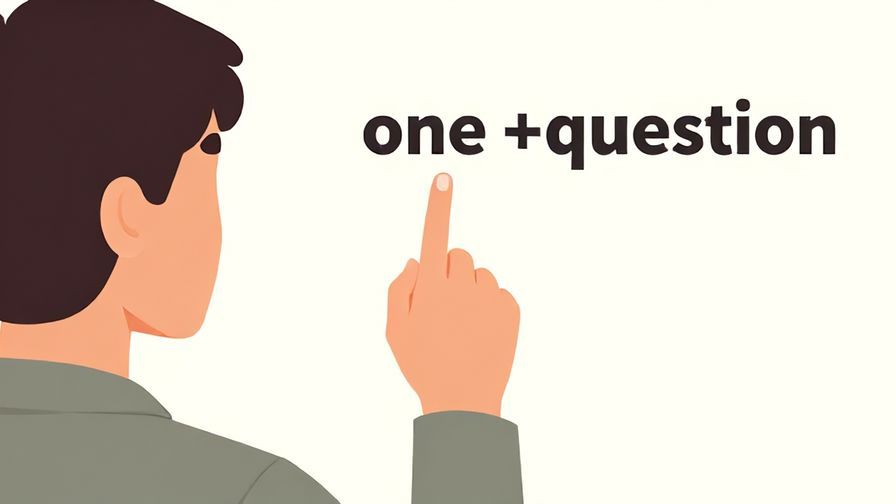
This phrase specifies you have “one” question, making it feel less overwhelming to the listener.
ひとつ (hitotsu) means “one,” and the rest is a casual way to say “I have a question.”
“Nan da kedo” softens the statement as before.
It’s useful when you want to assure the listener you won’t take up too much time.
Try using it to keep conversations smooth and considerate.
This phrase helps set expectations gently before your question.
8. ちょっと聞きたいんだけど (Chotto kikitain da kedo) – “I’d like to ask a quick question, but…”

This is a casual, friendly way to introduce your question with a polite tone.
聞きたいんだけど (kikitain da kedo) means “I want to ask, but…” adding softness.
Perfect for informal chats or when you want to be gentle in how you approach.
It’s a good phrase for showing respect without being stiff.
Use it when you want to ease into your question naturally.
This phrase helps keep the conversation flow relaxed and friendly.
Part 2: Polite & Formal Suggestions
9. 質問がございます (Shitsumon ga gozaimasu) – “I have a question.” (Very polite)

This is the formal and respectful way to say “I have a question.”
ございます (gozaimasu) is the polite form of ある (aru), used in business or formal contexts.
Use it in meetings, presentations, or when speaking to superiors.
This phrase shows professionalism and good manners.
It’s always safe when you’re unsure how formal to be.
Practice it to sound confident and respectful in formal settings.
10. お尋ねしたいことがございます (O-tazune shitai koto ga gozaimasu) – “I have something I would like to ask.”

お尋ね (o-tazune) is a humble and polite way to say “inquire” or “ask.”
This phrase is formal and humble, suitable for business or official situations.
It literally means “There is something I want to inquire about.”
Use it to sound very respectful and professional.
Perfect for emails, formal meetings, or public speaking.
It’s a great phrase to impress with politeness.
11. 少しお伺いしたいことがあるのですが (Sukoshi o-ukagai shitai koto ga aru no desu ga) – “I have a small question I’d like to ask.”

お伺い (o-ukagai) is a humble way to say “ask” or “listen.”
This phrase is very polite and humble, used in formal or business contexts.
Adding 少し (sukoshi) “a little” makes it sound even softer.
Use it when you want to politely interrupt or seek clarification.
It’s excellent for showing respect and careful communication.
Try it to stand out as courteous and thoughtful.
12. ご質問させていただきたいのですが (Go-shitsumon sasete itadakitai no desu ga) – “I would like to ask a question.”

This phrase uses the humble causative form させていただく (sasete itadaku), meaning “to be allowed to do.”
It’s a very polite and humble way to ask for permission to ask a question.
Perfect for formal meetings, presentations, and official correspondence.
Use it when you want to show utmost respect and professionalism.
It’s a bit long but effective for formal Japanese.
Practice it to boost your business Japanese skills.
13. ちょっとお聞きしたいことがございます (Chotto o-kiki shitai koto ga gozaimasu) – “I have a quick question I’d like to ask.”

This phrase balances politeness with a casual tone by using ちょっと (chotto) and polite forms.
It’s great for polite but not overly formal conversations.
お聞きしたい (o-kiki shitai) is a humble way of saying “want to ask.”
Use it when you want to sound respectful but approachable.
Try it in classrooms, workshops, or polite social settings.
This phrase helps keep your tone friendly and polite.
14. 質問よろしいでしょうか? (Shitsumon yoroshii deshou ka?) – “May I ask a question?”

This is a polite way to ask permission to pose a question.
よろしい (yoroshii) means “is it okay,” used here with でしょうか (deshou ka) to soften the question.
Very useful in meetings, lectures, or formal conversations.
It’s respectful and considerate.
Use it to politely gain attention before asking your question.
Practice this phrase to improve your polite Japanese skills.
15. 恐れ入りますが、質問がございます (Osore irimasu ga, shitsumon ga gozaimasu) – “Excuse me, I have a question.”
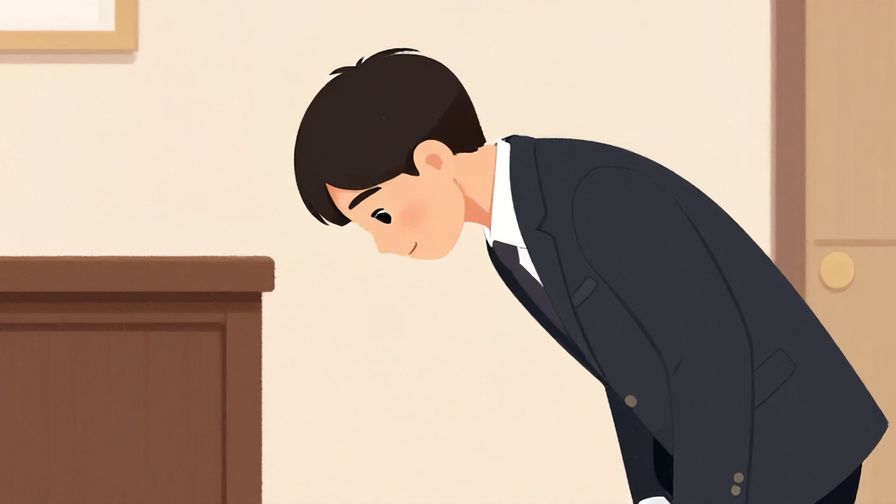
恐れ入ります (osore irimasu) is a very polite phrase meaning “excuse me” or “I’m sorry to bother you.”
Use this phrase to show humility before asking your question.
It’s great for formal phone calls, meetings, or customer service situations.
Combining it with 質問がございます makes it very respectful.
This phrase helps you politely interrupt or interject.
Try it when you want to be extra courteous.
16. 少々お尋ねしてもよろしいでしょうか (Shoushou otazune shite mo yoroshii deshou ka) – “May I ask you a quick question?”

This phrase uses 少々 (shoushou) meaning “a little” or “a moment,” making it very polite and formal.
お尋ねしてもよろしいでしょうか is a humble and respectful way to ask permission to inquire.
It’s perfect for formal conversations or official requests.
Use it when you want to politely ask for a moment of attention.
It’s a phrase that shows excellent manners and consideration.
Practice it to shine in professional Japanese environments.
Part 3: Very Casual / Native-like Expressions
17. ちょっと聞いていい? (Chotto kiite ii?) – “Can I ask you something?”

This is a very casual and common way to ask if you can ask something.
Perfect among friends or peers.
It’s short and sounds natural for everyday conversations.
Using いい? (ii?) softens the request to be friendly.
Be mindful not to use it in formal situations.
Great for quick chats when you want to be casual.
18. 質問してもいい? (Shitsumon shite mo ii?) – “Is it okay if I ask a question?”

This phrase is casual but polite enough for many social situations.
It literally asks permission to ask a question.
Use it when you want to be polite but not too formal.
It’s common in conversations with acquaintances or colleagues.
Avoid it in very formal or official contexts.
Good phrase to keep handy for polite casual talk.
19. 聞いていい? (Kiite ii?) – “Can I ask?”

Simply put, this is the shortest casual way to ask “Can I ask?”
It’s super common among close friends and family.
Very easy to remember and use.
Not suitable for formal situations.
Great for quick, informal check-ins or conversations.
Try it when you want to keep things light and friendly.
20. ちょっと質問いいかな? (Chotto shitsumon ii kana?) – “Is it okay if I ask a quick question?”

The ending かな? (kana?) adds a soft, wondering tone to the question.
This makes the phrase sound very natural and friendly.
Perfect for casual conversations where you want to be gentle.
It’s like saying “I wonder if it’s okay to ask…”
Try it to sound more native and warm.
Great for light-hearted chats.
21. ちょっと聞いてもいいかな? (Chotto kiite mo ii kana?) – “Would it be okay if I ask something?”

Similar to the previous phrase but with 聞く (kiku) “to listen/ask.”
Adding かな? softens the question beautifully.
Use it to sound casual yet considerate.
Great among friends or coworkers.
This phrase helps you come across as polite without formality.
Practice it for everyday Japanese fluency.
22. 質問いい? (Shitsumon ii?) – “Question okay?”

This is the shortest and most casual way to say “I have a question.”
It’s very common among young people and close friends.
Use it only when the context is very informal.
It’s easy to say and immediately understood.
Perfect for quick, casual moments.
Try it when you want to keep things light and friendly.
Concluding Thought
Exploring these 22 ways to say “I have a question” in Japanese shows just how much nuance this simple phrase can have.
Whether you’re chatting with friends or speaking in a formal meeting, choosing the right expression helps you connect better and express yourself clearly.
Keep practicing these phrases, and soon you’ll feel confident asking questions in any situation. Remember, every question is a step toward deeper understanding and connection!