22 Japanese ways to say “I hate you”
Sometimes, feelings get complicated, and saying “I hate you” in Japanese can be expressed in many colorful ways. Whether you want to vent frustration, sound playful, or get serious, the language has you covered.
From casual slang to formal expressions, each phrase carries its own vibe and nuance. It’s a fascinating peek into cultural shades of emotion.
Don’t worry, you won’t be stuck with just one way to express dislike! We’ll explore 22 realistic and relatable ways to say “I hate you” in Japanese, each with pronunciation tips and context.
This listicle is designed to keep things light, warm, and easy to understand—because language learning should feel like a friendly chat, not a lecture.
Along the way, I’ll share some handy hints on when and how to use these phrases appropriately, so you can express yourself clearly and kindly.
Ready to dive in? Let’s explore the many faces of “I hate you” in Japanese together!
Understanding Shades of “I Hate You” in Japanese
Before jumping into the phrases, it’s good to understand that Japanese is a context-rich language. “Hate” can be harsh or playful depending on tone and situation.
Some expressions are very casual, used among close friends in a joking way, while others are formal or strong, rarely said out loud. Knowing the right phrase for the right moment is key.
Starting with a beginner-friendly approach can help you grasp the emotional weight behind each phrase.
Sometimes, using a great beginner phrasebook can give you a perfect starting point for a cohesive understanding.
Picking up on social cues is easier when you have a phrase arsenal ready to go.
Let’s start with some casual and playful ways to express dislike or frustration.
Part 1: Casual Suggestions
1. 大嫌い (Dai kirai) – “I really hate you.”

This is one of the most straightforward ways to say “I hate you,” with “大” (dai) meaning “big” or “very,” and “嫌い” (kirai) meaning “dislike” or “hate.”
It emphasizes strong dislike and is commonly used among friends when teasing or seriously upset.
Using “dai” as a prefix is a good way to intensify adjectives, making this phrase easy to remember.
It’s direct but still conversational enough not to sound too harsh.
Be careful using this with strangers, as it can come off quite strong.
Try practicing this phrase with friends who understand your tone to avoid misunderstandings.
2. 嫌いだよ (Kirai da yo) – “I hate you.”

Simple and casual, “嫌いだよ” (kirai da yo) literally means “I hate you,” with “だよ” adding a friendly tone.
This phrase is easy to say and great for everyday conversations when joking around or lightly annoyed.
Remember, adding “yo” softens the phrase, making it less severe.
Avoid using this phrase in serious arguments or with people you respect deeply.
It’s often used among close friends or couples when teasing each other.
Try to get the tone right—it’s playful, not aggressive.
3. もう嫌だ (Mou iya da) – “I’ve had enough.”
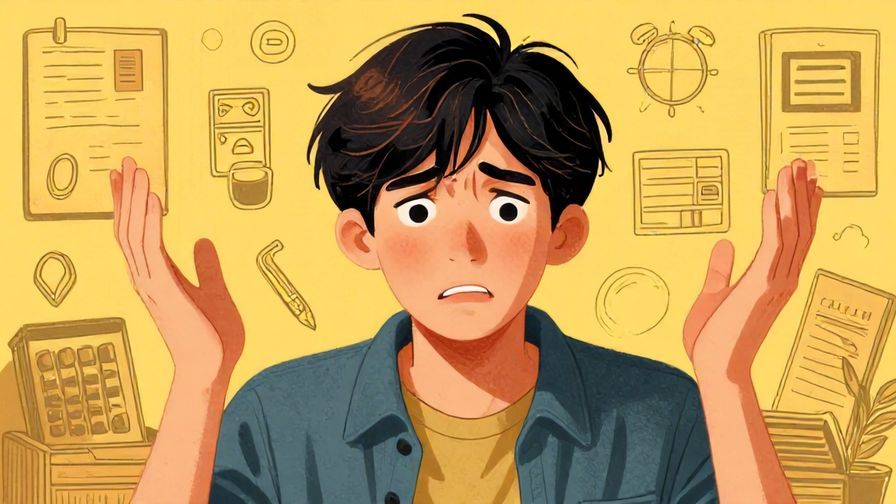
“もう嫌だ” (mou iya da) means “I’m fed up” or “I hate this now,” often used to express frustration.
“もう” (mou) means “already” or “anymore,” and “嫌だ” (iya da) means “hate” or “dislike.”
This phrase can be used toward a person or situation, making it versatile.
It’s less blunt than saying “I hate you” directly, more about your feelings than blaming.
Great for venting frustration without harsh words.
Try using this phrase in conversations about annoying habits or situations.
4. うざい (Uzai) – “You’re annoying.”

“うざい” (uzai) is a slang term meaning “annoying” or “irritating.”
It’s a lighter and more playful way to express dislike without saying “hate” bluntly.
Used often among young people to tease or complain.
It’s easy to remember because it sounds casual and fun.
However, it can hurt feelings if used too seriously, so use carefully.
Practice this phrase by noticing annoying things around you and joking about them with friends.
5. キモい (Kimoi) – “Gross/Disgusting.”
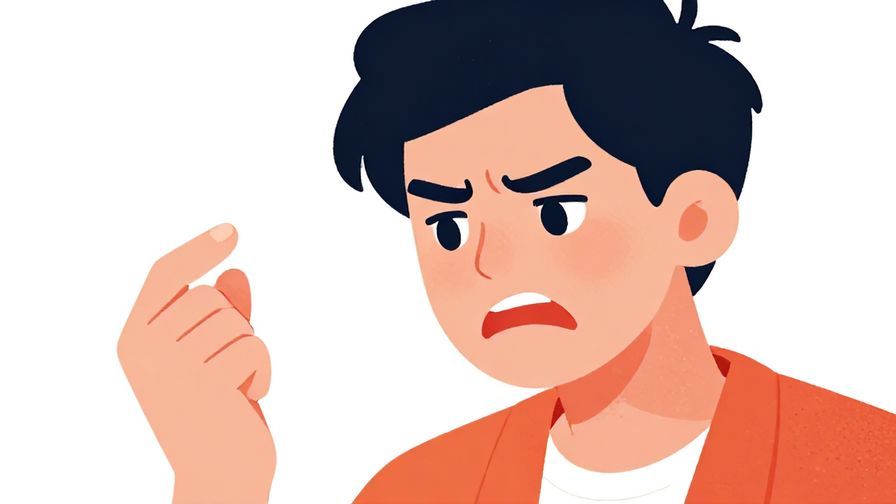
“キモい” (kimoi) is short for “気持ち悪い” (kimochi warui), meaning “gross” or “disgusting.”
It’s a slang way to express strong dislike, often toward a person’s behavior or appearance.
This phrase is very casual and can be harsh, so only use it among close friends when joking.
Fun mnemonic: think of “kimoi” as “kimochi” (feeling) + “oi” (bad).
It’s a quick way to express “I hate that about you” without the word “hate.”
Try using it sparingly to avoid offending someone.
6. ウザすぎる (Uza sugiru) – “Way too annoying.”

“ウザすぎる” (uza sugiru) means “too annoying,” with “すぎる” (sugiru) meaning “too much.”
It’s an intensified form of “uzai,” great for expressing that someone’s behavior is overwhelming.
It’s casual and perfect for venting to friends.
Remember, the suffix “すぎる” is useful for emphasizing adjectives.
This phrase is not polite, so avoid using it in formal situations.
Try combining it with other adjectives to practice the “sugiru” structure.
7. マジでムカつく (Maji de mukatsuku) – “You seriously piss me off.”

This phrase is very casual and strong: “マジで” (maji de) means “seriously,” and “ムカつく” (mukatsuku) means “to be pissed off.”
Use it only among close friends or when you want to express clear anger.
The phrase is a bit rough but common in everyday speech.
Be mindful of tone to avoid offending unnecessarily.
You can use “mukatsuku” on its own to express irritation.
Try practicing the pronunciation by emphasizing “maji” to sound natural.
8. お前なんて大嫌い (Omae nante daikirai) – “I hate someone like you.”

“お前” (omae) is a rough way to say “you,” and “なんて” (nante) adds emphasis like “someone like you.”
This phrase is quite strong and aggressive, expressing deep dislike.
Not for casual or polite conversations; it’s more confrontational.
Great for understanding harsh expressions in dramas or intense conversations.
Use this phrase carefully and only when you understand the impact.
Learning it helps you recognize tone and register in Japanese speech.
Part 2: Polite & Formal Suggestions
9. 好きじゃない (Suki janai) – “I don’t like you.”

“好きじゃない” (suki janai) means “I don’t like you,” softer than “I hate you.”
This is polite enough for serious conversations without sounding rude.
Using “janai” negates “suki,” which means “like.”
It’s a good phrase to express dislike without harshness.
Try this phrase as a gentler alternative to saying “嫌い.”
Perfect for formal or delicate situations where you want to be honest but kind.
10. お嫌いです (O kirai desu) – “I dislike you.”

This is a polite, formal way to say “I dislike you,” using honorific “お” and polite “です.”
“嫌い” (kirai) means “dislike,” and adding “お” makes it more respectful.
It’s useful in formal conversations or writing.
Less aggressive than “大嫌い,” but clear enough to express dislike.
Try using this phrase in role-plays or formal settings.
It’s excellent for understanding polite speech nuances.
11. 気に入りません (Ki ni irimasen) – “I don’t like (you).”

This phrase means “I don’t like,” often used for things but can apply to people formally.
“気に入る” (ki ni iru) means “to like,” and “ません” negates it.
It’s polite and often used in customer service or professional contexts.
Good for expressing dislike without personal offense.
Practice this phrase to sound professional and respectful.
It’s an important phrase to recognize in formal conversations.
12. お気に召しません (O ki ni meshi masen) – “I’m not pleased with you.”

This phrase is very formal and indirect, meaning “I’m not pleased,” used in polite speech.
“お気に召す” (o ki ni mesu) is a humble form meaning “to like” or “to please.”
Adding “ません” negates it politely.
It’s rarely used in daily conversation but great for formal writing or speeches.
Try this phrase to understand high-level politeness in Japanese.
Useful in understanding customer relations or formal complaints.
13. 嫌悪感を感じる (Ken’okan o kanjiru) – “I feel disgusted.”

This phrase expresses a feeling of disgust or strong dislike, more formal and descriptive.
“嫌悪感” (ken’okan) means “disgust,” and “感じる” (kanjiru) means “to feel.”
It’s perfect for serious or written contexts.
Try using it to describe strong emotions in essays or discussions.
It shows a nuanced way to express dislike beyond simple words.
Good for advanced learners interested in emotional vocabulary.
14. お断りします (O kotowari shimasu) – “I refuse (you).”

This phrase means “I refuse,” a polite way to reject someone or something.
It’s indirect but clearly states dislike or refusal.
Used in business or formal social settings.
Good for understanding how to decline offers respectfully.
Practice this phrase to master polite refusals.
It’s a key phrase in formal communication.
15. 好ましく思わない (Konomashiku omowanai) – “I don’t find it favorable.”

This is a polite, indirect way to express dislike or disapproval.
“好ましい” (konomashii) means “favorable,” and “思わない” (omowanai) means “don’t think.”
It’s gentle and useful in sensitive conversations.
Try this phrase to express dislike without offending.
Great for diplomatic or professional contexts.
Practice making it sound sincere and calm.
16. お気持ちがよくない (O kimochi ga yokunai) – “It doesn’t feel good.”

This phrase expresses discomfort or dislike in a gentle way.
It’s polite and indirect, literally “the feeling isn’t good.”
Useful when you want to be kind but clear.
Try to use it when discussing sensitive topics.
It’s a great tool for expressing feelings diplomatically.
Practice with tone to make it sound empathetic.
Part 3: Very Casual / Native-like Expressions
17. キライ (Kirai) – “Hate” (casual, blunt)

This is the simplest, casual way to say “hate.”
Say it quickly and bluntly among close friends or when joking.
It’s short and easy to remember.
Be careful with tone to avoid sounding too harsh.
Often used in everyday speech when emotions run high.
Practice with friends to get the casual feel right.
18. 大っ嫌い (Dai kirai) – “Hate a lot” (very casual)

A casual but very strong form of “I hate you.”
“大っ” (dai) intensifies “嫌い” (kirai) to mean “really hate.”
Used in youthful, emotional conversations.
Good to understand in anime or dramas.
Try saying it with strong emotion for impact.
Use carefully; it’s quite intense.
19. うざったい (Uzattai) – “Annoying” (casual, slang)
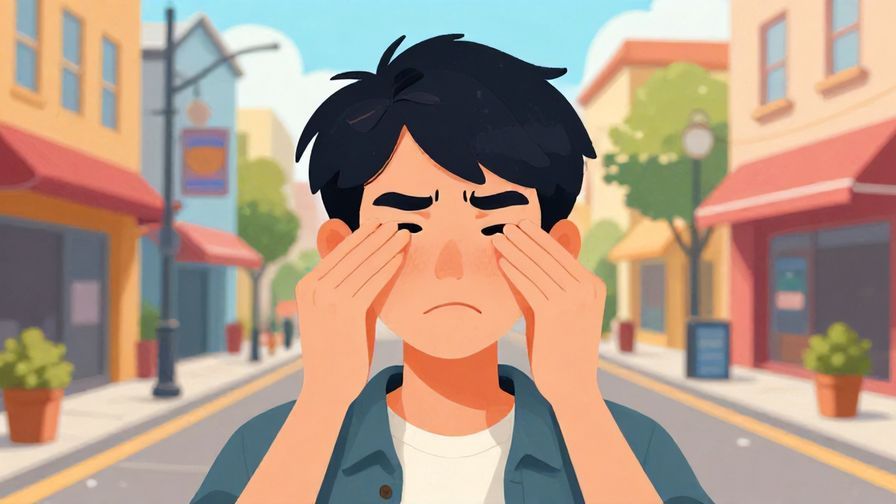
“うざったい” (uzattai) is a slang version of “uzai,” meaning extremely annoying.
Very casual and used among young people.
Good to express playful frustration.
Try to use it only with friends who understand slang.
A fun phrase that adds personality to your speech.
Practice it in casual chat for natural flow.
20. ぶっ殺す (Bukkorosu) – “I’ll kill you” (very strong, slang)

This phrase literally means “I’ll kill you” and is very strong and slangy.
Not to be used lightly—mostly found in manga, anime, or extreme arguments.
Good to recognize but not recommended for real use.
It shows how strong emotions can be expressed in casual Japanese.
Use only to understand cultural context or media.
Practice recognizing it rather than saying it.
21. てめえが嫌い (Temee ga kirai) – “I hate you” (very rough)

“てめえ” (temee) is a very rude way to say “you,” combined with “嫌い” (kirai) meaning “hate.”
This is extremely rough and confrontational.
Used mainly in fights or dramatic media.
Good to understand tone but avoid using in real life.
Shows the harshest form of “I hate you.”
Use for learning cultural context, not conversation.
22. 死ね (Shine) – “Die” (extreme insult)

“死ね” (shine) means “die” and is the most extreme insult in Japanese.
It’s very offensive and should never be used lightly.
Mostly seen in angry confrontations or fiction.
Important to recognize but avoid saying it.
Understanding this helps avoid serious misunderstandings.
Use knowledge responsibly and with care.
Concluding Thought
Exploring 22 ways to say “I hate you” in Japanese shows just how rich and nuanced expressing dislike can be.
From playful teasing to serious confrontations, each phrase carries a different emotional flavor and social weight.
Remember, language is not just words but how you use them, so always consider context and tone to communicate clearly and kindly.