22 Japanese ways to say “I give up, you win”
Sometimes, we all have those moments when the best thing to say is simply, “I give up, you win.”
In Japanese, there are many warm, casual, and polite ways to express this feeling, each carrying a little nuance and cultural flavor.
Whether you’re joking around with friends or bowing out of a serious debate, having a variety of expressions can make your conversations more natural and fun.
Let’s dive into 22 Japanese phrases that say “I give up, you win” in different tones — from casual to formal, and some native-like expressions thrown in for good measure.
Each one comes with a simple pronunciation guide and a little context to help you remember them easily.
Ready to surrender gracefully? Let’s get started!
Understanding the Context of “Giving Up” in Japanese
Before we jump into the list, it’s important to know that the way you say “I give up” depends a lot on who you’re talking to and the situation.
Japanese language places great emphasis on politeness and subtlety, so some phrases might sound very casual while others are respectful or humble.
Keeping this in mind will help you pick the right phrase for the right moment.

Sometimes, using a great beginner phrasebook can give you a perfect starting point for a cohesive understanding.
Once you feel comfortable with these expressions, you’ll find it easier to navigate tricky conversations and keep things light or respectful as needed.
Let’s explore these phrases one by one.
Part 1: Casual Suggestions
1. 諦めた (Akirameta) – “I gave up.”

This is a straightforward and casual way to say “I give up.”
“諦めた” (Akirameta) comes from the verb “諦める” (Akirameru) which means “to give up” or “to abandon.”
Perfect for informal settings with friends or family when you want to admit defeat lightly.
Just say it with a smile to keep it friendly.
It’s often used after trying hard but realizing it’s time to stop.
Try saying it the next time you want to admit defeat without sounding too serious.
2. もう負けだよ (Mou make da yo) – “I already lost.”

This phrase is a lighthearted way to say “You win, I lost.”
“もう” (Mou) means “already,” “負け” (Make) means “loss,” and “だよ” (Da yo) adds a casual, friendly tone.
It’s great for games or debates among friends.
Using “だよ” makes it sound less harsh and more playful.
Be careful not to use it in formal situations.
It’s a perfect phrase to keep things fun and relaxed.
3. 降参!(Kousan!) – “I surrender!”

“降参” (Kousan) is a direct and casual way of saying “I surrender!”
It’s often used in playful or competitive situations like games or sports.
Short and punchy, it’s easy to remember and fun to use.
Because it’s a bit dramatic, it adds humor to your defeat.
It’s a quick way to admit you’re beaten with a smile.
Use it among friends to lighten the mood.
4. もう無理 (Mou muri) – “I can’t do it anymore.”

“もう無理” (Mou muri) literally means “It’s impossible now” or “I can’t do it anymore.”
It’s a casual way to admit defeat when something is too tough.
“無理” (Muri) means impossible or unreasonable, so it expresses giving up in a slightly dramatic way.
Commonly used when you feel overwhelmed or exhausted.
Not very polite, so keep it among close friends or family.
A great way to express your limits in a relatable way.
5. 参った (Maitta) – “I give up.”

“参った” (Maitta) is a classic, casual phrase meaning “I give up” or “I’m beat.”
It often conveys a good-natured admission of defeat or being overwhelmed.
This is a very natural and common phrase used among friends and coworkers.
It’s a little humble and friendly.
Try it during light-hearted moments when you want to admit you’re outmatched.
It shows good spirit without losing dignity.
6. 負けた (Maketa) – “I lost.”

“負けた” (Maketa) is the plain past form of “負ける” (Makeru), meaning “to lose.”
It’s simple and straightforward, perfect for admitting defeat in casual situations.
You can say it with a smile or a sigh depending on your mood.
It’s a very common and natural phrase.
Use it in games, sports, or debates with friends.
Its simplicity makes it easy to remember and use anytime.
7. もうやめた (Mou yameta) – “I’m done.”

“もうやめた” (Mou yameta) means “I’m done” or “I quit.”
It’s a casual way to say you’re stopping whatever you were doing.
“やめた” (Yameta) comes from “やめる” meaning “to stop” or “to quit.”
Perfect for situations where you want to express you’re done trying.
It’s often used in conversation to signal giving up without hard feelings.
Try it casually when you want to wrap things up quickly.
8. 勝ちを譲るよ (Kachi wo yuzuru yo) – “I’ll concede the win to you.”

“勝ちを譲るよ” (Kachi wo yuzuru yo) means “I’ll concede the win to you.”
“勝ち” (Kachi) means “win,” “譲る” (Yuzuru) means “to yield” or “to concede,” and “よ” adds a friendly tone.
This phrase is casual but polite enough for friendly competition.
It shows good sportsmanship and respect.
Use it when you want to gracefully admit someone else’s victory.
A great phrase to keep the mood positive.
Part 2: Polite & Formal Suggestions
9. 諦めます (Akiramemasu) – “I give up.” (polite)

For formal or polite situations, use “諦めます” (Akiramemasu).
This is the polite form of “諦める” (to give up), and it’s perfect for workplace or respectful conversations.
It maintains humility and respect.
Using polite forms is important in professional settings.
Try it when you want to admit defeat without losing face.
This phrase helps you stay courteous while being honest.
10. 負けを認めます (Make wo mitomemasu) – “I admit defeat.”

“負けを認めます” (Make wo mitomemasu) literally means “I admit defeat.”
“負け” (Make) is “defeat,” and “認めます” (Mitomemasu) means “to admit” or “to acknowledge” politely.
This phrase is great for formal contexts like meetings or contests.
It sounds respectful and mature.
Use it when you want to accept loss graciously.
It’s a useful phrase for professional or serious situations.
11. 降参いたします (Kousan itashimasu) – “I surrender.” (very polite)
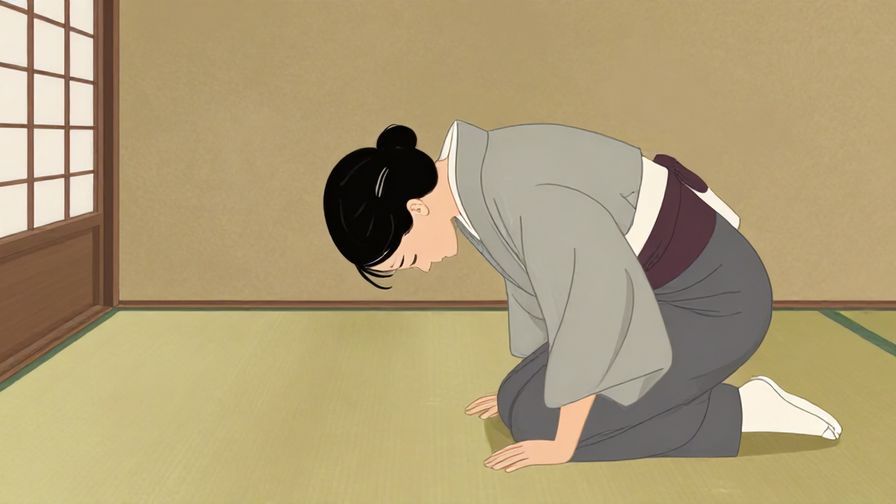
“降参いたします” (Kousan itashimasu) is a very polite and humble way to say “I surrender.”
“いたします” (Itashimasu) is the humble form of “to do.”
This is used in highly formal or respectful contexts.
It conveys deep respect while admitting defeat.
Perfect for formal speeches or apologies.
Use it when you want to be very polite and sincere.
12. お手上げです (Oteage desu) – “I’m at my wits’ end.”

“お手上げです” (Oteage desu) literally means “My hands are up,” a polite way of saying “I give up.”
“お手上げ” (Oteage) comes from the gesture of raising hands in surrender.
This phrase is formal enough for workplace use but keeps a relatable tone.
It expresses that you’ve tried everything but can’t continue.
Good for admitting limits without losing respect.
A useful phrase when you want to express honest surrender politely.
13. 勝負あった (Shoubu atta) – “The match is decided.”

“勝負あった” (Shoubu atta) means “The match is decided,” implying “You win.”
“勝負” (Shoubu) means “match” or “game,” and “あった” (atta) is the past tense of “to be.”
This phrase is polite and often used in sports or competitions.
It acknowledges the other person’s victory respectfully.
Great for wrapping up contests or debates formally.
Try it when you want to concede with dignity.
14. 負けを認めざるを得ません (Make wo mitomezaru wo emasen) – “I have no choice but to admit defeat.”

This formal phrase means “I can’t help but admit defeat.”
It sounds humble and respectful, often used in serious contexts.
Perfect for professional or academic discussions.
Use it when you want to emphasize sincere acceptance of loss.
It’s a longer phrase but shows maturity and thoughtfulness.
Great for leaving a good impression despite conceding.
15. 敗北を認めます (Haiboku wo mitomemasu) – “I acknowledge defeat.”

“敗北を認めます” (Haiboku wo mitomemasu) is another formal way to say “I acknowledge defeat.”
“敗北” (Haiboku) means “defeat” in a serious tone.
Use this phrase in official or formal discussions.
It’s a polite and clear admission of loss.
Useful in debates, competitions, or professional settings.
It helps you sound composed and respectful.
16. 心から降参します (Kokoro kara kousan shimasu) – “I surrender from the heart.”

“心から降参します” (Kokoro kara kousan shimasu) means “I sincerely surrender.”
“心から” (Kokoro kara) means “from the heart,” adding depth to your surrender.
This phrase is very polite and shows genuine acceptance.
It works well in heartfelt apologies or serious talks.
Use it when you want to express honesty and humility.
A beautiful, respectful way to admit defeat.
Part 3: Very Casual / Native-like Expressions
17. もう降りるわ (Mou oriru wa) – “I’m getting off (the fight).”

“もう降りるわ” (Mou oriru wa) means “I’m stepping out” or “I’m quitting.”
“降りる” (Oriru) literally means “to get off.”
This is a very casual and native-sounding way to say “I give up.”
Commonly used among friends or younger people.
“わ” (Wa) adds a soft feminine or casual tone.
Perfect for ending a debate or game lightly.
18. いいよ、勝手にして (Ii yo, katte ni shite) – “Fine, do as you like.”

“いいよ、勝手にして” (Ii yo, katte ni shite) is a native way to say “Fine, you win, do whatever you want.”
“いいよ” means “It’s okay,” and “勝手にして” means “do as you like.”
This phrase carries a casual, sometimes cheeky tone.
Use it when you want to back off but keep the mood playful.
It’s great for informal arguments or teasing friends.
Watch tone carefully; it could sound a bit sarcastic.
19. もう負け! (Mou make!) – “I lose!”

“もう負け!” (Mou make!) is a very casual and emphatic way to say “I lose!”
Perfect for games or playful battles with friends.
Short and to the point for quick admits.
It’s an easy phrase to throw out in fun moments.
Use it to keep the mood light and friendly.
Great for learners to sound natural with minimal effort.
20. お手上げ〜 (Oteage~) – “I give up~” (casual, drawn-out)
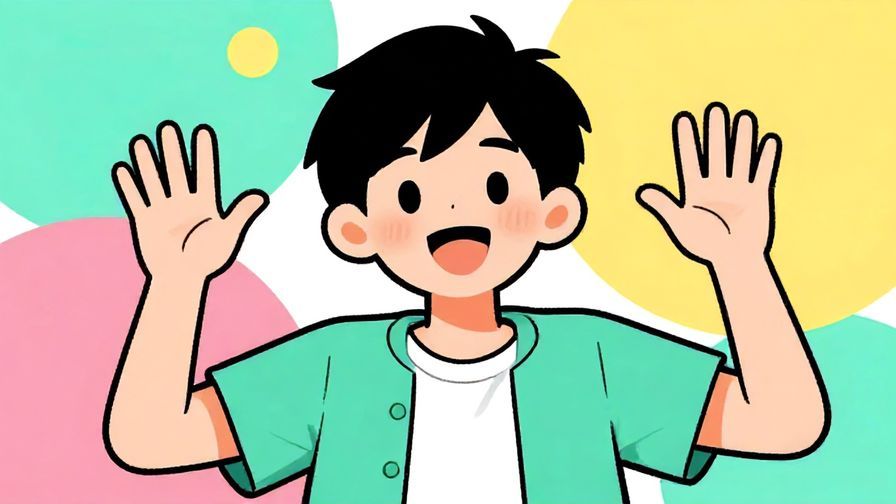
“お手上げ〜” (Oteage~) with the drawn-out ending sounds very casual and playful.
It literally means “hands up,” signaling surrender.
Use it to add humor or exaggeration to admitting defeat.
It’s common among friends or in manga/anime.
Try it to sound native-like and fun.
Perfect for casual chats and light teasing.
21. 勝ちだね、もう (Kachi da ne, mou) – “You win, already.”

“勝ちだね、もう” (Kachi da ne, mou) means “You win, seriously.”
“勝ち” (Kachi) means “win,” “だね” adds a soft confirmation, and “もう” adds emphasis.
It’s a casual, friendly way to admit defeat.
Great for playful competition or teasing friends.
It shows acceptance without bitterness.
Use it to keep the mood light and positive.
22. もう降参だよ (Mou kousan da yo) – “I surrender now.”

“もう降参だよ” (Mou kousan da yo) is a casual but sincere way to say “I surrender now.”
“降参” (Kousan) means “surrender,” and “だよ” adds a soft, friendly tone.
It’s perfect for admitting defeat without sounding harsh.
Use it to keep conversations easygoing and respectful.
Try this phrase to sound natural and warm.
It’s a gentle way to say “You win” with kindness.
Concluding Thought
Learning these phrases not only helps you express “I give up, you win” in Japanese but also deepens your understanding of the culture behind communication.
From casual banter to formal surrender, each phrase carries a unique tone and context that can make interactions more authentic and enjoyable.
So next time you face a friendly challenge or a serious debate, you’ll have the perfect Japanese phrase ready to go — with warmth, humility, or humor, just as the moment calls for.