22 Japanese ways to say “I Don’t Know”
Ever found yourself stuck when someone asks you a question in Japanese and you just want to say, “I don’t know”? It happens to all of us!
Luckily, Japanese offers plenty of ways to express uncertainty in a warm, casual, or polite way—and sometimes with a bit of nuance.
Whether you’re chatting with friends, in a business meeting, or just learning the ropes, knowing different ways to say “I don’t know” can help you sound natural and relatable.
In this article, we’ll explore 22 authentic Japanese expressions that convey “I don’t know.” Some are casual, some are polite, and others sound like something a native speaker might say off the cuff.
Each example comes with a simple pronunciation guide and a bit of context, so you can use them right away.
Ready to expand your Japanese vocabulary and sound more like a native? Let’s dive in!
Getting Started: Why Variety Matters
Expressing “I don’t know” in Japanese isn’t always straightforward. The choice of phrase depends on formality, mood, and context.
Understanding when to use casual vs. polite expressions will make your conversations smoother and more natural.
Plus, using different phrases helps you avoid sounding repetitive and shows your grasp of the language’s subtleties.

If you’re looking for a strong foundation, starting with a beginner phrasebook can be a great idea.
It’ll give you clear examples and help you practice the basics before moving on to more nuanced phrases.
Mastering a few key phrases makes it easier to learn the rest as you go along.
Part 1: Casual Suggestions
1. わかんない (Wakannai) – “I don’t know” (casual)

This is the most common informal way to say “I don’t know” among friends.
It’s a shortened form of わかりません (wakarimasen), which is polite. The “nai” ending makes it casual and relaxed.
Great for conversations with close friends or family when you want to be straightforward.
It’s simple, direct, and sounds natural in everyday talk.
Be careful not to use this in formal situations—it can sound too blunt.
Try it next time a friend asks you something you’re not sure about!
2. 知らない (Shiranai) – “I don’t know” (casual)

Literally means “I don’t know” or “I’m not aware.”
This is another informal phrase, derived from the verb 知る (shiru) meaning “to know.”
It’s straightforward and often used when you genuinely have no knowledge about something.
Use it casually with friends but avoid in polite or formal contexts.
It has a slightly blunt tone, so soften it with a smile if needed.
Consider pairing it with さあ (saa) for a “Who knows?” vibe.
3. わかんないなあ (Wakannai naa) – “I really don’t know” (casual, reflective)

The addition of なあ (naa) adds a nuance of pondering or mild frustration.
It’s like saying, “Hmm, I really don’t know…” with a bit more emotion.
This makes the phrase sound more natural and human, not just a flat “I don’t know.”
Great for casual chats when you want to express mild confusion or uncertainty.
It’s often used when thinking aloud or in a relaxed conversation.
Use this to show you’re engaged but genuinely unsure.
4. どうだろう (Dou darou) – “I wonder” / “I don’t know” (casual)

This phrase literally means “How is it?” but is often used to express uncertainty.
It’s a soft way of saying “I don’t know,” implying you’re not sure but open to possibilities.
Great for casual or semi-formal conversations when you want to sound thoughtful.
It makes you sound curious rather than dismissive.
It’s useful when you want to keep the conversation going without a hard “no idea.”
Perfect for discussions or when brainstorming with friends.
5. わかんないっす (Wakannai ssu) – “I don’t know” (very casual, masculine)

This is a super casual, masculine variation of わかんない.
“っす” (ssu) is a slangy contraction of です (desu), making the phrase sound laid-back and cool.
Common among young people, especially guys.
Use it only with close friends or in informal settings.
It’s a fun, relaxed way to say “I don’t know” with a bit of personality.
Be mindful not to use this in formal or mixed company situations.
6. どうかわからない (Dou ka wakaranai) – “I don’t really know” (casual)

This phrase means “I don’t really know” or “I’m not sure.”
The どうか (dou ka) adds an unsure feeling, softening the statement.
It’s a gentle way to admit uncertainty without sounding harsh.
Good for casual conversations with peers or acquaintances.
It’s less blunt than 知らない or わかんない.
Try it when you want to sound polite but casual at the same time.
7. さあ、わからない (Saa, wakaranai) – “Well, I don’t know” (casual)

さあ (saa) adds a feeling of “Well…” or “Who knows?”
It’s a relaxed, conversational way to say “I don’t know.”
Perfect for casual talks when you want to show you’re unsure but not stressed.
It also lightens the mood, making the phrase sound friendly.
Common in everyday speech among friends.
Use it to soften your answer and keep things easygoing.
8. わかんないや (Wakannai ya) – “I don’t know” (casual, slightly feminine)

Adding や (ya) at the end makes the phrase sound cute and a bit feminine.
It’s common among women or girls in casual situations.
This version softens わかんない, making it sound less blunt.
Great for friendly chats or casual texts.
It’s an easy way to sound approachable while admitting you don’t know.
Try it if you want to keep things light and warm.
Part 2: Polite & Formal Suggestions
9. わかりません (Wakarimasen) – “I don’t know” (polite)

This is the standard polite way to say “I don’t know.”
It’s the negative form of わかります (wakarimasu, “to understand”).
Use this in formal situations like work, school, or when speaking to strangers.
It’s respectful and clear without sounding rude.
Always a safe choice when you want to keep things professional.
Perfect to use in interviews or customer service roles.
10. 存じません (Zonjimasen) – “I do not know” (very formal)

This is a very humble and formal way to say “I don’t know.”
It comes from the verb 存じる (zonjiru), a humble form of “to know.”
Used mostly in business or very polite settings.
It shows respect and humility, perfect when addressing superiors or clients.
Not common in daily conversation but great for formal emails or speeches.
Using this phrase correctly will impress native speakers with your politeness.
11. 承知しておりません (Shouchi shite orimasen) – “I am not aware” (formal)

This phrase is formal and means “I’m not aware” or “I don’t have that information.”
It uses the humble verb 承知する (shouchi suru, “to know/acknowledge”).
Commonly used in business emails and formal conversations.
Shows respect and careful consideration.
It’s a sophisticated way to say “I don’t know” without sounding dismissive.
Perfect for professional settings where politeness is key.
12. 存じ上げません (Zonjiagemasen) – “I don’t know” (very humble)
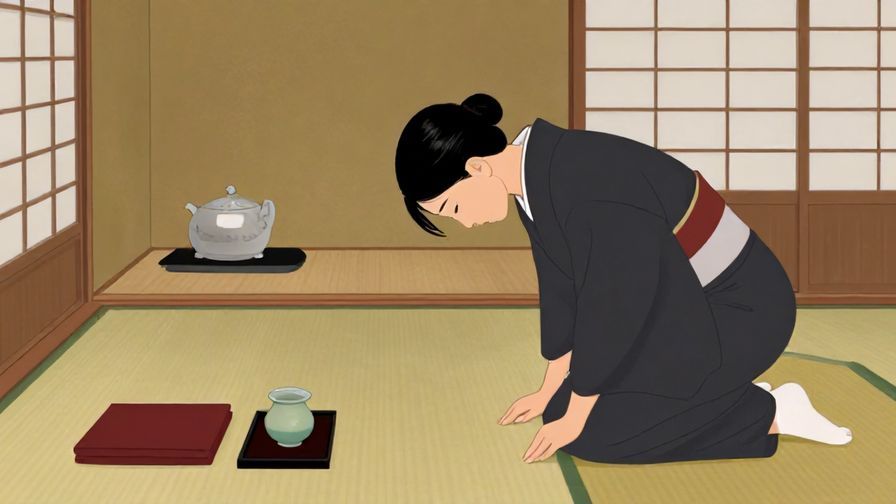
This is an even humbler version of 存じません.
It uses the verb 存じ上げる (zonjiageru), a very polite form of “to know.”
Used rarely, mostly in formal letters or very respectful speech.
Conveys deep respect and deference to the listener.
Not necessary for everyday use, but good to know for advanced learners.
Using this correctly can elevate your formal Japanese skills.
13. わかりかねます (Wakarikanemasu) – “I’m unable to understand/know” (formal)

This phrase expresses inability to know or understand something.
It’s a polite, indirect way to say “I don’t know” or “I can’t answer.”
Common in customer service or formal conversations to sound courteous.
Softens the refusal or uncertainty, making it sound professional.
Useful when you want to avoid sounding blunt or careless.
Practice it to handle tricky situations gracefully.
14. わかりませんでした (Wakarimasen deshita) – “I didn’t know” (past polite)

This is the past tense polite form, meaning “I didn’t know.”
Useful when admitting you were unaware of something previously.
It shows humility and honesty.
Good for formal apologies or clarifications.
Use it when you want to express regret about not knowing earlier.
It helps maintain politeness even in awkward situations.
15. 知りませんでした (Shirimasen deshita) – “I didn’t know” (past polite)

This is the past tense polite form of 知らない.
It means “I didn’t know” or “I was unaware.”
Used in formal situations to admit a lack of knowledge.
It’s a humble way to acknowledge past ignorance.
Appropriate for apologies or clarifications in polite speech.
A solid phrase for professional settings or respectful conversations.
16. よくわかりません (Yoku wakarimasen) – “I don’t really understand” (polite)

This phrase means “I don’t really understand” or “I’m not sure.”
“よく” (yoku) means “well” or “really,” adding emphasis to the uncertainty.
It’s useful when you want to say you don’t fully grasp the topic.
Common in polite conversations or classroom settings.
It’s softer than a blunt “I don’t know,” showing willingness to learn.
Try this one when you want to keep the conversation open.
Part 3: Very Casual / Native-like Expressions
17. さあね (Saa ne) – “Who knows?” (very casual)

This is a very casual, native-like way to say “I don’t know.”
It’s equivalent to “Who knows?” or “Beats me.”
Used among close friends or in informal chats.
It sounds lighthearted and sometimes cheeky.
Perfect for when you want to keep things casual and fun.
Use it to add personality to your conversations.
18. どうでもいい (Dou demo ii) – “I don’t care” / “I don’t know” (casual, blunt)

This phrase literally means “It doesn’t matter,” but sometimes it’s used to imply “I don’t know” or “It’s all the same to me.”
Very casual and can sound blunt or dismissive.
Use with caution—it might come off as rude.
Common among close friends when you’re indifferent or unsure.
Good to know, but avoid in polite or formal settings.
It shows a native’s casual style but may not always be appropriate.
19. まったくわからない (Mattaku wakaranai) – “I have no idea” (casual, strong)

This phrase means “I have no idea” or “I don’t understand at all.”
“まったく” (mattaku) adds emphasis meaning “completely” or “totally.”
It’s casual but stronger than just わからない.
Use it when you want to stress total lack of knowledge.
Good for expressive conversations with friends.
Try it when you’re really stumped or confused.
20. うーん、わからない (Uun, wakaranai) – “Hmm, I don’t know” (casual, thinking)

This phrase adds a thoughtful “Hmm” before “I don’t know.”
It sounds natural and conveys you’re really thinking about it.
Great for casual conversations when you want to show engagement.
It softens the uncertainty and adds personality.
Use it to sound reflective rather than flatly clueless.
This makes your response feel more genuine and human.
21. 知らねーよ (Shiranee yo) – “I don’t know!” (very casual, masculine)

This is a very casual, rough way to say “I don’t know.”
“ねー” (nee) is a slangy version of ない (nai), and “よ” adds emphasis.
Common among young men or in informal, heated conversations.
Sounds rough or even a little rude, so use carefully.
Good for understanding native slang but not for polite speech.
Use it only with close friends or when joking around.
22. ちょっとわかんないっすね (Chotto wakannai ssu ne) – “I’m not quite sure” (very casual)

This phrase means “I’m not quite sure” with a casual and friendly tone.
“ちょっと” (chotto) softens the phrase, making it less direct.
“っすね” (ssu ne) adds a laid-back vibe, common in spoken Japanese among younger people.
Great for casual conversations when you want to sound approachable.
It’s a nice mix of honesty and friendliness.
Try it to sound natural in informal settings.
Concluding Thought
Learning to say “I don’t know” in multiple ways is a small but powerful step in mastering Japanese.
It helps you sound more natural and confident, whether you’re in casual chats or formal meetings.
Remember, it’s okay not to know—expressing that gracefully is part of becoming fluent. Keep practicing, and soon you’ll find the perfect phrase for every situation!