22 Japanese ways to say “I almost had a heart attack”
Ever had one of those moments where your heart just skipped a beat? Or maybe it felt like it nearly stopped altogether? We’ve all been there—those sudden surprises or shocks that make you think you almost had a heart attack.
In Japanese, there are tons of fun and expressive ways to say just that. Whether you’re chatting with friends or reacting to something intense, these phrases will help you sound natural and relatable.
This listicle will take you through 22 different Japanese expressions for “I almost had a heart attack,” ranging from casual to formal, and even some native-like slang.
You’ll get pronunciation guides, word breakdowns, and little tips to remember each phrase easily. Learning these can also give you a deeper feel for Japanese emotions and everyday expressions.
Plus, it’s a great way to spice up your conversations and impress your Japanese-speaking friends with your range!
So, let’s jump right in and discover how to say “I almost had a heart attack” in Japanese, in 22 unique and warm ways.
Getting Ready: Why Variety Matters
Before we dive into the list, it’s good to know why having multiple ways to say something like “I almost had a heart attack” is useful.
Japanese is full of nuance, and the way you express shock depends on your mood, the setting, and who you’re talking to.
From casual chats to more polite conversations, your choice of words can change everything.
Sometimes, using a great beginner phrasebook can give you a perfect starting point for a cohesive understanding.
Understanding these phrases sharpens your communication and helps you respond naturally to surprising situations.
Let’s start with casual expressions you can use with friends or family.
Part 1: Casual Suggestions
1. 危うく心臓止まるところだった (Ayauku shinzou tomaru tokoro datta) – “I almost had my heart stop.”
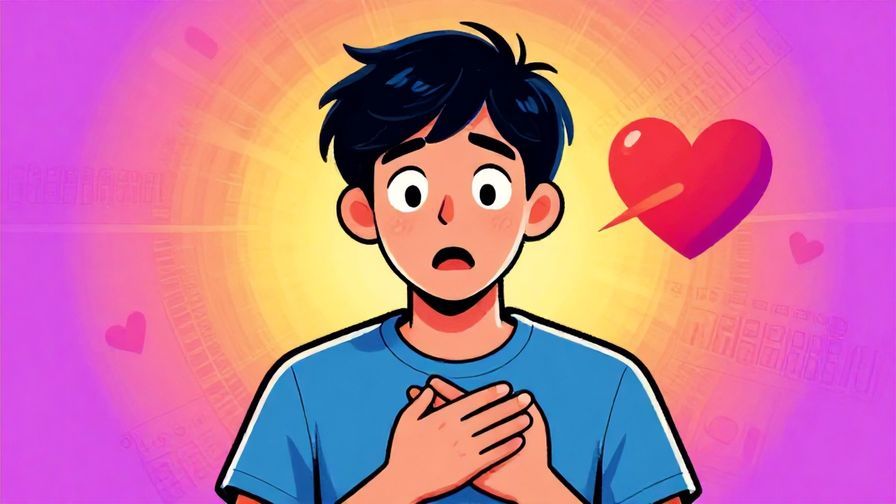
This phrase literally means “I almost had my heart stop.”
“危うく” (Ayauku) means “almost” or “nearly,” “心臓” (shinzou) is “heart,” and “止まるところだった” (tomaru tokoro datta) means “was about to stop.”
It’s a vivid way to express shock or surprise.
Use it when something really catches you off guard.
A similar phrase is “危うく死ぬところだった” (Ayauku shinu tokoro datta) meaning “I almost died.”
Try this one when you want to sound dramatic but natural in everyday talk.
2. 心臓が飛び出しそうだった (Shinzou ga tobidasu sou datta) – “My heart felt like it was going to jump out.”
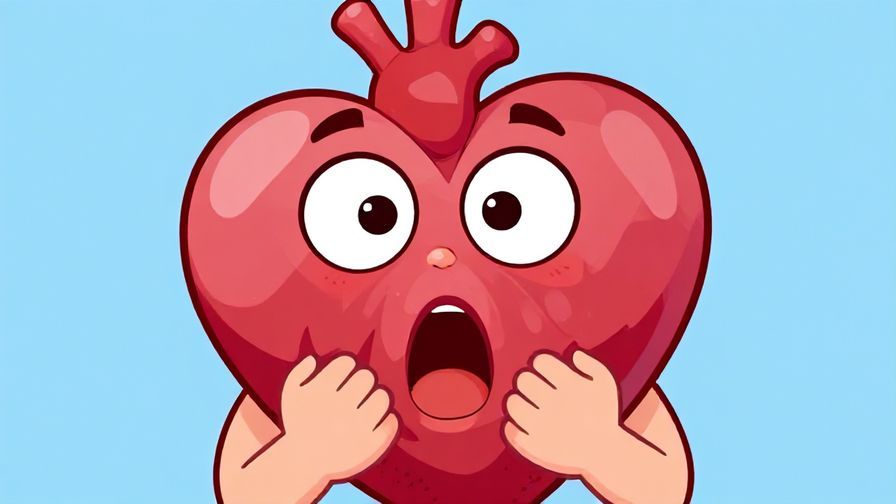
This phrase paints a picture of your heart almost jumping out of your chest!
“心臓” (shinzou) means “heart,” “飛び出しそう” (tobidasu sou) means “looks like it will jump out,” and “だった” (datta) is past tense.
It’s very expressive and common in casual speech.
Great for telling friends about a scare or surprise.
It’s similar to saying “My heart skipped a beat.”
Using this phrase adds a lively, almost cartoonish feel to your reaction.
3. ドキッとした (Dokitto shita) – “I got startled.”
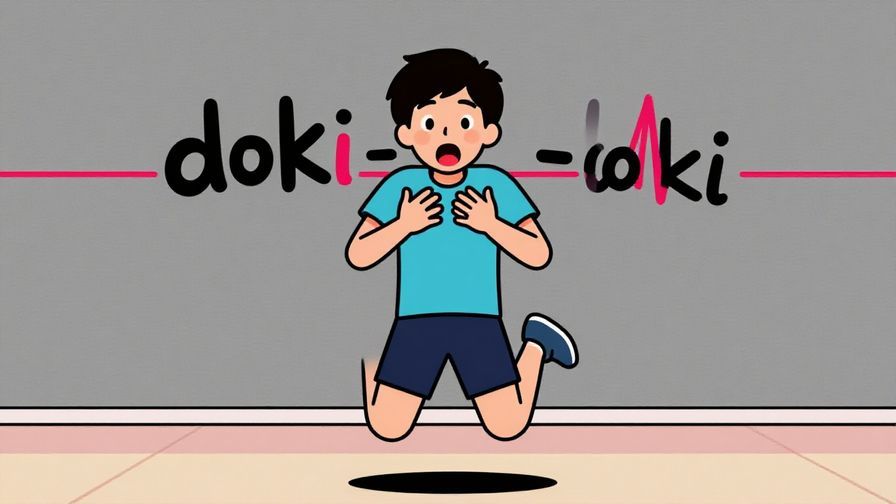
“ドキッとした” comes from “ドキドキ” (dokidoki), the sound of a heartbeat.
Adding “とした” makes it past tense, meaning “I got startled” or “My heart skipped.”
This is a very casual and common way to say you were shocked.
It works well for small surprises or moments that made your heart race.
Try saying it when something unexpected happens but isn’t too serious.
It’s easy to remember because “dokidoki” is often used to describe excitement or nervousness.
4. 心臓バクバクした (Shinzou bakubaku shita) – “My heart was pounding.”
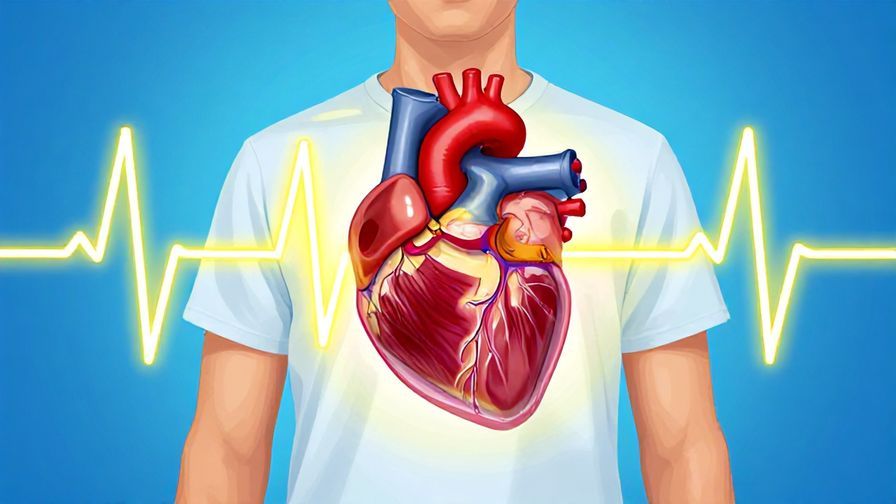
“バクバク” (bakubaku) is an onomatopoeia for a pounding heart.
“心臓” (shinzou) means “heart,” and “した” (shita) indicates past tense.
Use this when your heart was racing quickly due to shock or excitement.
This phrase is very casual and often used among friends.
It’s a great way to describe that sudden rush of adrenaline.
Practice by associating “bakubaku” with the feeling of your own heartbeat.
5. びっくりして心臓が止まりそうだった (Bikkuri shite shinzou ga tomari sou datta) – “I was so surprised my heart almost stopped.”
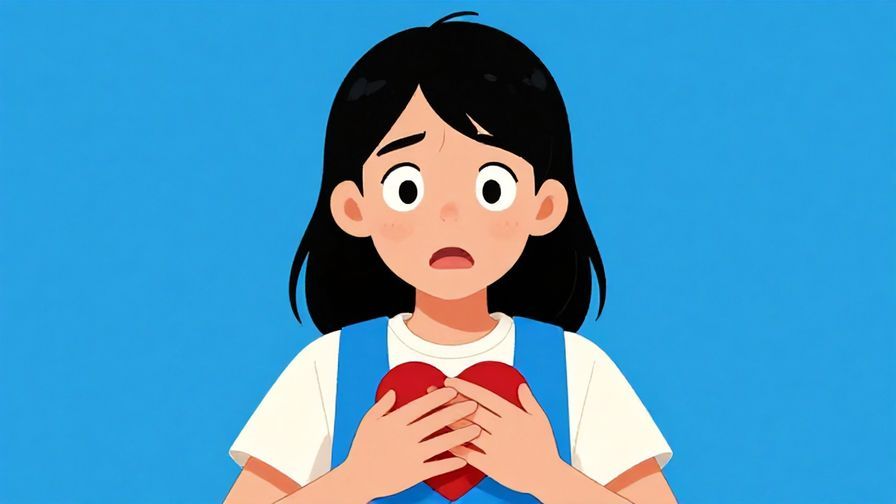
“びっくりして” (bikkuri shite) means “being surprised,” “心臓が止まりそうだった” means “heart almost stopped.”
This is a direct and expressive way to say you were shocked.
Use it when something unexpectedly frightens or surprises you.
It’s casual but polite enough for most everyday situations.
You can swap “びっくりして” with “驚いて” (odoroite) for a slightly more formal tone.
It’s a handy phrase to remember for storytelling.
6. 心臓がドキドキした (Shinzou ga dokidoki shita) – “My heart was pounding.”

“心臓がドキドキした” also uses the “ドキドキ” sound for a racing heart.
It’s similar to “心臓バクバクした” but a bit softer and more common.
Perfect for expressing nervous excitement or mild shock.
Very common in casual conversation.
Try using this one when you want something lighter and less intense.
It’s easy to practice by mimicking the “dokidoki” sound yourself.
7. もう心臓が止まるかと思った (Mou shinzou ga tomaru ka to omotta) – “I thought my heart was going to stop.”
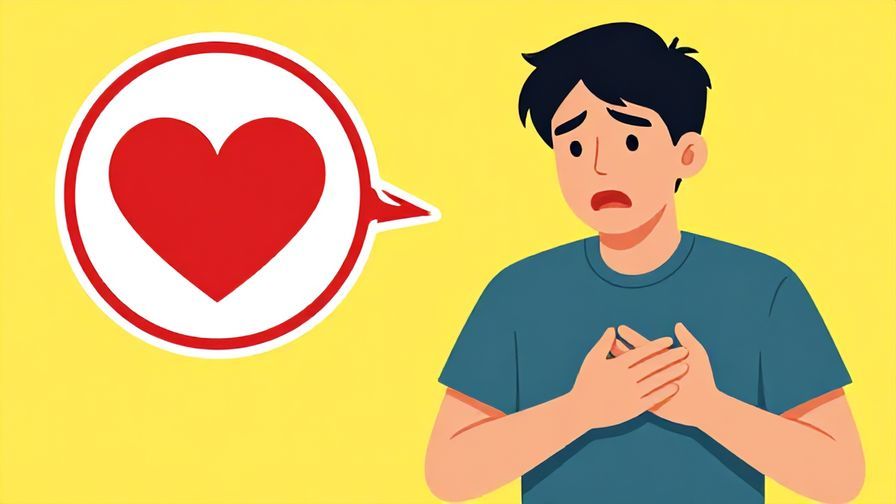
This phrase is great for emphasizing how strong your shock was.
“もう” (mou) means “already” or “almost,” “心臓が止まるかと思った” means “I thought my heart would stop.”
It’s casual but still very expressive.
Use this to show your reaction to a scary or startling event.
It’s a natural phrase you’ll hear often in everyday Japanese.
Try it out when you want to exaggerate your surprise a bit for effect.
8. びっくりして倒れそうだった (Bikkuri shite taoresou datta) – “I was so surprised I almost fainted.”
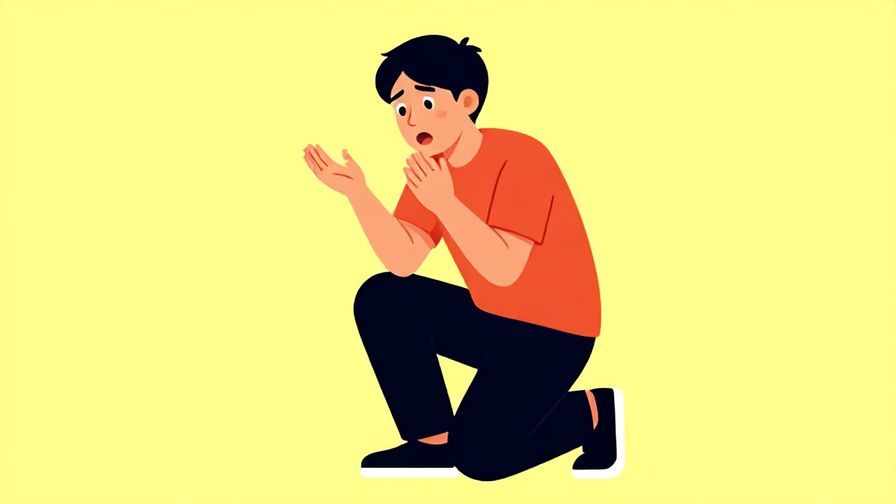
“倒れそうだった” (taoresou datta) means “almost collapsed” or “fainted.”
This phrase uses a dramatic expression of shock.
It’s casual and very relatable when something really startles you.
Great to use when the surprise feels overwhelming.
It’s a common way to dramatize your feelings in conversation.
Pair it with “びっくりして” to connect surprise and physical reaction.
Part 2: Polite & Formal Suggestions
9. 危うく心臓発作を起こすところでした (Ayauku shinzou hossa o okosu tokoro deshita) – “I almost had a heart attack.”

This is the formal and medical-sounding way to say “I almost had a heart attack.”
“心臓発作” (shinzou hossa) means “heart attack,” and “起こすところでした” (okosu tokoro deshita) means “was about to have.”
Use it in serious or polite situations, like at work or with strangers.
It sounds respectful and precise.
Perfect for discussing health or emergency topics politely.
Pair it with polite expressions to keep the tone appropriate.
10. 心臓が一瞬止まったように感じました (Shinzou ga isshun tomatta you ni kanjimashita) – “I felt like my heart stopped for a moment.”

This phrase is polite and descriptive.
“一瞬” (isshun) means “a moment,” “止まったように感じました” means “felt like it stopped.”
Use it when describing a subtle but strong emotional reaction.
Good for formal conversations or written Japanese.
It’s less dramatic but more refined.
Great for telling stories or explaining feelings carefully.
11. 危うく卒倒しそうになりました (Ayauku sottou shisou ni narimashita) – “I almost fainted.”
“卒倒” (sottou) means “fainting,” a polite and formal word.
“危うく…なりました” shows “almost happened.”
Use this phrase in professional or serious settings.
It communicates shock without slang.
Useful in medical or formal storytelling.
Try to remember this as a go-to for polite shock expressions.
12. 心臓が止まりそうになりました (Shinzou ga tomarisou ni narimashita) – “My heart almost stopped.”
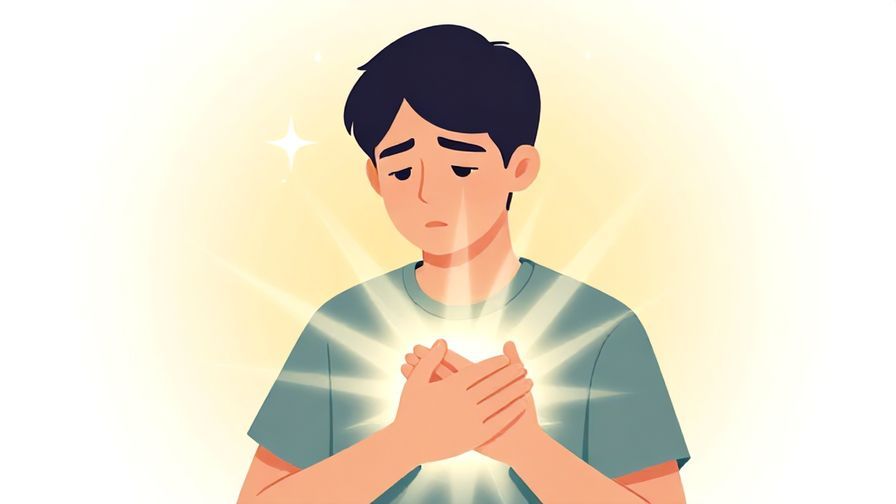
A polite and straightforward way to say your heart nearly stopped.
“止まりそうになりました” means “almost stopped.”
Suitable for most polite conversations.
It’s less slangy and more universally acceptable.
Good for both spoken and written Japanese.
Easy to remember by focusing on “tomaru” (stop) and “sou ni naru” (almost happens).
13. 心臓がドキドキしていました (Shinzou ga dokidoki shite imashita) – “My heart was pounding.”

This is the polite past continuous form of the casual “ドキドキ.”
Use it when describing nervousness or excitement formally.
It’s perfect for polite conversations and writing.
Keeping “dokidoki” connects emotion with respectfulness.
Try practicing polite verb endings like “shite imashita.”
It’s a smooth, natural phrase for formal settings.
14. びっくりして心臓が止まりそうでした (Bikkuri shite shinzou ga tomarisou deshita) – “I was so surprised my heart almost stopped.”
This phrase blends casual “びっくり” with polite “でした.”
It’s a versatile expression for surprised reactions politely.
Good for workplace or social situations.
It sounds natural yet respectful.
Try this phrase to balance shock and politeness.
It’s easy to use in everyday polite Japanese.
15. 心臓がドキッとしました (Shinzou ga dokitto shimashita) – “My heart jumped.”

“ドキッとしました” is a polite past tense phrase meaning “My heart jumped.”
It’s commonly used to describe sudden surprise or nervousness.
Perfect for polite yet expressive conversation.
It captures a quick, sharp emotional reaction.
Useful in both formal and semi-formal contexts.
Practice it by remembering “dokitto” as a sudden heartbeat sound.
16. 心臓がバクバクしていました (Shinzou ga bakubaku shite imashita) – “My heart was pounding.”
This is the polite continuous form of “バクバク.”
Use it in respectful contexts to describe a pounding heart.
It’s a great phrase when you want to sound serious but still natural.
Helpful for polite storytelling or interviews.
Remember to use “shite imashita” for polite past continuous.
This phrase fits well in professional settings.
Part 3: Very Casual / Native-like Expressions
17. 心臓止まりそうだったわ (Shinzou tomarisou datta wa) – “My heart almost stopped (casual, feminine).

The ending “わ” adds a feminine, casual tone.
It’s often used by women to express surprise lightly.
Great for chatting with friends or informal situations.
It makes your expression sound cute and relatable.
Try using it to sound natural and friendly.
Perfect for casual texts or conversations.
18. 心臓バクバクでやばかった (Shinzou bakubaku de yabakatta) – “My heart was pounding and it was crazy.”

“やばい” (yabai) is a slang word meaning “crazy” or “intense.”
Combine it with “バクバク” to sound very casual and native-like.
Use it with close friends for emphasizing strong feelings.
It’s youthful and trendy.
Be cautious using it in formal contexts.
It’s a fun way to sound hip and expressive.
19. 心臓止まりかけた (Shinzou tomarikaketa) – “My heart almost stopped.”
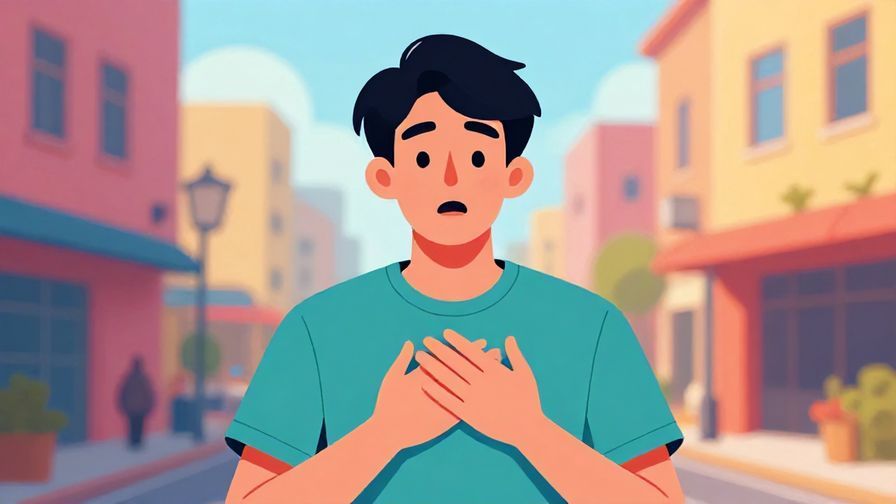
“止まりかけた” means “almost stopped.”
It’s very casual and used in everyday speech.
Great for quick reactions or storytelling.
Easy to use and remember.
Sounds natural among younger speakers.
Try this in informal conversations to sound native.
20. 心臓バクバクして死ぬかと思った (Shinzou bakubaku shite shinu ka to omotta) – “My heart was pounding, I thought I’d die.”
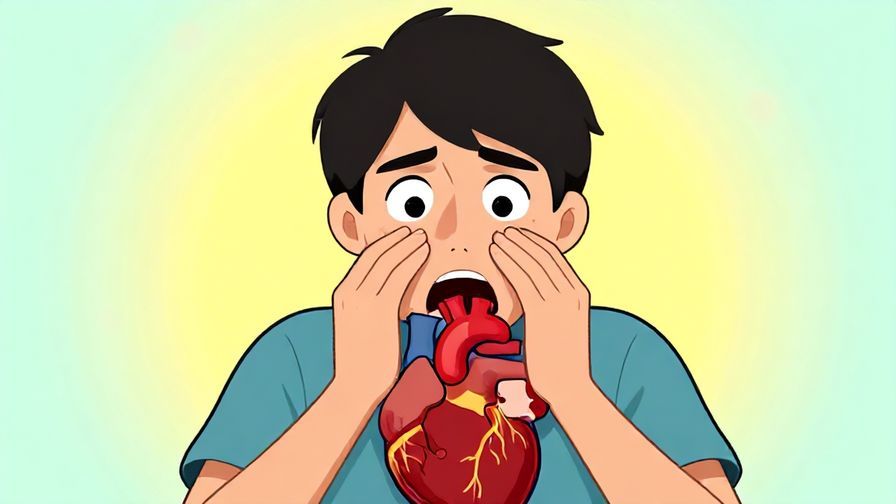
This phrase is highly dramatic and casual.
“死ぬかと思った” means “I thought I’d die.”
Use it for humor or exaggeration among close friends.
It’s not for serious or formal use.
Fun for storytelling with a dramatic flair.
Memorize it to add spice to your casual conversations.
21. 心臓バクバクしてやばかったわー (Shinzou bakubaku shite yabakatta waa) – “My heart was pounding, it was intense (casual, feminine).”

The “わー” ending adds a playful, feminine vibe.
It’s casual and very expressive.
Good for texting or chatting with close friends.
Sounds natural and relatable for young women.
Use it to show excitement or surprise.
Practice by mimicking the playful tone.
22. 心臓が止まるかと思ったけど生きてる (Shinzou ga tomaru ka to omotta kedo ikiteru) – “I thought my heart would stop, but I’m still alive.”
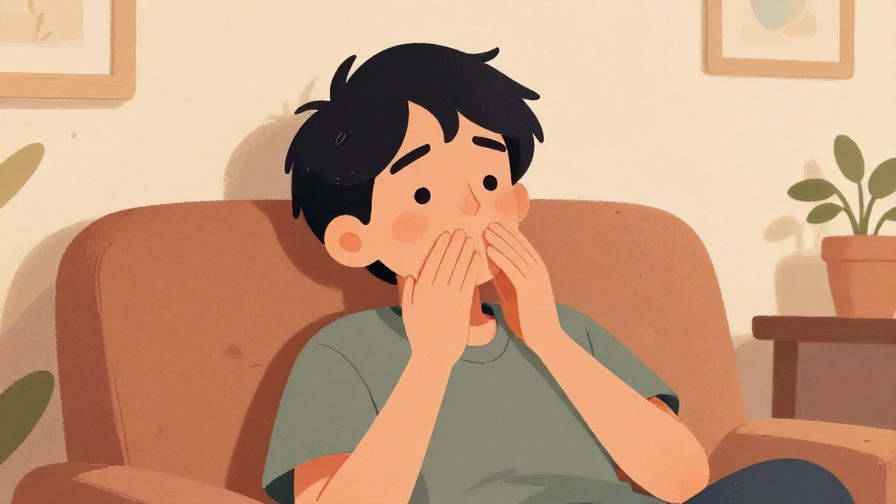
This phrase adds humor and relief.
“けど生きてる” means “but I’m alive.”
It’s very casual, great for joking after a scare.
Use it with friends to lighten the mood.
It shows you survived the shock, making it fun.
Try this phrase to sound witty and natural.
Concluding Thought
Learning these 22 ways to say “I almost had a heart attack” in Japanese not only boosts your vocabulary but also lets you connect more deeply with Japanese culture and everyday life.
From formal to very casual expressions, you have plenty of options to express surprise and shock in your own style.
Keep practicing, and soon you’ll be reacting to surprises just like a native speaker—with the perfect phrase for every moment!