22 Japanese ways to say “History repeats itself”
History tends to have a way of coming back around, doesn’t it? That feeling when you realize events from the past seem to echo in the present is pretty universal.
In Japanese, there are many beautiful ways to express this idea, each with its own nuance and charm. Let’s explore 22 phrases that capture the essence of “history repeats itself.”
Whether you’re a language lover or just curious about cultural expressions, these phrases will deepen your understanding and maybe even add some poetic flair to your conversations.
We’ll cover casual, polite, and native-like expressions—so you can pick the perfect phrase for any situation. Along the way, I’ll share little tips to help you remember and use them naturally.
Learning these sayings also gives you a peek into how Japanese people perceive time, cycles, and lessons from the past.
Ready to dive in? Let’s start this linguistic journey through time and culture!
Understanding the Nuance
Before jumping into the list, it’s good to know that Japanese often uses metaphorical and idiomatic expressions to talk about the idea of history repeating itself.
Some phrases directly mention history or cycles, while others hint at the concept through nature or time-related words.
This variety lets you express the concept in ways that feel natural in different contexts—whether casual or formal.

Sometimes, using a great idioms book can give you a perfect starting point for a cohesive understanding.
Once you get the hang of these expressions, you’ll be able to spot them in conversations, books, and media.
That’s a quick win for deeper language immersion!
Part 1: Casual Suggestions
1. 歴史は繰り返す (Rekishi wa kurikaesu) – “History repeats itself.”
This is the most straightforward way to say “history repeats itself.”
“歴史 (Rekishi)” means “history,” “は (wa)” is the topic marker, and “繰り返す (kurikaesu)” means “to repeat.” Simple and direct!
It’s great for conversations where you want to sound clear and serious.
Use this phrase when discussing patterns in society or events.
It’s often found in books, news, and formal talks, so it’s a handy phrase to know.
Practice saying it aloud: “Rekishi wa kurikaesu” (reh-kee-shee wah koo-ree-kah-eh-soo).
2. 同じ過ちを繰り返す (Onaji ayamachi o kurikaesu) – “Repeat the same mistake.”

This phrase focuses on repeating mistakes, a common theme when talking about history repeating itself.
“同じ (onaji)” means “same,” “過ち (ayamachi)” means “mistake,” and “繰り返す (kurikaesu)” again means “to repeat.”
Use it when you want to highlight how history can be a lesson to avoid repeating errors.
It’s a practical phrase for casual talks about learning from the past.
Try this mnemonic: Think of “onaji” as “oh-nah-jee” — the “same” thing happening again.
“Onaji ayamachi o kurikaesu” (oh-nah-jee ah-yah-mah-chee oh koo-ree-kah-eh-soo) rolls off nicely, doesn’t it?
3. 繰り返しは人生の一部 (Kurikaeshi wa jinsei no ichibu) – “Repetition is part of life.”
This phrase takes a softer approach, implying that repeats are natural and part of living.
“繰り返し (kurikaeshi)” means “repetition,” “は (wa)” is the topic marker, “人生 (jinsei)” means “life,” and “一部 (ichibu)” means “a part.”
It’s a comforting way to say history or patterns come back as part of our journey.
Use this when you want to sound philosophical or encouraging.
Focus on “ichibu” (ee-chee-boo) meaning “part” to remember it’s about a piece of life, not the whole story.
“Kurikaeshi wa jinsei no ichibu” (koo-ree-kah-eh-shee wah jeen-say no ee-chee-boo) is a lovely phrase to keep in mind.
4. 過去は繰り返す (Kako wa kurikaesu) – “The past repeats itself.”
A simple way to say history repeats itself by focusing on “the past.”
“過去 (kako)” means “past,” “は (wa)” topic marker, “繰り返す (kurikaesu)” means “repeat.”
Perfect for storytelling or reflecting on lessons learned.
It’s similar to the first phrase but with a slightly different feel.
“Kako” sounds like “kah-koh”—easy to remember because it’s short and punchy.
Say it with me: “Kako wa kurikaesu” (kah-koh wah koo-ree-kah-eh-soo).
5. 歴史は巡る (Rekishi wa meguru) – “History goes around in circles.”
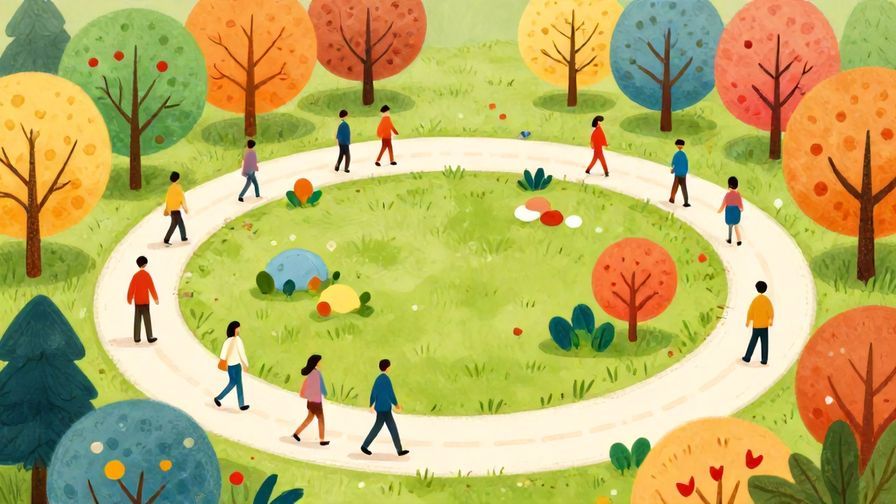
This phrase uses a poetic metaphor of history “going around.”
“巡る (meguru)” means “to go around” or “to circulate.”
It captures the cyclical nature of events in a beautiful way.
Great for more romantic or literary uses.
Remember “meguru” (meh-goo-roo) by thinking of “me” going “around” a track.
“Rekishi wa meguru” (reh-kee-shee wah meh-goo-roo) paints a vivid picture of time’s cycles.
6. 時は繰り返す (Toki wa kurikaesu) – “Time repeats itself.”
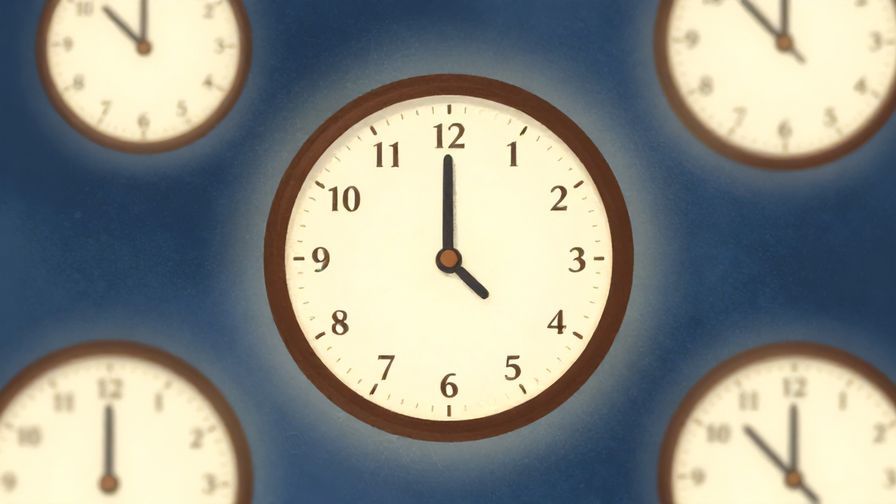
Here, “time” is the focus, highlighting how moments can loop.
“時 (toki)” means “time,” and “繰り返す (kurikaesu)” remains “to repeat.”
Use this phrase when emphasizing cycles beyond just history.
It’s poetic and slightly philosophical.
“Toki” (toh-kee) is easy to remember as “time ticking.”
Practice: “Toki wa kurikaesu” (toh-kee wah koo-ree-kah-eh-soo).
7. 同じことの繰り返し (Onaji koto no kurikaeshi) – “Repeating the same thing.”
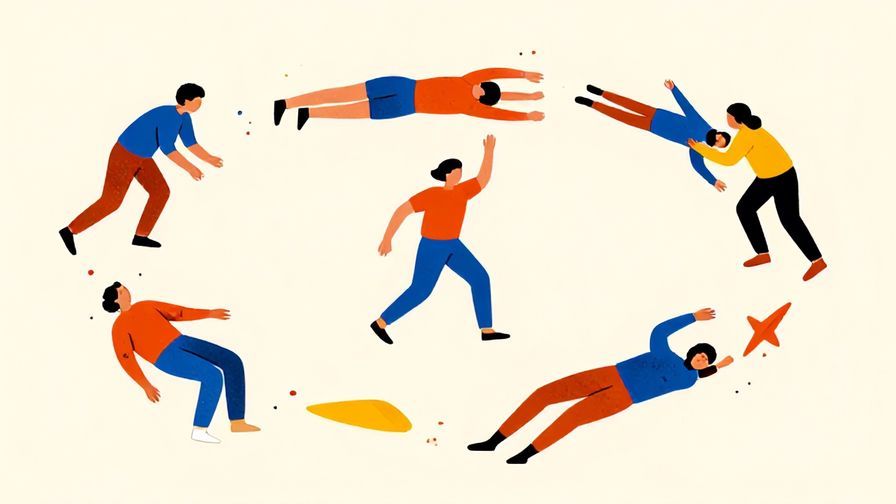
This phrase is casual and often used in everyday talk.
“同じこと (onaji koto)” means “the same thing,” and “繰り返し (kurikaeshi)” is “repetition.”
It’s good for emphasizing frustration or routine repeats.
Great for conversations about history repeating in personal life or small patterns.
“Koto” (koh-toh) means “thing” and is super common in Japanese.
Say: “Onaji koto no kurikaeshi” (oh-nah-jee koh-toh no koo-ree-kah-eh-shee).
8. 同じ轍を踏む (Onaji tetsu o fumu) – “To step on the same rut.”
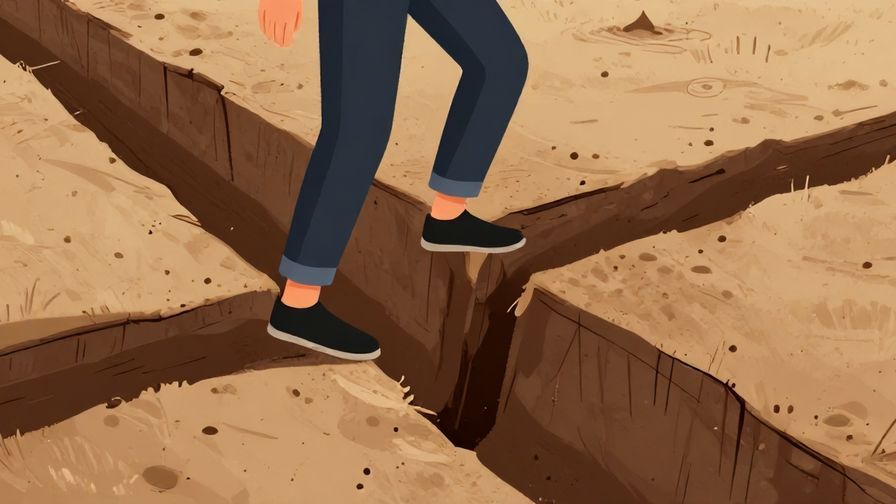
This idiom means repeating the same mistake, literally “stepping in the same rut.”
“轍 (tetsu)” means “rut” or “wheel track,” and “踏む (fumu)” means “to step.”
It’s a vivid way to warn against repeating errors.
Perfect for friendly advice or cautionary tales.
Remember “fumu” (foo-moo) as “foot stepping.”
“Onaji tetsu o fumu” (oh-nah-jee tet-soo oh foo-moo) is a memorable phrase to share.
Part 2: Polite & Formal Suggestions
9. 歴史は繰り返される (Rekishi wa kurikaesareru) – “History is repeated.” (Passive form)
Using the passive verb form adds formality and objectivity.
“繰り返される (kurikaesareru)” means “to be repeated.”
This phrase fits in speeches, essays, and formal writing.
It’s helpful for showing respect to your audience while discussing history.
Focus on “sareru” (sah-reh-roo) endings to recognize passive forms.
Practice: “Rekishi wa kurikaesareru” (reh-kee-shee wah koo-ree-kah-eh-sah-reh-roo).
10. 歴史は巡り巡る (Rekishi wa megurimeguru) – “History goes round and round.”
A more formal, poetic version of “history goes around.”
“巡り巡る (megurimeguru)” intensifies the cyclical image by repeating the verb.
Great in writing or speeches to sound sophisticated.
It emphasizes the inevitability and beauty of cycles.
Double “meguri” (meh-goo-ree) makes it easy to remember.
Say: “Rekishi wa megurimeguru” (reh-kee-shee wah meh-goo-ree meh-goo-roo).
11. 歴史は必ず繰り返す (Rekishi wa kanarazu kurikaesu) – “History always repeats.”
Adding “必ず (kanarazu)” means “always,” giving a stronger, more certain tone.
This phrase is formal but carries an unavoidable sense of repetition.
Use it when emphasizing the certainty of history’s patterns.
“Kanarazu” (kah-nah-rah-zoo) is a useful word to learn for certainty.
Perfect for warnings or philosophical statements.
Try saying: “Rekishi wa kanarazu kurikaesu” (reh-kee-shee wah kah-nah-rah-zoo koo-ree-kah-eh-soo).
12. 歴史は繰り返され続ける (Rekishi wa kurikaesa tsuzukeru) – “History continues to be repeated.”
This phrase emphasizes ongoing repetition.
“続ける (tsuzukeru)” means “to continue,” so the phrase means history keeps repeating.
It’s formal and useful for academic or serious discussions.
“Tsuzukeru” (tsoo-zoo-keh-roo) is a handy verb for “continuing.”
Use it when you want to stress that history’s cycles are relentless.
Practice: “Rekishi wa kurikaesa tsuzukeru” (reh-kee-shee wah koo-ree-kah-eh-sah tsoo-zoo-keh-roo).
13. 過去の過ちは繰り返される (Kako no ayamachi wa kurikaesareru) – “Past mistakes are repeated.”
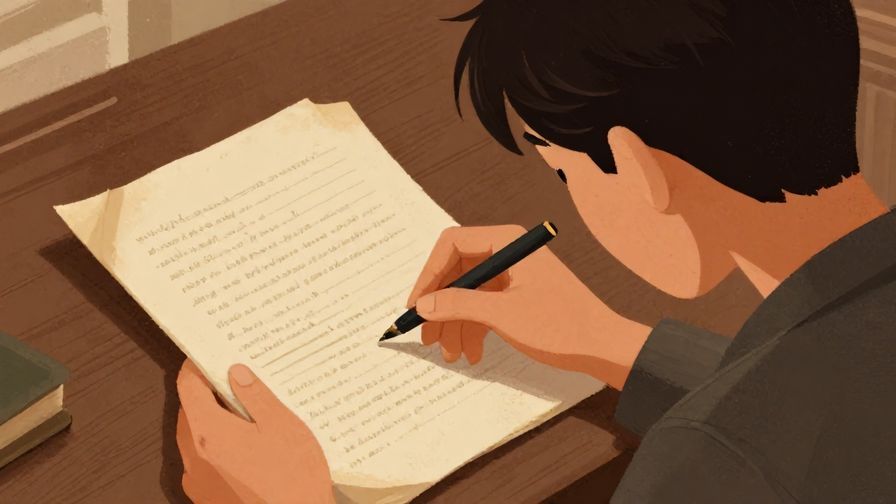
A formal way to say that past mistakes come back around.
“過去の過ち (kako no ayamachi)” means “past mistakes,” and “繰り返される” adds the passive “are repeated.”
This phrase fits well in lectures or serious talks about learning history.
It’s a great phrase to use when discussing lessons learned—or not learned.
Focus on “kako no ayamachi” (kah-koh no ah-yah-mah-chee) to remember “past mistakes.”
Say: “Kako no ayamachi wa kurikaesareru” (kah-koh no ah-yah-mah-chee wah koo-ree-kah-eh-sah-reh-roo).
14. 歴史的循環 (Rekishi-teki junkan) – “Historical cycle.”
This is a noun phrase meaning “historical cycle.”
“歴史的 (rekishi-teki)” means “historical,” and “循環 (junkan)” means “cycle.”
Perfect for formal writing or analysis.
It’s technical but useful for sounding knowledgeable.
“Junkan” (joon-kahn) is a great word for “cycle” to add to your vocabulary.
Use it like: “Rekishi-teki junkan” (reh-kee-shee teh-kee joon-kahn).
15. 歴史の繰り返しは避けられない (Rekishi no kurikaeshi wa sakerarenai) – “History’s repetition is unavoidable.”
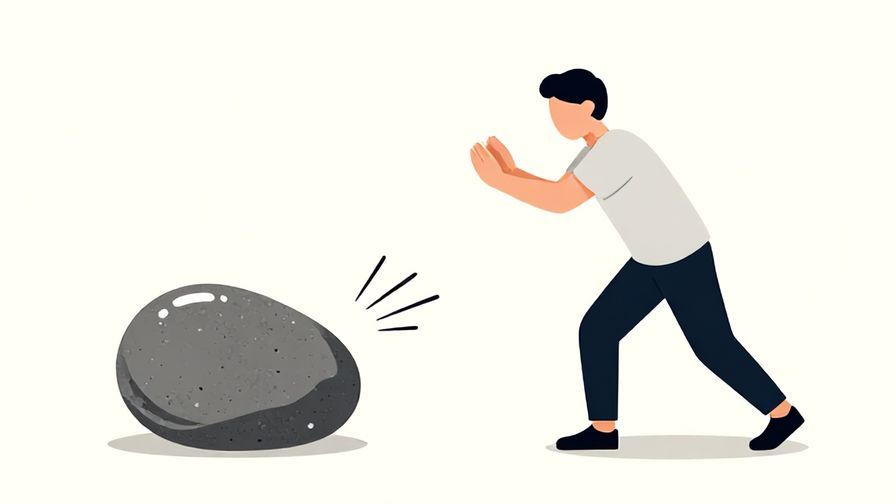
This phrase emphasizes that history’s repeats cannot be avoided.
“避けられない (sakerarenai)” means “unavoidable.”
It’s formal and adds a strong philosophical edge.
Use it when discussing fate or inevitability.
“Sakerarenai” (sah-keh-rah-reh-nai) might be tricky, but breaking it down helps.
Try: “Rekishi no kurikaeshi wa sakerarenai” (reh-kee-shee no koo-ree-kah-eh-shee wah sah-keh-rah-reh-nai).
16. 歴史は繰り返される運命にある (Rekishi wa kurikaesareru unmei ni aru) – “History is destined to repeat itself.”

A poetic and formal way to say history’s repetition is fate.
“運命 (unmei)” means “destiny” or “fate,” adding weight to the inevitability.
Perfect for speeches or writing with a dramatic tone.
“Unmei” (oon-may) is a beautiful word worth remembering.
Say: “Rekishi wa kurikaesareru unmei ni aru” (reh-kee-shee wah koo-ree-kah-eh-sah-reh-roo oon-may nee ah-roo).
Part 3: Very Casual / Native-like Expressions
17. 歴史は繰り返すもんだよ (Rekishi wa kurikaesu mon da yo) – “History repeats, you know.”

This adds a casual and conversational tone with “もんだよ (mon da yo).”
“Mon da yo” softens the statement, making it sound like friendly advice or observation.
Great for chatting with friends or informal talks.
It feels natural and approachable.
“Mon da yo” (mohn dah yoh) is often used to explain or emphasize something gently.
Practice: “Rekishi wa kurikaesu mon da yo” (reh-kee-shee wah koo-ree-kah-eh-soo mohn dah yoh).
18. 過去は繰り返すってば (Kako wa kurikaesu tte ba) – “The past repeats, I’m telling you.”

“ってば (tte ba)” adds a playful or emphatic nuance, like “I’m telling you!”
It’s very casual, used between close friends or younger speakers.
Use it to add personality when discussing history’s repeats.
“Tte ba” (tteh bah) is fun once you get used to it.
Say: “Kako wa kurikaesu tte ba” (kah-koh wah koo-ree-kah-eh-soo tteh bah).
19. また同じことやってるよ (Mata onaji koto yatteru yo) – “Doing the same thing again, huh?”

A very casual, everyday phrase focusing on repeating actions.
“また (mata)” means “again,” “やってる (yatteru)” is casual “doing.”
Use it when you want to sound natural and informal.
Great for teasing or calling out repeats in daily life.
“Yatteru” (yaht-teh-roo) is a casual form of “doing.”
Try: “Mata onaji koto yatteru yo” (mah-tah oh-nah-jee koh-toh yaht-teh-roo yoh).
20. 歴史は繰り返すんだよね (Rekishi wa kurikaesun da yo ne) – “History repeats itself, right?”

Adding “んだよね (n da yo ne)” makes the phrase conversational and seeking agreement.
It’s casual and warm, perfect for discussions among friends.
It softens the statement into a shared understanding.
“N da yo ne” (n dah yoh neh) is great for making points lightly.
Say it like this: “Rekishi wa kurikaesun da yo ne” (reh-kee-shee wah koo-ree-kah-eh-soon dah yoh neh).
21. 繰り返すのは人間の性 (Kurikaesu no wa ningen no sei) – “Repeating is human nature.”
This phrase reflects on repetition as an inherent human trait.
“人間の性 (ningen no sei)” means “human nature.”
It’s casual but deep, great for thoughtful conversations.
“Sei” (say) means “nature” or “characteristic.”
Try: “Kurikaesu no wa ningen no sei” (koo-ree-kah-eh-soo noh wah nin-gen noh say).
22. 歴史は繰り返すってさ (Rekishi wa kurikaesu tte sa) – “You know, history repeats.”

“ってさ (tte sa)” adds a casual, conversational flavor, like “you know.”
It’s very natural for everyday speech among younger people.
Use it to keep the tone light and easygoing.
“Tte sa” (tteh sah) is handy for casual emphasis.
Say: “Rekishi wa kurikaesu tte sa” (reh-kee-shee wah koo-ree-kah-eh-soo tteh sah).
Concluding Thought
Exploring these 22 expressions shows just how rich and diverse Japanese can be when talking about something as timeless as history repeating itself.
From formal to casual, poetic to direct, each phrase gives you a unique way to share this universal idea.
So next time you spot a pattern repeating around you, you’ll have the perfect Japanese phrase ready to express it with warmth and style. Keep practicing, and have fun with it!