22 Japanese ways to say “Hello”
Hello there! If you’ve ever wanted to greet someone in Japanese but felt stuck with the usual “Konnichiwa,” you’re in the right place.
Japanese offers a beautiful variety of ways to say “hello,” each one fitting a different mood, time of day, or relationship. It’s like having multiple little keys to open new doors of conversation.
Whether you’re meeting new friends, joining a formal event, or just saying hi casually, there’s a perfect greeting waiting for you.
In this article, you’ll find 22 warm, friendly, and practical ways to say “hello” in Japanese, all explained simply with pronunciation guides so you can speak confidently.
Learning these will not only boost your language skills but also help you connect more genuinely with Japanese speakers.
Ready to dive in? Let’s explore these greetings and add some fun to your Japanese conversations!
Understanding Greetings in Japanese
Japanese greetings go beyond just words; they carry respect, timing, and cultural nuances.
Some greetings work best in formal situations, while others are perfect for close friends or casual encounters.
Knowing when and how to use them opens up smoother, more natural interactions.
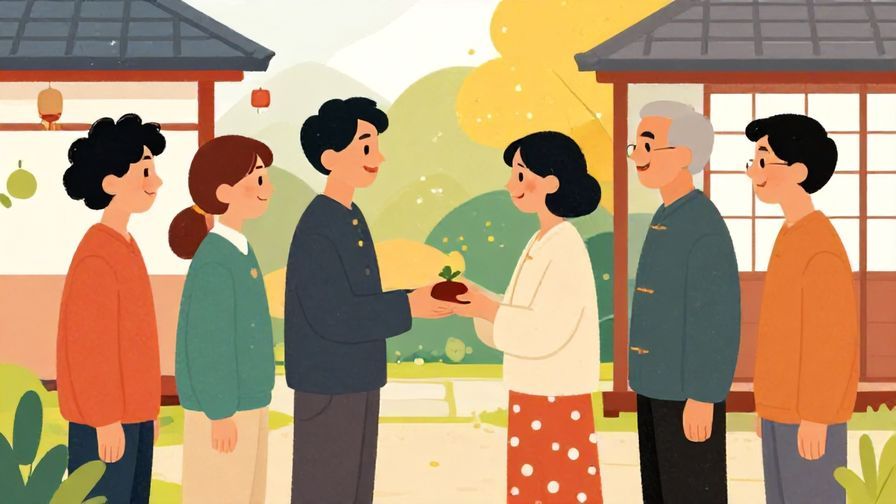
For a solid foundation, exploring a beginner Japanese phrasebook can really help you get comfortable with these expressions.
Some greetings are seasonal or tied to specific times of day, so you’ll find a few surprises here.
Let’s start with casual, everyday ways to say “hello” that you can use with friends or people your age.
Part 1: Casual Suggestions
1. こんにちは (Konnichiwa) – “Hello / Good afternoon”
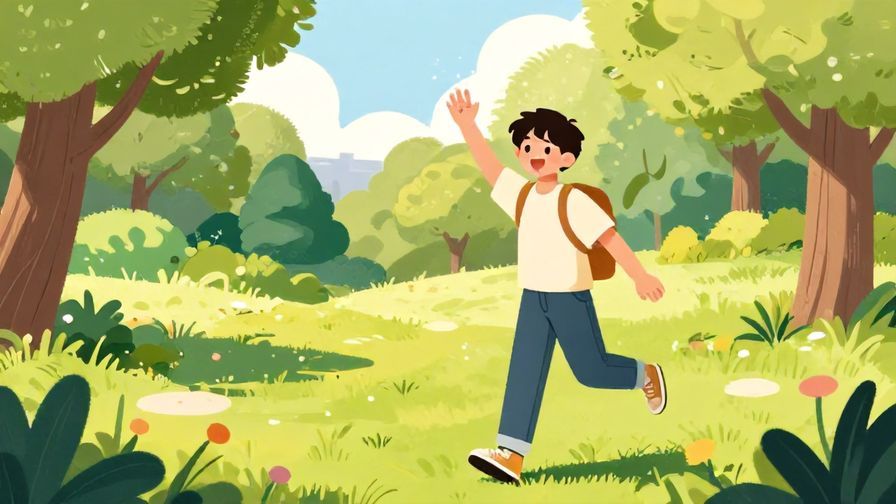
Probably the most familiar Japanese greeting, “Konnichiwa” means “hello” or “good afternoon.”
It literally breaks down to “today” (今日, konnichi) and “day” (は, wa as a particle), so you can think of it as “this day.” It’s perfect for daytime greetings.
Use it from late morning until early evening, and it’s polite yet casual enough for most situations.
This phrase is a great starting point if you want a simple, go-to greeting.
Be careful though: it’s not usually used first thing in the morning or late at night.
Once you master “Konnichiwa,” you’re halfway to greeting anyone comfortably in Japan!
2. おはよう (Ohayō) – “Good morning”

“Ohayō” means “good morning” and is commonly used before around 10 a.m.
The full polite form is “おはようございます” (Ohayō gozaimasu), but friends often shorten it to “Ohayō.”
This phrase literally means “early,” so it’s perfect for greeting someone at the start of the day.
It’s friendly and warm—great to brighten someone’s morning.
Remember to add “gozaimasu” for more formal settings like work or meeting new people.
Try saying “Ohayō” to your Japanese friends or colleagues to start the day on a cheerful note!
3. こんばんは (Konbanwa) – “Good evening”
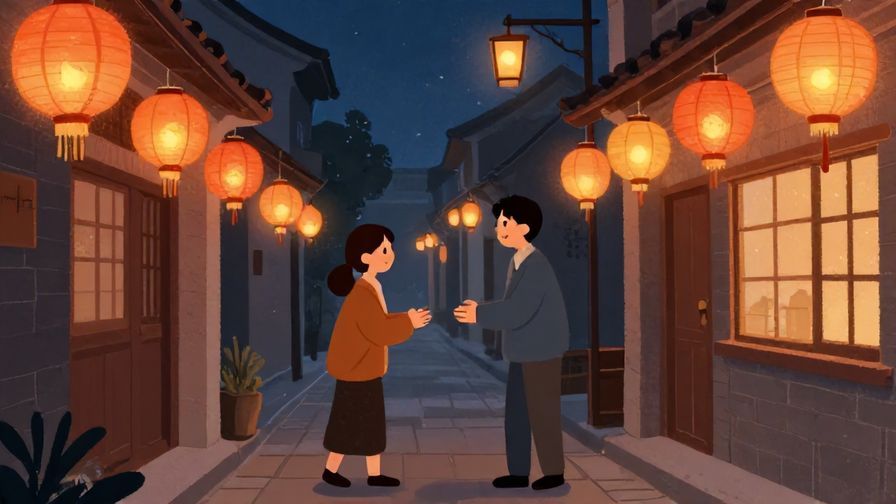
“Konbanwa” is the evening counterpart to “Konnichiwa,” meaning “good evening.”
It breaks down into “this evening” (今晩, konban) and the particle “wa,” signaling the topic.
Use it when greeting someone after sunset, whether at a party or just meeting friends.
This greeting sets a relaxed, pleasant tone for nighttime conversations.
It’s not used as a goodbye, so be sure to pair it with a proper farewell phrase if you’re leaving.
Perfect for casual and semi-formal encounters during the evening hours.
4. やあ (Yā) – “Hey”

“Yā” is a super casual, friendly way to say “hey” among close friends or peers.
It’s informal and relaxed, much like the English “hey” or “hi.”
Use it when you want to keep things light and breezy.
It’s not suitable for formal situations, so save it for your buddies.
This greeting can help you sound more natural and connected when speaking Japanese casually.
Try it with people you know well and enjoy the friendly vibe it creates.
5. 元気? (Genki?) – “How are you?”

Literally meaning “healthy” or “energetic,” “Genki?” is a casual way to say “How are you?” or “Hello.”
It’s often used as a greeting to check in on someone’s well-being.
Perfect for friends or people you see regularly.
It’s short and sweet, showing care without formality.
Answering with “Genki da yo” (“I’m fine”) keeps the flow going naturally.
This phrase adds warmth to your greetings and shows you care about the other person’s mood.
6. おっす (Ossu) – “Yo!”

“Ossu” is a very casual, masculine greeting often used among young men, especially in sports or martial arts contexts.
It’s like saying “Yo!” or “Hey!” with a lot of energy.
It shows camaraderie and confidence.
Not appropriate for formal or mixed-gender settings.
Try it if you want to sound like a native guy hanging out with his friends.
It’s a fun way to greet in active, casual environments.
7. どうも (Dōmo) – “Hi / Thanks”
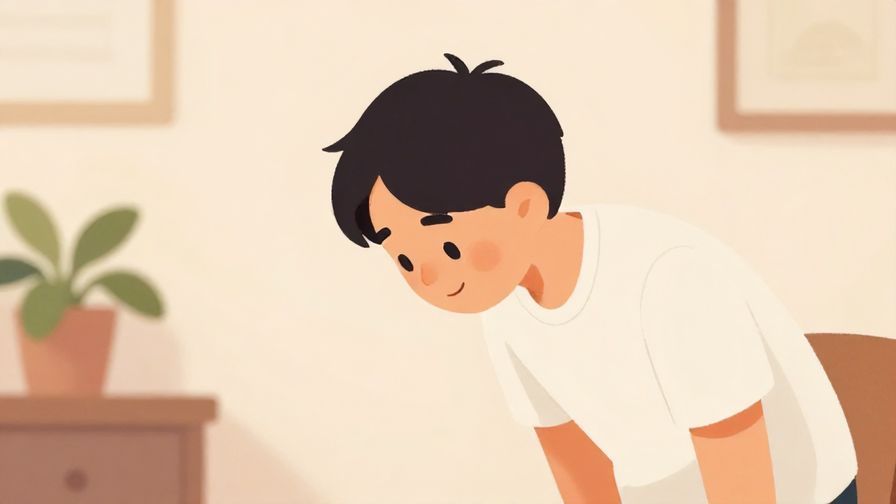
“Dōmo” is a versatile word that can mean “hi,” “thanks,” or “very,” depending on context.
Used alone as a greeting, it’s very casual and informal.
It’s quick and easy, often used when passing someone briefly.
It can feel a bit abrupt if overused, so mix it with other greetings.
Perfect for casual encounters or quick hellos.
Keep it simple and friendly by pairing it with a smile!
8. お疲れ (Otsukare) – “Hey/Good job”

“Otsukare” (short for “Otsukaresama”) is often used to say “hello” or “thanks for your hard work” among coworkers.
It’s a casual, friendly greeting that acknowledges effort and connection.
Great for ending the workday or seeing colleagues after a task.
Use it in informal workplace settings or among friends who work together.
It’s a unique greeting that doubles as a compliment.
Try it to build rapport in Japanese work culture.
Part 2: Polite & Formal Suggestions
9. 初めまして (Hajimemashite) – “Nice to meet you”
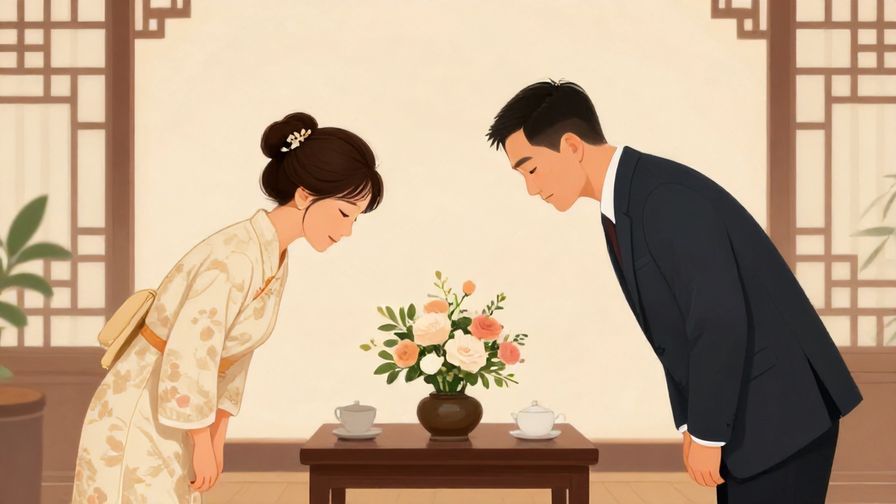
“Hajimemashite” is the classic polite phrase used when meeting someone for the first time.
It literally means “for the first time,” signaling a new introduction.
Always say this before exchanging names or business cards.
It’s formal and respectful, setting a good tone for new relationships.
Pair it with a gentle bow to show sincerity.
Using “Hajimemashite” makes a great first impression in any formal setting.
10. おはようございます (Ohayō gozaimasu) – “Good morning” (formal)

This is the polite, formal version of “Ohayō,” perfect for workplaces or people you don’t know well.
“Gozaimasu” adds respect and politeness to the greeting.
Use it before about 10 a.m. in any formal or semi-formal situation.
It signals professionalism and courtesy.
Never shorten it in formal contexts to keep respect intact.
Mastering this phrase helps you fit smoothly into Japanese office culture.
11. こんにちは (Konnichiwa) – “Hello” (formal use)

As mentioned earlier, “Konnichiwa” works well in formal settings too.
It’s neutral and polite, suitable for business or strangers.
Use it to greet customers, teachers, or elders during the day.
Its formality depends on tone and body language.
It’s a safe choice when unsure about the level of politeness.
Using “Konnichiwa” is a reliable way to greet respectfully anytime after morning.
12. こんばんは (Konbanwa) – “Good evening” (formal)

Similar to “Konnichiwa,” “Konbanwa” is also polite and fits formal evening greetings.
Use this phrase at dinners, ceremonies, or meetings starting after sunset.
It’s respectful and pleasant.
Don’t confuse it with “sayōnara” (goodbye), since it’s only a greeting.
It’s a key phrase for evening social or formal occasions.
Practice this to sound polished and considerate in night settings.
13. お元気ですか? (Ogenki desu ka?) – “How are you?” (formal)

Adding “O” and “desu ka?” makes “Genki?” polite and formal.
It’s a respectful way to ask “How are you?” in letters or meetings.
Use it when you want to show care but maintain professionalism.
It’s often used after a greeting to build rapport.
Answer with “はい、元気です” (Hai, genki desu) meaning “Yes, I’m fine.”
Knowing this phrase helps you navigate polite social exchanges smoothly.
14. お疲れ様です (Otsukaresama desu) – “Thank you for your hard work”

This is the formal, polite version of “Otsukare.”
It’s used in workplaces and formal group settings to show appreciation.
Saying this phrase at the end of the day or after meetings is common.
It’s a respectful greeting that strengthens teamwork.
Use it to express gratitude and build positive work relationships.
Mastery of this phrase is essential for business Japanese.
15. 失礼します (Shitsurei shimasu) – “Excuse me / Hello”
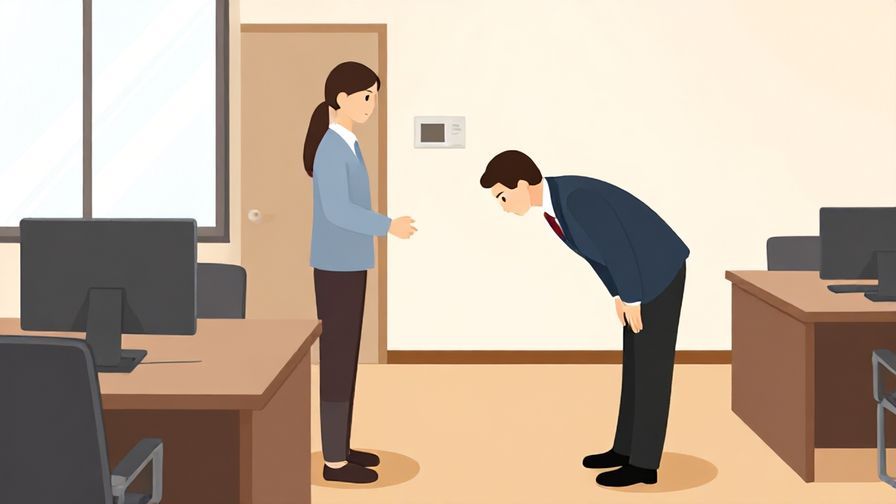
While usually meaning “excuse me,” “Shitsurei shimasu” can also serve as a polite greeting when entering or leaving.
It literally means “I am being rude,” a humble way to acknowledge interrupting.
Use it when entering someone’s office or home.
It’s formal and shows good manners.
Try this phrase in professional or polite social contexts.
It’s a subtle but powerful way to show respect in greetings.
16. ご無沙汰しています (Gobusatashiteimasu) – “Long time no see”

This formal phrase means “It’s been a while” or “Long time no see.”
It’s used when reconnecting after a long gap.
It shows politeness and warmth simultaneously.
Great for emails, calls, or face-to-face meetings after time apart.
Use it to revive relationships with respect.
It’s a thoughtful way to start conversations after absence.
Part 3: Very Casual / Native-like Expressions
17. よっ (Yo) – “Hey!”

“Yo” is a very casual greeting, often used by young people or close friends.
It’s short, energetic, and informal, like “hey!” in English.
Use it when you want to sound laid-back and friendly.
It’s not for formal or unfamiliar settings.
Perfect for texting or quick face-to-face hellos.
Use it to fit right in with native casual conversations.
18. ちわっす (Chiwassu) – “Hey” (very casual)
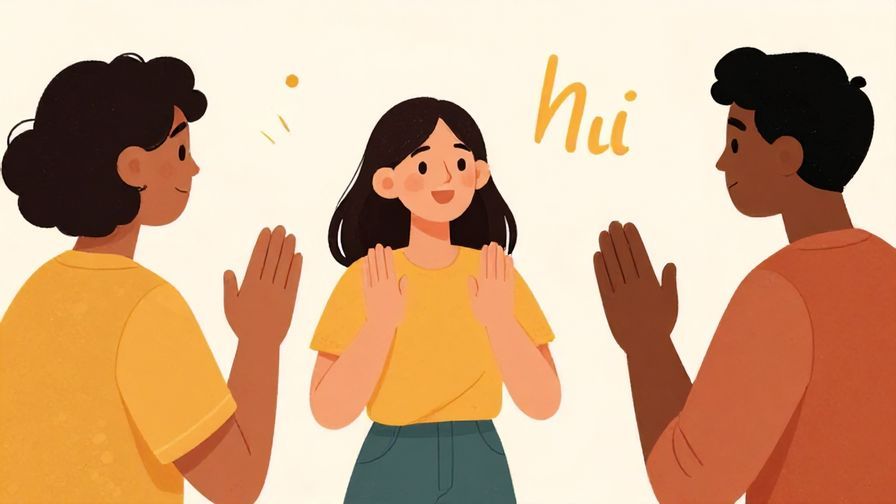
“Chiwassu” is a slangy, very casual version of “Konnichiwa.”
It’s playful and informal, mainly among young men and friends.
Sounds friendly and relaxed.
Not for serious or formal occasions.
Try it with close friends to sound like a local.
It adds fun and personality to greetings.
19. おっす (Ossu) – “Yo!” (very casual male)

Again, “Ossu” is really casual and mostly used among males.
It’s popular in sports or informal groups.
It’s short for “Osu,” an expression of respect in martial arts.
Use it to show enthusiasm and camaraderie.
It’s great for casual, high-energy hellos.
Perfect if you want to sound very native and informal.
20. どうもね (Dōmo ne) – “Hey there” (casual)

“Dōmo ne” is a friendly, casual greeting combining “Dōmo” with “ne” to soften it.
It’s like saying “hey there” or “hi there.”
It’s warm and approachable.
Good for acquaintances or casual friends.
Use it to sound polite yet relaxed.
This phrase adds a nice personal touch to your greetings.
21. まいど (Maido) – “Hello / Thanks” (Osaka dialect)
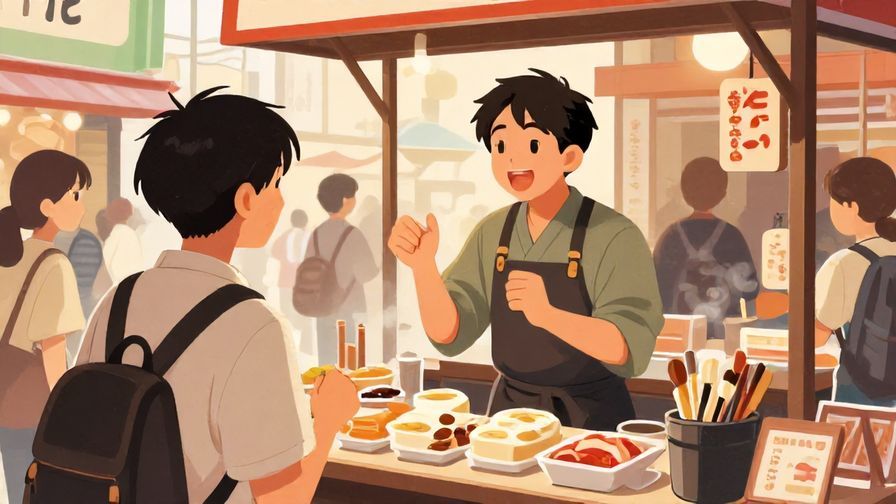
“Maido” is a unique greeting from the Kansai region, often meaning “thanks” or “hello.”
It’s casual but very friendly and common in Osaka.
Use it to add regional flavor and friendliness.
Great for casual encounters and repeat customers.
Try it if you want to impress with local knowledge.
It’s a charming way to greet and thank people simultaneously.
22. じゃあね (Jā ne) – “See ya” / “Hey” (casual)

“Jā ne” is more commonly a casual goodbye but can be used as a relaxed greeting among friends.
It means “well then” or “see you.”
Use it in informal settings for a breezy hello or farewell.
It’s very natural and common among young people.
Perfect for casual conversations and texting.
It makes your Japanese sound easygoing and friendly.
Concluding Thought
Exploring these 22 Japanese ways to say “hello” opens up a world of connection beyond the usual greetings.
Each phrase carries its own charm, suitabilities, and cultural nuances that make your conversations richer and more authentic.
So go ahead, try them out, mix them up, and watch your Japanese greetings bring smiles and warmth wherever you go!