22 Japanese ways to say “Happy New Year”
New Year is a special time all over the world, and Japan is no exception! Saying “Happy New Year” in Japanese can be both fun and meaningful, especially if you want to connect on a more personal level.
Whether you’re greeting friends, family, or colleagues, there are plenty of ways to express your good wishes. Some are formal, some casual, and others are just downright warm and charming.
In this article, we’ll explore 22 Japanese ways to say “Happy New Year,” with pronunciation guides and context to help you sound natural and heartfelt.
Learning these phrases can boost your confidence and brighten someone’s holiday season. Plus, it’s a wonderful way to dive into Japanese culture and language at the start of a fresh year.
From classic expressions to cozy, casual ones, you’ll find something perfect for every situation.
Ready to spread some New Year joy the Japanese way? Let’s get started!
Understanding the Japanese New Year Spirit
Before diving into the phrases, it’s good to know that New Year (お正月, Oshōgatsu – oh-shoh-gaht-soo) is one of the biggest holidays in Japan. It’s about family, renewal, and good fortune.
Many greetings revolve around wishing happiness, health, and success for the year ahead. Using the right phrase can show your respect and enthusiasm for this special season.
Feel free to explore practical phrasebooks like this beginner phrasebook to deepen your understanding of everyday Japanese expressions.
Now, let’s jump into the first batch of friendly and casual ways to say “Happy New Year.”
Part 1: Casual Suggestions
1. 明けましておめでとう (Akemashite omedetō) – “Happy New Year!”
This is the most common and straightforward way to say “Happy New Year” in Japanese.
明けまして (Akemashite) means “the start (of the year),” and おめでとう (omedetō) means “congratulations” or “best wishes.” Together, it’s a warm greeting to celebrate the new year.
This phrase is usually said from January 1st onward, making it perfect for almost any New Year’s occasion.
It’s simple, friendly, and universally understood in Japan.
You might often hear it followed by ございます (gozaimasu) for extra politeness, which we’ll cover later.
Practice this one early and you’ll have a solid foundation for your New Year greetings!
2. 良いお年を (Yoi otoshi o) – “Have a good year!”
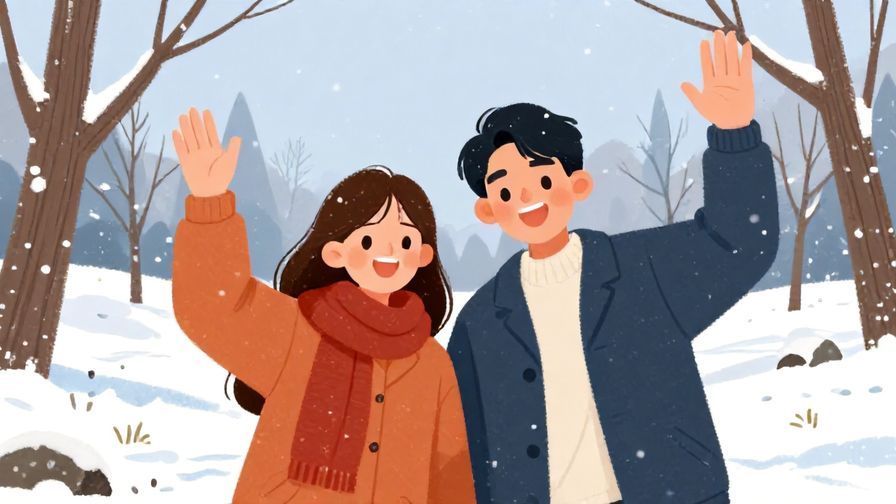
This is a phrase you say just before the New Year arrives, usually in late December.
良い (Yoi) means “good,” お年 (otoshi) means “year,” and を (o) is a particle marking the direct object. Together, it wishes someone a good coming year.
It’s like saying “See you next year, have a great one!” and shows your thoughtfulness before the calendar flips.
Be careful not to use it after January 1st—that’s when you switch to other greetings.
It’s perfect for casual conversations with friends or coworkers before the holiday break.
Try pairing it with a smile and a nod to convey warmth!
3. 明けおめ (Ake ome) – “Happy New Year!” (short form)

This is a super casual and abbreviated version of 明けましておめでとう.
It’s a fun slang phrase popular among young people and close friends, combining the first syllables of the longer phrase.
Perfect for texts, social media, or quick chats with people you know well.
Since it’s informal, avoid using it in polite or professional settings.
It feels playful and relaxed, great for keeping things light and cheerful.
If you want to sound like you’re in the know with contemporary Japanese, this is your go-to!
4. 今年もよろしく (Kotoshi mo yoroshiku) – “Let’s have a good year again!”

This phrase means “Please treat me well this year too.”
今年 (Kotoshi) means “this year,” も (mo) means “also,” and よろしく (yoroshiku) is a polite way of saying “please favor me” or “let’s get along.”
It’s often said after 明けましておめでとう to show your hope for continued good relations.
It’s casual but respectful and works well with friends, coworkers, and acquaintances.
It’s a lovely way to express ongoing friendship or teamwork.
Think of it as a warm “Here’s to us this year!”
5. ハッピーニューイヤー (Happī Nyū Iyā) – “Happy New Year” (loanword)

This phrase is simply the English “Happy New Year” pronounced in Japanese style.
It’s popular in casual, international, or trendy contexts, especially among young people and in urban areas.
Since it’s borrowed from English, it’s easy to remember if you’re familiar with English expressions.
It’s informal and fun, adding a modern twist to traditional greetings.
Use it at parties or with friends who appreciate a casual vibe.
It’s a great phrase to mix things up and sound contemporary.
6. よいお年をお迎えください (Yoi otoshi o omukae kudasai) – “Please welcome a good year”
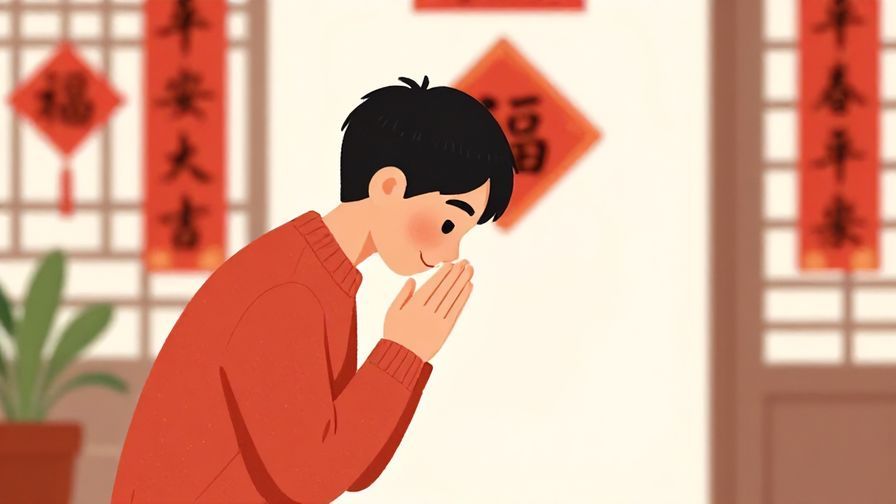
This is a slightly more polite way to say よいお年を, often used in formal emails or conversations before New Year.
お迎えください (omukae kudasai) means “please welcome,” adding a respectful tone.
Great for coworkers, business contacts, or acquaintances when you want to sound courteous.
It’s a refined phrase showing care and good wishes without being too stiff.
Perfect if you want to keep things professional but warm.
Practice the pronunciation slowly for clarity and respectfulness.
7. 新年おめでとう (Shinnen omedetō) – “Congratulations on the New Year”

新年 (Shinnen) means “New Year,” and おめでとう (omedetō) means “congratulations” or “best wishes.”
This phrase is a slightly more formal alternative to 明けましておめでとう.
It’s often used in cards, speeches, or formal gatherings.
It’s easy to say and makes a polished impression.
You can add ございます (gozaimasu) for even more politeness.
Use it when you want to sound respectful but still warm.
8. 健康で幸せな一年を (Kenkō de shiawase na ichinen o) – “Wishing you a healthy and happy year”
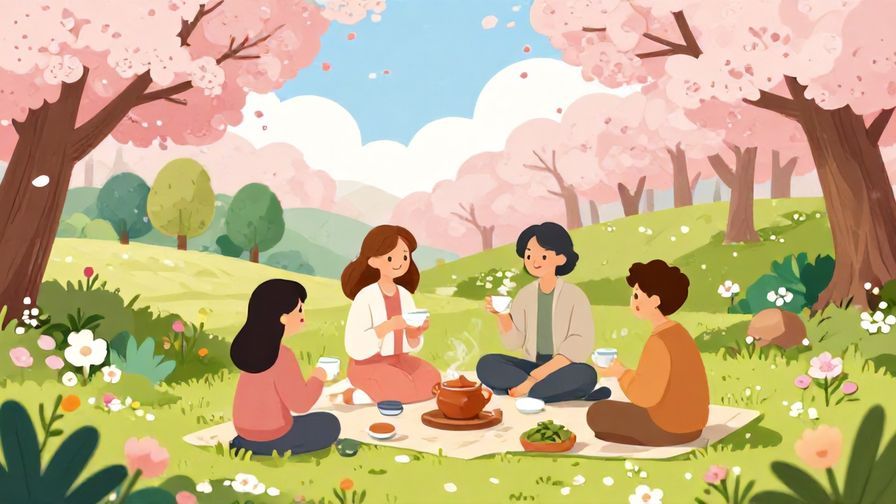
This phrase is a beautiful way to wish someone health and happiness for the year ahead.
健康 (Kenkō) means “health,” 幸せ (shiawase) means “happiness,” 一年 (ichinen) means “one year.”
It’s less of a direct “Happy New Year” and more of a heartfelt wish.
Perfect for close friends or family when you want to show genuine care.
It’s a lovely phrase to write in cards or say during intimate gatherings.
Try repeating it slowly to emphasize your sincerity.
Part 2: Polite & Formal Suggestions
9. 明けましておめでとうございます (Akemashite omedetō gozaimasu) – “Happy New Year” (formal)
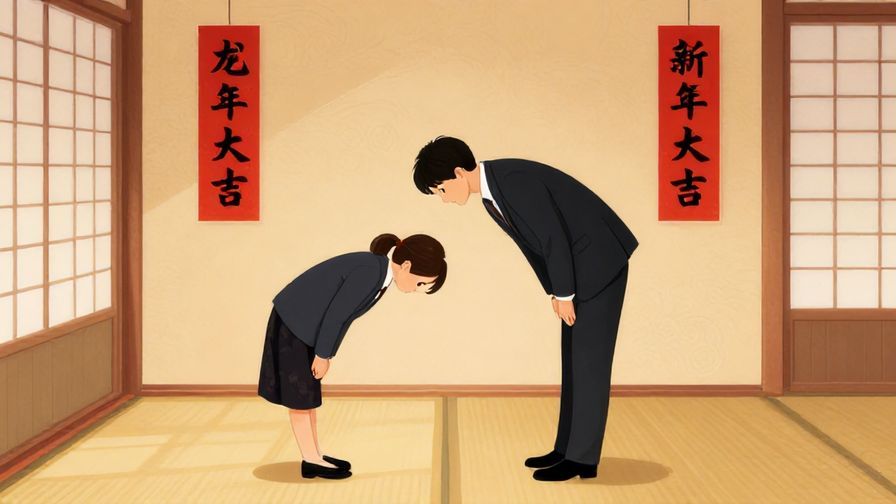
This is the formal and polite version of 明けましておめでとう.
Adding ございます (gozaimasu) makes it respectful and appropriate for business or elders.
Use this greeting in professional emails, meetings, or formal New Year cards.
It shows both celebration and respect.
Be mindful to use it only after January 1st.
Perfect for making a positive impression in formal settings.
10. 謹賀新年 (Kinga shinnen) – “Sincere New Year greetings”
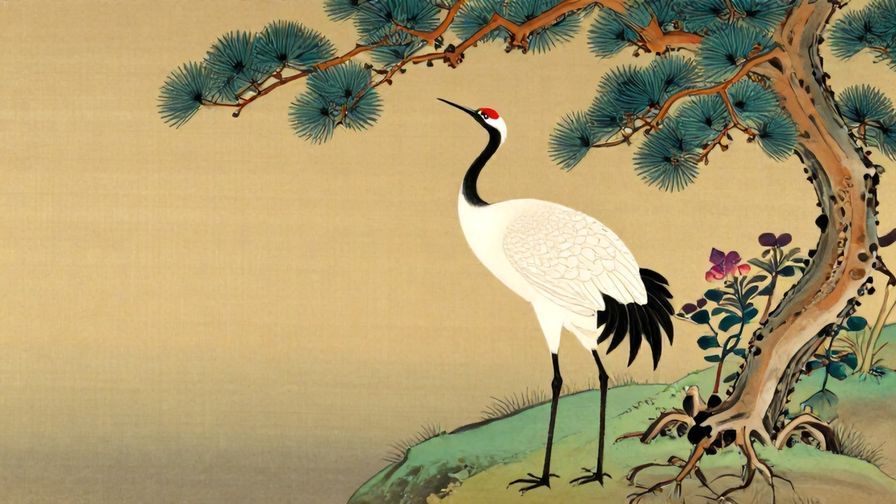
謹賀新年 (Kinga shinnen) is a very formal phrase often seen on New Year cards (年賀状, nengajō).
It means “sincerely celebrating the New Year.”
This phrase is perfect for official correspondence or formal announcements.
It’s not used in casual speech but is highly respected in writing.
Learning this can deepen your understanding of Japanese traditions.
Try pairing it with traditional imagery to capture the full spirit.
11. 旧年中は大変お世話になりました (Kyūnenchū wa taihen osewa ni narimashita) – “Thank you for your support last year”

This phrase is often said at the start of the year to express gratitude for help or kindness in the previous year.
It’s formal and polite, commonly used in business contexts.
It’s a nice way to acknowledge relationships before wishing a Happy New Year.
Following this with 明けましておめでとうございます is common.
It shows humility and appreciation, key values in Japanese culture.
Perfect phrase to build goodwill for the year ahead.
12. 本年もどうぞよろしくお願いいたします (Honnen mo dōzo yoroshiku onegai itashimasu) – “Please continue to favor me this year”

This is a very polite way to say “Let’s have a good year together” or “Please continue your support.”
本年 (Honnen) means “this year,” and the rest is a formal request for continued good relations.
It’s often said after a formal New Year greeting.
Commonly used in professional emails or meetings.
It signals respect and hope for ongoing cooperation.
Mastering this can really impress your Japanese colleagues or clients.
13. ご健康とご多幸をお祈りいたします (Gokenkō to gotakō o oinori itashimasu) – “Wishing you health and happiness”

This is a formal way to express wishes for someone’s health and happiness in the new year.
It’s often used in written greetings or speeches.
ご健康 (Gokenkō) means “your health,” ご多幸 (Gotakō) means “your happiness,” and お祈りいたします (oinori itashimasu) means “I pray.”
It shows deep respect and kindness.
Great for elders, clients, or formal acquaintances.
Use it to add a thoughtful touch to your New Year wishes.
14. 良いお年をお迎えくださいませ (Yoi otoshi o omukae kudasaimase) – “Please have a wonderful New Year” (very polite)
This is an extra polite version of よいお年をお迎えください.
It’s often used in customer service or very formal situations.
The ませ (mase) ending adds a high level of respect.
It’s rarely used in casual conversation but perfect for formal writing or speeches.
If you want to sound extra courteous, this is the phrase for you.
Practice the pronunciation carefully to convey sincerity.
15. 新春のお喜びを申し上げます (Shinshun no oyorokobi o mōshiagemasu) – “I express my joy for the New Year”
This is a very formal, literary phrase used in letters or formal speeches.
新春 (Shinshun) means “early spring” or “New Year,” お喜び (oyorokobi) means “joy,” and 申し上げます (mōshiagemasu) means “I humbly express.”
It’s a refined way to share happiness for the season.
Use it when writing to superiors or in ceremonial contexts.
It adds elegance and respect to your message.
Perfect for deepening your cultural fluency.
16. 今年もご指導ご鞭撻のほどよろしくお願い申し上げます (Kotoshi mo goshidō gobentatsu no hodo yoroshiku onegai mōshiagemasu) – “Please continue your guidance and encouragement this year”
This phrase is very formal and humble, often used in business or academic settings.
It asks for continued support, instruction, and encouragement in the new year.
Perfect for emails or formal New Year’s cards to mentors or supervisors.
It shows you value the relationship deeply.
Though a mouthful, it’s impressive to know and use correctly.
Use it to convey professionalism and gratitude.
Part 3: Very Casual / Native-like Expressions
17. あけおめことよろ (Ake ome koto yoro) – “Happy New Year & best wishes” (super casual)

This is an ultra casual, slangy combo of あけおめ (ake ome) and ことよろ (koto yoro), short for 今年もよろしく.
It’s popular among close friends online or in texts.
Not suitable for formal or unfamiliar people.
It’s playful and fast, great for casual chats.
Use it if you want to sound like a native teenager or young adult.
Try this to blend in with Japan’s youthful social media culture.
18. いい年になりますように (Ii toshi ni narimasu you ni) – “Hope it becomes a good year”
This phrase expresses a heartfelt wish for a good year ahead.
いい (Ii) means “good,” 年 (toshi) means “year,” and なりますように (narimasu you ni) is like “I hope it will become.”
It’s casual but sincere and can be used with friends or family.
It’s great when you want to sound warm without being formal.
Try saying this with a smile to convey genuine hope.
It’s a beautiful, natural way to share your feelings.
19. 今年もよろしくね (Kotoshi mo yoroshiku ne) – “Please take care of me this year (casual)”
This is a casual and friendly way to say 今年もよろしく.
The ね (ne) adds a soft, inviting tone, like “okay?” or “right?”
It’s perfect for friends, classmates, or close coworkers.
It keeps things light and approachable.
Try using it with a wink or laugh to sound natural.
It’s a great phrase for everyday New Year chats.
20. よいお年をね (Yoi otoshi o ne) – “Have a good year, okay?”

This is a casual, friendly version of よいお年を.
The ね (ne) softens the phrase and makes it more intimate.
It’s perfect for coworkers or neighbors you know well.
Use it just before the New Year arrives.
It’s easy to say and feels warm and approachable.
Great for keeping your New Year wishes genuine yet informal.
21. 新年おめでとう! (Shinnen omedetō!) – “Happy New Year!” (casual)

This is a casual but clear way to say Happy New Year.
It’s a little less formal than 明けましておめでとう but still widely used.
Great for friends, classmates, or family.
You can add an exclamation for cheerfulness.
It’s simple and direct, easy to remember.
Perfect for lively New Year celebrations.
22. 今年も元気でね (Kotoshi mo genki de ne) – “Stay well this year!”
This phrase means “Stay healthy and happy this year.”
元気で (genki de) means “be well/healthy,” and ね (ne) adds a friendly tone.
It’s casual and perfect for friends and family.
It shows you care about their wellbeing beyond just the calendar.
Use it to add a personal touch to your New Year greetings.
It’s a warm, native-like expression to end your wishes on a positive note.
Concluding Thought
Exploring these 22 ways to say “Happy New Year” in Japanese opens a window into the culture’s rich blend of tradition and modernity.
From formal phrases that show deep respect to casual expressions that radiate warmth, choosing the right greeting helps you connect meaningfully in any setting.
So go ahead, try out these phrases, and bring a little Japanese New Year magic into your celebrations. Here’s to a joyful, prosperous year ahead—あけましておめでとうございます!