22 Japanese ways to say “Goodbye”
Saying goodbye is something we all do every day, but in Japanese, there’s a charming variety of ways to do it. Whether you want to sound casual, polite, or even native-like, the language offers something special for every moment.
From quick farewells to heartfelt partings, learning these expressions can make your goodbyes feel more genuine and culturally connected. Plus, it’s a fun way to add flavor to your conversations!
In this listicle, I’ll take you through 22 Japanese ways to say “Goodbye,” with easy pronunciation guides and simple explanations. No stress, just warm, friendly phrases you can start using right away.
Each phrase comes with its own vibe and context, so you’ll know exactly when to pull it out. Whether you’re chatting with friends, saying farewell at work, or closing a phone call, you’ve got the perfect word on hand.
Ready to make your farewells a little more colorful? Let’s jump in and explore the charming world of Japanese goodbyes together.
By the end, you’ll feel more confident saying goodbye — and maybe even miss the conversation a little less!
Common Ways to Say Goodbye in Japanese
Japanese offers a rich palette of farewell expressions, each suited for different situations. Some are simple and casual, while others carry a polite or formal tone.
Understanding when and how to use these phrases will help you connect better with native speakers and show respect for cultural nuances.
Let’s start with some casual and everyday goodbyes that you can use with friends and family.
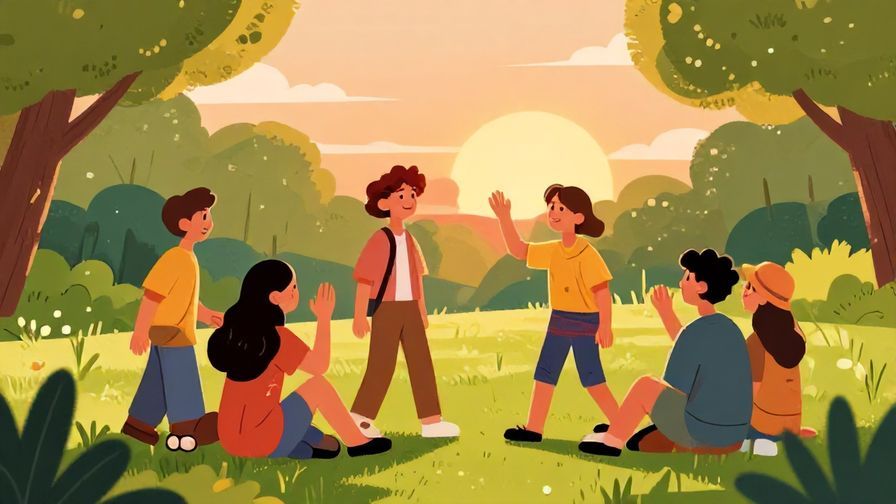
Sometimes, having a handy phrasebook for daily Japanese is a great way to keep these expressions fresh in your mind.
Remember, practice makes perfect, and hearing these phrases in real conversations is the best way to learn.
Don’t be shy to try them out — even a simple “see you” can brighten someone’s day.
Part 1: Casual Suggestions
1. じゃあね (Jā ne) – “See ya!”

“Jā ne” is one of the most common informal ways to say goodbye among friends. It literally means “Well then, see you.”
It’s easy to use after hanging out or finishing a chat. Just say it with a casual tone, and you’re good to go.
This phrase is great because it feels relaxed but friendly, perfect for everyday use.
It’s a quick and light way to say goodbye without sounding too formal or stiff.
Related phrases include “じゃね” (Jā ne), which is just a shorter version but means the same.
Use “Jā ne” to keep things easy and fun while staying natural in conversation.
2. バイバイ (Bai bai) – “Bye-bye”

“Bai bai” is the Japanese take on the English “Bye-bye,” and it’s super casual and cute.
It’s popular with younger people and kids but you’ll hear it among friends too. Just say it with a cheerful tone to keep it lively.
This phrase is easy to remember because it sounds just like English but with a Japanese twist.
It’s usually used in casual settings, not in formal or serious situations.
You might hear “じゃあね” (Jā ne) or “またね” (Mata ne) used as well for similar casual goodbyes.
Try “Bai bai” when you want to sound friendly and upbeat!
3. またね (Mata ne) – “See you later”

“Mata ne” means “See you again” or “See you later.” It’s a warm, casual way to say goodbye.
This phrase works great when you expect to see the person again soon, like at school or work.
It’s easy to say and leaves a friendly, positive vibe behind.
Use it to keep connections open and show you’re looking forward to next time.
It pairs nicely with “じゃあね” (Jā ne) for a double friendly farewell.
Give “Mata ne” a try to sound caring and natural!
4. お疲れ様 (Otsukaresama) – “Thanks for your hard work” / “Goodbye”

“Otsukaresama” literally means “You must be tired,” but it’s used to say goodbye after work or any shared effort.
This phrase shows appreciation for someone’s hard work and is often said among coworkers or teammates.
It’s a polite yet casual way to close the day or a meeting.
Because it expresses gratitude, it feels warmer than a plain “bye.”
Use it after work or group activities to leave a respectful impression.
It’s also common to hear “お疲れ様でした” (Otsukaresama deshita), a slightly more formal version.
5. じゃあ、また (Jā, mata) – “Well then, see you again”

This phrase combines “じゃあ” (Jā) meaning “well then” and “また” (Mata) meaning “again.”
It’s a casual, friendly way to say “See you later” or “Catch you next time.”
It’s perfect for wrapping up a conversation on a positive note.
It’s slightly more complete than just “またね” (Mata ne) and sounds natural among friends.
Try it when you want a smooth, warm goodbye that promises a future meet-up.
It’s easy to say and leaves a nice, open-ended feeling.
6. じゃね (Ja ne) – “See ya!”

“Ja ne” is a shortened, casual version of “じゃあね” (Jā ne) and means “See ya!”
It’s super common among friends and family, easy to say, and feels informal and friendly.
If you want to be relaxed and natural, “Ja ne” is your go-to phrase.
It’s used similarly to “See you” or “Bye” in English.
Don’t confuse it with “じゃ” (Ja) alone, which can sometimes mean “well then” but lacks the farewell nuance.
Use “Ja ne” to keep things light and casual!
7. じゃあまたね (Jā mata ne) – “Well then, see you later”

“Jā mata ne” is a fuller phrase combining “well then” and “see you later.”
This phrase is a friendly, casual goodbye often used between good friends.
It’s a bit more expressive than just “またね” (Mata ne), adding a nice lead-in with “Jā.”
Use it when you want to sound warm but still informal.
It’s perfect for everyday farewells that feel genuine and optimistic.
Practice this phrase to sound like a native speaker in casual chats.
8. じゃあ、また明日 (Jā, mata ashita) – “Well then, see you tomorrow”
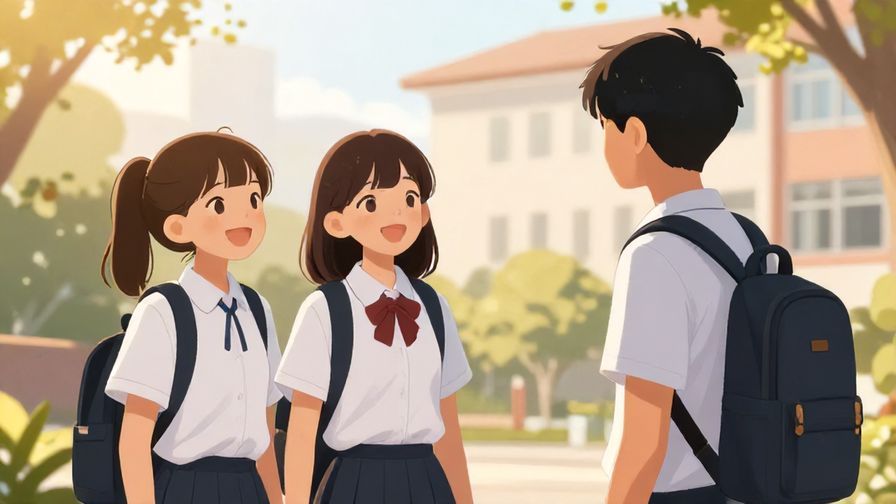
“Jā, mata ashita” means “Well then, see you tomorrow.” It’s casual but implies you’ll meet again soon.
This phrase is great for classmates, coworkers, or friends you see regularly.
It’s easy to say and helps build rapport by showing you expect to see the person soon.
Use it at the end of the day or a meetup when you want to confirm a next encounter.
It combines the friendly “Jā” with “mata ashita” (see you tomorrow) for a natural sound.
Try this phrase to add warmth to everyday goodbyes.
Part 2: Polite & Formal Suggestions
9. さようなら (Sayōnara) – “Goodbye” (formal)
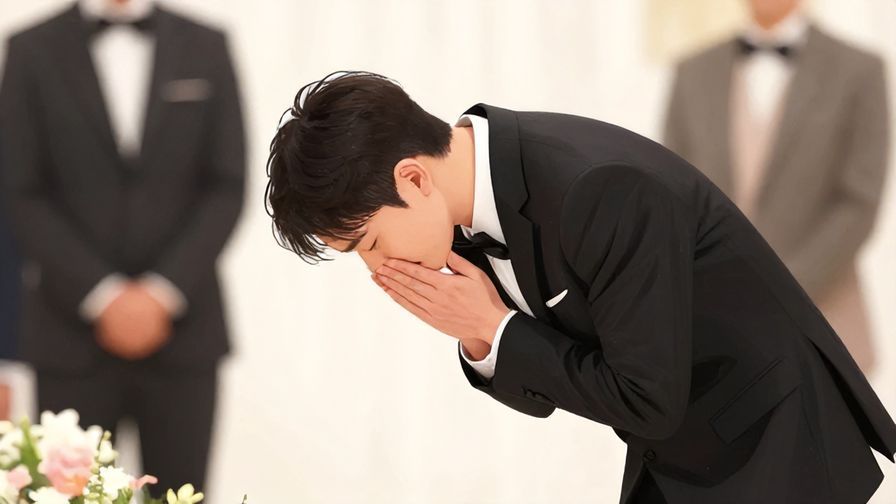
“Sayōnara” is the classic formal goodbye in Japanese, often used when you won’t see someone for a while.
It carries a sense of finality and respect, making it perfect for formal occasions or serious farewells.
It’s not used casually among friends but suits goodbyes at ceremonies, meetings, or leaving a workplace.
The word breaks down as “さよう” (sayō) meaning “that way” and “なら” (nara) meaning “if it is,” combining into a poetic farewell.
Be careful not to overuse it in casual settings to avoid sounding distant.
Use “Sayōnara” when you want to sound polite and sincere in a formal context.
10. 失礼します (Shitsurei shimasu) – “Excuse me / Goodbye (formal)”

“Shitsurei shimasu” means “Excuse me” or “I’m being rude” and is used as a polite way to say goodbye.
It’s common in workplaces or formal settings when leaving or ending a conversation.
This phrase shows humility and respect, acknowledging you are leaving someone’s presence.
It’s often used when you leave before others or end a phone call formally.
Try to use it carefully to match the tone of the situation and the relationship.
“Shitsurei shimasu” is a versatile phrase that fits many formal goodbyes.
11. お先に失礼します (Osaki ni shitsurei shimasu) – “Excuse me for leaving first”

This phrase literally means “Excuse me for leaving ahead.” It’s used when you leave work or a gathering before others.
It’s polite and shows consideration for those still present.
It’s part of Japanese workplace etiquette and signals respect.
Use it when you want to say goodbye without seeming abrupt or rude.
It’s a great phrase to know if you work or study in Japan.
Practice saying “Osaki ni shitsurei shimasu” to sound thoughtful and polite.
12. お疲れ様でした (Otsukaresama deshita) – “Thank you for your hard work” (formal)

Adding “でした” (deshita) makes “Otsukaresama” more polite and past tense, often used at the end of the workday.
It’s a formal way to acknowledge effort and say goodbye in professional settings.
It’s polite but friendly, used widely in offices and teams.
Using this phrase shows appreciation and respect simultaneously.
Try pairing it with a slight bow for an authentic touch.
“Otsukaresama deshita” is a must-know for anyone working in Japan.
13. それでは失礼いたします (Soredewa shitsurei itashimasu) – “Well then, excuse me” (very formal)
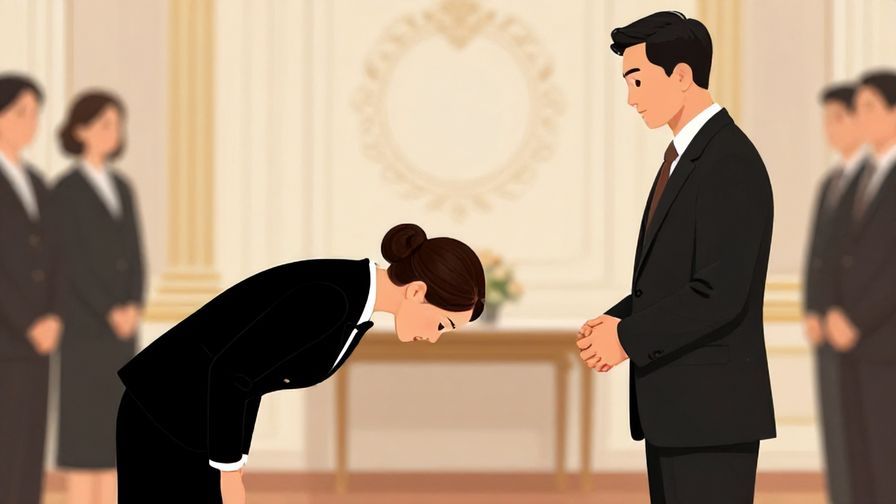
This very formal phrase is used when you want to politely excuse yourself from a group or event.
It’s often heard in business or formal social situations.
The phrase signifies respect and humility, perfect for serious farewells.
It’s less common in casual settings due to its formality.
Use it to leave a strong impression of politeness and professionalism.
Practice saying it slowly and clearly for the best effect.
14. ごきげんよう (Gokigenyō) – “Farewell” (very formal, old-fashioned)
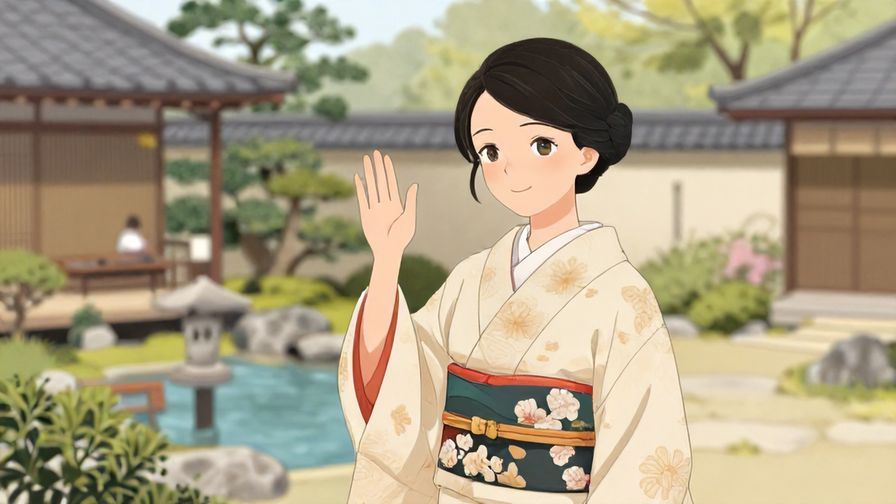
“Gokigenyō” is a very formal and somewhat old-fashioned farewell, often used by older generations or in formal letters.
It means “Be well” or “Farewell” with a graceful tone.
It’s rarely used in everyday conversation nowadays but still appears in literature and formal settings.
Use it if you want to sound elegant or polite in a traditional context.
It’s a beautiful phrase but doesn’t fit casual or modern chat.
Great for learning about the cultural depth of Japanese farewells.
15. では、また (Dewa, mata) – “Well then, see you” (polite casual)

“Dewa, mata” combines “Dewa” (well then) and “mata” (again), making a polite but casual goodbye.
It’s often used in semi-formal or polite conversations with friends or acquaintances.
This phrase is easy to use and sounds thoughtful without being stiff.
It’s a great middle ground between casual and formal farewells.
Try it when you want to be polite but still warm and approachable.
“Dewa, mata” is versatile and friendly.
16. また明日 (Mata ashita) – “See you tomorrow” (polite casual)

“Mata ashita” means “See you tomorrow” and is a polite yet casual way to say goodbye.
It’s perfect for friends, coworkers, or classmates you see regularly.
It implies friendliness and a plan to meet again soon.
Use it to end conversations on a positive note.
It’s easy to say and leaves a warm impression.
Combine it with a smile for the best effect.
Part 3: Very Casual / Native-like Expressions
17. またな (Mata na) – “See ya” (very casual, masculine)

“Mata na” is a very casual and masculine way to say “See ya” among close friends.
It drops the polite endings and adds a relaxed, native-like feel.
Perfect for informal settings and male speakers.
It’s easy to say and sounds natural in casual conversations.
Be mindful it’s not suitable for formal or mixed company.
Use it to sound like a native in friendly, laid-back chats.
18. バイ (Bai) – “Bye” (very casual)

“Bai” is a super casual and short version of “Bye-bye,” often used by young people.
It’s quick, easy, and friendly but only for casual settings.
Use it with friends or peers for a breezy farewell.
It’s less common among adults but popular with kids and teens.
Don’t use it in polite or formal conversations.
“Bai” is great for keeping things light and fun.
19. お先 (Osaki) – “I’m leaving first” (very casual)
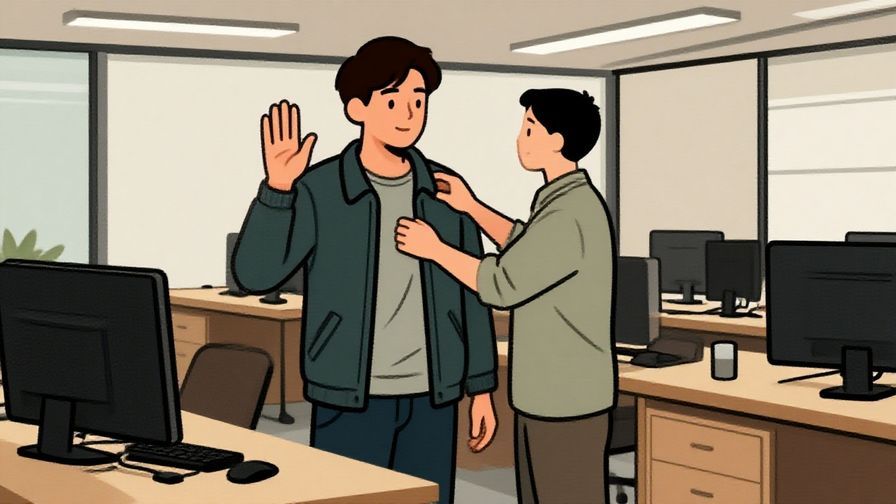
“Osaki” is short for “お先に失礼します” and is a casual way to say “I’m leaving first.”
It’s used among coworkers or friends when leaving before others.
It’s informal but polite enough for close colleagues.
Use it to sound natural and friendly in everyday workplace farewells.
It shows thoughtfulness without being overly formal.
Try it when you want a quick and casual goodbye at work.
20. じゃ (Ja) – “Well, then” (very casual)

“Ja” alone can function as a casual “Well then” or “Okay,” often used before saying goodbye.
It’s very informal and often paired with other phrases like “ね” (ne) or “また” (mata).
On its own, it’s a quick way to signal the end of a conversation.
Use it among close friends or family when parting ways.
It’s short and sweet but not suitable for formal contexts.
“Ja” is useful for keeping farewells casual and natural.
21. ほな、またね (Hona, mata ne) – “Well then, see you” (Kansai dialect)

“Hona, mata ne” is a casual farewell phrase from the Kansai region, meaning “Well then, see you.”
It adds regional flavor and friendliness to your goodbyes.
If you want to sound native-like in Kansai dialect, this is a perfect phrase.
It’s informal and used among friends.
Try it to add some local charm to your Japanese farewells.
Kansai dialect makes goodbyes feel extra warm and personal.
22. じゃあな (Jā na) – “See ya” (very casual, masculine)

“Jā na” is a very casual, masculine way to say “See ya,” similar to “Mata na.”
It’s often used by men in informal settings with close friends.
It sounds natural and native, dropping polite endings for a relaxed vibe.
Use it when you want a cool, casual goodbye.
It’s not appropriate in formal or mixed company.
“Jā na” helps you sound like a local in everyday conversations.
Concluding Thought
Exploring these 22 ways to say goodbye in Japanese shows just how rich and varied farewells can be. Each phrase carries its own nuance, mood, and cultural meaning.
Whether you choose to keep things casual, polite, or native-like, knowing the right expression makes your goodbyes feel more sincere and connected.
So go ahead, try a few out, and watch how your Japanese conversations become warmer and more natural. Say goodbye with style and confidence!