22 Japanese ways to say “Good luck charm”
Ever find yourself wanting a little extra luck and wondering how to say “good luck charm” in Japanese? You’re in the right place!
Japanese culture is rich with beautiful words and phrases that capture the idea of positivity and good fortune. Learning these expressions isn’t just fun—it’s a great way to connect with the language on a deeper level.
From traditional charms to casual expressions, there are so many ways to talk about luck in Japanese. Each phrase carries its own charm and nuance.
By exploring 22 different ways to say “good luck charm,” you’ll not only boost your vocabulary but also get a peek into Japan’s cultural heart.
And who knows? Maybe the perfect phrase will become your new lucky talisman.
Ready to dive in? Let’s explore these expressions together!
Understanding Good Luck Charms in Japanese Culture
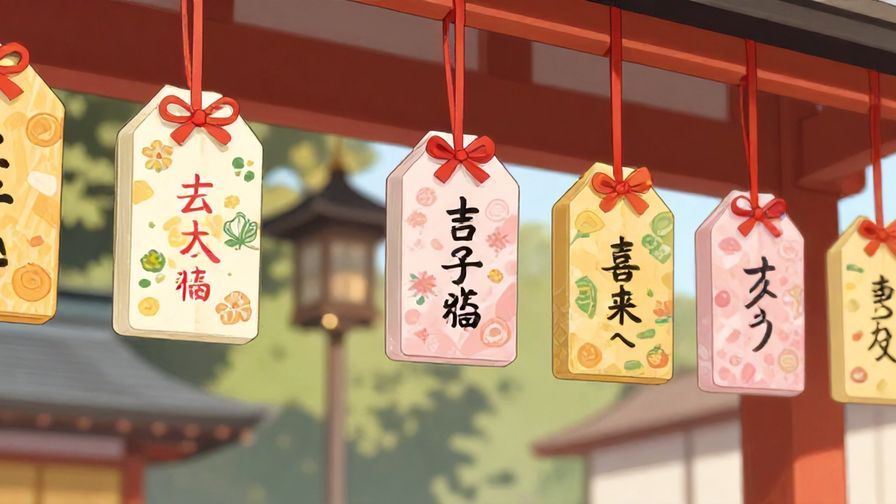
Good luck charms, or talismans, have a special place in Japanese culture. From shrines to everyday life, they symbolize hope and protection.
Whether it’s a small amulet or a phrase you say, these charms can bring comfort and confidence. They’re often used to wish success, safety, or happiness.
Knowing how to say “good luck charm” in Japanese can help you appreciate these traditions and maybe even find your own lucky charm.
Sometimes, a simple Japanese language learning book can deepen your understanding of these cultural gems.
Once you start noticing these phrases, you’ll see how they fit perfectly into everyday conversations.
Even casual learners can easily pick up these phrases to sound more natural and warm in Japanese.
Part 1: Casual Suggestions
1. お守り (Omamori) – “Good Luck Charm, Amulet”
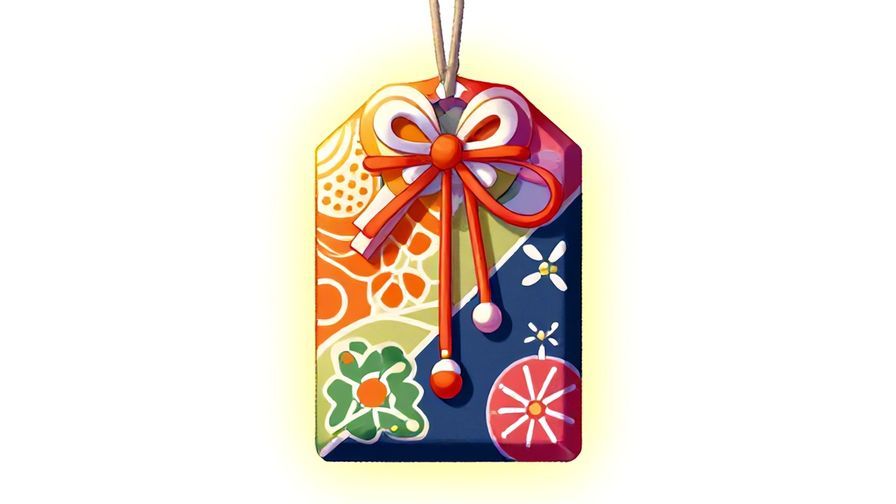
Let’s start with the classic: お守り (Omamori) — pronounced “oh-mah-moh-ree.”
This word literally means “protection” and refers to small charms you can buy at shrines or temples. People carry them for good luck, safety, or success.
They’re super popular, and you’ll see them everywhere in Japan, from backpacks to cars.
Think of an omamori as your personal pocket-sized good luck charm.
If you want to sound more casual, you can just say まもり (mamori) which means “protection.”
Getting an omamori is a fun way to connect with Japanese culture and bring a little luck your way!
2. ラッキーアイテム (Rakkī Aitemu) – “Lucky Item”

Next up is ラッキーアイテム (Rakkī Aitemu), which means “lucky item.” Pronounced “rahk-kee ai-teh-mu.”
This is a borrowed phrase from English but used commonly in Japan to talk about anything that brings you luck.
It’s easy to remember because it sounds just like English.
People often say “My lucky item is this necklace” or “That’s my lucky item today.”
It’s perfect for casual chat or social media posts.
Try spotting your own ラッキーアイテム and mention it next time you want to share good vibes!
3. 幸運のお守り (Kōun no Omamori) – “Good Luck Charm”
Want to be a bit more specific? Try 幸運のお守り (Kōun no Omamori), pronounced “koh-oon no oh-mah-moh-ree.”
幸運 (Kōun) means “good luck” or “fortune,” so this phrase literally means “good luck charm.”
It’s a simple way to clarify that you’re talking about a charm specifically for luck.
This phrase is great when talking about gifts or charms meant for good fortune.
You can say, “I bought a 幸運のお守り for my exam.”
It’s a neat combo of words that’s easy to remember and use!
4. 縁起物 (Engimono) – “Lucky Charm, Auspicious Item”
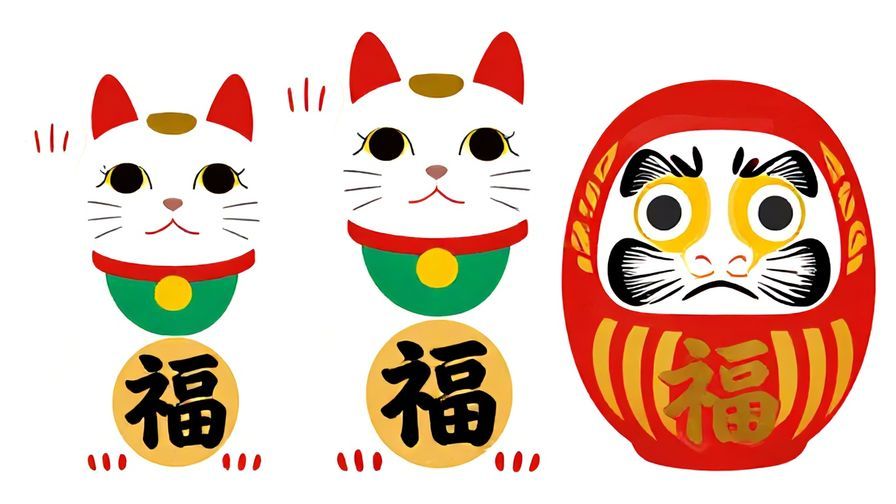
縁起物 (Engimono), pronounced “en-gee-moh-no,” is a word for lucky or auspicious objects.
It usually refers to things believed to bring good fortune, like the famous 招き猫 (maneki-neko) cat or a daruma doll.
This is a fun word to know if you’re interested in Japanese traditions and lucky symbols.
It’s a bit more formal than omamori but still common in daily talk.
People might say, “I bought an 縁起物 for my new business.”
Perfect for sharing your love of cultural charms!
5. 幸せの種 (Shiawase no Tane) – “Seed of Happiness”

Here’s a poetic phrase: 幸せの種 (Shiawase no Tane), pronounced “shee-ah-wah-seh no tah-neh.”
It means “seed of happiness,” a sweet way to describe something that brings you good luck or joy.
This expression can be used metaphorically for anything that sparks positive feelings or good fortune.
It’s perfect if you want to add a personal touch to your Japanese.
Try saying, “This bracelet is my 幸せの種.”
It’s a charming phrase that’s both meaningful and easy to remember!
6. 幸運の石 (Kōun no Ishi) – “Lucky Stone”

Lucky stones are a universal idea, and in Japanese, you’d say 幸運の石 (Kōun no Ishi), pronounced “koh-oon no ee-shee.”
It refers to any stone or gem believed to bring good luck.
People often carry lucky stones in their pockets or wear them as jewelry.
This phrase is straightforward and easy to use in conversation.
For example, “I have a 幸運の石 given by my friend.”
It’s a practical phrase that connects you to a worldwide tradition.
7. お守り袋 (Omamori Bukuro) – “Charm Pouch”

The お守り袋 (Omamori Bukuro), pronounced “oh-mah-moh-ree boo-koo-ro,” means “charm pouch.”
This phrase highlights the little bag that holds lucky charms like omamori.
It’s used to describe the container that keeps your good luck safe.
When visiting a shrine, you might buy one of these pouches.
You can say, “I keep my charms in an お守り袋.”
It’s a cute and practical phrase to know!
8. 幸運の印 (Kōun no Shirushi) – “Sign of Good Luck”

To talk about a “sign” or “symbol” of luck, use 幸運の印 (Kōun no Shirushi), pronounced “koh-oon no shee-roo-shee.”
印 (Shirushi) means “sign” or “mark.”
This phrase can refer to any symbol or token that represents good luck.
It’s perfect when you want to describe something meaningful beyond just a charm.
Try, “This tattoo is my 幸運の印.”
A thoughtful phrase that adds depth to your vocabulary.
Part 2: Polite & Formal Suggestions
9. 幸運の御守り (Kōun no Omamori) – “Formal Good Luck Charm”
For a polite or formal tone, try 幸運の御守り (Kōun no Omamori), pronounced “koh-oon no oh-mah-moh-ree.”
The honorific 御 (go or o) adds respect and formality.
This is great for speaking with elders or in respectful contexts.
It conveys politeness while still expressing the idea of a good luck charm.
You might say, “先生に幸運の御守りをいただきました” (“I received a good luck charm from my teacher”).
Perfect for formal conversations or gift-giving occasions.
10. 幸運祈願 (Kōun Kigan) – “Prayer for Good Luck”

幸運祈願 (Kōun Kigan), pronounced “koh-oon kee-gan,” means “prayer for good luck.”
祈願 (Kigan) means “prayer” or “wish.”
This phrase is often used in formal settings like temples or ceremonies.
It shows a respectful way to express hopes for good fortune.
For example, “試験のために幸運祈願をしました” (“I prayed for good luck on my exam”).
It’s a beautiful, formal way to connect language and tradition.
11. 縁起が良い物 (Engi ga Yoi Mono) – “Auspicious Item”
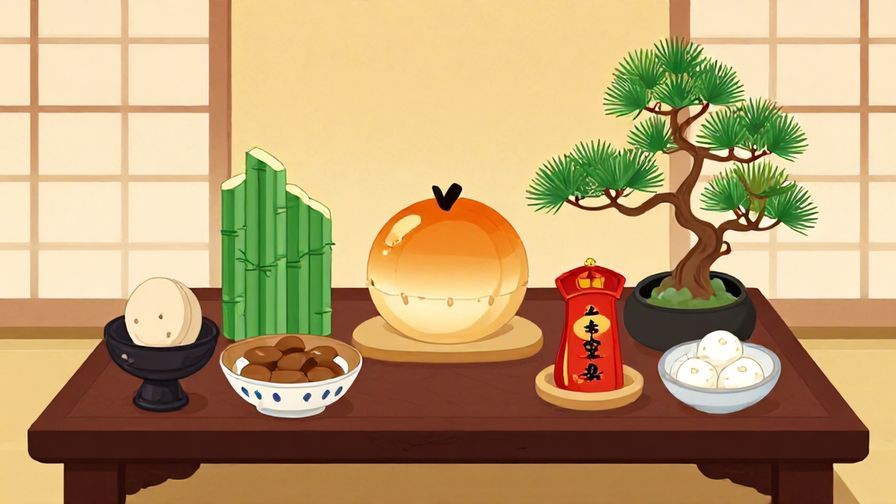
縁起が良い物 (Engi ga Yoi Mono), pronounced “en-gee gah yoh-ee moh-no,” means “an auspicious item.”
It’s a slightly formal way to say something brings good luck or positive energy.
縁起 (Engi) means “omens” or “fortune,” and 良い (Yoi) means “good.”
Perfect for describing things like lucky decorations or gifts.
People might say, “これは縁起が良い物です” (“This is an auspicious item”).
Use this phrase to sound polished and respectful.
12. 福を呼ぶ物 (Fuku o Yobu Mono) – “Item That Brings Fortune”

福を呼ぶ物 (Fuku o Yobu Mono), pronounced “foo-koo oh yoh-boo moh-no,” means “an item that calls or brings fortune.”
福 (Fuku) means “fortune,” and 呼ぶ (Yobu) means “to call.”
This phrase is a neat way to describe charms or objects believed to attract luck.
It’s polite but still easy to understand and use.
Example: “このお守りは福を呼ぶ物です” (“This charm brings good fortune”).
Great for formal conversations or writing.
13. 幸福の象徴 (Kōfuku no Shōchō) – “Symbol of Happiness”

幸福の象徴 (Kōfuku no Shōchō), pronounced “koh-foo-koo no shoh-choh,” means “symbol of happiness.”
幸福 (Kōfuku) means “happiness,” and 象徴 (Shōchō) means “symbol.”
This phrase is formal and elegant, perfect for writing or polite speech.
Use it when you want to highlight the deeper meaning of a charm or object.
For instance, “この花は幸福の象徴です” (“This flower is a symbol of happiness”).
It’s a beautiful way to express the essence of a good luck charm.
14. 縁起物として知られる (Engimono toshite Shirareru) – “Known as a Lucky Charm”
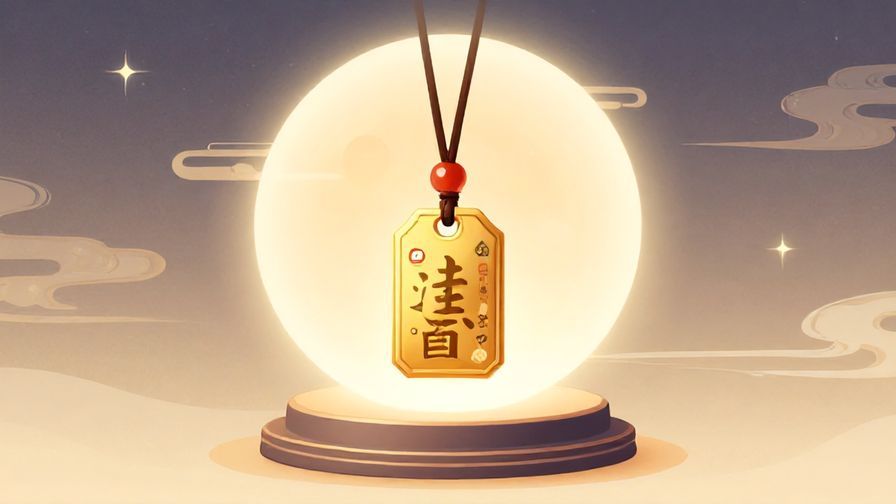
縁起物として知られる (Engimono toshite Shirareru), pronounced “en-gee-moh-no toh-she-teh shee-rah-reh-roo,” means “known as a lucky charm.”
This phrase is useful in formal writing or when explaining cultural items.
It literally says “known as an auspicious item.”
Try it in a sentence like, “この置物は縁起物として知られています” (“This ornament is known as a lucky charm”).
It shows respect and understanding of tradition.
Perfect for essays, speeches, or presentations.
15. 成功祈願の品 (Seikō Kigan no Shina) – “Item for Success Prayer”
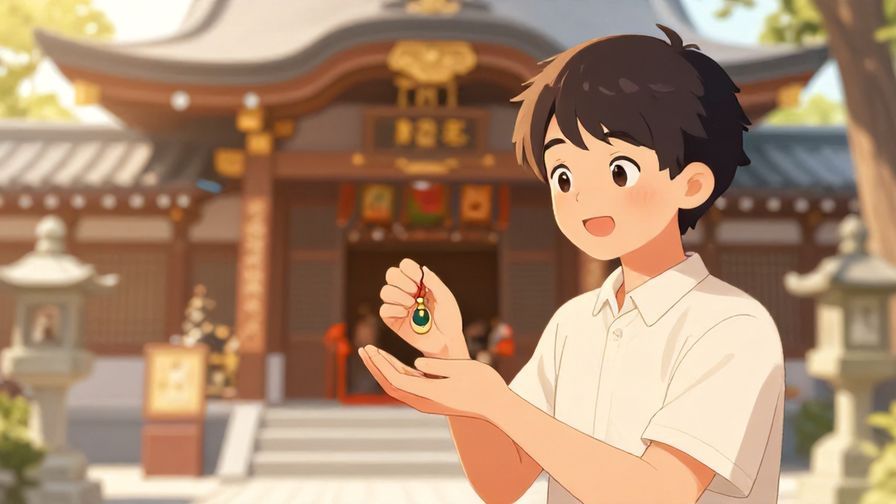
成功祈願の品 (Seikō Kigan no Shina), pronounced “say-koh kee-gan no shee-nah,” means “item for success prayer.”
成功 (Seikō) is “success,” 祈願 (Kigan) is “prayer,” and 品 (Shina) means “item.”
This formal phrase is often used when talking about charms meant for career or exam success.
Use it to describe special charms or gifts thoughtfully chosen for encouragement.
Example: “これは成功祈願の品です” (“This is an item for praying for success”).
It’s respectful and clear for formal contexts.
16. 幸運を招く品 (Kōun o Maneku Shina) – “Item That Invites Good Luck”

幸運を招く品 (Kōun o Maneku Shina), pronounced “koh-oon oh mah-neh-koo shee-nah,” means “an item that invites good luck.”
招く (Maneku) means “to invite” or “to beckon.”
This phrase feels elegant and is perfect for describing items you want to highlight as lucky.
You might say, “このペンダントは幸運を招く品です” (“This pendant invites good luck”).
It’s a beautiful way to talk about lucky charms in a formal setting.
Great for gift descriptions or presentations.
Part 3: Very Casual / Native-like Expressions
17. 幸せアイテム (Shiawase Aitemu) – “Happiness Item”

Here’s a fun, casual phrase: 幸せアイテム (Shiawase Aitemu), pronounced “shee-ah-wah-seh ai-teh-mu.”
It means “happiness item,” perfect for casual conversations or social media.
People use it to describe anything that brings joy or good vibes.
Try saying, “これは私の幸せアイテムだよ” (“This is my happiness item”).
It’s super friendly and easy to remember.
Perfect for chatting with friends or posting about your lucky charms!
18. 幸運グッズ (Kōun Guzzu) – “Good Luck Goods”
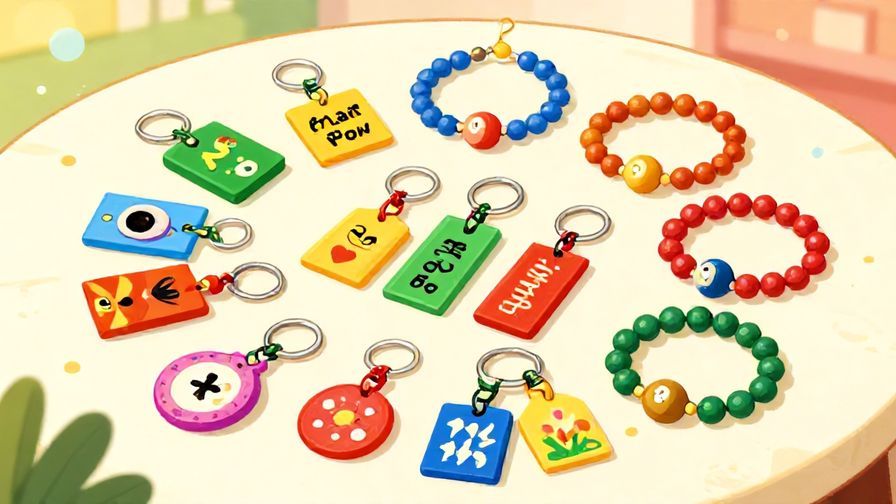
幸運グッズ (Kōun Guzzu), pronounced “koh-oon guz-zu,” means “good luck goods.”
グッズ (guzzu) is the casual word for “goods” or “stuff,” borrowed from English.
It’s great for talking about collections of lucky items casually.
Example: “新しい幸運グッズを買ったよ” (“I bought new good luck goods”).
It’s informal and very natural in everyday talk.
Perfect if you want to sound like a native!
19. お守りちゃん (Omamori-chan) – “Cute Good Luck Charm”

Adding ちゃん (-chan) makes things extra cute and familiar. お守りちゃん (Omamori-chan) is like saying “little omamori charm.”
It’s perfect for casual, playful talk about your lucky charm.
Use it when talking to close friends or kids.
For example, “このお守りちゃん、かわいいね!” (“This little charm is so cute!”).
It adds a warm, affectionate tone to your words.
Great for making your conversations feel cozy.
20. ラッキーチャーム (Rakkī Chāmu) – “Lucky Charm”

Another borrowed phrase from English, ラッキーチャーム (Rakkī Chāmu), pronounced “rahk-kee chah-mu,” means “lucky charm.”
It’s casual and widely understood, especially among younger people.
Use it to sound friendly and modern.
Example: “これが私のラッキーチャームだよ” (“This is my lucky charm”).
Easy to say and great for everyday use.
Perfect for casual chats or even shopping.
21. お守り代わり (Omamori Gawari) – “Substitute for a Charm”

お守り代わり (Omamori Gawari), pronounced “oh-mah-moh-ree gah-wah-ree,” means “substitute for a charm.”
代わり (Gawari) means “instead of” or “substitute.”
It’s used when something stands in as a good luck charm, even if it’s not a traditional one.
For example, “このペンがお守り代わりだ” (“This pen is my lucky substitute”).
It’s a casual but meaningful phrase.
Great for talking about personal lucky items.
22. ついてる (Tsuiteru) – “I’m Lucky” (Slang)

Lastly, ついてる (Tsuiteru), pronounced “tsoo-ee-teh-roo,” is slang for “I’m lucky” or “things are going my way.”
It’s not exactly “good luck charm” but a casual expression to say luck is on your side.
Use it in friendly chats to share positive vibes.
For example, “今日はついてる日だ!” (“Today’s my lucky day!”).
It’s a natural, native-like way to talk about luck.
Perfect for keeping things light and upbeat.
Concluding Thought
Exploring these 22 ways to say “good luck charm” in Japanese shows just how rich and varied the language is when it comes to expressing hopes and positivity.
From traditional omamori to casual slang, each phrase offers a unique way to connect with good fortune and culture.
So whether you’re carrying a charm, wearing a lucky item, or simply feeling hopeful, these expressions can add a little extra magic to your Japanese journey. Keep them close, and may luck always be on your side!