22 Japanese ways to say “Good luck at your interview”
Interviews can be nerve-wracking, but a little encouragement in the right language can boost confidence instantly.
Whether it’s for a job, school, or any opportunity, wishing someone good luck in Japanese adds a warm, personal touch.
Japanese has many ways to say “Good luck,” some casual, some formal, and some very natural and native-like.
In this article, we’ll explore 22 different Japanese phrases and expressions to say “Good luck at your interview” with a friendly, informal vibe.
Learning these can help you connect better and sound more genuine—plus it’s a fun way to dive deeper into Japanese culture.
Let’s get started with some easy and casual ways to cheer someone on!
Warm-Up to Encouragement
Before diving into the list, it’s great to understand the tone and context of Japanese encouragement.
Japanese often uses subtle, supportive phrases rather than direct “Good luck” sayings, reflecting cultural humility and care.
With practice, you’ll get a feel for when to use casual, polite, or native-like expressions that fit your relationship.

Sometimes, a simple Japanese phrasebook can help you find the perfect way to encourage someone in their own language.
Knowing the right phrase can make your support feel heartfelt and authentic.
Remember, the best encouragement is the one that feels natural to you and respectful to the listener.
Part 1: Casual Suggestions
1. 頑張ってね (Ganbatte ne) – “Do your best!”

This is the most common and friendly way to say “Good luck!” in Japanese.
Ganbatte (がんばって) means “do your best” or “hang in there,” and ne adds a soft, encouraging tone like “okay?” or “please.”
It’s casual but supportive, perfect for friends or people you know well.
Think of it as a warm cheer from the heart.
A related phrase is Ganbare! which is a bit more energetic and informal.
Use this to boost morale right before the interview—it’s simple and effective.
2. ファイト! (Faito!) – “Fight!” / “Go for it!”

A borrowed word from English, “Faito!” is a popular casual cheer in Japan.
It’s like saying “Go for it!” or “You’ve got this!” in a fun, upbeat way.
Easy to remember and energetic, it fits well with younger people or informal settings.
Don’t use it in very formal situations though—it’s quite casual and spirited.
Try saying it with a smile or a fist pump to really capture the vibe.
It’s a great go-to when you want to sound lively and encouraging.
3. うまくいくといいね (Umaku iku to ii ne) – “Hope it goes well!”

This phrase is a gentle way to say “Good luck.”
Umaku iku means “to go well,” and to ii ne means “it would be good/hope so.”
It’s less direct—more like wishing for a positive outcome.
Perfect for when you want to be supportive but not too pushy.
This phrase fits well with acquaintances or when you want to sound thoughtful.
It’s a subtle and sweet way to show you care about their success.
4. 緊張しないでね (Kinchou shinaide ne) – “Don’t be nervous!”

Sometimes, the best encouragement is to ease the pressure.
This phrase literally means “Don’t get nervous.”
It’s kind and reassuring, reminding the person to stay calm and confident.
Use this with people you feel comfortable with, like friends or close colleagues.
It’s a caring phrase that shows empathy.
Try pairing it with a smile to soothe any jitters before the interview.
5. 自信を持ってね (Jishin wo motte ne) – “Have confidence!”

A phrase to boost self-esteem before the big moment.
Jishin means “confidence,” and motte is “to hold” or “have.”
Adding ne softens it into a warm encouragement.
It’s a positive, empowering phrase for someone who might doubt themselves.
Use it to remind them they are capable and ready.
It’s a great way to lift someone’s spirits with a meaningful message.
6. うまくやってね (Umaku yatte ne) – “Do well!”

This is a casual phrase meaning “Do well” or “Handle it skillfully.”
Umaku means “well,” and yatte comes from “to do.”
It’s friendly and encouraging, perfect for close friends or colleagues.
It’s a bit more action-oriented than just wishing good luck.
Use it to cheer someone on with a sense of confidence in their abilities.
It’s simple and natural in everyday conversation.
7. いい結果が出るといいね (Ii kekka ga deru to ii ne) – “Hope you get good results!”

This phrase focuses on the outcome, wishing for good results.
Ii kekka means “good results,” and deru means “to come out” or “to appear.”
The ending to ii ne expresses hope or wish.
It’s polite but still casual enough for friends or acquaintances.
It’s a thoughtful phrase showing you care about the success beyond just the effort.
Great to use if you want to sound considerate and sincere.
8. 楽しんでね (Tanoshinde ne) – “Enjoy it!”
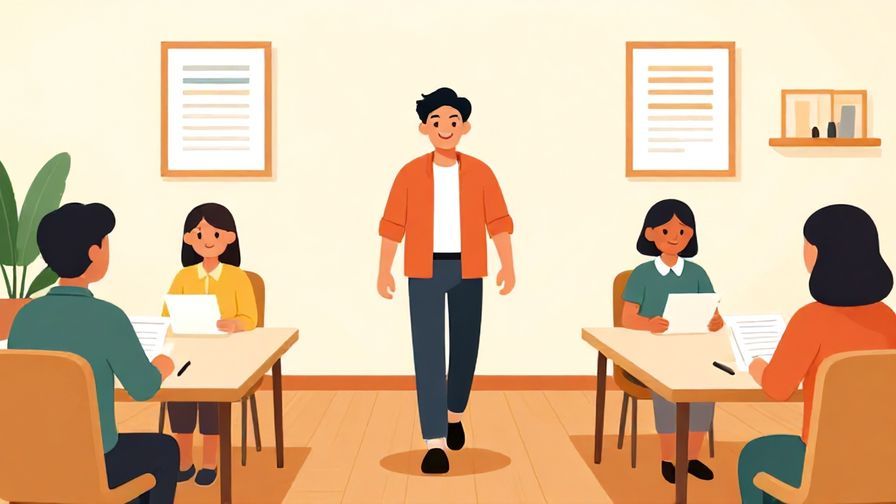
Sometimes, encouraging someone to enjoy the experience can ease anxiety.
Tanoshinde is the te-form of “enjoy,” and ne adds warmth.
This phrase reminds them to have a positive attitude during the interview.
It’s casual and uplifting, suitable for friends or peers.
Encouraging joy can help reduce stress and boost confidence.
Use this to add a light-hearted touch to your support.
Part 2: Polite & Formal Suggestions
9. ご健闘をお祈りします (Gokentou wo oinori shimasu) – “I pray for your success.”

This is a very polite and formal phrase used in written or spoken encouragement.
Gokentou means “your hard fight” or “effort,” and oinori shimasu means “I pray.”
It’s appropriate for colleagues, mentors, or formal messages.
It carries deep respect and sincere wishes for success.
Often used in business emails or formal letters.
Perfect when you want to sound professional and supportive simultaneously.
10. 面接、頑張ってください (Mensetsu, ganbatte kudasai) – “Please do your best in the interview.”
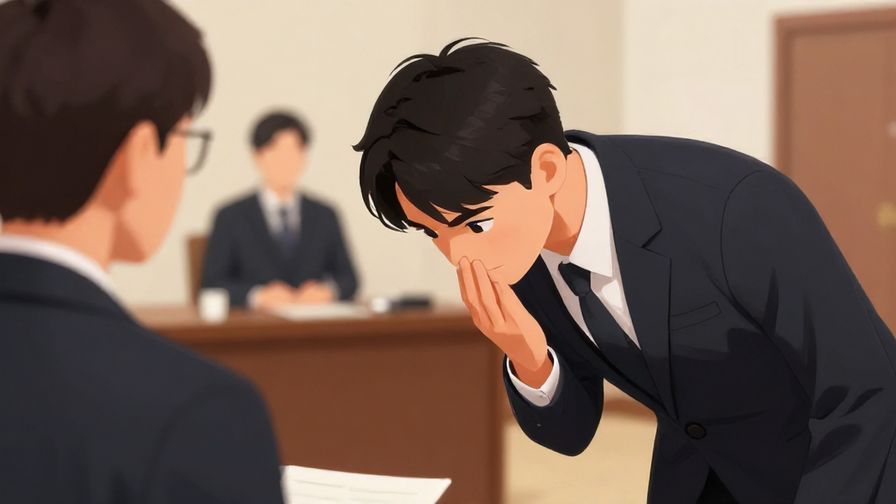
This is a polite way to say “Good luck” focused specifically on the interview.
Mensetsu means “interview,” and ganbatte kudasai is a polite “please do your best.”
It’s perfect for formal or professional contexts.
Use it with people you’re not very close to but want to encourage warmly.
It shows respect and genuine support.
Great for workplace or academic settings.
11. 成功を祈っています (Seikou wo inotte imasu) – “I’m wishing you success.”

This phrase politely expresses your wishes for someone’s success.
Seikou means “success,” and inotte imasu means “I am praying/wishing.”
It’s formal but warm, suitable for bosses, teachers, or formal acquaintances.
It’s a thoughtful and motivational phrase.
Use it to convey sincere hope for a positive outcome.
Helps maintain professionalism with a personal touch.
12. 面接、上手くいくように願っています (Mensetsu, umaku iku you ni negatte imasu) – “I’m hoping your interview goes well.”

This is a formal and polite way to wish someone well specifically for their interview.
Mensetsu means “interview,” umaku iku means “go well,” and negatte imasu means “I am hoping.”
It’s gentle and reassuring.
Use it in emails or conversations with someone you respect.
It’s a nice balance of politeness and warmth.
Shows you’re thinking of their success thoughtfully.
13. 最善を尽くしてください (Saizen wo tsukushite kudasai) – “Please do your best.”

This phrase means “Please do your best” in a formal tone.
Saizen means “the best,” and tsukushite kudasai means “please do to the utmost.”
It encourages full effort with respect.
Perfect for professional settings or senior colleagues.
It emphasizes dedication and commitment.
Use it to motivate politely but firmly.
14. 面接、成功を祈願します (Mensetsu, seikou wo kigan shimasu) – “I wish you success in your interview.”

A formal and respectful way to wish success.
Kigan shimasu means “I pray/wish,” paired with “success” and “interview.”
This is often used in written messages or formal speeches.
It’s appropriate for mentors or professional contacts.
Shows sincere and respectful encouragement.
Use it when you want to be very polite and supportive.
15. リラックスして頑張ってください (Rirakkusu shite ganbatte kudasai) – “Relax and do your best.”

This phrase combines encouragement with a reminder to stay calm.
Rirakkusu shite means “relax,” and ganbatte kudasai is “please do your best.”
It’s polite and caring.
Use it in formal but friendly situations.
It helps ease anxiety while motivating.
Perfect for someone who’s nervous but determined.
16. ご成功をお祈り申し上げます (Goseikou wo oinori moushiagemasu) – “I humbly pray for your success.”

This is a very formal and humble phrase to wish success.
Moushiagemasu is a humble form of “say,” adding respect.
It’s used in official letters or speeches.
Best for very formal occasions or for superiors.
Shows deep respect and sincere wishes.
Use it when utmost politeness is required.
Part 3: Very Casual / Native-like Expressions
17. いい感じでね (Ii kanji de ne) – “Do it in a good way!”

A very casual, native-like phrase meaning “Do it well” or “Make it good.”
Ii kanji means “good feeling” or “good way,” and de ne adds a friendly tone.
It’s informal and often used among close friends.
Great for sounding natural and easygoing.
Not suitable for formal contexts.
Use it when you want to sound like a native peer cheering you on.
18. ぶっちゃけ頑張って! (Bucchake ganbatte!) – “Honestly, do your best!”

“Bucchake” means “frankly” or “honestly,” making this a very casual and emphatic cheer.
It’s energetic and shows a close relationship.
Use it with friends who appreciate straightforwardness.
It adds emphasis and a bit of humor.
Not for formal or professional settings.
Perfect for lighthearted, strong encouragement.
19. 緊張するなよ! (Kinchou suru na yo!) – “Don’t be nervous, okay!”

A very casual and direct way to say “Don’t be nervous.”
Kinchou suru na means “don’t be nervous,” and yo adds emphasis.
Used among friends or younger people.
Shows familiarity and care.
Not for formal use but great for close support.
It’s simple and effective to ease tension.
20. バッチリ決めてね! (Batchiri kimete ne!) – “Nail it perfectly!”

“Batchiri” means “perfectly” or “spot on,” and kimete is “to decide or nail it.”
This phrase is casual and enthusiastic.
Perfect for close friends or colleagues.
It’s a fun way to say “Do great!”
Use it to hype up someone who’s ready to shine.
It’s very positive and motivating.
21. いい感じにやれよ! (Ii kanji ni yare yo!) – “Do it well, alright!”

Similar to #17 but with a bit more casual edge.
“Yare” means “do it,” and yo adds emphasis.
Used among close friends.
Great for sounding native and relaxed.
Not for formal use.
It’s a cool, confident cheer that feels natural.
22. がんばれよ! (Ganbare yo!) – “Do your best, okay!”

A casual, slightly stronger version of “Ganbatte.”
Adding yo adds emphasis and friendliness.
Used among friends or teammates.
It’s supportive and energetic.
Use it when you want to sound encouraging and confident.
A great phrase to rally someone’s spirits before the interview.
Concluding Thought
Wishing someone good luck in Japanese is more than just words—it’s about sharing your support in a way that feels genuine and fitting for the relationship.
From casual cheers to formal prayers, each phrase carries its own flavor of encouragement and warmth.
Use these 22 expressions to brighten someone’s day and help them walk into their interview with confidence and a smile!