22 Japanese ways to say “Good Evening”
Evenings in Japan carry a special kind of calm and warmth, and knowing how to greet someone properly can make your interactions so much richer.
Whether you’re chatting with friends, meeting new people, or just want to sound a bit more natural, there are many ways to say “Good evening” in Japanese beyond the classic phrase.
In this listicle, we’ll explore 22 Japanese expressions for “Good evening” that range from polite to casual, and even some native-like phrases you might not know yet.
Each phrase comes with a pronunciation guide and a little insight into when and how to use it, so you can feel confident bringing these into your daily conversations.
Learning these phrases will not only boost your Japanese skills but also help you connect more genuinely with Japanese speakers.
Ready to greet the evening in style? Let’s dive in!
Why So Many Ways to Say “Good Evening”?
Japanese is a language rich with levels of politeness and nuance, meaning the way you say “Good evening” can change depending on who you’re talking to and the situation.
From formal business settings to casual chats with friends, having a toolbox of greetings makes your Japanese feel natural and appropriate.
Even small variations can show respect, affection, or familiarity — all important in Japanese culture.
Sometimes, using a great beginner phrasebook can give you a perfect starting point for a cohesive understanding.
With a little practice, these phrases will become second nature, and you’ll impress your Japanese friends with your smooth greetings.
Let’s begin with some casual and easy-to-use options.
Part 1: Casual Suggestions
1. こんばんは (Konbanwa) – “Good evening.”

This is the classic and most common way to say “Good evening” in Japanese.
Pronounced “kon-ban-wa” (cone-bahn-wah), it literally means “this evening” and is used from late afternoon onward.
It’s polite enough for most situations but still casual, perfect for new acquaintances or friends.
Think of it as the Japanese equivalent of “Good evening” in English — friendly and versatile.
You’ll hear this one everywhere, so it’s a must-know.
Mastering こんばんは is your first step to sounding natural in Japanese evenings.
2. やあ、こんばんは (Yā, konbanwa) – “Hey, good evening!”

Adding やあ (yā) — a casual “hey” or “hi” — makes your greeting more informal and friendly.
It’s pronounced “yah, kon-ban-wa” and works great when greeting close friends or people your age.
Try this when you want to sound approachable and warm without being too formal.
Remember not to use やあ with elders or in formal settings.
For example: “やあ、こんばんは!元気?” (Yā, konbanwa! Genki? – “Hey, good evening! How are you?”)
This casual phrase sets a relaxed tone for the conversation.
3. 今日も一日お疲れ様 (Kyō mo ichinichi otsukaresama) – “Thanks for your hard work today.”

This phrase is often used in the evening to acknowledge someone’s efforts during the day.
Pronounced “kyoh moh ee-chee-nee-chee oh-tsu-ka-re-sa-ma,” it literally means “today also, thank you for your hard work.”
It’s a warm, thoughtful way to greet coworkers or friends after a busy day.
While not a direct “good evening” phrase, it’s common in casual workplace greetings in the evening.
Use it to show empathy and support after a long day.
Pair it with a smile to make the person feel appreciated.
4. よう、こんばんは (Yō, konbanwa) – “Yo, good evening.”

よう (yō) is an informal, masculine greeting similar to “yo.”
Saying “よう、こんばんは” (yō, konbanwa) adds a cool, laid-back vibe to your evening greeting.
It’s best used among close male friends or younger people.
Be mindful of context; it’s too casual for formal or unknown company.
It’s like saying “Yo, good evening” in English.
Use it when you want to sound relaxed and confident.
5. こんばんは、元気? (Konbanwa, genki?) – “Good evening, how are you?”

Adding 元気? (genki?) meaning “are you well?” or “how are you?” makes your greeting more engaging.
It’s pronounced “kon-ban-wa, gen-kee?” and shows genuine interest.
This phrase is casual but thoughtful, perfect for friends and acquaintances.
Try using it to start a friendly evening conversation.
It’s a great way to check in without being too formal.
People appreciate when you ask about their well-being.
6. こんばんは、調子はどう? (Konbanwa, chōshi wa dō?) – “Good evening, how’s it going?”

調子はどう? (chōshi wa dō?) means “how’s it going?” or “how are you feeling?”
Pairing it with こんばんは makes the greeting casual and conversational.
It’s pronounced “kon-ban-wa, choh-shee wah doh?”
Use it with friends or colleagues you know well.
It invites more than just a greeting — it opens the door for chatting about one’s mood or day.
Perfect for relaxed social situations in the evening.
7. 今晩はいい夜ですね (Konban wa ii yoru desu ne) – “It’s a nice evening, isn’t it?”

This phrase literally means “Tonight is a nice night, isn’t it?” and is a gentle way to greet someone.
Pronounced “kon-ban wa ee yo-roo dess neh,” it’s a friendly, warm opener for evening conversations.
It’s a bit more poetic than a simple “good evening” and great for making small talk.
Use it when you want to comment on the pleasantness of the evening.
Perfect for social or casual outings under the stars.
It’s a sweet way to connect over the mood of the moment.
8. こんばんは、いい夢を (Konbanwa, ii yume o) – “Good evening, sweet dreams.”

Adding いい夢を (ii yume o) which means “sweet dreams” or “have good dreams” makes your greeting caring and intimate.
Pronounced “kon-ban-wa, ee yoo-meh oh,” this phrase is perfect when parting ways in the evening or before sleep.
It’s often used among close friends, family, or romantic partners.
Use it to end the day on a warm, personal note.
It’s a lovely phrase for bedtime goodbyes.
Try it to show affection and kindness in your evening greetings.
Part 2: Polite & Formal Suggestions
9. お疲れ様でした (Otsukaresama deshita) – “Thank you for your hard work (formal).”

This is a polite phrase to acknowledge someone’s effort after a long day.
Pronounced “o-tsu-ka-re-sa-ma de-shi-ta,” it’s common in business and formal social settings.
While not a direct “good evening,” it’s often used as a greeting or farewell in the evening to coworkers.
It shows respect and appreciation for hard work.
Use this phrase in formal workplaces or when speaking to seniors.
It’s a staple of Japanese business etiquette.
10. こんばんは、はじめまして (Konbanwa, hajimemashite) – “Good evening, nice to meet you.”

はじめまして (hajimemashite) means “nice to meet you,” used at first introductions.
Saying “こんばんは、はじめまして” is a polite and warm way to greet someone you meet in the evening.
Pronounced “kon-ban-wa, ha-jee-meh-mah-shee-teh,” it’s perfect for formal or semi-formal occasions.
It makes a great first impression and shows good manners.
Use this phrase when meeting someone new at an evening event.
It sets a polite tone while acknowledging the time of day.
11. こんばんは、よろしくお願いします (Konbanwa, yoroshiku onegaishimasu) – “Good evening, pleased to meet you.”

よろしくお願いします (yoroshiku onegaishimasu) is a polite phrase meaning “please treat me well” or “I look forward to working with you.”
Say “こんばんは、よろしくお願いします” when greeting someone formally in the evening.
Pronounced “kon-ban-wa, yo-ro-shi-ku o-ne-gai-shi-ma-su,” it is commonly used in business or formal social interactions.
This phrase expresses humility and respect in your greeting.
It’s excellent for meetings, introductions, or starting collaborations.
Using it will impress your Japanese colleagues or new acquaintances.
12. こんばんは、ご無沙汰しております (Konbanwa, gobusata shite orimasu) – “Good evening, long time no see (formal).”

ご無沙汰しております (gobusata shite orimasu) means “long time no see” in a very polite form.
Pair it with こんばんは for a respectful evening greeting to someone you haven’t seen in a while.
Pronounced “kon-ban-wa, go-boo-sa-ta shi-teh o-ri-ma-su,” it’s perfect for formal calls or meetings.
This phrase helps reconnect politely without sounding too casual.
Use it when addressing superiors or clients after a gap in communication.
It keeps your tone professional yet warm.
13. こんばんは、皆様 (Konbanwa, minasama) – “Good evening, everyone.”

皆様 (minasama) is a very polite way to say “everyone.”
Use “こんばんは、皆様” when greeting a group formally in the evening.
Pronounced “kon-ban-wa, mee-na-sa-ma,” it’s common in speeches, meetings, or formal events.
This phrase sets an inclusive, respectful tone for your address.
It’s perfect for hosts or presenters.
Using it shows your good manners and professionalism.
14. こんばんは、先生 (Konbanwa, sensei) – “Good evening, teacher.”
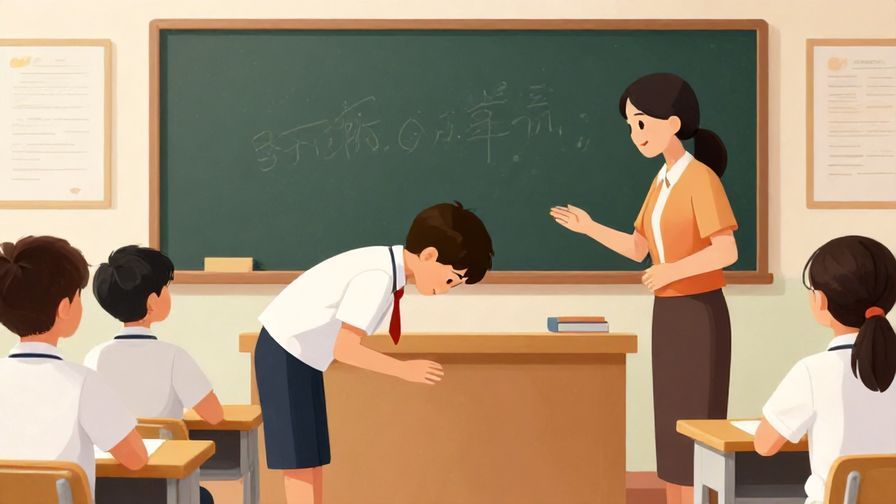
先生 (sensei) means “teacher” or “mentor.”
Saying “こんばんは、先生” is a polite evening greeting to your teacher or someone you respect.
Pronounced “kon-ban-wa, sen-seh,” it shows respect and gratitude.
Use this phrase in formal or educational settings.
It’s a simple way to acknowledge authority warmly.
Perfect for students or apprentices.
15. こんばんは、社長 (Konbanwa, shachō) – “Good evening, company president.”

社長 (shachō) means “company president” or “boss.”
Use “こんばんは、社長” to greet your boss politely in the evening.
Pronounced “kon-ban-wa, sha-choh,” it’s important to use respectful language here.
Such greetings are common in Japanese workplaces to show deference.
Always pair with polite body language.
It helps maintain good professional relationships.
16. こんばんは、お世話になっております (Konbanwa, osewa ni natte orimasu) – “Good evening, thank you for your support.”

お世話になっております (osewa ni natte orimasu) expresses gratitude for ongoing support or help.
Say “こんばんは、お世話になっております” in formal business emails or meetings in the evening.
Pronounced “kon-ban-wa, o-se-wa ni na-tte o-ri-ma-su,” it’s a respectful, humble phrase.
It’s a courteous way to acknowledge a relationship or partnership.
Perfect for clients, collaborators, or mentors.
Using this phrase shows your professionalism and respect.
Part 3: Very Casual / Native-like Expressions
17. こんちゃ (Koncha) – Casual “Hey, evening!”

こんちゃ is a super casual contraction of こんにちは (hello) and こんばんは (good evening).
Pronounced “kon-cha,” it’s often used among young people or close friends.
It’s playful and informal — great for texting or face-to-face chats.
Don’t use it with strangers or in formal settings.
It’s like saying “hey” or “hi there” in the evening.
Try it when you want to sound relaxed and friendly.
18. ばんちゃ (Bancha) – Slangy “Evening!”

ばんちゃ is a shortened slang form of こんばんは.
Pronounced “bahn-cha,” it’s casual and often used by younger speakers.
Use it only with close friends or peers.
It gives your greeting a fun, informal edge.
Think of this like “evening!” or “yo!” in English.
Great for laid-back social situations.
19. ちゃお (Chao) – Playful “Ciao” style greeting

ちゃお (chao) is borrowed from the Italian “ciao” and used playfully among young Japanese people.
Though not a direct “good evening,” it’s a trendy, informal way to greet or say goodbye in the evening.
Pronounced “chow,” it’s cute and casual.
Use it with close friends or in youthful social groups.
It adds a fun, international flair to your greeting.
Try it if you want to sound friendly and hip.
20. おっす (Ossu) – Very casual “Yo!”

おっす (ossu) is an extremely casual greeting among male friends, roughly “yo!” or “hey!”
It’s pronounced “oss” and used mostly by younger men or in sports contexts.
Not appropriate for formal or mixed company.
Use it when you want to greet a close buddy in a super casual way.
It’s short, punchy, and very informal.
Perfect for friendly, energetic evening encounters.
21. こんばんはじゃん (Konbanwa jan) – “Hey, it’s evening!”

Adding じゃん (jan) at the end gives a casual, conversational tone, like “isn’t it?” or “you know?”
“こんばんはじゃん” is pronounced “kon-ban-wa jan” and feels playful and laid-back.
Use it among friends to comment on the evening vibe.
It’s like saying “Hey, it’s evening, right?”
Great for relaxed chats and social gatherings.
This phrase adds personality to your greeting.
22. ばんばん (Banban) – Fun, rhythmic evening greeting

ばんばん (banban) is a playful, rhythmic phrase that can be used as an energetic greeting in the evening.
Pronounced “bahn-bahn,” it’s not a classic greeting but popular in casual youth culture.
Use it to add fun and energy to your evening hellos.
It’s like saying “Hey hey!” with a bounce.
Perfect for lively group settings or parties.
Give it a try when you want to brighten the mood.
Concluding Thought
Exploring these 22 ways to say “Good evening” in Japanese shows just how rich and varied the language can be depending on context and relationship.
From polite business greetings to casual slang, each phrase helps you connect more deeply and naturally with the people you meet.
So go ahead, practice these expressions, and greet your evenings in Japanese with confidence and warmth!