22 Japanese ways to say “Good Afternoon”
Afternoon greetings in Japanese are more than just words—they carry warmth, culture, and a splash of personality. Whether you’re chatting with friends or meeting someone new, knowing the right phrase can brighten the moment.
In Japan, how you say “Good Afternoon” depends on the situation, your relationship with the listener, and sometimes even the region you’re in. It’s a fun way to connect and show respect or friendliness.
Ready to add some flavor to your Japanese afternoons? From polite to casual, and everything in between, here are 22 ways to say “Good Afternoon” that you can start using today.
Each phrase comes with easy pronunciation guides and cultural tips so they’re not just words, but part of your language journey.
Plus, you’ll get little memory tricks and examples to make these greetings stick effortlessly.
Let’s dive in and make your afternoons a little more Japanese—and a lot more delightful!
Understanding Afternoon Greetings in Japanese
Japanese afternoon greetings are rooted in the formal phrase “こんにちは” (Konnichiwa), but there’s so much more to explore. These variations reflect different tones—polite, casual, regional, and even playful.
Using the right phrase shows your awareness of Japanese social nuances, making your conversations smoother and more natural.
Even if you’re a beginner, don’t worry—these phrases are straightforward and fun to practice.
Sometimes, using a great beginner phrasebook can give you a perfect starting point for a cohesive understanding.
These simple yet meaningful greetings will help you sound more like a native and less like a textbook robot.
Now, let’s jump into some easy ways to say “Good Afternoon” you can start using right away!
Part 1: Casual Suggestions
1. こんにちは (Konnichiwa) – “Good Afternoon”
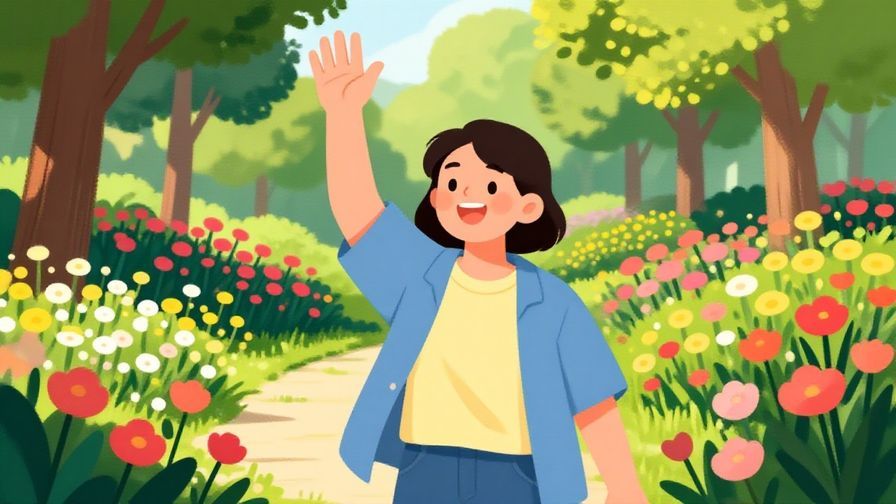
The classic and most common way to say “Good Afternoon” in Japanese is こんにちは (Konnichiwa).
It literally means “Today” (今日, kyou) and “Day” (日, hi), but it’s used as a standard daytime greeting from late morning to early evening.
It’s polite but casual enough to use with friends and strangers alike.
Think of this as your go-to phrase for nearly any afternoon encounter.
It’s easy to remember because it’s often the first Japanese greeting you learn in school.
Just say it with a smile, and you’re all set!
2. お疲れ様です (Otsukaresama desu) – “Thanks for your hard work”

While not a literal “Good Afternoon,” お疲れ様です (Otsukaresama desu) is commonly used in workplaces as an afternoon greeting.
It means “Thank you for your hard work” and shows appreciation, often said when people finish tasks or meet during the day.
It’s polite and acknowledges effort, making it perfect for colleagues.
Remember not to overuse it outside work or casual settings.
Example: When entering the office in the afternoon, greet your coworkers with this phrase.
It builds camaraderie and respect effortlessly.
3. こんにちは〜、元気? (Konnichiwa~ Genki?) – “Good afternoon, how are you?”

This is a friendly, casual way to greet someone in the afternoon and ask how they’re doing.
元気 (Genki) means “well” or “healthy,” so you’re combining a greeting with a quick check-in.
It’s perfect for friends or people you know well.
Try to match the tone to the closeness of your relationship—too casual for strangers!
It helps keep conversations flowing naturally.
Practice by adding it to your daily chats or messages.
4. 今日はいい天気ですね (Kyou wa ii tenki desu ne) – “Nice weather today, isn’t it?”

Sometimes, a simple weather comment is a warm way to greet someone in the afternoon.
今日は (Kyou wa) means “today,” いい天気 (ii tenki) means “good weather,” and ですね (desu ne) adds a soft confirmation.
This phrase works well in casual and polite scenarios alike.
It’s a great icebreaker when you want to start a chat naturally.
Use it when meeting someone outside or during a break.
It’s a friendly way to show you’re engaged with your surroundings.
5. お昼ですね (Ohiru desu ne) – “It’s noon, isn’t it?”

This phrase literally means “It’s noon, isn’t it?” and can serve as a casual afternoon greeting.
お昼 (Ohiru) means “noon” or “lunch,” and ですね (desu ne) adds a conversational tone.
It’s often used when meeting someone around lunchtime or early afternoon.
It’s a simple way to acknowledge the time and connect.
Great for coworkers or classmates gathering for lunch.
Try it next time you spot a friend around midday.
6. やあ! (Yā!) – “Hey!”
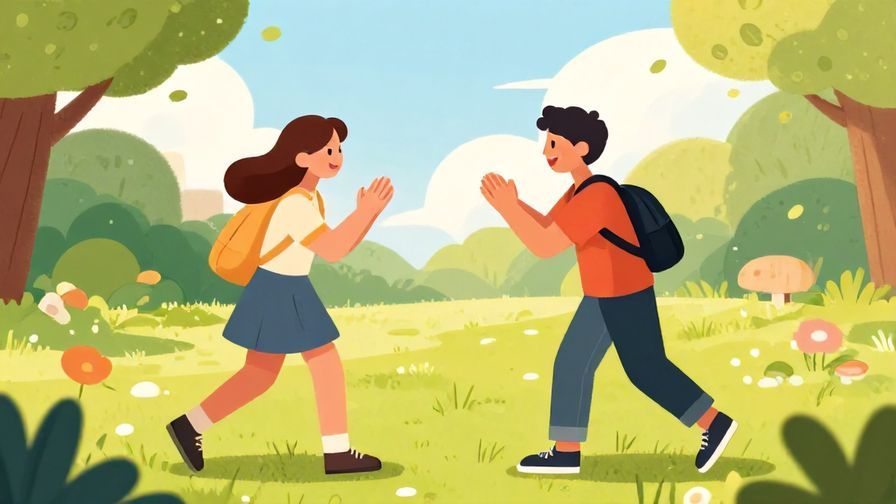
For really casual, friendly afternoons, やあ! (Yā!) is a relaxed “Hey!”
It’s best for close friends or younger people.
Quick, easy, and full of energy.
Use it when you want to express enthusiasm without formality.
It’s less of a “Good afternoon” and more a cheerful hello.
Great for informal chats or texts.
7. ごきげんよう (Gokigenyou) – “Good afternoon” (formal, somewhat old-fashioned)
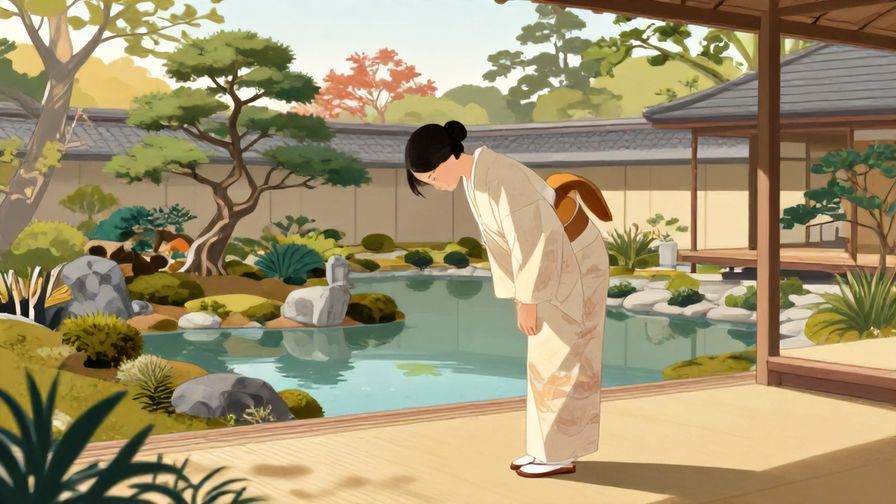
This is a very formal and somewhat old-fashioned greeting meaning “Good day” or “Good afternoon.”
It’s rarely used in everyday conversation but might appear in formal letters or traditional settings.
ごきげん (Gokigen) means “mood” or “spirits,” and よう (you) is a polite suffix.
It gives a graceful and respectful tone.
Use it cautiously, mostly if you want to sound very refined or theatrical.
It’s a beautiful phrase to know, even if you don’t use it often.
8. ちょっと休憩しよう (Chotto kyuukei shiyou) – “Let’s take a little break”

Not a direct greeting, but a friendly way to acknowledge the afternoon and invite a pause.
ちょっと (Chotto) means “a little,” 休憩 (kyuukei) means “break,” and しよう (shiyou) is the volitional form “let’s do.”
It’s casual and perfect for informal situations when you want to connect.
Use it at work or with friends to suggest a refreshing break.
It helps build friendly rapport in everyday life.
Try this phrase to make your afternoons more social and relaxed.
Part 2: Polite & Formal Suggestions
9. こんにちは、いかがお過ごしですか? (Konnichiwa, ikaga osugoshi desu ka?) – “Good afternoon, how are you?”

This is a polite and formal way to greet someone and ask how they’re doing.
いかが (ikaga) means “how,” and お過ごしですか (osugoshi desu ka) means “are you spending (your time)?”
It’s perfect for business or formal social settings.
It shows respect and genuine interest.
Use this phrase in emails, meetings, or when meeting acquaintances.
It’s a versatile and safe choice for formal afternoons.
10. こんにちは、皆様 (Konnichiwa, minasama) – “Good afternoon, everyone”

Adding 皆様 (minasama), meaning “everyone” in a respectful way, makes your greeting suitable for groups.
This phrase is formal and polite, often used in speeches or presentations.
It’s ideal for addressing colleagues, guests, or event attendees.
Be sure to pronounce it smoothly to maintain professionalism.
Adding this makes your greeting inclusive and courteous.
Use it to start group interactions warmly.
11. ご機嫌いかがですか? (Gokigen ikaga desu ka?) – “How are you feeling?”
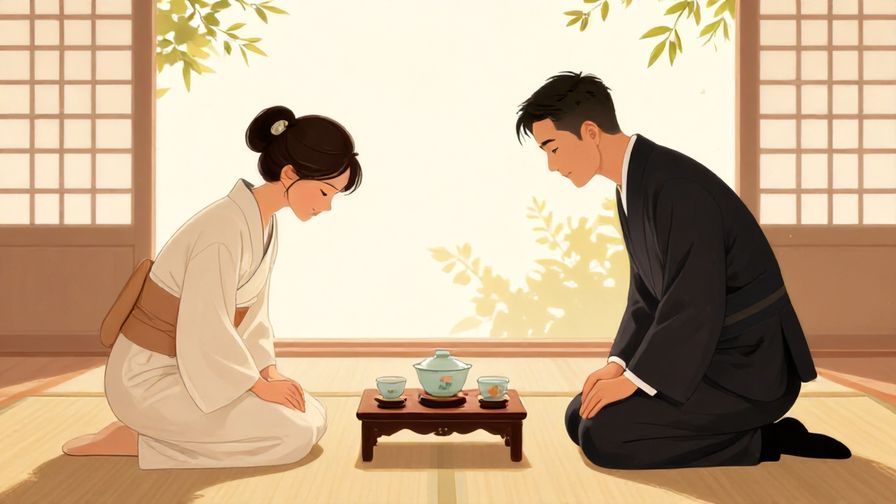
This is a refined, polite way to ask “How are you?” and can be used as part of a greeting.
ご機嫌 (gokigen) means “mood” or “well-being,” and いかがですか (ikaga desu ka) is “how is it?”
It’s often used in formal letters or when speaking to someone of higher status.
Perfect for showing respect and care.
Use it in settings where politeness is key.
It pairs well with こんにちは to form a complete greeting.
12. 午後のご挨拶を申し上げます (Gogo no go-aisatsu o moushiagemasu) – “I humbly offer my afternoon greetings”
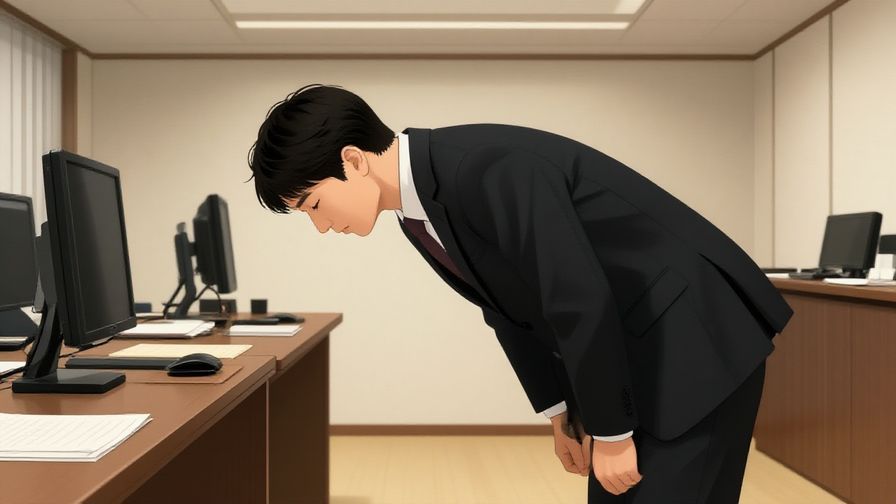
This is a very formal and humble way to say “Good Afternoon.”
午後 (gogo) means “afternoon,” ご挨拶 (go-aisatsu) means “greetings,” and 申し上げます (moushiagemasu) is a humble form of “to say.”
It’s often used in speeches, formal letters, or announcements.
Use it to impress with etiquette and respect.
Though a mouthful, it’s great for learning formal honorifics.
Practice will help you sound polished and professional.
13. お元気でいらっしゃいますか? (Ogenki de irasshaimasu ka?) – “Are you well?” (honorific)
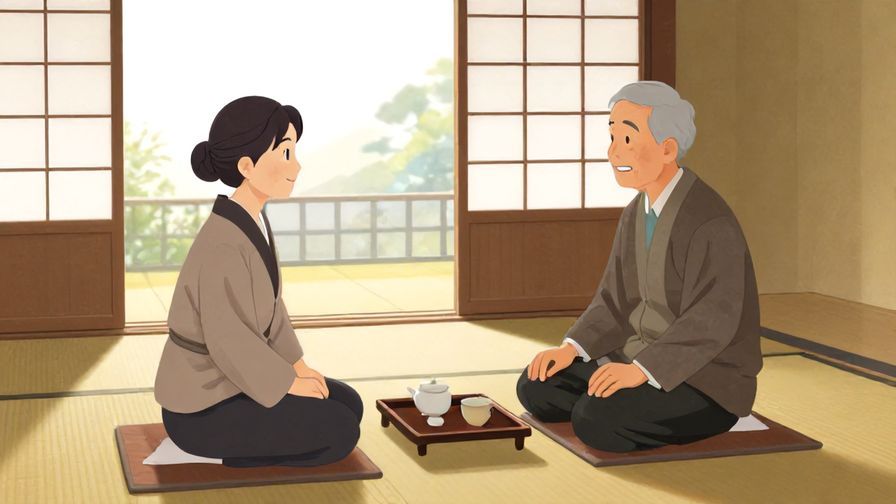
This honorific phrase is a more respectful version of “Are you well?”
お元気で (Ogenki de) means “well,” and いらっしゃいますか (irasshaimasu ka) is an honorific “are you?”
It’s used with elders or superiors.
It’s polite and thoughtful, perfect for formal afternoon greetings.
Use it to show care while maintaining respect.
It’s a beautiful phrase to build rapport in formal contexts.
14. 午後のご多幸をお祈りします (Gogo no gotakou o oinori shimasu) – “Wishing you happiness this afternoon”
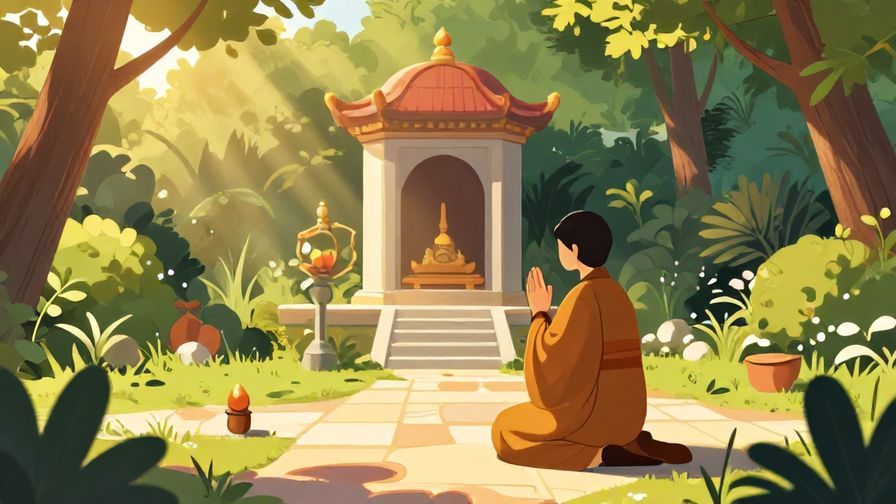
This phrase is a warm, formal way to wish someone happiness or good fortune during the afternoon.
午後 (gogo) means “afternoon,” ご多幸 (gotakou) means “much happiness,” and お祈りします (oinori shimasu) means “I pray for.”
It’s poetic and rarely used casually but lovely in letters or formal speeches.
Use it to add a heartfelt touch to your greeting.
It’s a great phrase to learn for special occasions.
Perfect for impressing with cultural depth.
15. 本日はお日柄もよく (Honjitsu wa ohigara mo yoku) – “Today is such a fine day” (formal)

This phrase is a formal way to comment on the pleasantness of the day, often opening speeches or letters.
本日 (honjitsu) means “today,” お日柄 (ohigara) means “the day’s fortune,” and よく (yoku) means “well” or “good.”
It sets a positive tone for afternoon conversations.
Use it in formal or celebratory contexts.
It’s an elegant way to connect with listeners or readers.
Great for practicing sophisticated openings.
16. ご機嫌ようございます (Gokigen you gozaimasu) – “Good afternoon” (polite, old-fashioned)
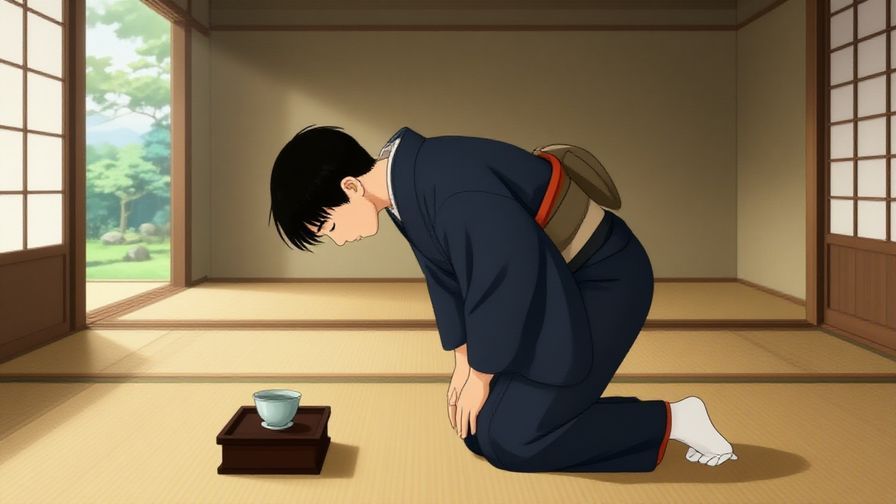
A polite and old-fashioned greeting combining ご機嫌よう (Gokigen you) with the formal ございます (gozaimasu).
It’s rarely used in modern casual conversation but still understood as a respectful afternoon greeting.
Perfect for formal letters, rare events, or theatrical speech.
Use it to add a touch of classical elegance.
It’s a lovely phrase to know for cultural depth.
Practice pronunciation carefully for best effect.
Part 3: Very Casual / Native-like Expressions
17. おっす! (Ossu!) – “Hey!” (very casual, masculine)

おっす! (Ossu!) is an extremely casual and masculine greeting similar to “Hey!” or “Yo!”
Used mostly among close male friends or teammates.
Perfect for informal afternoons filled with energy.
Not suitable for formal or mixed company.
Use it only if you want to sound very natural and native.
It’s a fun phrase to add to casual conversations.
18. よっ! (Yo!) – “Hey!” (casual)

よっ! (Yo!) is a short, casual greeting equivalent to “Hey!”
It’s friendly and informal, great for friends or younger people.
Easy to say and remember.
Use it to inject some energy into your greetings.
It’s a quick way to get someone’s attention.
Try it out with your Japanese-speaking pals.
19. どうも! (Doumo!) – “Hi!” (casual, versatile)

どうも! (Doumo!) is a versatile, casual greeting meaning “Hi!” or “Thanks!” depending on context.
It’s informal but polite enough for many situations.
Great for quick, friendly hellos.
Can be paired with other phrases for variety.
Use it to sound natural and easygoing.
A handy phrase to have in your casual toolkit.
20. お疲れ! (Otsukare!) – “Good job!” (very casual)

お疲れ! (Otsukare!) is a casual version of お疲れ様です, often used among friends or coworkers after finishing a task.
It literally means “Good job!” or “You must be tired!”
It’s a casual, friendly way to acknowledge effort in the afternoon.
Not suitable for formal settings.
Use it to bond with close colleagues or friends.
It adds a warm, laid-back vibe to your greetings.
21. じゃあね、午後も頑張って! (Jā ne, gogo mo ganbatte!) – “See you, keep up the good work this afternoon!”

This is a casual farewell combined with encouragement for the afternoon ahead.
じゃあね (Jā ne) means “See you,” 午後 (gogo) means “afternoon,” and 頑張って (ganbatte) means “do your best.”
Perfect for friends or coworkers parting ways during the day.
It’s warm, supportive, and very natural.
Try this when wrapping up a chat or meeting.
A nice way to end an afternoon interaction.
22. いい午後を! (Ii gogo o!) – “Have a nice afternoon!”

This phrase simply means “Have a nice afternoon!” and is casual yet polite.
いい (Ii) means “good,” 午後 (gogo) means “afternoon,” and を (o) marks the object.
It’s a friendly send-off greeting.
Use it for friends, acquaintances, or even strangers.
It’s easy to remember and sounds very kind.
Perfect for ending a conversation on a positive note.
Concluding Thought
Learning these 22 ways to say “Good Afternoon” in Japanese opens up new ways to connect warmly and authentically with people.
From casual chats to formal meetings, you now have a phrase for every afternoon occasion.
Keep practicing, have fun with these greetings, and watch your Japanese conversations brighten up every afternoon!