22 Japanese ways to say “Go with the flow”
Sometimes life feels like a rushing river — and the best thing you can do is just float along with it. In Japanese, there are so many beautiful and nuanced ways to express the idea of “going with the flow.”
Whether you want to sound casual, polite, or super native-like, Japanese has you covered. These phrases capture everything from laid-back vibes to thoughtful acceptance.
Learning these expressions not only boosts your language skills but also gives you a glimpse into a culture that values harmony and adaptability.
Ready to dive in? These 22 Japanese ways to say “go with the flow” will make you feel more connected and calm, no matter what life throws at you.
Plus, mastering these will help you sound natural and relaxed in everyday conversations.
Let’s get started and enjoy the ride!
Understanding the Flow in Japanese Culture
“Going with the flow” isn’t just a phrase—it’s a mindset deeply rooted in Japanese culture. From Zen teachings to everyday conversations, embracing change and staying flexible is key.
Japanese expressions often reflect this peaceful acceptance of life’s unpredictabilities, making the language a perfect guide for learning how to adapt gracefully.
Keep these cultural nuances in mind as you explore the phrases below.
Sometimes, using a great beginner phrasebook can give you a perfect starting point for a cohesive understanding.
Once you get the hang of these expressions, you’ll find it easier to stay relaxed and open-minded in any situation.
These simple phrases are your first step toward mastering the art of “going with the flow” in Japanese.
Part 1: Casual Suggestions
1. 行けたら行く (Iketara iku) – “I’ll come if I can.”

This phrase literally means “If I can go, I’ll go.”
It’s a very casual way to say you’re open to plans but don’t want to commit fully. It’s perfect for beginners because it’s easy and commonly used.
Using this phrase shows flexibility and a chill attitude toward the situation.
It’s a great way to “go with the flow” without sounding overly formal or unsure.
You might hear it used often among friends when plans are loose.
Try using it next time you want to keep things open-ended!
2. なるようになる (Naru you ni naru) – “It will become what it will become.”

This phrase embodies the idea of accepting whatever happens without resistance.
It’s easy to remember because “naru” means “to become.” Saying it twice emphasizes letting things unfold naturally.
It’s a laid-back, comforting expression.
Just remember not to confuse it with phrases that imply giving up intentionally.
Used in conversation, it sounds like a wise, relaxed way to handle uncertainty.
Keep this one in your casual toolkit for when you want to express calm acceptance.
3. 仕方がない (Shikata ga nai) – “It can’t be helped.”

This is a classic phrase used to express acceptance of a situation beyond control.
It’s simple and very common, making it easy for learners to pick up and use.
It’s a bit more resigned but still a way to “go with the flow” by acknowledging reality.
Don’t overuse it, as it can sometimes sound like giving up.
Used in everyday life, it’s a polite way to say, “Let’s just move on.”
Perfect for moments when you want to sound mature yet relaxed.
4. 気にしないで (Ki ni shinai de) – “Don’t worry about it.”

This phrase literally means “Don’t mind it” and is a casual way to encourage others to relax.
It’s very useful for telling someone (or yourself!) not to stress and just go with the flow.
It’s easy to remember because it centers on “ki” (mind/concern) and “shinai” (don’t do).
Be careful with tone to keep it friendly and not dismissive.
It’s perfect for everyday conversations where you want to lighten the mood.
Try it to gently tell people to relax and let things be.
5. 流れに任せる (Nagare ni makaseru) – “Leave it to the flow.”

This phrase directly describes the idea of “going with the flow.”
“Nagare” means “flow” and “makaseru” means “to entrust” or “leave it to.”
It’s a bit more poetic and ideal for expressing deliberate acceptance.
Great for learners who want a phrase that’s both literal and meaningful.
Use it to show you’re consciously choosing to follow the current.
It’s a lovely way to talk about surrendering control in a positive way.
6. 気楽に行こう (Kiraku ni ikou) – “Let’s take it easy.”

This phrase encourages a relaxed, carefree attitude.
“Kiraku” means “carefree” or “easygoing,” and “ikou” is the volitional form of “to go,” meaning “let’s go.”
It’s easy to use and captures the spirit of going with the flow by staying lighthearted.
Perfect for casual chats and encouraging others to relax.
Be mindful to keep it light and positive, not careless.
A great phrase to remind yourself and friends to enjoy the moment.
7. なるようになるさ (Naru you ni naru sa) – “Whatever will be, will be.”

This is a more casual, masculine version of “naru you ni naru.”
Adding “sa” at the end softens it and gives it a confident, laid-back tone.
It’s perfect for informal settings and among close friends.
It’s easy to remember and sounds very natural in conversation.
Use it when you want to express relaxed confidence about the future.
It’s a phrase that says, “Let’s not stress and trust the process.”
8. 任せるよ (Makaseru yo) – “I’ll leave it up to you.”

This phrase shows trust and willingness to follow others’ lead.
“Makaseru” means “to entrust,” and adding “yo” makes it friendly and casual.
It’s useful when you want to go with the flow by letting someone else decide.
Remember not to overuse it so you don’t seem indecisive.
It’s common in team settings or when you’re happy to follow.
Try it to express relaxed cooperation in conversations.
Part 2: Polite & Formal Suggestions
9. 流れに身を任せる (Nagare ni mi o makaseru) – “To entrust oneself to the flow.”

This is a polite and literary way to express “going with the flow.”
“Mi” means “oneself,” so it literally means entrusting your body or self to the flow.
It’s suitable for formal writing or thoughtful discussions.
Use it when you want to sound respectful but still embrace adaptability.
It’s a great phrase for speeches or reflective moments.
Perfect for showing mature acceptance in professional settings.
10. 仕方ありません (Shikata arimasen) – “It can’t be helped.” (polite)

This is the polite form of “shikata ga nai.”
It’s perfect for formal situations where you want to express acceptance humbly.
Using polite language shows respect while still “going with the flow.”
Avoid sounding too harsh by practicing a gentle tone.
It’s common in customer service or workplace conversations.
Use it to keep things smooth and professional.
11. 柔軟に対応する (Juunan ni taiou suru) – “To respond flexibly.”
This phrase focuses on the skill of adapting smoothly.
“Juunan” means “flexible” and “taiou suru” means “to respond or deal with.”
It’s great for formal or business contexts.
Use it when you want to highlight your ability to adjust gracefully.
It’s a positive, proactive way to “go with the flow.”
Perfect for resumes, interviews, or polite conversations.
12. 臨機応変に行動する (Rinki ouhen ni koudou suru) – “To act according to the situation.”

This phrase means acting flexibly based on circumstances.
“Rinki ouhen” means “adapting to the situation,” and “koudou suru” means “to act.”
It’s formal and useful in business or academic language.
Use it to show strategic flexibility and calm problem-solving.
It’s a respectful way to express going with the flow professionally.
Try this phrase to impress in formal discussions.
13. 焦らずに進む (Aserazu ni susumu) – “Proceed without rushing.”

This phrase encourages steady progress without stress.
“Aserazu” means “without hurrying,” and “susumu” means “to proceed.”
It’s polite and thoughtful, great for advice or guidance.
Use it to suggest patience in uncertain situations.
It’s a gentle reminder to let things unfold naturally.
Perfect for formal or casual encouragement.
14. 流れに逆らわない (Nagare ni sakarawanai) – “Don’t go against the flow.”

This phrase literally means “don’t resist the flow.”
It’s polite and encourages acceptance and cooperation.
Use it when advising or reflecting on harmony.
It’s a respectful way to express going with the flow in formal settings.
Great for emphasizing balance and ease.
Try this in thoughtful discussions about adaptability.
15. 臨機応変に対応する (Rinki ouhen ni taiou suru) – “To adapt flexibly to circumstances.”
This is a slightly extended version of #11, emphasizing flexible adaptation.
It’s very formal and perfect for professional communication.
Use it to highlight your calm and smart responses to changes.
Great for resumes, reports, or polite conversations.
Shows you’re ready to go with the flow intelligently.
Use it to impress with your adaptability skills.
16. 気持ちを楽にする (Kimochi o raku ni suru) – “To ease one’s mind.”
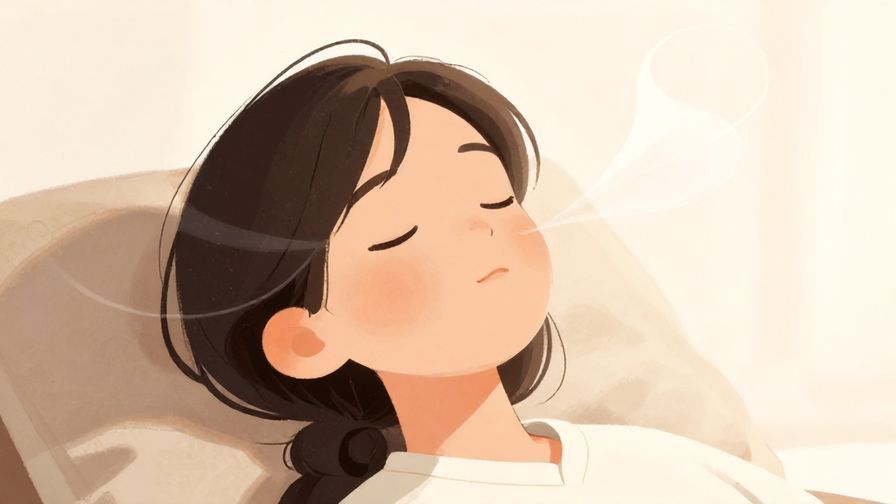
This phrase highlights the emotional side of going with the flow.
“Kimochi” means “feeling,” and “raku ni suru” means “to make easy/relaxed.”
It’s polite and thoughtful, great for advice or comforting someone.
Use it to express mental ease and acceptance.
Perfect for formal or friendly contexts.
Encourage yourself or others to relax with this phrase.
Part 3: Very Casual / Native-like Expressions
17. まかせた! (Makase ta!) – “I leave it to you!”

This is a very casual and confident way to say you’re going with the flow by trusting someone.
“Makase” comes from “makaseru” (to entrust), and “ta” is the past tense ending.
It sounds very natural among friends and younger people.
Perfect for casual conversations where you want to show trust and flexibility.
Don’t use it in formal settings.
Great for playful, easygoing moments.
18. 流されるままに (Nagasareru mama ni) – “Just as the flow carries me.”

This phrase paints a poetic picture of surrendering to life’s currents.
“Nagasareru” means “to be carried away,” and “mama ni” means “just as.”
It’s casual but expressive, great for native-like speech.
Use it for storytelling or reflective moments.
It captures a deep sense of peaceful acceptance.
Try it to sound more natural and poetic.
19. そのまま行こう (Sono mama ikou) – “Let’s go just like this.”

This phrase is a simple, casual way to suggest going ahead without changes.
“Sono mama” means “just like that,” and “ikou” is “let’s go.”
It’s easy to use and very natural among young people.
Use it to encourage sticking to the current plan or vibe.
It’s great for spontaneous or relaxed situations.
Perfect for sounding native and easygoing.
20. 流れに身を任せてみる (Nagare ni mi o makasete miru) – “Trying to entrust myself to the flow.”

This phrase adds a nuance of trying or experimenting with going with the flow.
“Makasete miru” means “to try entrusting.”
It’s casual but thoughtful and very native-like.
Use it when you want to express openness to new experiences.
It adds a hopeful, proactive spin to acceptance.
Great for conversations about personal growth.
21. なるようにしかならない (Naru you ni shika naranai) – “It only becomes what it becomes.”

This phrase is a more native, slightly more emphatic way to say “what will be, will be.”
“Shika naranai” means “only this can happen.”
It’s casual, natural, and sounds very Japanese.
Use it to express acceptance with a touch of inevitability.
It’s great for philosophical or reflective talks.
Try it to sound thoughtful and native.
22. 気ままに生きる (Kimama ni ikiru) – “Live freely / as you please.”

This phrase expresses a carefree, go-with-the-flow lifestyle.
“Kimama” means “as one pleases,” and “ikiru” means “to live.”
It’s very casual and perfect for describing a relaxed personality.
Use it to talk about living without stress or rigid plans.
It’s a lively, joyful expression of freedom.
Great for inspiring others to relax and enjoy life.
Concluding Thought
Exploring these 22 Japanese expressions gives you a rich palette for embracing life’s unpredictable currents. Each phrase offers a unique flavor of acceptance, from casual to formal, poetic to practical.
The key takeaway? “Going with the flow” is as much about mindset as words—being open, flexible, and calm helps you navigate life smoothly.
So take these phrases, try them out, and remember: sometimes the best way forward is to just float and enjoy the ride.